


AI’s Rapid Rise Exposes Gender Bias and Regulatory Gaps: Experts Call for Urgent Oversight
The global expansion of artificial intelligence is driving innovation across industries, but experts caution that unchecked development may reinforce gender bias and outpace current regulatory frameworks. This report explores the societal implications, regulatory challenges, and steps required to promote ethical AI.

Australia’s Department of Health Releases AI Transparency Statement for Safer Healthcare
The Australian Government Department of Health and Aged Care has issued its AI Transparency Statement, detailing its commitment to ethical and responsible AI use in healthcare. The statement sets out current practices, oversight measures, and ongoing policy development to ensure AI benefits the public while maintaining safety and transparency.

Hong Kong Climate Forum 2025 Showcases AI’s Role in Carbon Neutrality and Green Innovation
The 2025 Hong Kong Climate Forum, co-organized by HKU’s Institute for Climate and Carbon Neutrality, focused on how artificial intelligence can drive progress toward Hong Kong’s carbon neutrality goals. Experts shared insights on AI applications in green finance, urban planning, and the ongoing efforts to address climate challenges.

China Unveils AI System for Nuclear Warhead Verification, Marking Global Arms Control Milestone
Chinese researchers have developed the first AI system capable of verifying nuclear warheads without revealing sensitive details. This advancement could influence future arms control agreements, offering new solutions for secure verification while raising questions about transparency and international acceptance.

Gemini 2.5 Pro Access: Google’s AI Model Faces Regional Restrictions and Global Impact
Google’s Gemini 2.5 Pro offers advanced AI capabilities to users in most regions worldwide, but remains inaccessible in mainland China, Hong Kong, Macau, Russia, Iran, North Korea, Syria, and Cuba due to regulatory and geopolitical factors. This article examines the reasons for these restrictions and their implications for global AI development.

UAE Partners with OpenAI for Nationwide ChatGPT Access, Free Plus Claims Remain Unverified
The United Arab Emirates has partnered with OpenAI to bring ChatGPT to public services across the country, supporting its national AI ambitions. While some media and social media posts claim all residents will receive free ChatGPT Plus subscriptions, these reports remain unverified. The official partnership currently centers on expanding access to ChatGPT’s free version in government, education, and healthcare platforms.

UK Artists Call for Stronger Copyright Protections in AI Law as Data Bill Faces Parliamentary Debate
More than 400 UK artists, including leading musicians and industry figures, have signed an open letter calling for stronger copyright protections against the use of creative works in artificial intelligence systems. Their appeal coincides with ongoing debates in Parliament over the Data (Use and Access) Bill, which could significantly impact the future relationship between AI innovation and the creative sector.

Canada Names Evan Solomon as First Minister of Artificial Intelligence and Digital Innovation
Canada has created a new federal ministry focused on artificial intelligence and digital innovation, appointing Evan Solomon as its inaugural minister. The new role is part of Prime Minister Mark Carney’s strategy to position Canada as a leader in responsible AI development and digital policy.

UNESCO to Host Global AI Ethics Forum in Bangkok, Advancing Responsible AI Governance
UNESCO, in partnership with Thailand’s ministries, will hold the 3rd Global Forum on the Ethics of Artificial Intelligence in Bangkok, June 24-27, 2025. The event will bring together policymakers, experts, and civil society to advance global discussions on responsible and ethical AI governance.

UN Holds Landmark Talks on Regulating AI-Powered Autonomous Weapons Amid Global Debate
The United Nations General Assembly convened in May 2025 to address the regulation of AI-powered autonomous weapons. Member states debated ethical, legal, and security challenges, highlighting global divisions over the development and use of these technologies in armed conflict.

House Republicans Propose 10-Year Ban on State AI Laws, Sparking Debate on Privacy and Innovation
House Republicans have introduced a bill to halt state-level AI regulations for a decade, seeking to unify oversight under federal law. Supporters argue this will drive innovation, while critics express concerns about privacy, consumer protections, and the impact on existing state regulations. The proposal faces uncertain prospects in the Senate.

Saudi Arabia Unveils 'Humain' AI Initiative to Drive Vision 2030 and Global Tech Leadership
Saudi Arabia has introduced Humain, a new state-backed AI company led by Crown Prince Mohammed bin Salman and supported by major global tech firms. The initiative aims to accelerate the kingdom’s AI capabilities, focusing on Arabic language models, advanced data centers, and international partnerships to align with Vision 2030.

OpenAI Launches 'OpenAI for Countries' to Build Democratic AI Infrastructure
OpenAI has launched the 'OpenAI for Countries' initiative as part of its $500 billion Project Stargate, partnering with nations worldwide to build localized AI infrastructure for healthcare and education. The program emphasizes data sovereignty, democratic values, and regional innovation, positioning itself as an alternative to authoritarian AI models.

Global Media Coalition Pushes for AI Ethics to Protect News Integrity
A global coalition of media organizations has launched the "News Integrity in the Age of AI" initiative at the World News Media Congress in Krakow. Led by the EBU and WAN-IFRA, the effort aims to ensure AI technologies support fact-based journalism, emphasizing consent, fairness, accuracy, plurality, and dialogue. With broad international support, the initiative seeks to protect news integrity in the AI era.
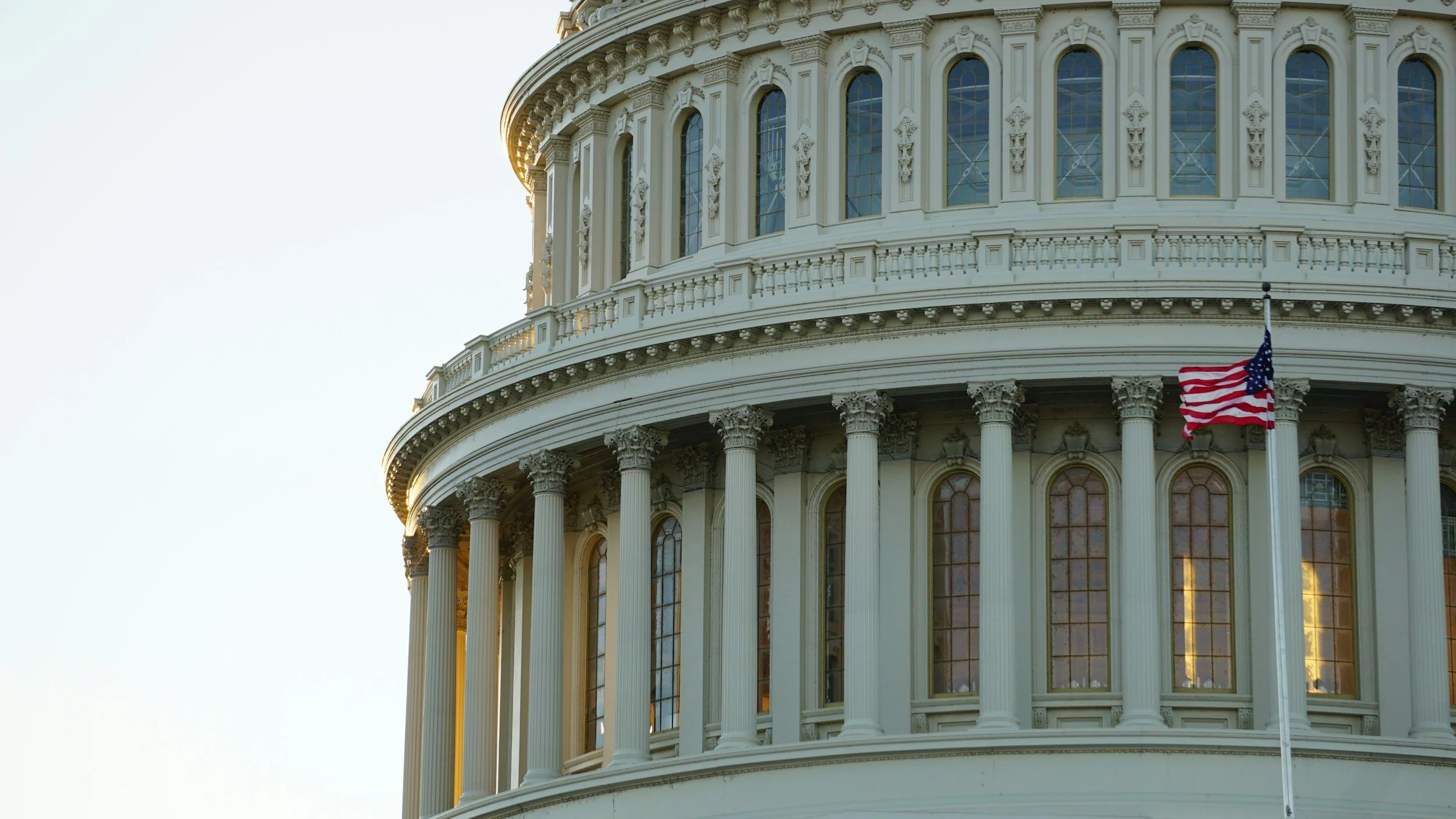
U.S. Congress Passes Take It Down Act to Combat AI-Generated Deepfakes and Revenge Porn
On April 28, 2025, Congress passed the Take It Down Act with overwhelming bipartisan support. This new law addresses the spread of non-consensual intimate imagery, including AI-generated deepfakes, by mandating swift removal and criminalizing such acts. The legislation marks a federal push to regulate online content but raises free speech and enforcement concerns.

Trump Administration Expands AI Use in Government and Schools with New Directives
The Trump administration has unveiled major AI initiatives, including appointing Chief AI Officers across federal agencies and launching AI literacy programs in K-12 schools. Aimed at boosting innovation and global competitiveness, the policies mark a significant shift from the previous administration’s risk-focused approach.
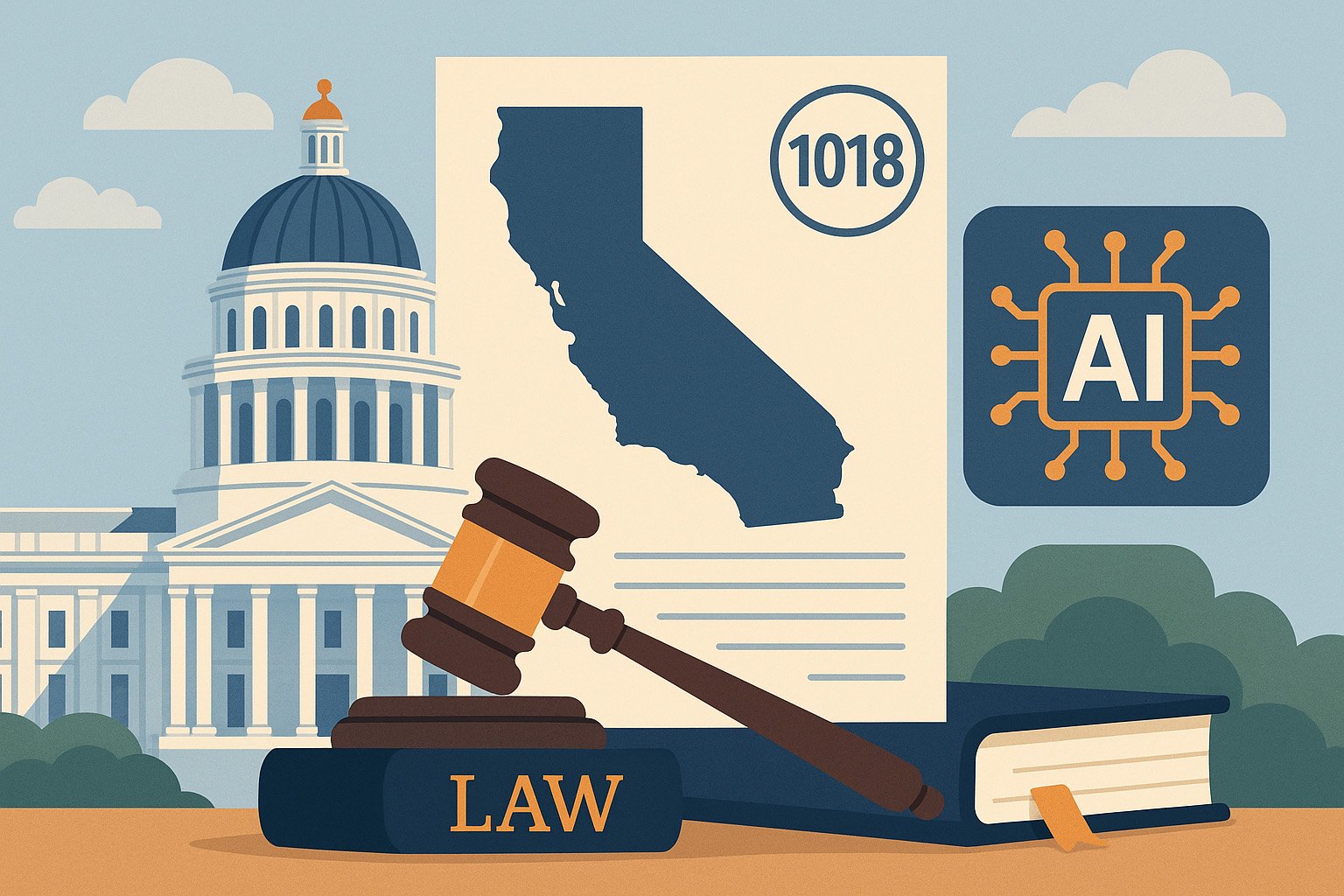
California Proposes AB 1018 to Regulate AI in Jobs, Healthcare and Essential Services
California has introduced Assembly Bill 1018 to regulate AI-powered decision systems across sectors like employment, healthcare, and housing. The bill proposes strict requirements for transparency, fairness, and accountability, including audits, user notifications, and opt-out options. If passed, it could set a new standard for AI governance in the U.S.

Whistleblower Claims Meta Briefed China on AI, Sparking U.S. Security Concerns
A former Meta executive has accused the company of briefing Chinese officials on AI under “Project Aldrin,” raising alarms about national security and tech ethics. Her testimony before a Senate subcommittee reignited scrutiny of Meta’s global practices, open-source AI policies, and alleged censorship deals with China.

Global AI Guidelines: How the US, EU, and China Are Shaping the Future of AI Governance
Governments and organizations worldwide are racing to define ethical AI standards. From the EU’s strict AI Act to China’s content labeling rules and the U.S.’s deregulation shift under Trump, this report explores how different regions are addressing AI risks, transparency, and innovation through mandatory laws and voluntary frameworks.

UK Publishers Call on Prime Minister to Defend Intellectual Property at AI Summit
As the UK prepares for a major AI summit, publishers are pressing Prime Minister Rishi Sunak to defend intellectual property rights. The industry warns against unlicensed AI training on copyrighted works, citing economic impact and the need for legal clarity in a fast-evolving tech landscape.