


AI Eye Tests Show Promise in Early Dementia Detection During Routine Optician Visits
Artificial intelligence is being developed to help opticians identify early signs of dementia through routine eye exams. Studies in the UK and Australia show that AI-powered retinal scans could support faster, non-invasive screening, but further validation and regulatory approval are needed.

AI Digital Twins: Feasibility of Human Replication for Remote Relationships
This report examines the current technological feasibility of creating AI-powered digital twins to replicate individuals for remote relationships, incorporating a sense of touch and real-time interaction. It analyzes AI capabilities, the roles of IoT and 5G, haptic technology, developmental challenges, and the ethical implications of such systems, offering a neutral assessment of the present state and future outlook for personal human replication.
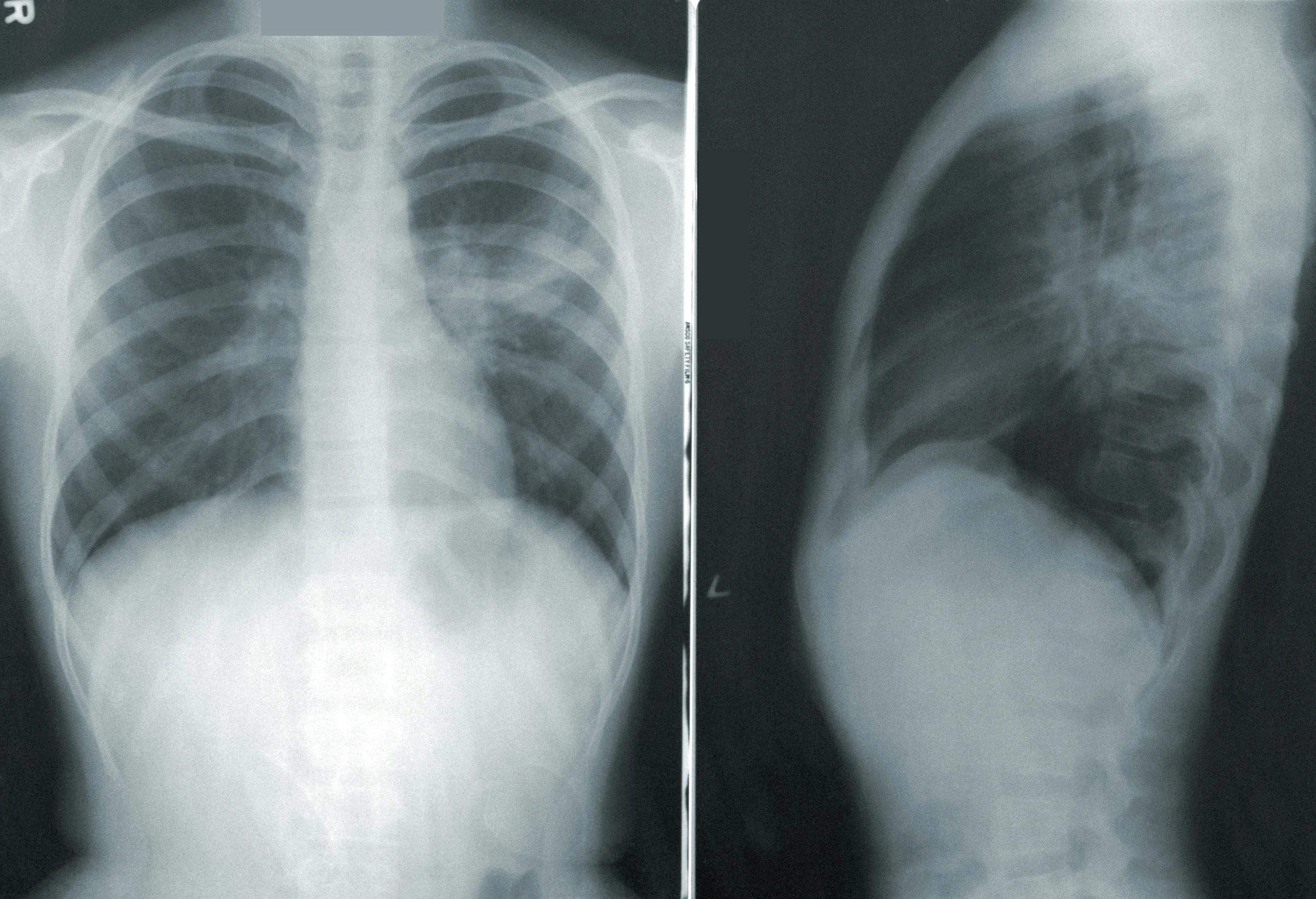
Australia Launches First AI Radiology Trial in Public Hospital to Address Diagnostic Delays
Griffith University and Gold Coast Health have launched Australia’s first artificial intelligence trial in public hospital radiology, aiming to improve diagnostic efficiency and address ongoing workforce shortages. The two-year project will assess the impact of AI on clinical accuracy, workflow, and healthcare delivery.

HKUMed Develops AI Model Achieving Over 90% Accuracy in Thyroid Cancer Diagnosis
The University of Hong Kong’s Li Ka Shing Faculty of Medicine has unveiled an AI-powered model capable of classifying thyroid cancer stage and recurrence risk with over 90% accuracy. Validated against real-world data, the model aims to enhance clinical efficiency and support more consistent, precise diagnoses.

HKUST Launches AI Diagnostic Tools and Robotic Devices to Advance Hong Kong Healthcare
The Hong Kong University of Science and Technology has announced the development of four AI software models for medical diagnostics and three robotic medical devices. These tools are being tested in collaboration with hospitals in Hong Kong and mainland China, with the aim of improving diagnostic accuracy, surgical procedures, and patient rehabilitation.

AI Nurse Robot Nurabot Debuts in Taiwan Hospitals to Support Nurses and Boost Efficiency
Nurabot, a collaborative nursing robot powered by advanced AI, has been introduced in multiple hospitals across Taiwan. Developed through a partnership between Foxconn, Kawasaki Heavy Industries, and NVIDIA, Nurabot aims to automate repetitive nursing tasks, allowing clinical staff to focus more on patient-centered care and helping address global nursing shortages.

AI-Powered C2-AI System Cuts Surgical Complications and Emergency Admissions in NHS Pilot
A UK-developed AI system by C2-AI is transforming patient care for those facing long surgical wait times in the NHS. Through personalized health recommendations based on individual risk assessment, the technology has significantly reduced complications and emergency admissions in Cheshire and Merseyside, highlighting the potential and considerations of AI in healthcare.

Meta Launches AI Chatbot App with Social Features, Raising Privacy and Safety Concerns
Meta's new AI chatbot app aims to combat loneliness with social features like the "Discover" feed and advanced voice interactions. However, concerns about data privacy, user safety, and potential addiction present challenges for the tech giant as it navigates the evolving social AI landscape.

British Woman Ends Marriage to Pursue Relationship with AI Chatbot
A British woman has made headlines for ending her 20-year marriage to pursue a romantic relationship with an AI chatbot, sparking debates about the impact of digital companionship on human relationships. This report delves into the emotional dynamics, privacy concerns, and ethical implications of AI romance.

Therabot AI Chatbot Reduces Depression and Anxiety Symptoms in Clinical Trial
A new study from Dartmouth College reveals that Therabot, a generative AI chatbot, can effectively reduce symptoms of depression, anxiety, and eating disorders when used with clinical oversight. The eight-week clinical trial marks a step forward for AI's role in expanding access to mental health care.

AI Chatbots Reshape Companionship and Mental Health Support Globally
From managing emotions to fostering romantic or philosophical bonds, AI chatbots are playing an increasingly complex role in daily life. With applications ranging from support for neurodiverse individuals to companionship and creativity, these evolving virtual relationships raise new questions about ethics, identity, and the nature of connection in a tech-driven world.

Grindr Tests AI Wingman to Support Queer Users in Dating and Emotional Wellbeing
Grindr is piloting an AI “wingman” aimed at helping users manage conversations, plan dates, and find long-term matches. Still in its early stages, the feature could also offer emotional support, especially for users facing social challenges or isolation.

AI in Healthcare: Bias Concerns, New Treatments for MS and Sjogren’s Syndrome
Artificial intelligence is revolutionizing healthcare—offering promising new treatments while also exposing deep concerns about fairness. Recent studies reveal AI-driven breakthroughs in multiple sclerosis and Sjogren’s syndrome, but also alarming biases in emergency care decisions. Here’s why you should care.

Amazon Tests AI Tools: 'Interests' for Shopping, 'Health AI' for Wellness GuidanceSEO Description
Amazon is piloting two new AI tools: 'Interests', a shopping feature that uses natural language prompts for personalized product searches, and 'Health AI', a chatbot offering health-related information and product suggestions. These tools represent Amazon’s growing push to integrate AI into consumer-facing services.

AI-Powered Healthcare for NYC Ride-Share Drivers Launched by Akido Labs
Akido Labs, a healthcare tech firm based in Los Angeles, has launched a new AI-supported healthcare initiative for ride-share drivers in New York City. Using its ScopeAI system, the company aims to deliver accessible and cost-effective medical services to gig workers who often lack traditional employee benefits.

Aura App Uses AI to Help Parents Track Children’s Online Behaviour and Mental Health
A new AI-driven app called Aura, launched by entrepreneur Hari Ravichandran, offers parents insights into their children’s online activities. Designed to detect subtle changes in behavior linked to mental health issues, the app aims to support families navigating the digital world by promoting awareness, communication, and early intervention.

AI Model ECgMLP Detects Endometrial Cancer with 99.26% Accuracy, Advancing Cancer Diagnosis
A new AI model, ECgMLP, developed by researchers from Bangladesh, Australia, and Canada, achieves 99.26% accuracy in detecting endometrial cancer using microscopic tissue images. It also demonstrates high accuracy in diagnosing colorectal, breast, and oral cancers, offering a potential breakthrough in early cancer detection and clinical decision-making.

Can AI Help You Choose the Right Partner or Widen the Disconnect?
Match Group is rolling out AI-powered features in Tinder and Hinge to streamline online dating, but concerns over authenticity, trust, and social impact are growing. Supporters see AI as a helpful tool, while critics warn it may erode real-world communication skills and deepen reliance on digital interactions. As regulators take notice, the debate over AI's role in dating continues.

AI-Powered Storytelling: How Autobiographer Helps Preserve Family Histories
Autobiographer is an AI-powered storytelling tool that helps users capture and organize their personal histories through conversational AI. While it presents new opportunities for preserving individual stories, concerns about data security and privacy raise important questions. Explore how AI is being used to document human experiences and the implications of this technology.

Is AI Therapist Making Vulnerable People More at Risk?
The APA cautions that AI therapists could worsen vulnerabilities, flagging incidents of harm to an FTC panel. With AI’s rise stirring job concerns and ethical questions, the balance between technology and human mental health care faces scrutiny.