


GitHub Reaches 150M Developers as AI Tools Redefine Software Collaboration
GitHub has become a cornerstone of modern software development, serving 150 million developers across more than 420 million repositories. From its 2008 founding to Microsoft’s $7.5 billion acquisition and the rise of AI tools like Copilot, the platform continues to transform global coding collaboration, security, and innovation.

AI-Powered Robotics Reshape Facility Management with KABAM Deployments
Singapore-based KABAM Robotics is expanding the use of AI-powered robots in facility management, focusing on autonomous navigation, inspections, and predictive maintenance. From healthcare to commercial buildings, deployments showcase potential to reduce labor pressure, improve operational efficiency, and support sustainability goals.

Huawei CloudMatrix 384 vs Nvidia GB200 NVL72: Key AI Hardware Differences Explained
This report provides a structured, data-driven comparison of Huawei’s CloudMatrix 384 and Nvidia’s GB200 NVL72 AI computing systems. It examines performance from chip to rack level, evaluates efficiency and software ecosystems, and considers broader market and geopolitical factors shaping AI infrastructure choices.

Genspark.AI Emerges in U.S. as AI Agent Startup Led by Former Baidu Executives
Genspark.AI, founded in 2023 by former Baidu executives Eric Jing and Kay Zhu, is a U.S.-based AI startup focused on developing autonomous agents. With operations rooted in Palo Alto, the company blends Eastern AI expertise with Western infrastructure, positioning itself in the evolving global AI landscape.

MIT Photonic AI Chip Is 100x Faster Than Digital Processors for 6G Signal Processing
Researchers at MIT have introduced a groundbreaking photonic AI hardware accelerator capable of classifying wireless signals in just 120 nanoseconds. Designed to meet the demands of next-generation 6G networks, the chip processes data using light instead of electricity, offering significant gains in speed and energy efficiency. This innovation could enhance real-time decision-making in edge devices while addressing spectrum and latency challenges in wireless communication.
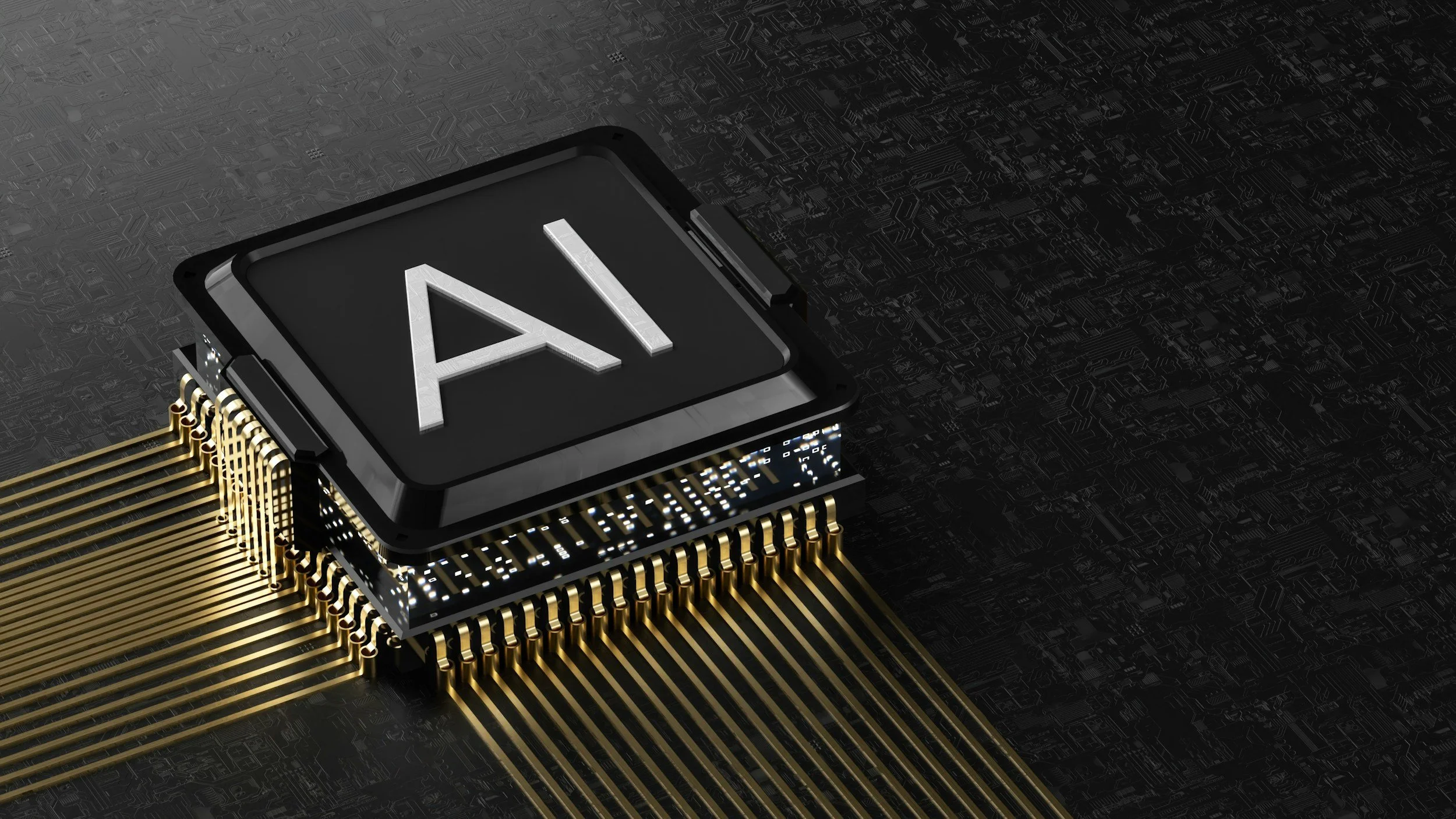
Biren Technology Raises $207M for AI Chips Ahead of HK IPO
Chinese AI chip developer Biren Technology has secured 1.5 billion yuan ($207 million) in funding from state-backed investors as it prepares for a Hong Kong initial public offering. The move supports development of its BR100 GPU amid U.S. export restrictions, aiming to advance domestic AI hardware capabilities.

AI-Powered Device Mimics Human Vision for Precise, Low-Energy Color Recognition
Researchers at Tokyo University of Science have developed an AI-powered device that mimics human color perception using dye-sensitized solar cells. The self-powered artificial synapse distinguishes colors with high precision and performs logic operations, offering a compact, energy-efficient solution for machine vision systems.

Meta Releases V-JEPA 2 to Improve Robot Understanding of the Physical World
Meta has launched V-JEPA 2, an open-source AI model aimed at helping robots interpret and interact with their surroundings through improved physical reasoning. The model’s release highlights Meta’s push toward advanced machine intelligence and broader applications in robotics.

Telstra Launches AU$1.6B Fibre Network and Satellite Messaging to Boost Australia’s Connectivity
Telstra has unveiled a AU$1.6 billion intercity fibre network and a new satellite-to-mobile messaging service, expanding high-speed connectivity to cities and remote regions across Australia. The initiatives seek to address growing data needs, support AI innovation, and strengthen the nation’s digital infrastructure.

Hong Kong Startup Pons.ai Uses AI to Create Personalized Digital Avatars for Brands and Events
Pons.ai, founded by Kelvin Tang and based at Hong Kong Science Park, utilizes advanced AI models to create personalized digital avatars for corporate and personal use. The company’s platform has generated significant revenue and aligns with Hong Kong’s strategic investments in artificial intelligence and digital innovation.

Will AI Wearables Soon Help Prevent Accidents?
A vision of AI-driven personal safety networks promises real-time alerts about environmental dangers via interconnected sensors and wearable devices. While these systems could enhance situational awareness and prevent harm, they also present major challenges around privacy, security, and ethics. Experts argue that realizing such networks will require careful, stepwise development and robust safeguards to protect individual rights.

Optus CEO: AI to Enhance Telecom Services, Human Roles Remain Central Amid Digital Shift
Optus, Australia’s second-largest telecom provider, is advancing its use of artificial intelligence to boost service quality and operational efficiency. CEO Stephen Rue has affirmed that, despite the growing role of AI, human expertise will remain a core part of the business as Optus addresses past disruptions and invests in future resilience.

Telstra Unveils ‘Connected Future 30’ Strategy with AI, Major Fibre Investments to 2030
Telstra Group Ltd has launched its “Connected Future 30” strategy, outlining a five-year plan centered on AI-driven network innovation and large-scale fibre infrastructure investments. The initiative aims to enhance connectivity and support emerging technologies across Australia.

Samsung Debuts 2025 OLED TVs in Australia, Featuring Advanced AI and QD-OLED Technology
Samsung has introduced its 2025 OLED TV range in Australia, featuring new AI-driven enhancements, QD-OLED and WOLED panel options, and a variety of sizes to meet diverse viewing needs. The lineup aims to deliver improved picture quality, gaming performance, and smart features for consumers in Australia and Hong Kong.

Nokia and ResetData Launch Australia’s First Sovereign AI Data Centers with Liquid Cooling
Nokia and Australian cloud provider ResetData are launching the nation’s first sovereign, liquid immersion-cooled AI data centers—known as “AI Factories”—in Melbourne’s CBD from Q2 2025. The initiative aims to keep data within Australia, promote energy efficiency, and strengthen the country’s digital infrastructure.
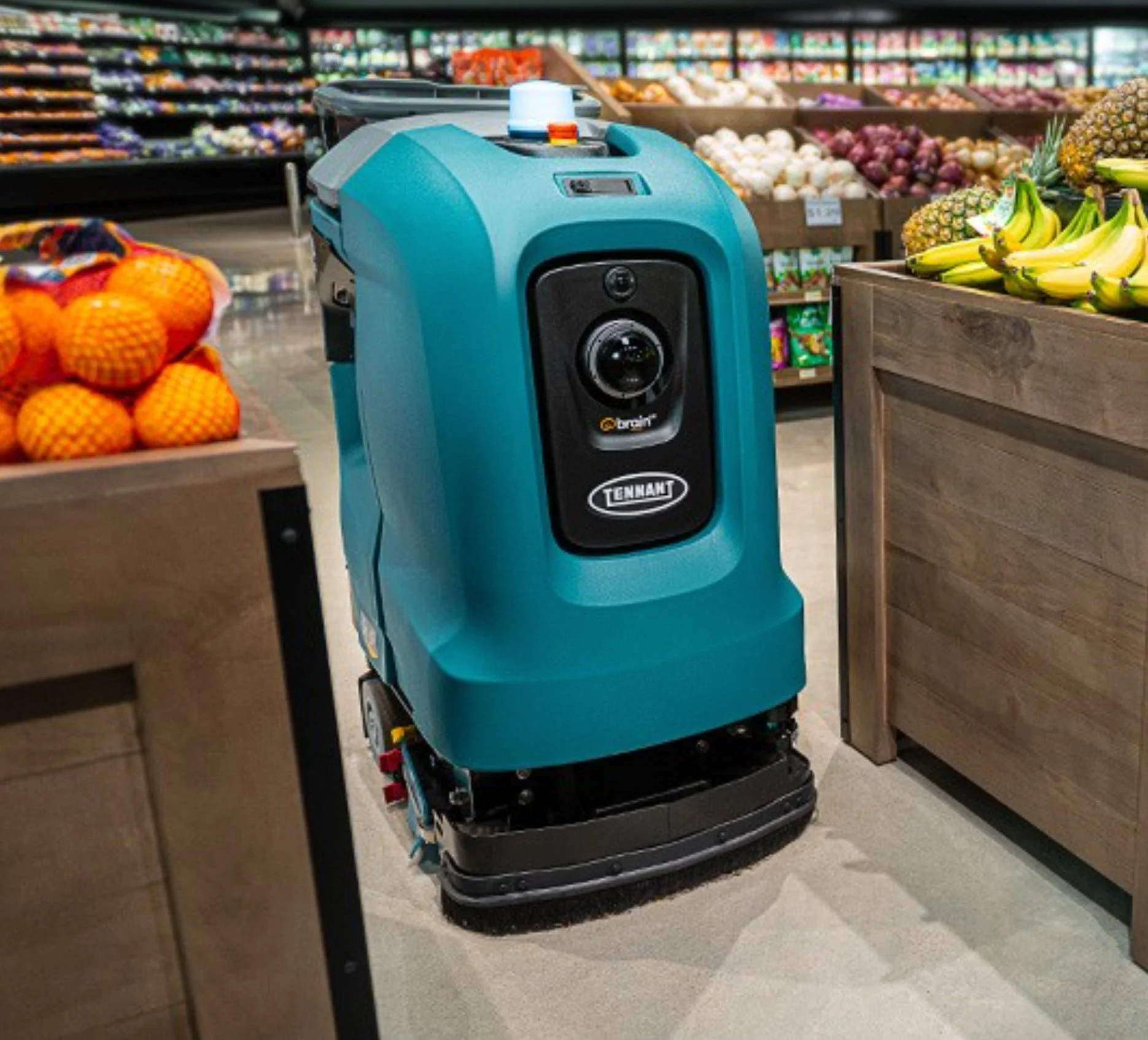
AI Cleaning Robots Rolled Out in Australia Retail Stores Amid Cost and Hygiene Pressures
Retail stores in Victoria have begun introducing AI-driven cleaning robots in response to operational pressures and heightened hygiene expectations. The deployment highlights broader automation trends and raises questions about efficiency, cost, and the future of retail employment.

AI Interview Tool Cluely Raises US$5.3M and Sparks Debate on Online Hiring and Academic Integrity
Cluely, an AI-powered browser overlay designed to assist candidates in online interviews and exams, has quickly attracted both major investment and controversy. Its undetectable assistance raises significant questions about integrity in hiring and academic assessments as the tool gains traction among tech professionals and students.

China’s Unitree Humanoid Robot Malfunctions During Test, Raising AI Safety and Reliability Questions
A Unitree H1 humanoid robot malfunctioned during testing in China, leading to erratic movements and sparking fresh debate on AI safety. Experts attribute the incident to a programming issue, highlighting the ongoing need for rigorous safety protocols in robotics development.
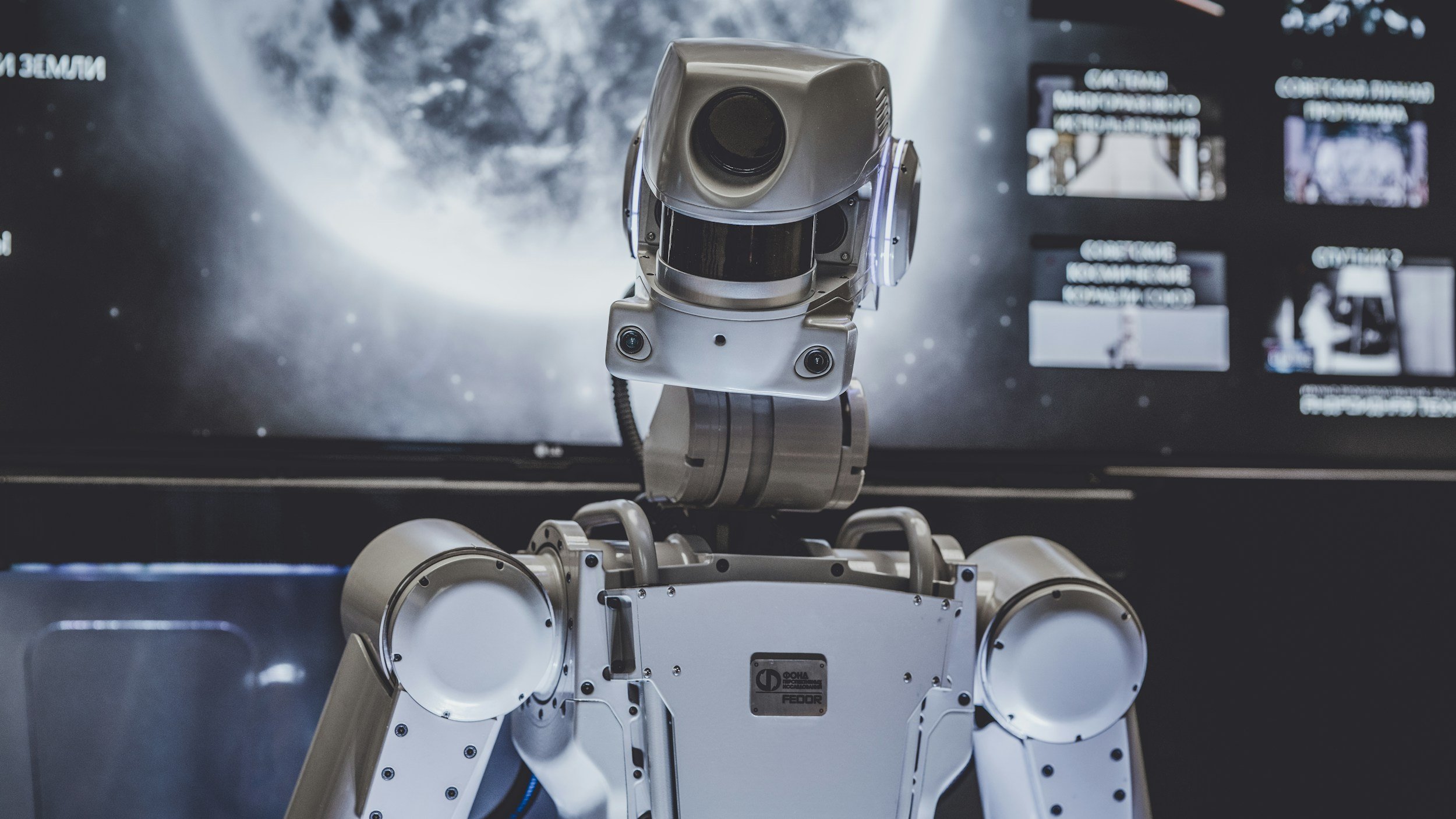
Elon Musk’s 10 Billion Robot Forecast Drives 2025 Debate as Tesla Scales Up AI Robotics
In May 2025, Elon Musk’s forecast of a world with 10 billion humanoid robots continues to shape debate. As Tesla ramps up Optimus production and robotic surgery advances, the implications for society, industry, and AI regulation remain in focus.

Nvidia to Deliver 18,000 AI Chips to Saudi Humain for 500MW Data Center, Boosting AI Ambitions
Nvidia has announced a major deal to supply 18,000 Blackwell GB300 AI chips to Humain, a Saudi AI startup, for use in a new 500-megawatt data center. The agreement marks a significant step in Saudi Arabia’s Vision 2030, aiming to drive digital transformation and position the country as a regional leader in artificial intelligence.