


AI Technology Boosts Conservation of Threatened Woodland Birds in Australia
Charles Sturt University researchers have introduced an AI-based system that automates the identification of woodland bird calls, streamlining conservation efforts across Australia. The technology delivers real-time data on species distribution, supporting more effective habitat protection and recovery strategies for at-risk bird populations.

AI-Powered Satellite Monitoring Enhances Detection of Harmful Algal Blooms in Inland Waters
A recent study introduces an artificial intelligence system that integrates satellite data and climate variables to monitor harmful algal blooms in inland waters. This technology offers faster, large-scale detection of blooms, helping authorities manage risks to ecosystems, public health, and local economies.

How AI Is Making Cities Cleaner and More Efficient: Real-World Applications in Urban Planning
Artificial intelligence is increasingly used in urban planning to monitor air quality, optimize energy use, manage smart grids, and improve waste collection. This report explores verified case studies and discusses both the benefits and challenges of AI adoption for more sustainable and efficient cities.

AI-Powered FengShun-CSM Model Delivers 60-Day Global Weather Forecasts for Better Planning
Chinese researchers have introduced FengShun-CSM, an advanced AI climate model capable of forecasting global weather conditions up to 60 days ahead. This new tool promises to enhance disaster response and agricultural planning by providing more accurate predictions of rainfall and land surface conditions.

Berkeley Lab Integrates AI to Advance Materials, Energy, and Climate Science Research
Lawrence Berkeley National Laboratory has adopted artificial intelligence across multiple research areas, including materials discovery, climate data analysis, and biofuel production. While AI improves efficiency and enables new scientific approaches, ongoing challenges include data quality, algorithm transparency, and funding stability.

AI Model EnviroPiNet Offers New Way to Predict Water Filter Performance
The EnviroPiNet model uses artificial intelligence and physics-based ratios to predict how well water filters will remove pollutants. The approach, developed at the University of Glasgow, offers more accurate and understandable predictions than traditional models.

AI-Powered XenoBug by IISER Bhopal Identifies Bacterial Enzymes for Environmental Cleanup
Researchers at IISER Bhopal have introduced XenoBug, an AI-powered platform designed to identify bacterial enzymes for breaking down environmental pollutants. This web-based tool aims to accelerate bioremediation strategies and offers scientists a new approach to environmental cleanup.

AI Weather System Delivers Fast, Accurate Forecasts Without Supercomputers
Aardvark Weather is a new AI-powered forecasting system that delivers accurate weather predictions using standard computers, eliminating the need for supercomputers. Developed through a global collaboration, it offers a faster, more accessible solution for weather and climate challenges worldwide.

AI Breakthrough in Biodiversity Conservation at McGill University: New Study Highlights Potential
McGill University’s study explores the transformative potential of AI in biodiversity conservation. By analyzing complex data, AI helps bridge critical gaps in knowledge about species distributions and ecosystem health. The research also discusses practical applications, challenges, and ethical considerations for AI in conservation efforts.
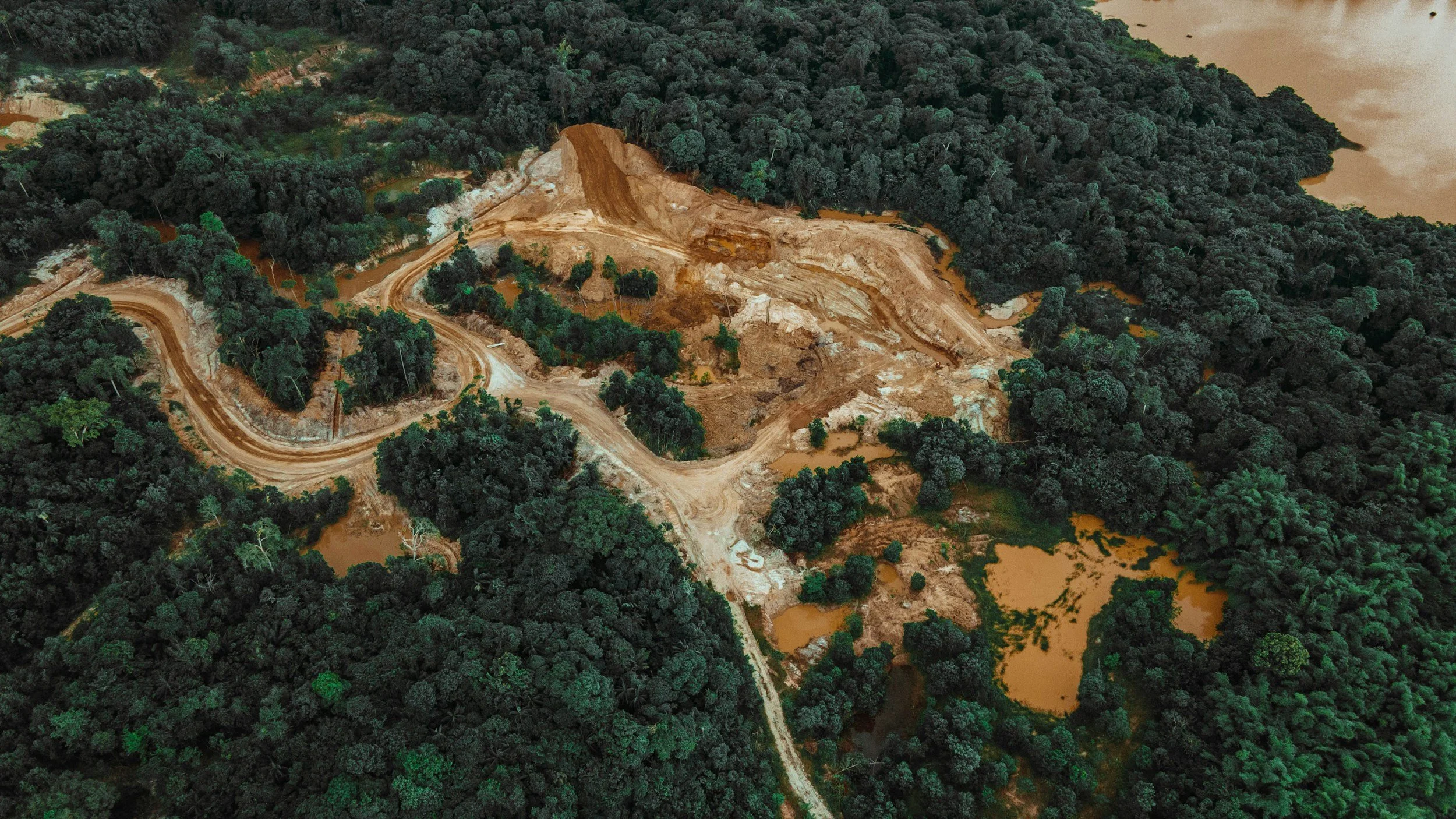
AI-Environmental Journalism Model Enhances Real-Time Hazard Detection and Reporting
The AI-Environmental Journalism Integration Model (AEJIM) is transforming real-time environmental reporting by integrating AI with community input. This innovative approach enhances accuracy, fills monitoring gaps, and supports global decision-making. However, it faces challenges like data reliability and fairness, highlighting the need for ethical AI journalism.

AI-Driven Hydrogen Catalyst Boosts Efficiency, Cutting Costs for Clean Energy Future
Researchers have developed an AI-guided catalyst that enhances hydrogen production, increasing efficiency while lowering costs. Using cobalt phosphide modified with fluorine, this breakthrough could help make hydrogen a viable clean energy solution, supporting global climate goals. The technology has shown durability in tests and may revolutionize hydrogen use in transportation and manufacturing.

AI-Powered Smart Cities: New Study Highlights Transformative Potential and Research Trends
A comprehensive bibliometric study published in Urban Science analyzes nearly 5,000 research papers to map the evolving role of artificial intelligence in smart cities. From optimizing transportation and energy use to monitoring air quality and enhancing public safety, AI is driving urban innovation across disciplines and continents. With emerging trends like digital twins and blockchain integration, the report also raises key ethical and regulatory considerations that must be addressed for sustainable development.

AI Accelerates Mineral Discovery in Australia: Earth AI Finds New Deposits
Artificial intelligence is reshaping mineral exploration. In Australia, Earth AI has identified promising deposits of copper, cobalt, gold, and more using historical data and advanced algorithms. While these findings offer hope for meeting rising global demand, their commercial viability is still under review.

AI Aids Wildlife Conservation: Monitoring Endangered Species with Acoustic Technology
Artificial intelligence is reshaping wildlife conservation by enabling scientists to monitor endangered species more efficiently. In Costa Rica and Colombia, AI-powered acoustic tools are being used to track animals like spider monkeys and jaguars, offering insights into habitat health and guiding policy decisions.

AI Traffic Tech Slashes Emergency Response Times in U.S. Cities with LYT's Smart System
A new AI-driven traffic management system by LYT is helping emergency vehicles cut through congestion by turning traffic lights green in real time. Already adopted in several U.S. cities, this cloud-based platform is improving emergency response times and showing potential for broader use during events and severe weather conditions.

Microsoft’s AI for Science Lab Accelerates Breakthroughs in Drug Discovery & Climate Research
In a bold move to reshape scientific research, Microsoft’s AI for Science lab, headed by physicist-turned-AI-expert Christopher Bishop, is leveraging artificial intelligence to accelerate discoveries in areas like drug development, sustainable energy, and climate solutions. From developing powerful tools like TamGen to pioneering AI emulators for weather prediction, the lab is redefining how science is done in the age of AI.
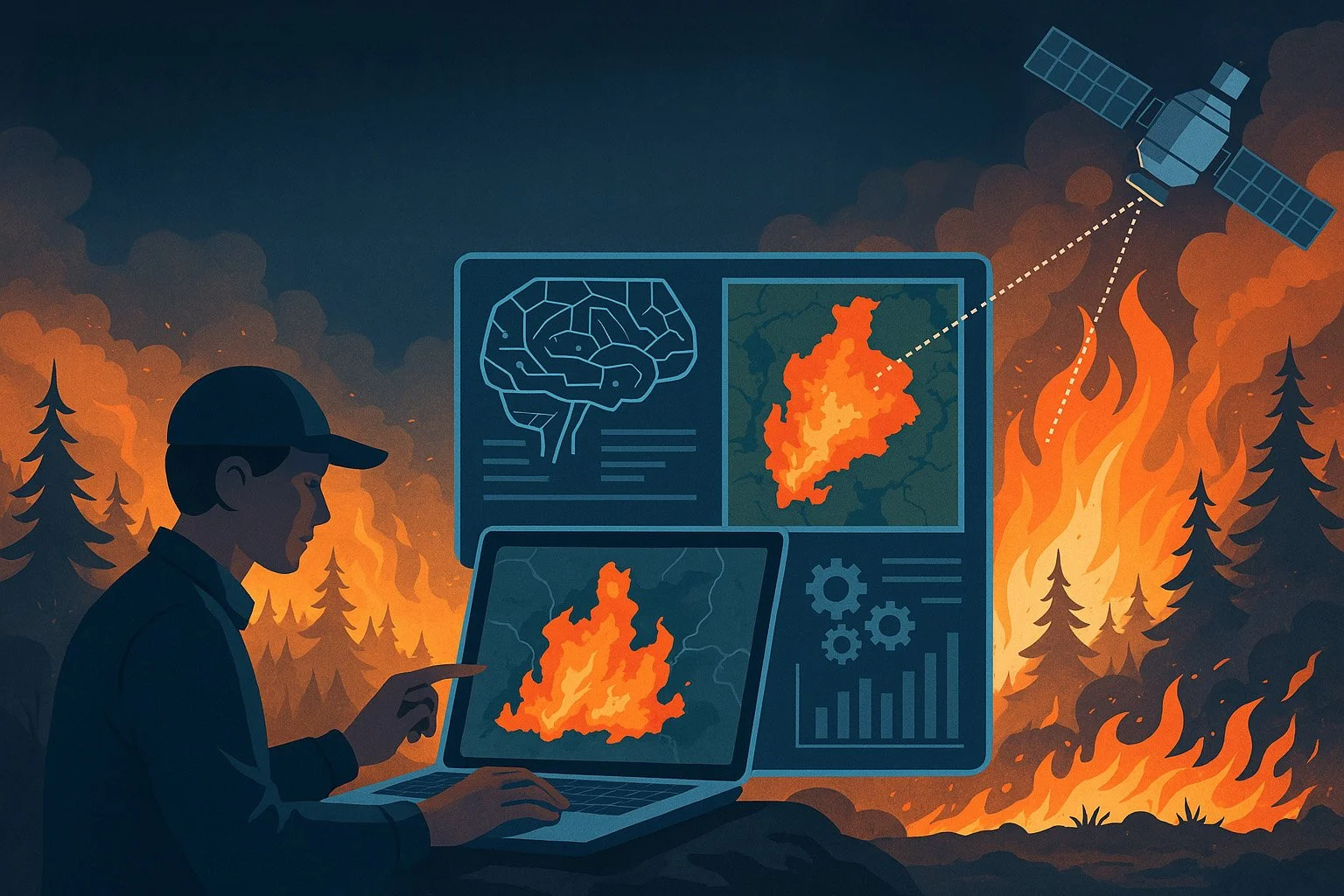
California Partners with AI-Powered FireSat Network for Faster Wildfire Detection and Response
To combat intensifying wildfires, Cal Fire is collaborating with the AI-powered FireSat network. Supported by Google and the Moore Foundation, the satellite system uses AI-driven infrared analysis to detect fires faster, providing essential data to guide emergency responses and protect communities.

AI-Powered HVAC Systems: A Step Toward Energy Efficiency in Buildings
Heating and cooling buildings accounts for 18% of global energy use—but AI could help reduce that. From New York to Stockholm, smart HVAC systems are slashing energy costs and carbon emissions. Yet, concerns about AI's own power consumption and environmental toll highlight the need for balanced solutions.

AI Technology Aids Ocean Microplastic Research
Scientists at Monash University have introduced an AI-driven tool to tackle microplastic pollution in oceans. This groundbreaking technology swiftly identifies plastic chemical signatures and contamination levels, addressing data gaps in marine pollution research. With potential applications in freshwater and land-based studies, the innovation could reshape global efforts to monitor and reduce plastic waste.

AI Tools Shape Efforts to Combat Air Pollution, Raise Energy Concerns
AI is reshaping efforts to tackle air pollution and climate change, offering precise tools to reduce PM2.5 and greenhouse gases, per a March 12, 2025 report. The EPA’s new 9.0 µg/m³ standard aims to save lives, but AI’s growing energy use—tripling data center emissions since 2018—poses risks. Solar panels’ efficiency evolution suggests a path forward, if AI can follow suit.