


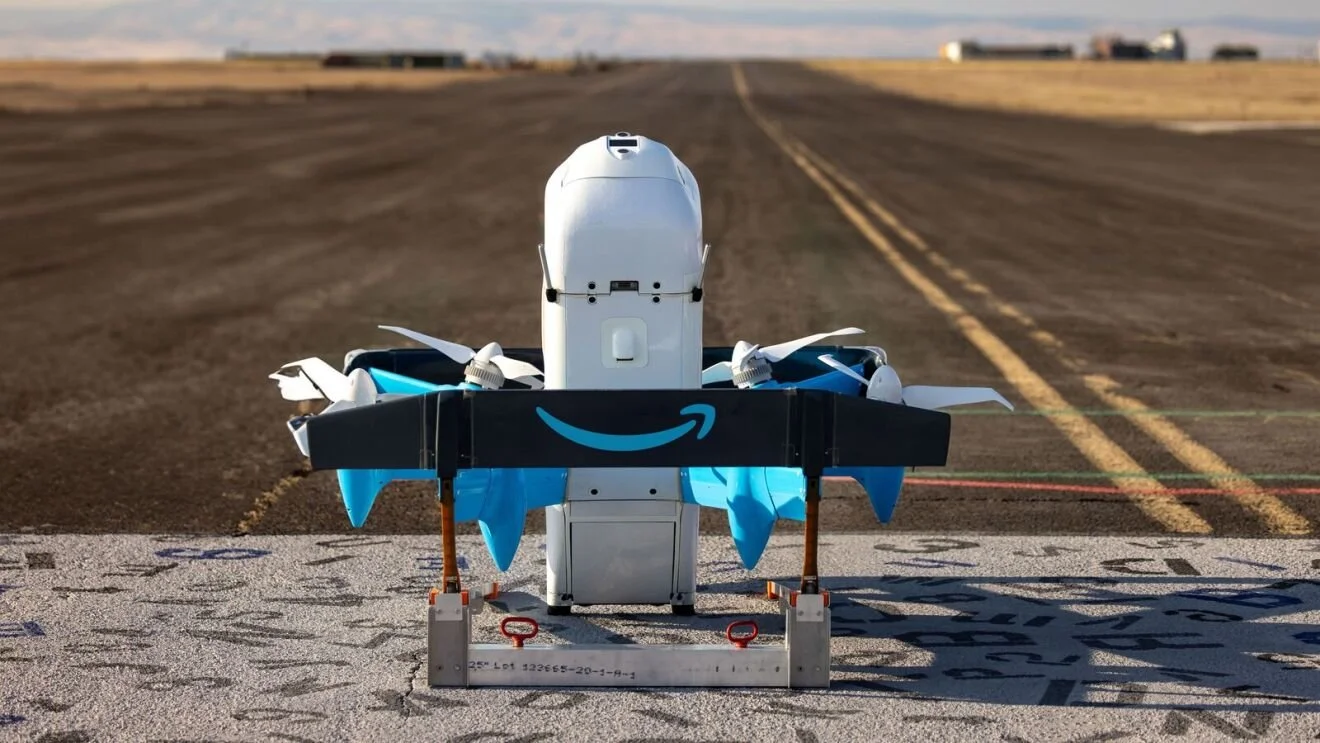
Amazon MK30 Drone Crashes Expose AI Navigation Risks, Prompt FAA-Approved Safety Overhaul
Two Amazon MK30 drones crashed during test flights in Oregon, revealing vulnerabilities in AI-powered navigation systems. Following a safety review and FAA-approved software updates, Amazon resumed limited drone deliveries. The incidents highlight industry challenges in balancing innovation with operational safety.

House Republicans Propose 10-Year Ban on State AI Laws, Sparking Debate on Privacy and Innovation
House Republicans have introduced a bill to halt state-level AI regulations for a decade, seeking to unify oversight under federal law. Supporters argue this will drive innovation, while critics express concerns about privacy, consumer protections, and the impact on existing state regulations. The proposal faces uncertain prospects in the Senate.
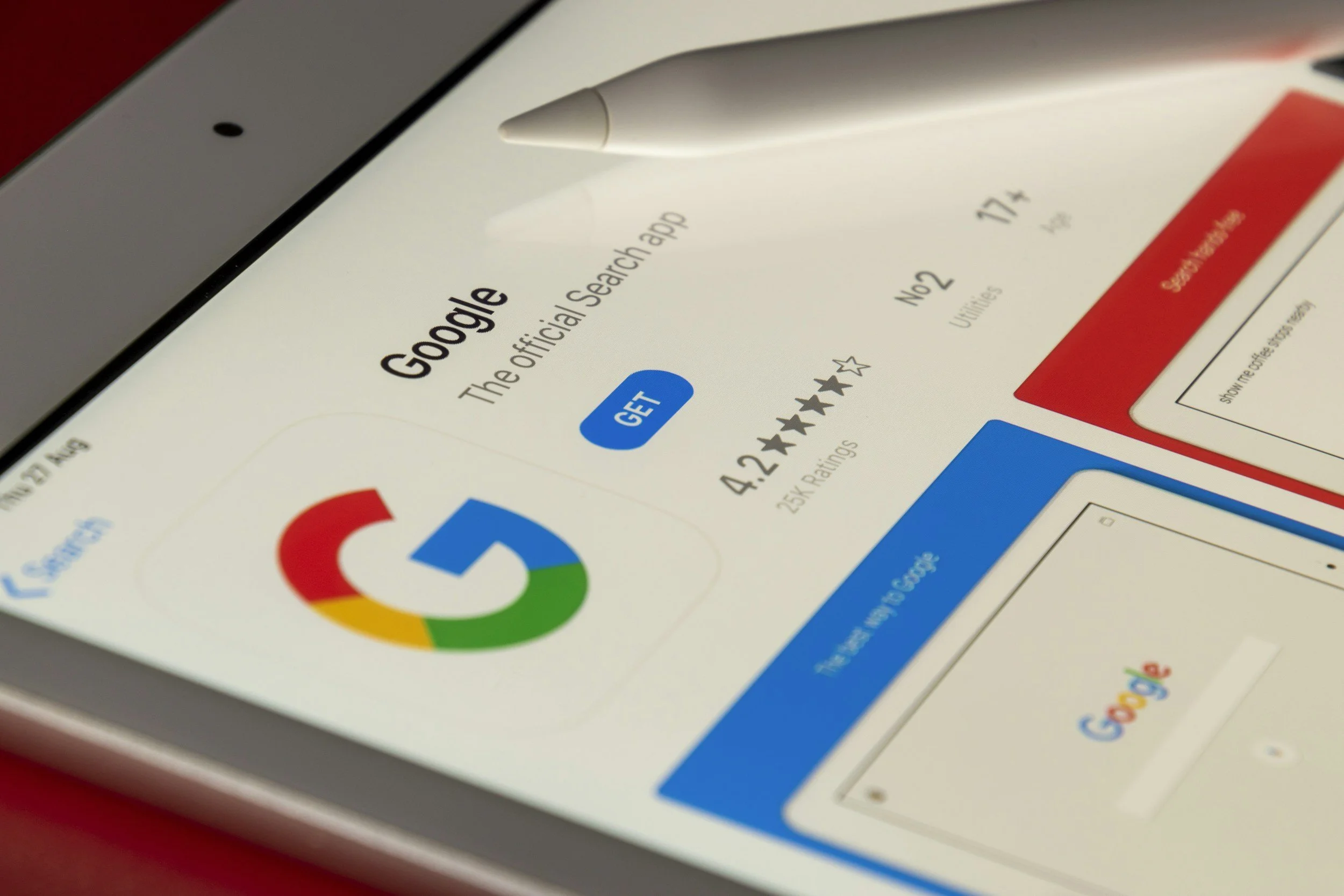
Google Tests AI Mode in Search, Experimenting With ‘I’m Feeling Lucky’ Button Replacement
Google’s new AI Mode in Search introduces a conversational interface powered by Gemini 2.0, currently available to select U.S. users through Search Labs. The experimental feature is being tested as a possible replacement for the “I’m Feeling Lucky” button, aiming to enhance the search experience with AI-generated answers.

Saudi Arabia Unveils 'Humain' AI Initiative to Drive Vision 2030 and Global Tech Leadership
Saudi Arabia has introduced Humain, a new state-backed AI company led by Crown Prince Mohammed bin Salman and supported by major global tech firms. The initiative aims to accelerate the kingdom’s AI capabilities, focusing on Arabic language models, advanced data centers, and international partnerships to align with Vision 2030.

Nvidia to Deliver 18,000 AI Chips to Saudi Humain for 500MW Data Center, Boosting AI Ambitions
Nvidia has announced a major deal to supply 18,000 Blackwell GB300 AI chips to Humain, a Saudi AI startup, for use in a new 500-megawatt data center. The agreement marks a significant step in Saudi Arabia’s Vision 2030, aiming to drive digital transformation and position the country as a regional leader in artificial intelligence.

AI-Powered Drones Revolutionize Sewer Inspections in the United States
Macomb County, Michigan, is pioneering the use of AI-powered drones for sewer inspections, significantly reducing costs and enhancing data accuracy. This cutting-edge approach aims to prevent costly infrastructure failures and streamline maintenance efforts, positioning the county as a leader in public works innovation.

California Drone Regulations in 2025: AI Technology Drives Compliance and Safety
In 2025, California’s unmanned aerial systems framework marries federal FAA mandates with cutting-edge AI technologies. Operators must register and pass the TRUST exam, broadcast Remote ID, and secure airspace via LAANC, while AI-powered navigation and enforcement systems enhance safety and adherence to local privacy and restricted-area rules.
U.S. Congress Passes Take It Down Act to Combat AI-Generated Deepfakes and Revenge Porn
On April 28, 2025, Congress passed the Take It Down Act with overwhelming bipartisan support. This new law addresses the spread of non-consensual intimate imagery, including AI-generated deepfakes, by mandating swift removal and criminalizing such acts. The legislation marks a federal push to regulate online content but raises free speech and enforcement concerns.

AI May Be the Key to Preventing Drone-Airplane Collisions as Near Misses Surge in U.S. Skies
Near midair collisions between drones and commercial aircraft are rising across U.S. airports, prompting urgent calls for better enforcement and technological solutions. While geofencing and FAA rules help, experts believe AI may offer scalable, real-time responses to keep skies safer.
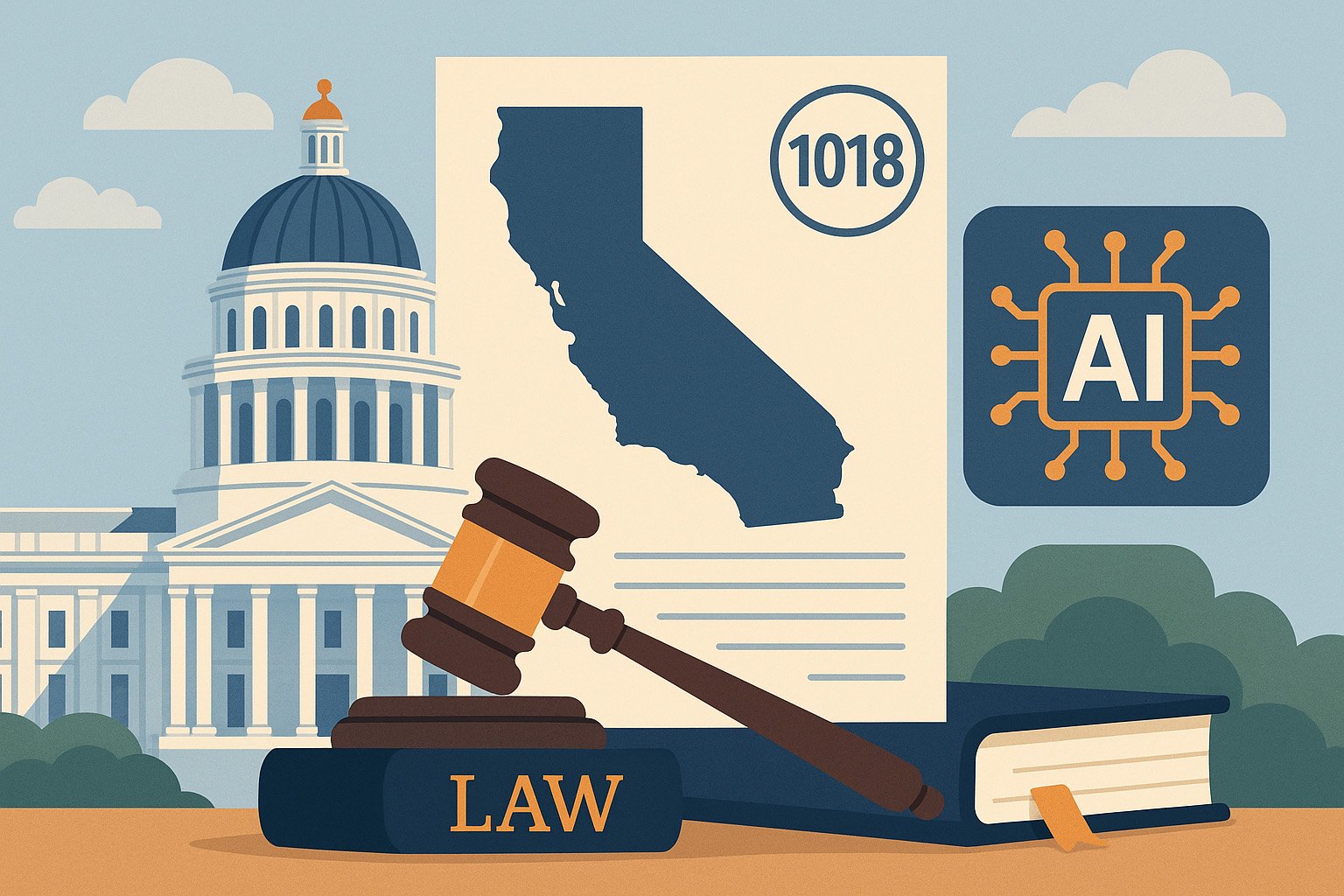
California Proposes AB 1018 to Regulate AI in Jobs, Healthcare and Essential Services
California has introduced Assembly Bill 1018 to regulate AI-powered decision systems across sectors like employment, healthcare, and housing. The bill proposes strict requirements for transparency, fairness, and accountability, including audits, user notifications, and opt-out options. If passed, it could set a new standard for AI governance in the U.S.

YouTube Introduces AI-Powered 'Music Assistant' for Custom, Copyright-Free Tracks
YouTube has launched Music Assistant, a new AI-powered tool designed to help creators generate customizable, copyright-safe instrumental tracks using simple text prompts. As part of the Creator Music marketplace, this feature aims to streamline video production by removing music licensing hurdles.

AI Traffic Tech Slashes Emergency Response Times in U.S. Cities with LYT's Smart System
A new AI-driven traffic management system by LYT is helping emergency vehicles cut through congestion by turning traffic lights green in real time. Already adopted in several U.S. cities, this cloud-based platform is improving emergency response times and showing potential for broader use during events and severe weather conditions.

Global AI Guidelines: How the US, EU, and China Are Shaping the Future of AI Governance
Governments and organizations worldwide are racing to define ethical AI standards. From the EU’s strict AI Act to China’s content labeling rules and the U.S.’s deregulation shift under Trump, this report explores how different regions are addressing AI risks, transparency, and innovation through mandatory laws and voluntary frameworks.
Brennan Center Urges AI Safeguards to Protect U.S. Democracy Post-2024 Election
In its latest report, the Brennan Center for Justice highlights how generative AI shaped the 2024 elections and offers a bold roadmap to protect democracy in the AI era. With federal AI policy in flux, the report urges states to lead efforts in ensuring transparency, accountability, and electoral integrity.

US Court Rules AI-Generated Art Cannot Be Copyrighted, Affirming Human Authorship in Landmark Case
A U.S. federal appeals court has ruled that AI-generated artworks without human input cannot be copyrighted, upholding the longstanding legal principle that only human creators qualify for copyright protection. The decision follows Stephen Thaler’s challenge to register an AI-created image and underscores the ongoing global debate about AI’s role in intellectual property.
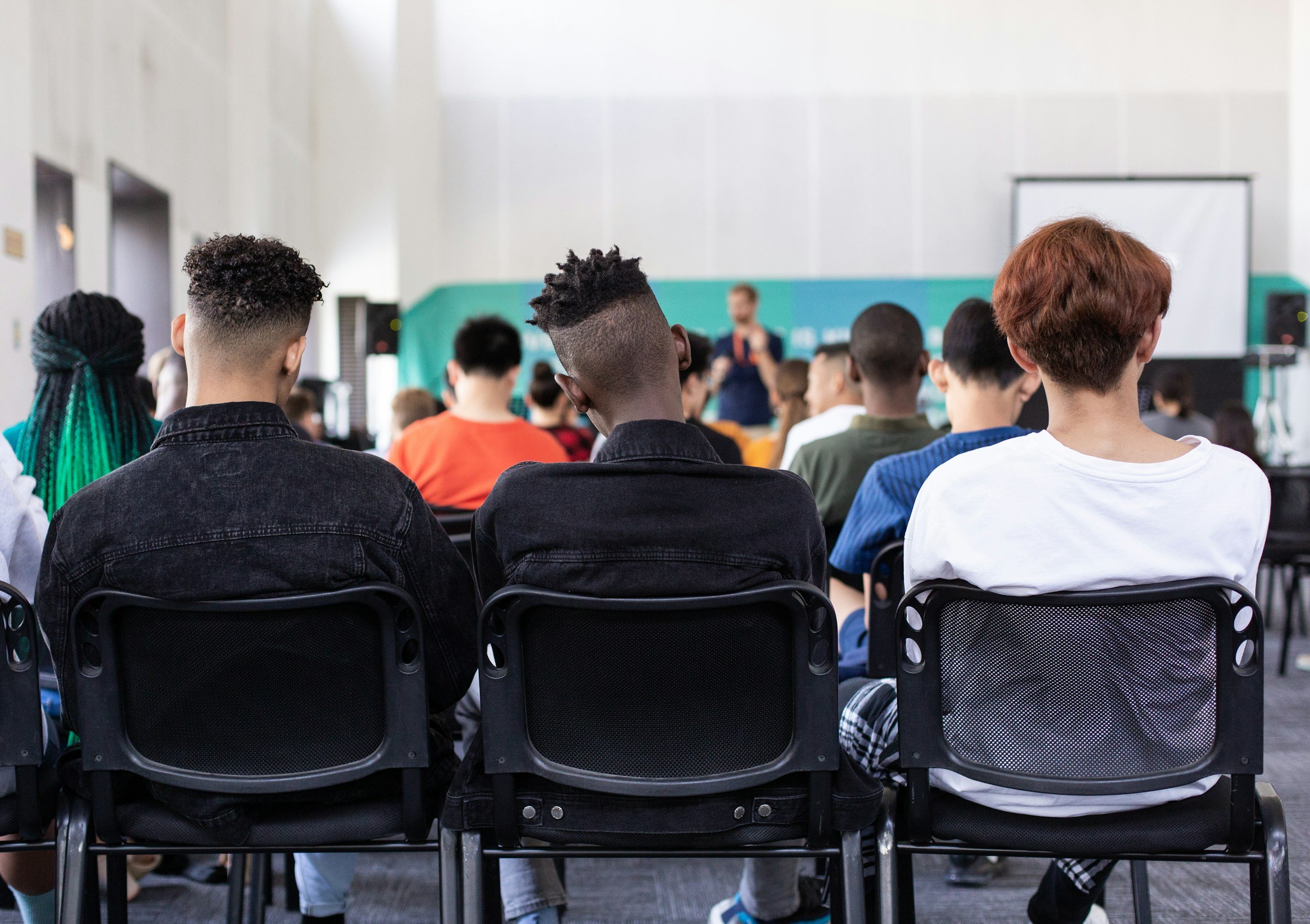
AI Surveillance in U.S. Schools: Safety Tool or Privacy Risk?
AI-powered student monitoring is growing in U.S. schools, aiming to prevent bullying and self-harm. However, data breaches and unintended privacy violations raise concerns about security and trust. While some argue these tools save lives, critics question their effectiveness and impact on student well-being. Is AI surveillance the future of school safety or a risk to privacy?

U.S. Copyright Office Issues Guidance on AI-Generated Works
The U.S. Copyright Office has ruled that AI-generated works require human authorship for copyright protection, setting a low creativity threshold. This landmark guidance, shaped by over 10,000 public comments, signals a case-by-case approach, leaving artists and tech innovators to navigate a complex legal landscape ahead.

The Global AI Battle: Why the West Is Targeting China’s AI Industry
As global concerns over AI security intensify, China’s AI sector faces heightened scrutiny over data privacy, surveillance, and geopolitical influence. While Beijing defends its AI governance, nations worldwide are tightening regulations, restricting Chinese firms, and investing in domestic AI development. Amid restrictions, China is forging AI partnerships in Africa and Southeast Asia to expand its global influence.

Paris AI Summit: US and UK Decline to Sign Global AI Declaration
At the Paris AI Action Summit, the US and UK refused to sign a global AI governance declaration, citing concerns over excessive regulation and national security risks. While 60 nations backed the agreement, French President Emmanuel Macron stressed the need for international cooperation to ensure fair and inclusive AI development.

Andrew Forrest Facilitates Historic US-China AI Security Dialogue
Australian billionaire Andrew Forrest leads groundbreaking US-China discussions on AI's impact on military and nuclear security. Hosted by Brookings Institution and Tsinghua University, the talks explore AI's dual potential while emphasizing global collaboration and civilian safety.