



Australia’s Drone Cyber Blind Spot: Zero Recorded Incidents, Rising Hidden Risks
A new report by the University of Canberra and DroneShield identifies no recorded domestic drone-enabled cyber incidents in Australia to date, though researchers warn that limited detection capabilities may be obscuring the true threat landscape. This analysis examines the report's findings on critical infrastructure vulnerabilities, the role of AI in drone operations, and the Australian Government's recent regulatory updates regarding counter-drone enforcement and safety.

UK Fast-Tracks AI Drones & Defence Tech by Cutting Regulatory Red Tape
On January 16, 2026, the UK government expanded the Regulatory Innovation Office's (RIO) remit to prioritize robotics and defence technologies. The announcement includes a new "Front Door" pilot designed to identify and reduce cross-regulator barriers that delay the deployment of autonomous systems, such as inspection drones. This initiative seeks to coordinate approvals across aviation, data protection, and sector-specific safety authorities to streamline the path to market for AI-enabled technologies.
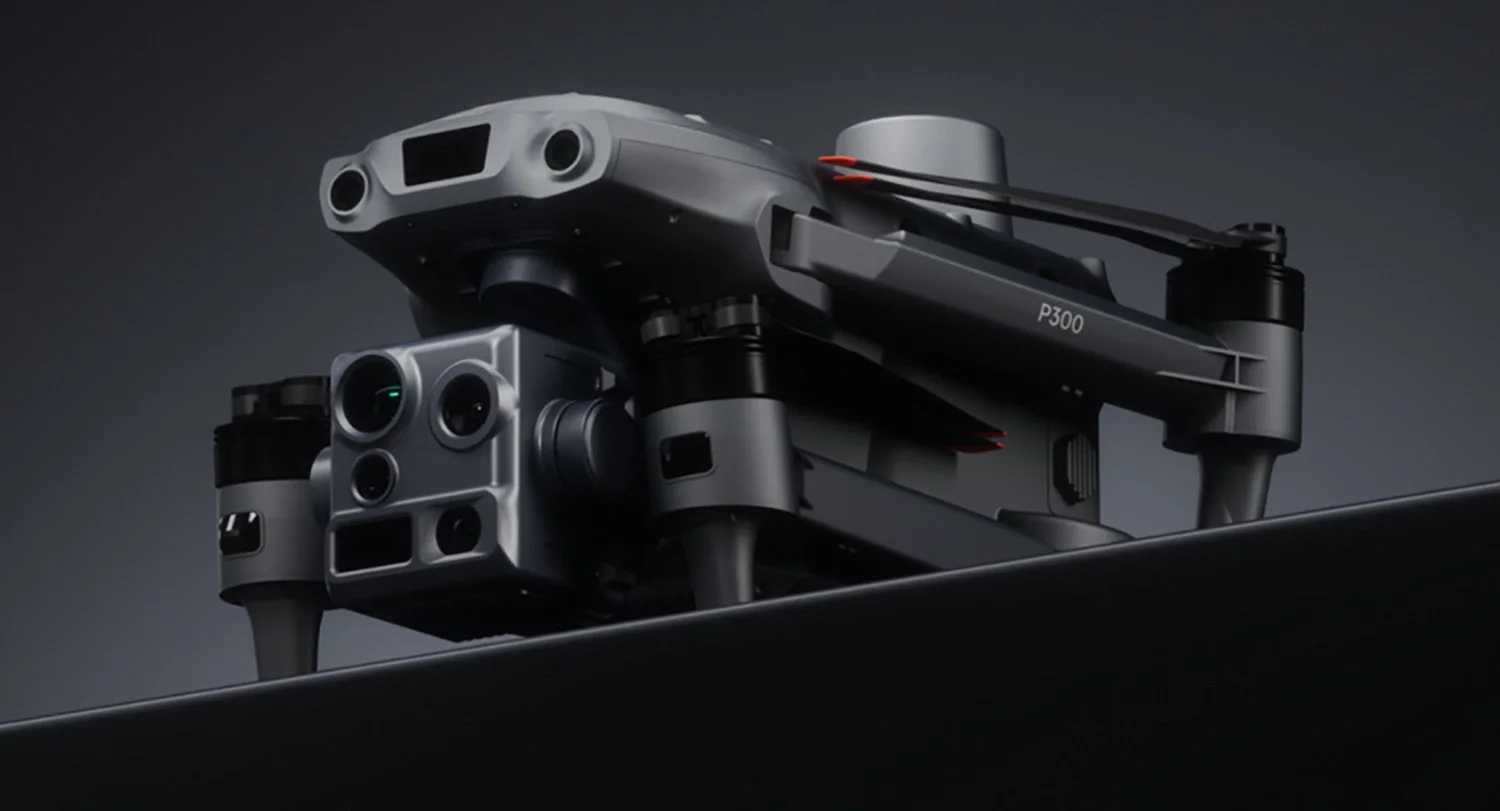
GDU Unveils UAV P300 at CES 2026: AI Vision Cuts Through Fog
GDU has introduced the UAV P300 at CES 2026, an enterprise drone targeting the public safety and infrastructure sectors. This report details the manufacturer's claims regarding AI-enhanced visibility in adverse weather, obstacle avoidance technology, and autonomous navigation. It also examines how the P300 compares to competitor models from DJI and Skydio, while noting relevant regulatory factors that may impact availability.

Iron Beam Delivered: Israel Adds High-Power Laser to Air Defense Network
Israel’s Ministry of Defence officially handed over the first operational Iron Beam system to the IDF in late December 2025. Developed by Rafael Advanced Defense Systems, the high-power laser is designed to neutralize aerial threats such as drones and mortars using thermal sensors and real-time computing. It will operate alongside the Iron Dome as a cost-effective, software-driven defense layer, with serial production now underway.
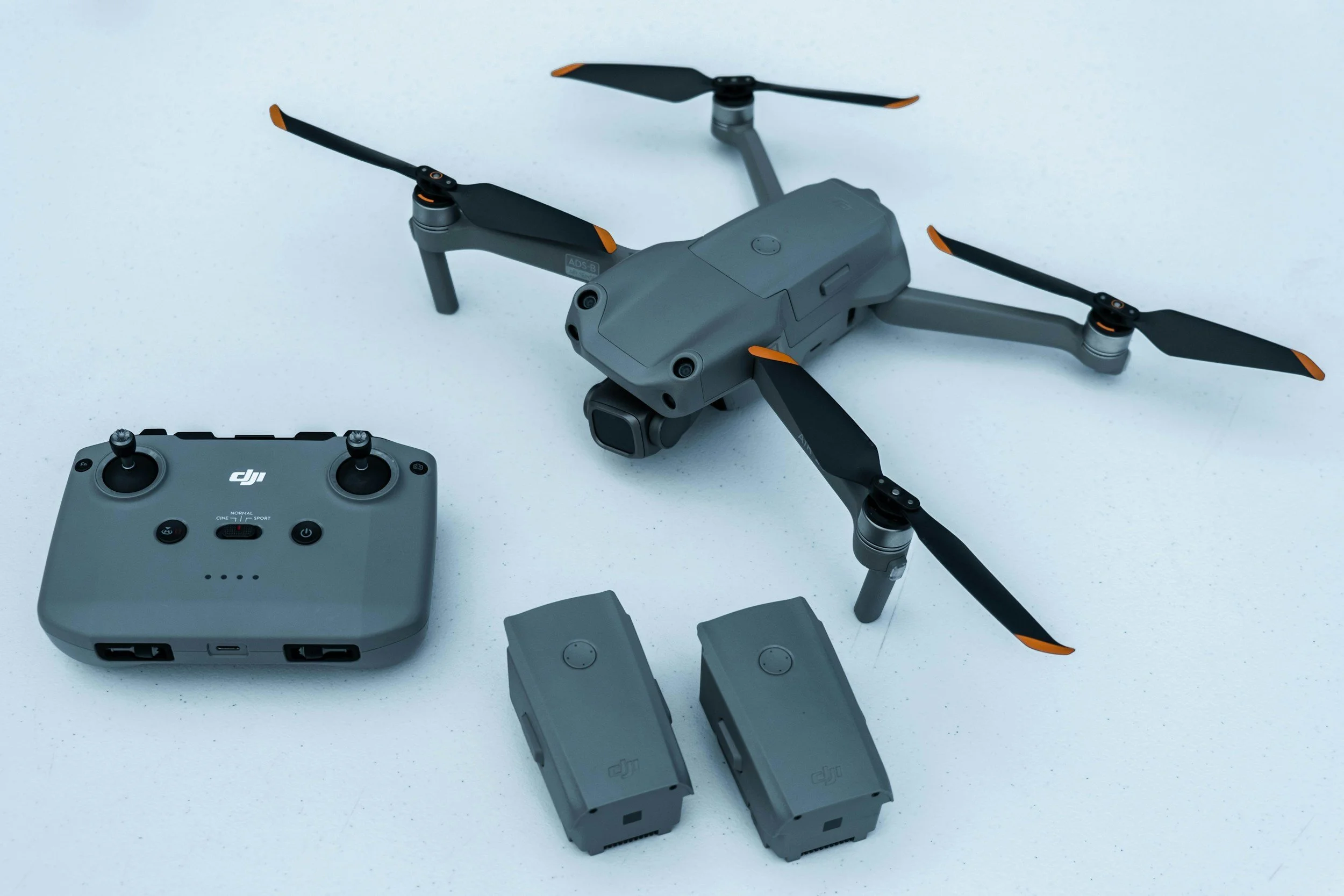
FCC Blocks New Foreign Drone Approvals: Major Shift for US UAS Supply Chains
On 22 December 2025, the U.S. Federal Communications Commission (FCC) expanded its "Covered List" to include foreign-made uncrewed aircraft systems (UAS) and their critical components. This regulatory change prevents new drone models from receiving the equipment authorizations required for legal import and sale in the United States, although it does not impact drones already in use or previously authorized models. The decision follows a national security determination citing risks related to unauthorized surveillance and data exfiltration. Notably, the new restrictions encompass "associated software," directly affecting the digital stack that powers modern AI-assisted navigation and perception in autonomous flight systems.
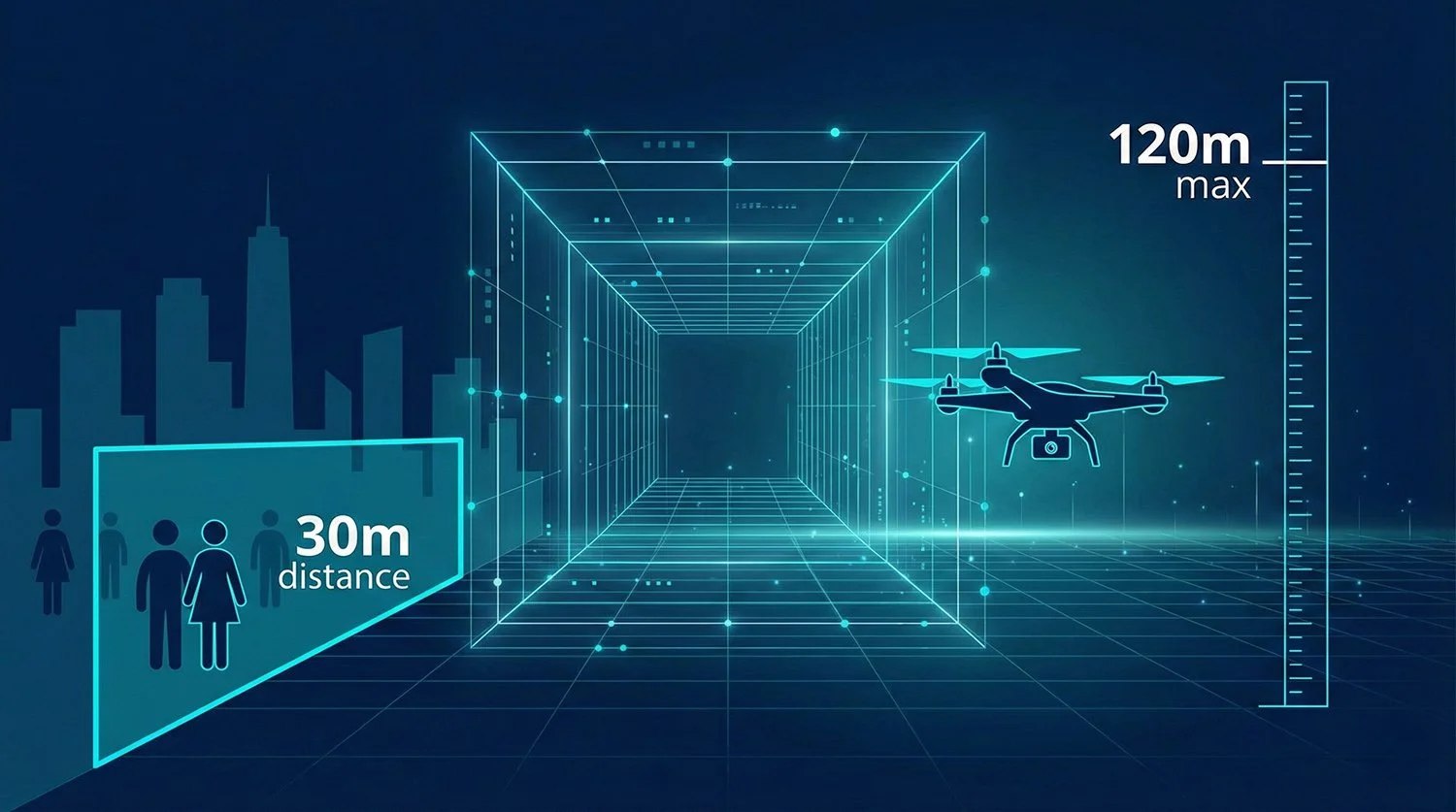
CASA Drone Safety Rules: Essential Guidelines for New Pilots in Australia
As drone gifts surge during the holiday season, Australia’s Civil Aviation Safety Authority (CASA) highlights the importance of operator accountability. While AI-driven features like obstacle avoidance simplify flight, they do not exempt pilots from legal requirements such as maintaining visual line of sight and staying clear of restricted airspace. This report details current safety regulations, enforcement penalties, and the ongoing digital transition toward automated airspace approvals.
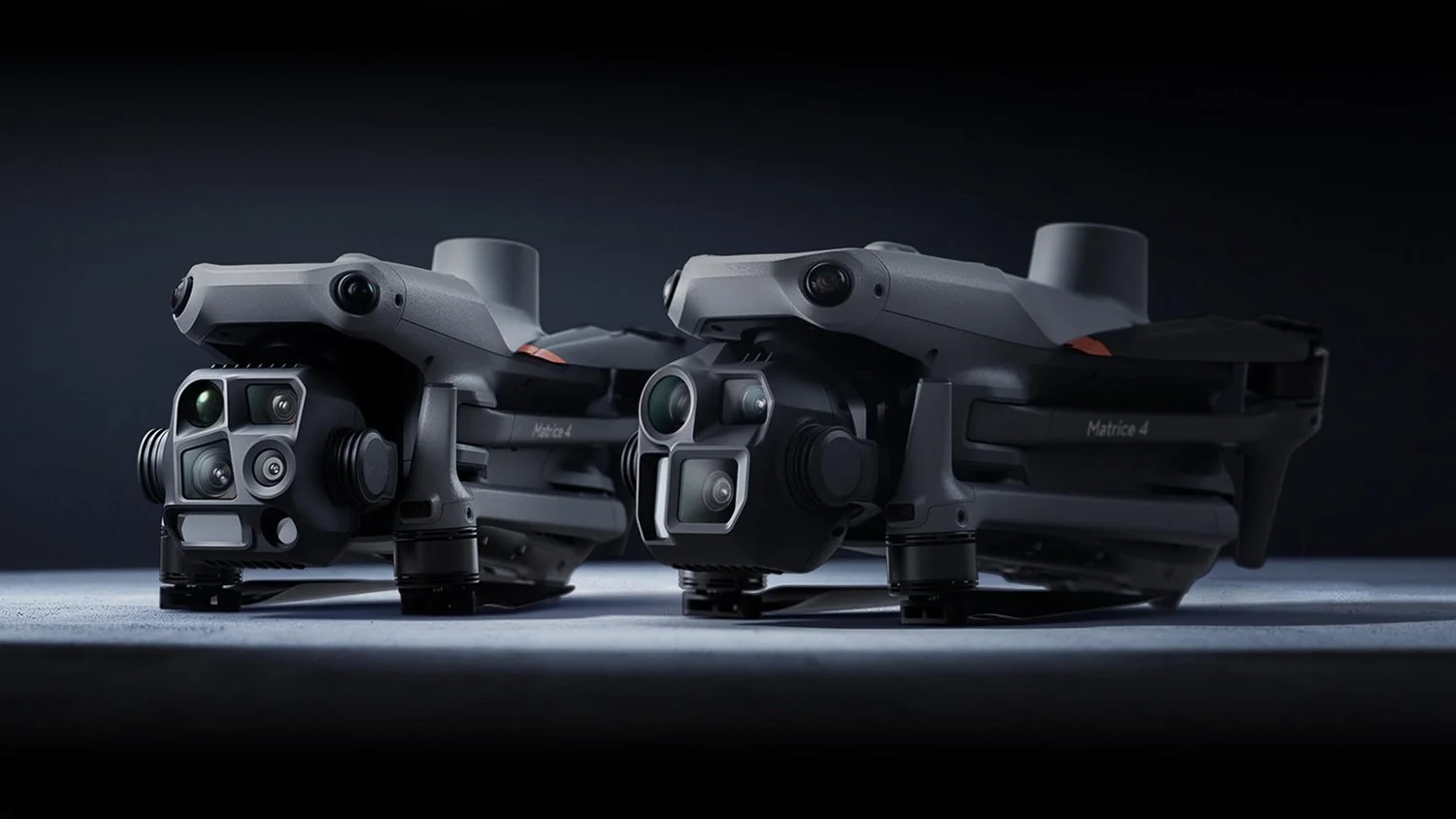
DJI Matrice 4 Update: New Multimodal AI Detection and Automated Patrol Actions
The December 11, 2025, update for the DJI Matrice 4 Series introduces a more flexible AI detection workflow, allowing operators to configure alerts using text descriptions and reference images. Key enhancements to the Patrol Route system now enable automated responses, such as triggering the AS1 speaker or AL1 spotlight upon object recognition, while expanding support for advanced infrared analytics.
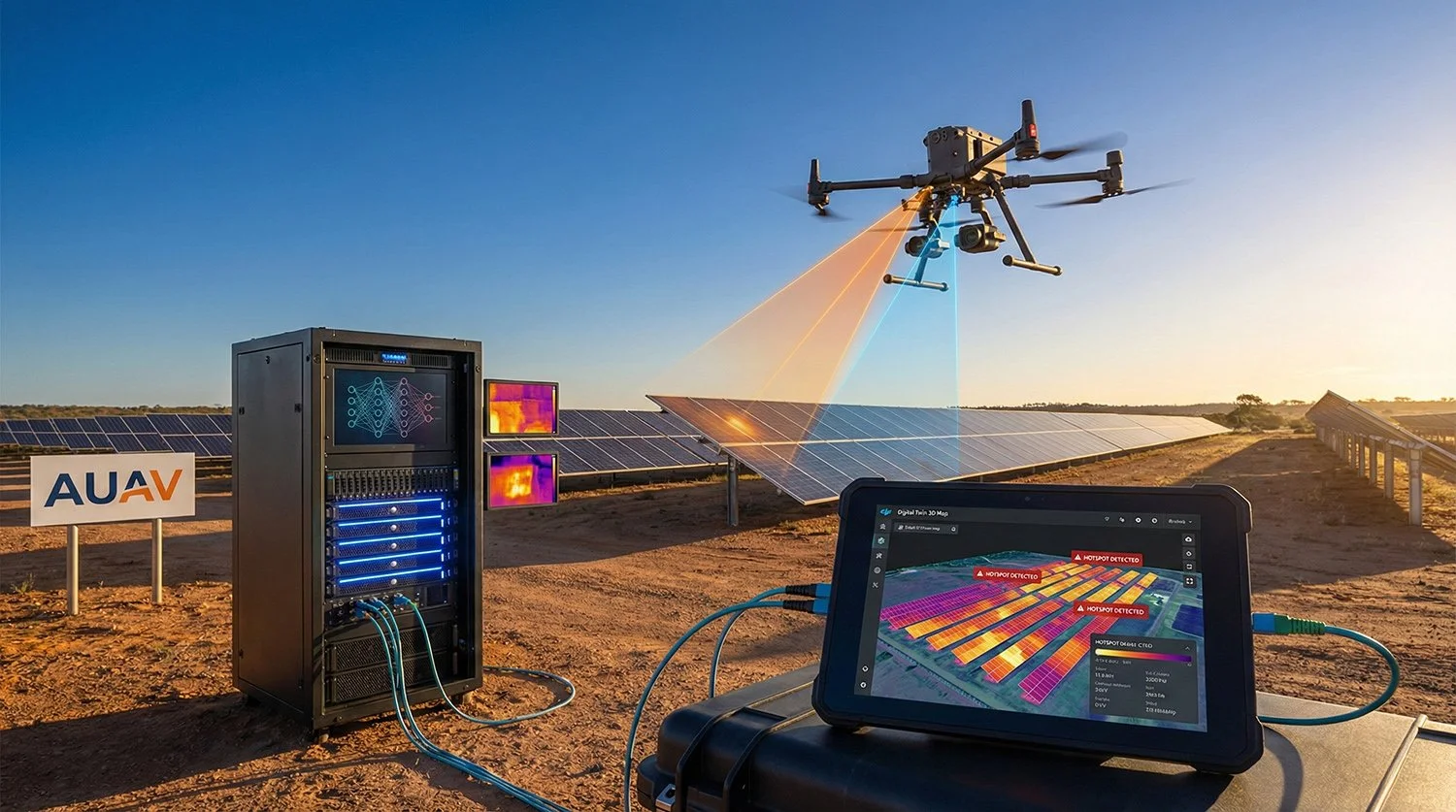
AUAV Outlines AI Driven Drone Inspections for Solar Farms, Using Thermal and Visual Data
Australian drone services provider AUAV has integrated Above Surveying’s SolarGain platform to process inspection data for utility-scale solar farms. The workflow utilizes artificial intelligence to classify thermal anomalies and map them to a site’s digital twin, aiming to improve maintenance efficiency. The report also outlines how this technology aligns with current construction monitoring practices and the Civil Aviation Safety Authority’s (CASA) regulations for remote drone operations.
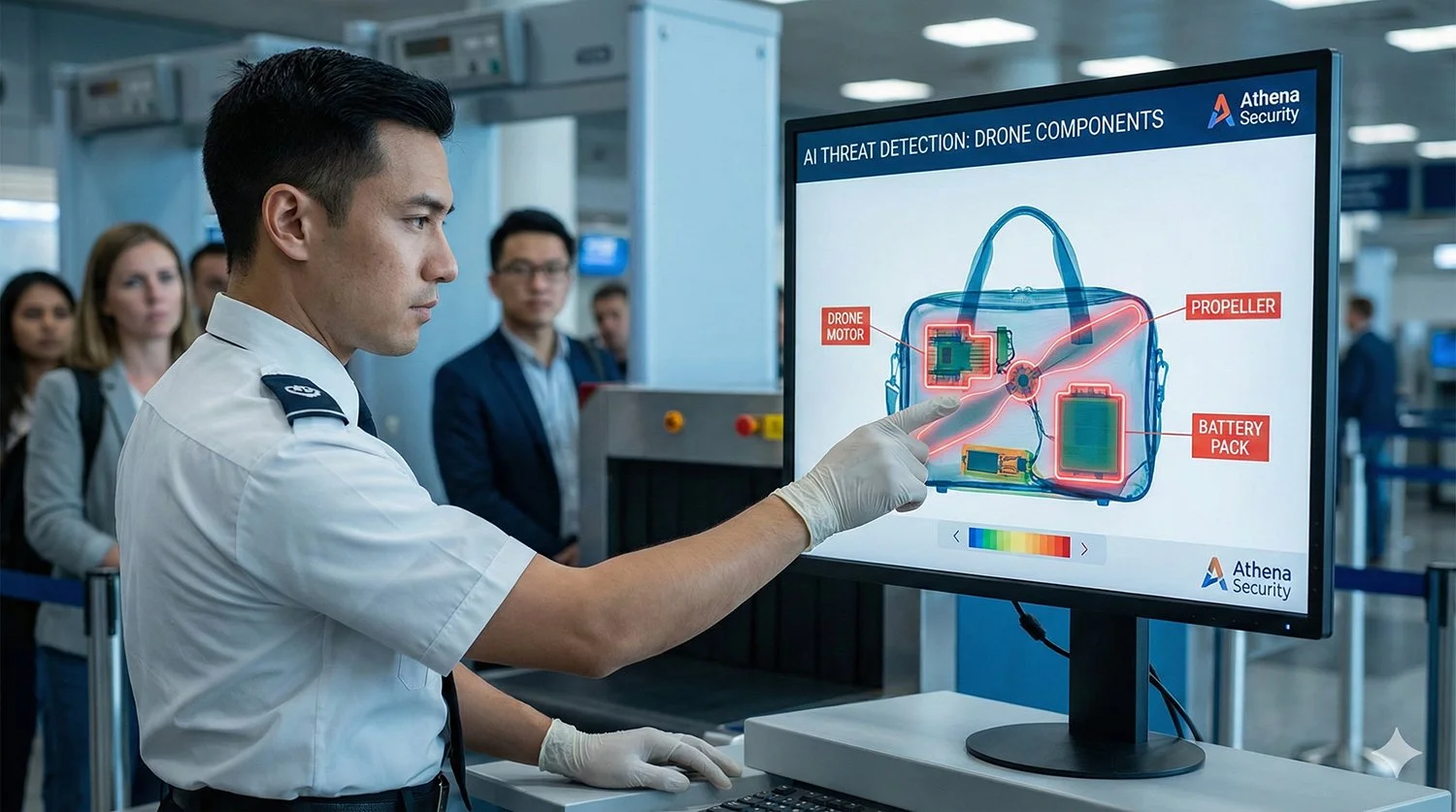
New AI Spots Drone Parts: Addressing 100+ Monthly Airport Threats
Athena Security has announced a new AI model designed to detect disassembled drone components — such as motors and batteries — within existing X-ray screening workflows. The system targets pre-assembly risks at checkpoints, aiming to mitigate threats before unmanned aircraft can be constructed and launched near critical infrastructure.

U.S. Launches 3-Year Counter-Drone Push with 180+ Officials to Tackle AI Threats
On November 25, representatives from more than 50 federal entities—including the FBI, FAA, and military branches—convened to operationalize Joint Interagency Task Force 401 (JIATF 401). Established to address the escalating risks from autonomous and AI-enabled small drones, the task force is charged with synchronizing government efforts and speeding up the procurement of interoperable defensive systems for both homeland security and overseas operations.
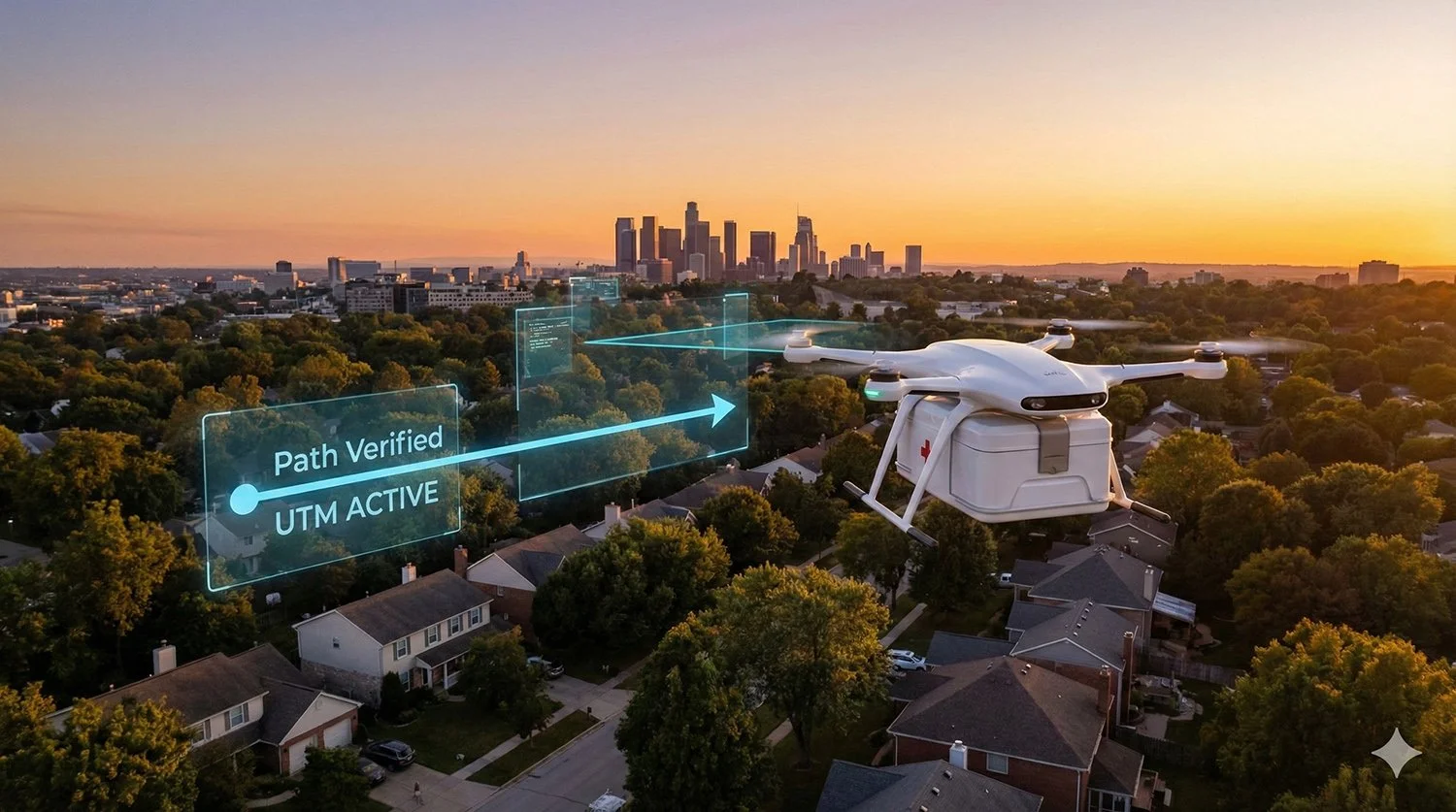
Managing Drone Traffic: AI Systems Target Airspace Below 400 Feet
As commercial drone flights increase, Unmanned Traffic Management (UTM) systems are adopting artificial intelligence to coordinate low-altitude airspace. This report details recent regulatory shifts, including the FAA’s Part 108 proposal, and reviews real-world trials in Europe aimed at reducing collision risks.

Ukraine Deploys USD 2,500 AI Drones to Counter 5,000 Monthly Shaheds
Facing record-breaking barrages of Russian loitering munitions, Ukraine has accelerated the production of low-cost, AI-assisted interceptor drones. Systems such as STING and Octopus are now being fielded to protect airspace and conserve high-value missiles, addressing the critical cost imbalance of modern air defense.
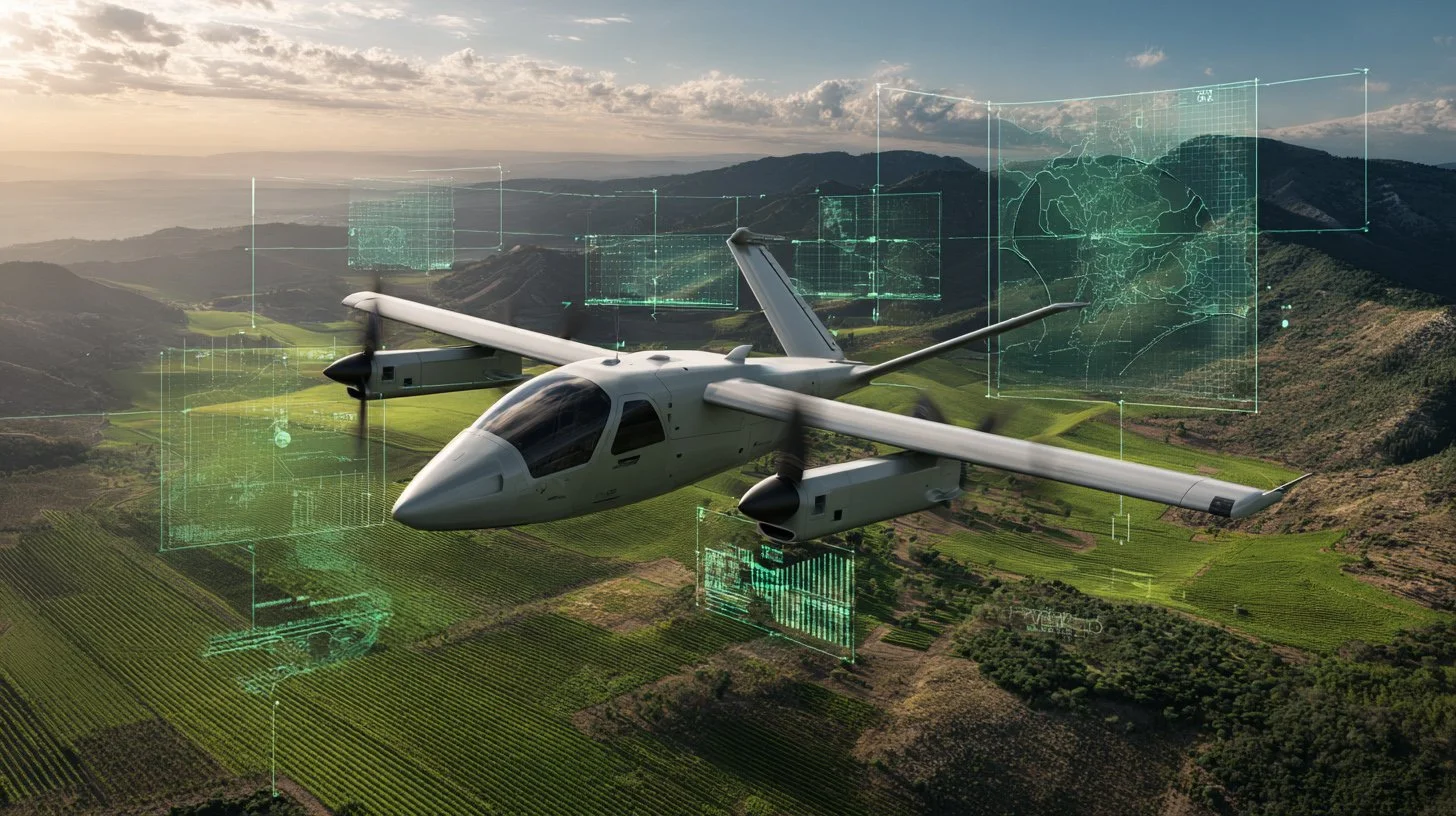
Quantum-Systems Near €3B Valuation as AI Drones Shift From Farming Maps to Military ISR
Quantum-Systems, a German drone maker founded in 2015, has grown from agricultural and mapping missions to supplying AI-enabled ISR systems for European and Ukrainian defence forces. With valuation discussions nearing €3 billion, the company reflects Europe’s accelerating investment in dual-use autonomous drones.
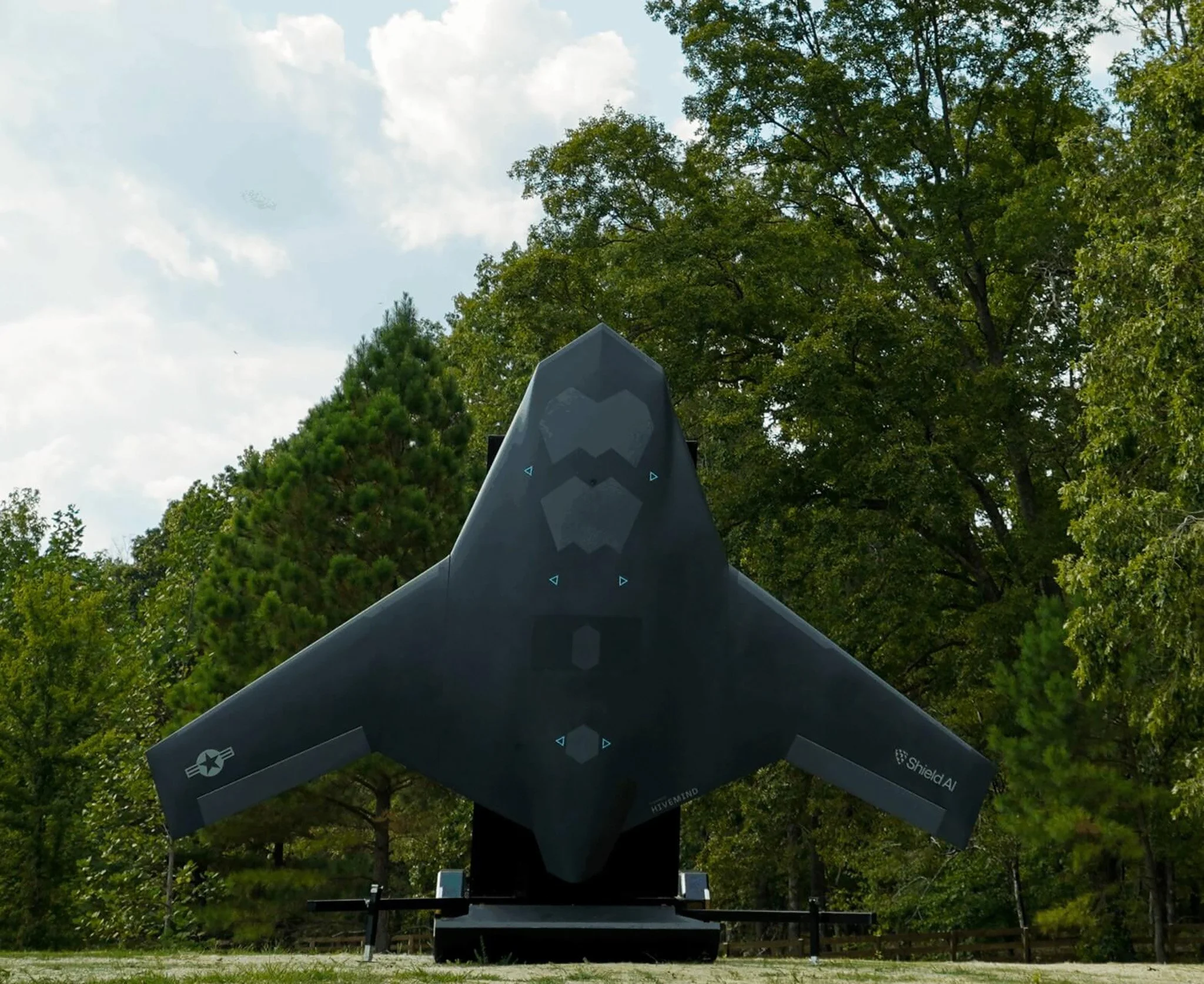
Shield AI’s $5.3B X-BAT Jet: AI-Piloted VTOL Aircraft Targets 2026 Flight Trials
Shield AI has revealed the X-BAT, an AI-driven VTOL fighter jet capable of operating without runways. Valued at $5.3 billion and backed by major investors, the company plans first flight trials in 2026 as part of efforts to expand autonomous combat operations in high-risk environments.

DJI Mini 5 Pro Weighs 252g? Weight Variance Triggers Registration Worldwide
DJI’s Mini 5 Pro has entered a regulatory grey zone as many production units weigh slightly above the 250g threshold that exempts hobby drones from stricter requirements. While the EU continues to allow the model under its C0 class through a manufacturing tolerance rule, authorities in the US, UK and Canada apply the limit strictly, meaning some pilots must now register the drone and follow additional operational rules. The situation highlights ongoing challenges in aligning drone standards across regions.

China Unveils P60 Autonomous Military Vehicle Powered by DeepSeek AI
China has introduced a new autonomous military vehicle known as the P60, developed by defence manufacturer Norinco and powered by the homegrown DeepSeek AI system. Capable of supporting reconnaissance and combat logistics with minimal human oversight, the P60 reflects a wider strategy to advance AI-enabled military operations and reduce dependence on foreign technology.
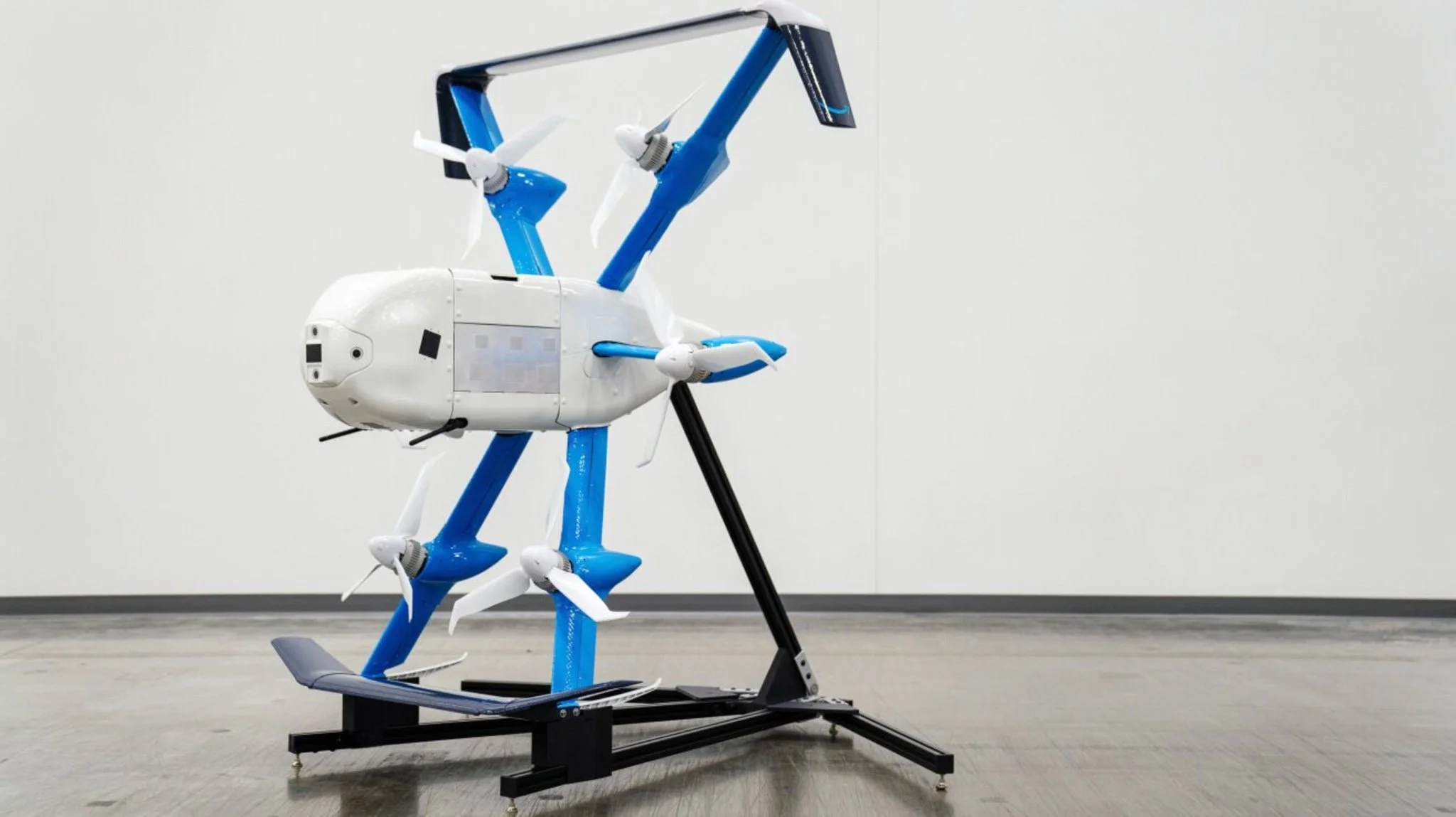
Amazon’s Prime Air Drones Go 60-Minute Delivery, Powered by AI & MK30
Amazon has launched its latest drone delivery initiative using the MK30 model and advanced artificial-intelligence systems to deliver eligible items weighing up to five pounds within 60 minutes or less in select U.S. regions. The service builds on regulatory clearances, digital mapping and perception technologies, as Amazon advances its use of autonomous logistics in urban settings.
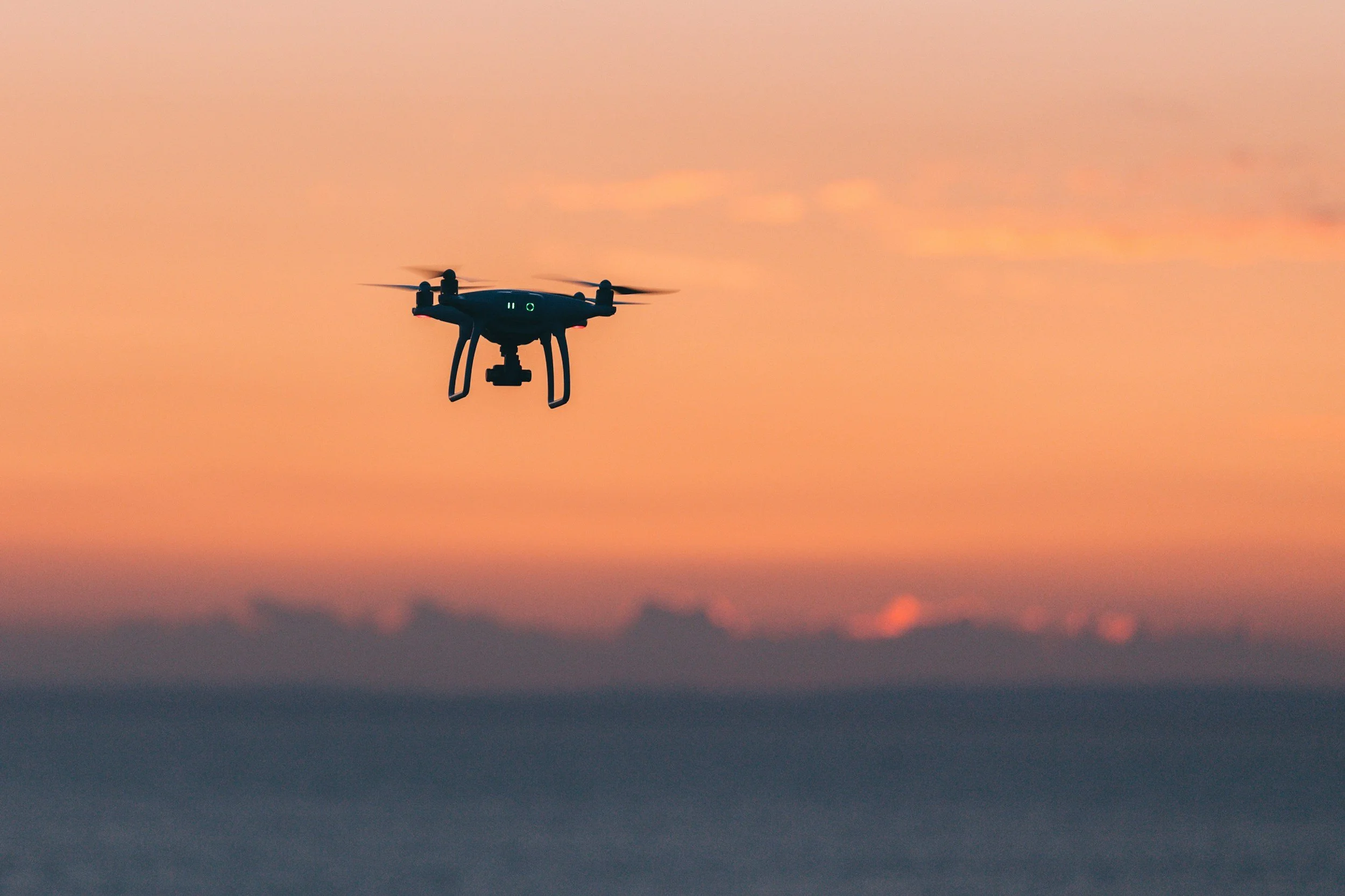
800g Drone Achieves Stable Flight Without IMU Using Event Camera and AI Network
A research team from TU Delft and CWI has shown a quadrotor drone flying stably without an inertial measurement unit, relying instead on visual data from a downward-facing event camera. A compact neural network processes event streams in real time to estimate orientation and rotation rates, marking a step toward lightweight, AI-driven drone navigation inspired by insect flight.

DroneShield Launches SentryCiv as US$3B Counter-Drone Market Heads Toward US$15B by 2030
DroneShield has expanded its counter-drone portfolio with SentryCiv, a subscription-based system bringing AI-powered detection to civilian airspace security. Using passive RF sensors and the company’s RFAI engine, SentryCiv offers real-time monitoring, threat prioritization, and quarterly AI updates—making advanced drone detection more accessible to airports, utilities, prisons, and other high-risk sites.
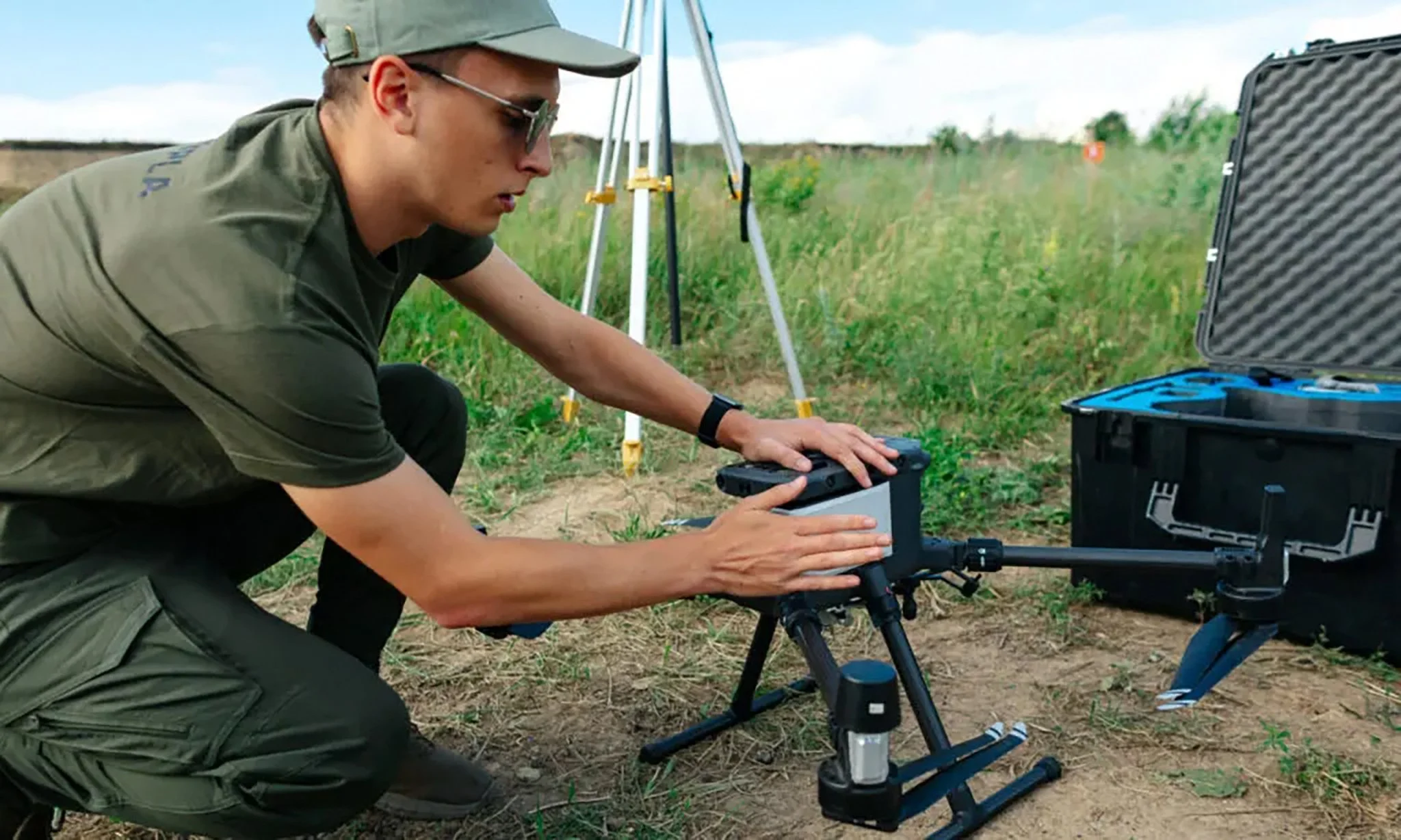
Danish-Ukrainian Startup Advances AI-Driven Drone Technology for Explosive Threat Detection
Dropla Tech ApS, founded in 2023 in Denmark with Ukrainian partners, is developing Blue Eyes, an AI platform that enables drones to detect landmines and unexploded ordnance in real time without GPS or cloud reliance. Backed by €2.4 million in pre-seed funding, the company seeks to cut demining costs and timelines, supporting Ukraine’s recovery and advancing global explosive threat detection.