
New AI Spots Drone Parts: Addressing 100+ Monthly Airport Threats
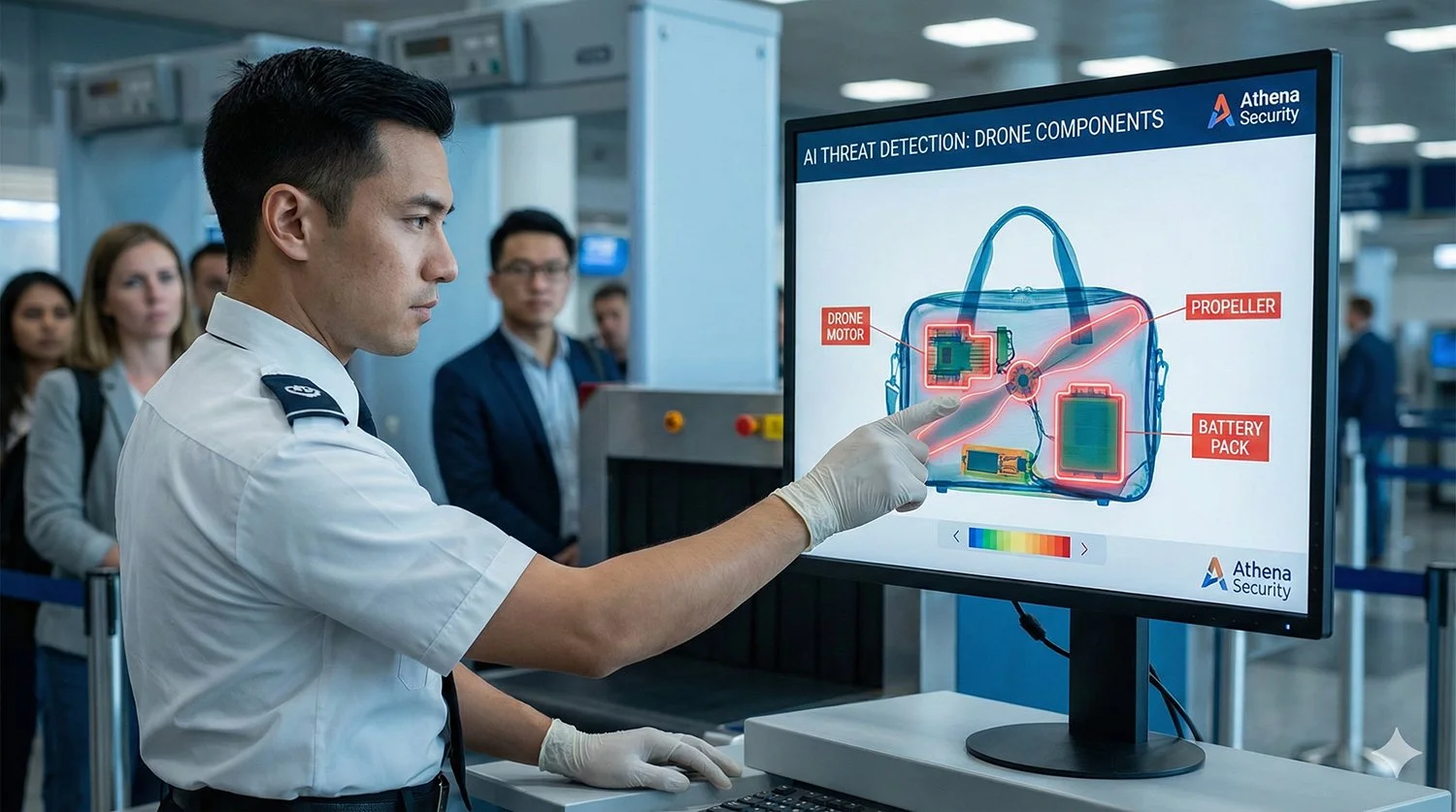
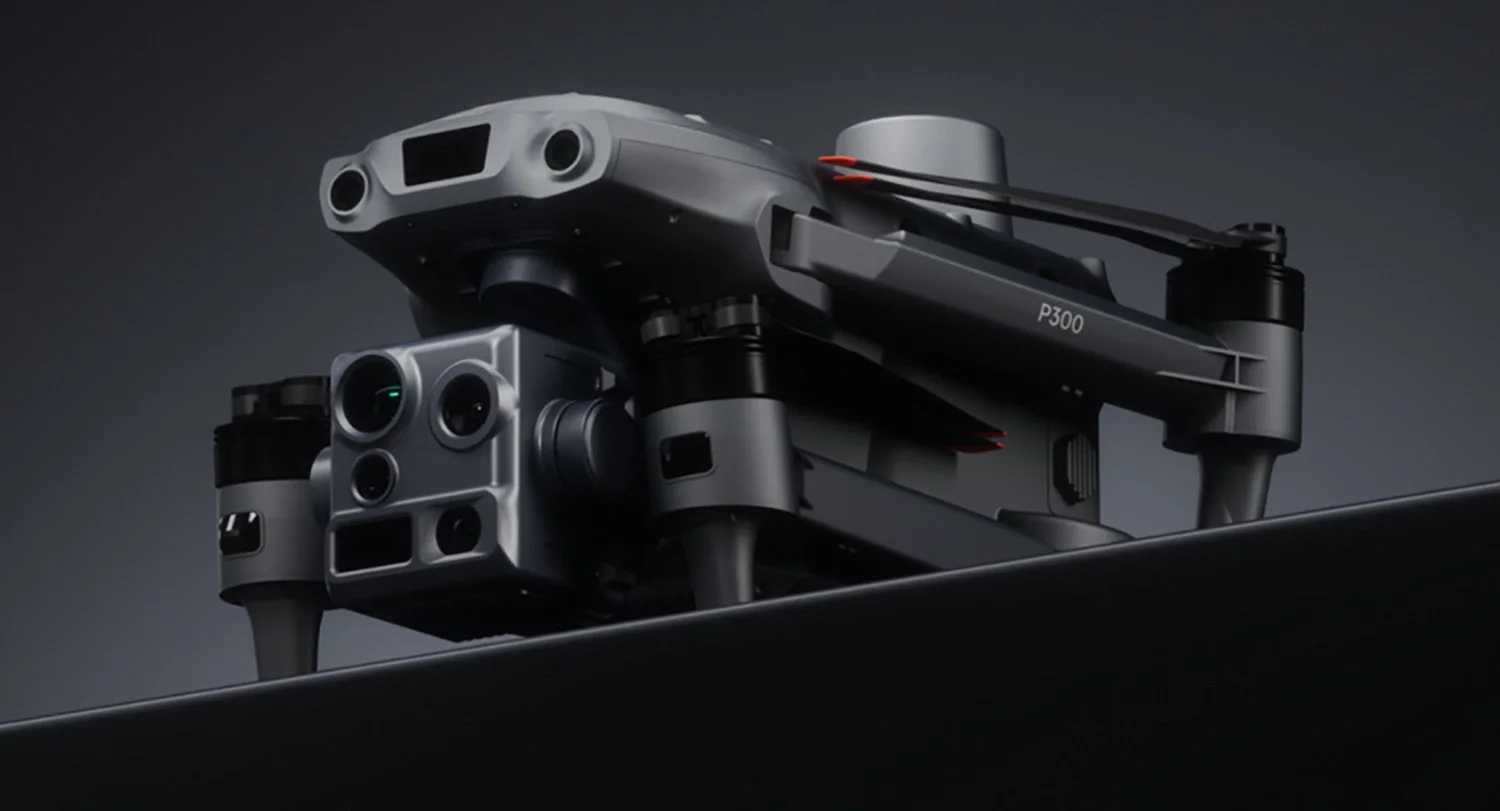
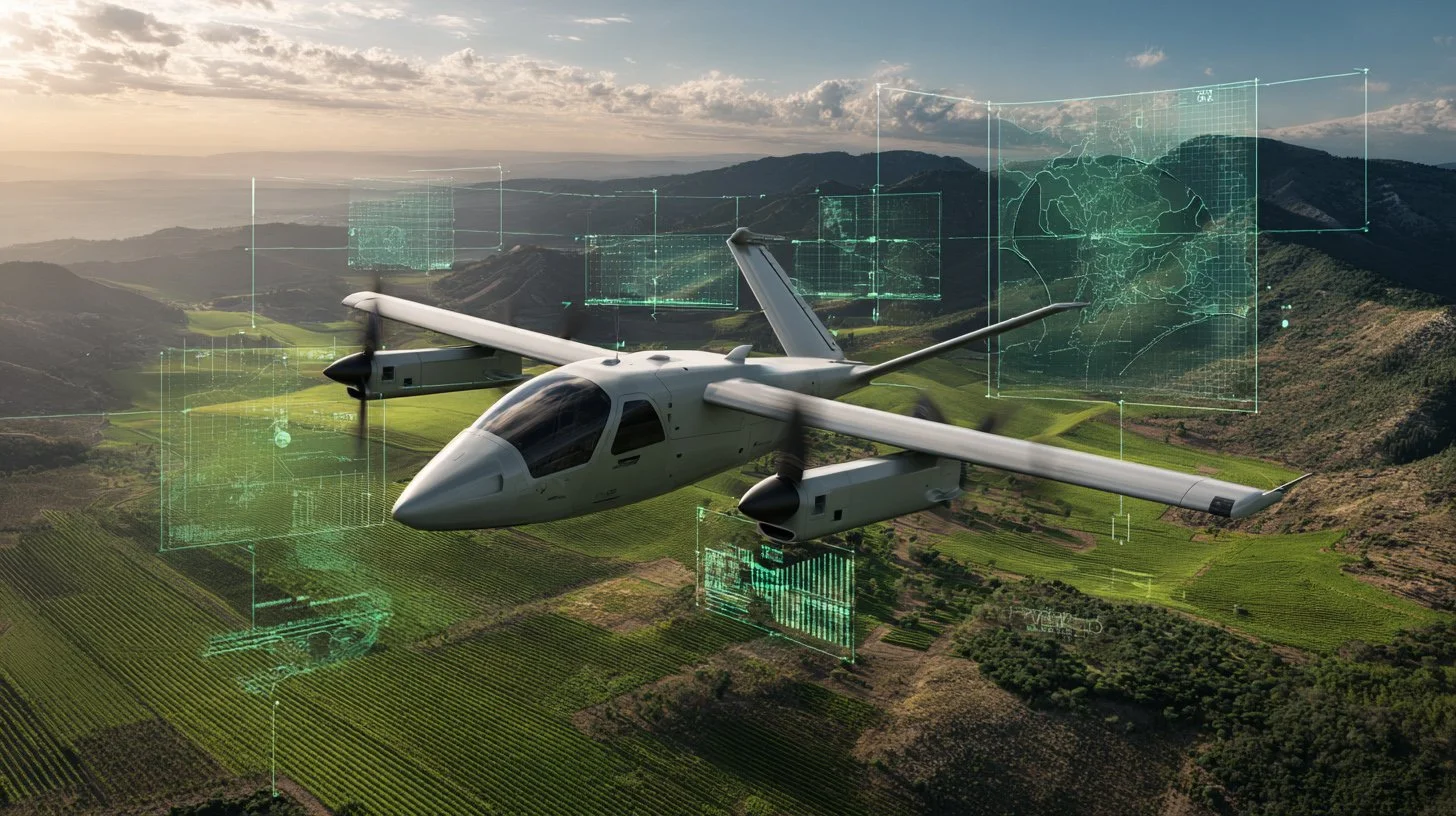
AI-generated Image for Illustration Only
(Credit: Jacky Lee)
Athena Security, an Austin-based developer of physical security platforms, has announced a new AI model for X-ray screening designed to identify components of unmanned aircraft before they can be assembled inside restricted areas. The company says the “Drone Defense Detection Model”, unveiled on December 1, expands its AI-assisted X-ray suite beyond traditional weapon detection to address the risk of disassembled drones being smuggled through checkpoints.
According to Athena, the model can flag items such as motors, propellers, battery packs, electronics, and structural components when they appear in bags, cargo, or luggage. The system is intended to operate within existing screening workflows and can present automatic alerts and highlighted regions of concern on a unified operator interface. Athena also says the tool can integrate with access-control processes to trigger pre-set security responses.
Chris Ciabarra, Athena’s co-founder and CTO, said in company-circulated coverage that the goal is to reduce reliance on purely perimeter-focused counter-drone measures by identifying parts earlier in the threat chain. The firm links the product’s development to a request from a client that experienced an airspace breach and wanted a way to detect drone components before assembly.
























Security Firms Shift Toward Pre-Assembly Risk
Athena Security was founded in 2018 by Lisa Falzone and Chris Ciabarra, who previously co-founded point-of-sale company Revel Systems. Early Athena offerings focused on AI-enabled weapons detection for schools and public venues, a direction the founders have linked to concerns over mass shootings in the United States.
The new drone-focused model arrives as aviation and critical infrastructure operators face growing scrutiny over unmanned threats. In the United States, the FAA’s safety guidance notes more than 100 reports of illicit drone activity near airports each month, underscoring ongoing risks to air operations and public safety.
Europe has also seen high-profile incidents. Munich Airport suspended operations late on October 2, 2025, after multiple drone sightings; the airport and police later said the disruption resulted in 17 flight cancellations and 15 diversions by midnight, with significant passenger impact. In Denmark, Copenhagen Airport halted takeoffs and landings for several hours in late September 2025 amid drone activity, highlighting the wider operational fragility large hubs face when drones appear near runways.
Athena’s press materials also reference lessons from modern conflict, where low-cost unmanned systems have been used to target infrastructure. In October 2025, large-scale drone and missile strikes on Ukraine’s energy network were widely reported by international outlets citing Ukrainian officials.



























How the Technology Fits into Checkpoint Security
Athena positions its model as a software-layer expansion rather than a new hardware category, aiming to reduce adoption friction for sites already using AI-assisted X-ray screening. The company says the model is designed to spot compact or disguised components and can be tuned to reduce false positives, with deployment targeted at government facilities, transport hubs, and critical infrastructure.
While Athena has referenced performance benchmarks in its announcement materials, the company has not published independent validation data in the open literature. As with other AI-supported screening tools, experts generally stress that operational effectiveness depends on image quality, operator training, and how models are updated against evolving threat “parts lists”.





























A Ground-Level Niche
Most major counter-UAS companies focus on detecting drones already in the air using radar, radio-frequency sensing, electro-optical, or multi-sensor fusion. Axon’s Dedrone, for instance, emphasizes airspace monitoring through RF and sensor-driven detection designed for real-time identification and response.
Australia’s DroneShield also concentrates on detection and mitigation systems oriented toward live aerial threats for defense, government, and infrastructure clients.
Athena’s approach differs by emphasizing pre-assembly interdiction at the checkpoint level. If broadly adopted, this could complement perimeter and airspace tools rather than compete directly with them, offering a layered model where suspected components are flagged before an aircraft ever powers on.





























Broader Implications
Industry forecasts suggest sustained growth in counter-drone spending globally. MarketsandMarkets projects the counter-UAS market to expand significantly by 2030, driven by defense modernization and heightened concern over critical-infrastructure vulnerability. Other market research, including analyses distributed via ResearchAndMarkets, similarly anticipates strong long-term growth into the mid-2030s.
For checkpoint operators, Athena’s announcement highlights a shifting narrative: drones are no longer only an “airspace problem,” but also a supply-chain and access-control problem. The company’s bet is that a meaningful portion of future risk can be reduced not by chasing drones in the sky, but by recognizing their parts on the conveyor.
































 TheDayAfterAI News
We are a leading AI-focused digital news platform, combining AI-generated reporting with human editorial oversight. By aggregating and synthesizing the latest developments in AI — spanning innovation, technology, ethics, policy and business — we deliver timely, accurate and thought-provoking content.