
6 Leading AIs Forecast Intel (INTC) Stock: Jan 2026 Experiment
Disclaimer: This article is for informational and educational purposes only. The predictions and analyses presented herein were generated by AI systems and should not be construed as financial advice, investment recommendations, or solicitations to buy or sell any securities. Stock prices are inherently unpredictable, and all investments carry risk of loss. Past performance does not guarantee future results. Readers should consult qualified financial advisors before making any investment decisions. TheDayAfterAI News and its contributors do not accept liability for any losses arising from reliance on this content.
In an unprecedented experiment, TheDayAfterAI News tasked six of the world's leading AI chatbots with analyzing Intel Corporation (NASDAQ: INTC) stock and forecasting its price movement over a five-trading-day window from December 31, 2025, to January 7, 2026. Each AI platform received identical parameters and was asked to provide comprehensive technical, fundamental, and sentiment analysis along with specific price predictions.
The result? A remarkable convergence of bullish sentiment, with all six AI platforms predicting a net price increase for Intel stock during the forecast period, though their specific price targets and confidence levels varied significantly.















The AI Competitors
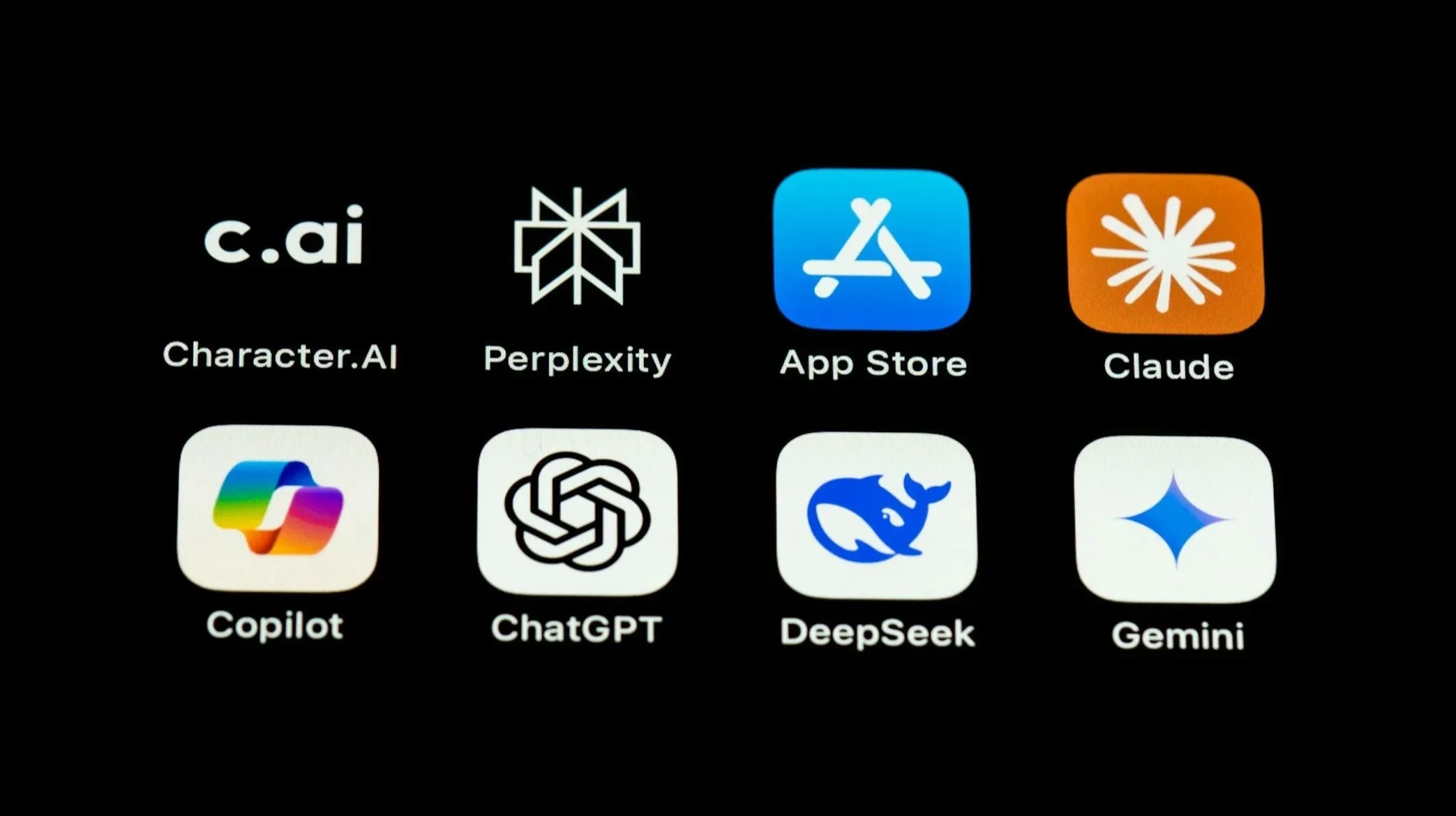
We selected six widely-used AI chatbots representing diverse approaches to financial analysis:
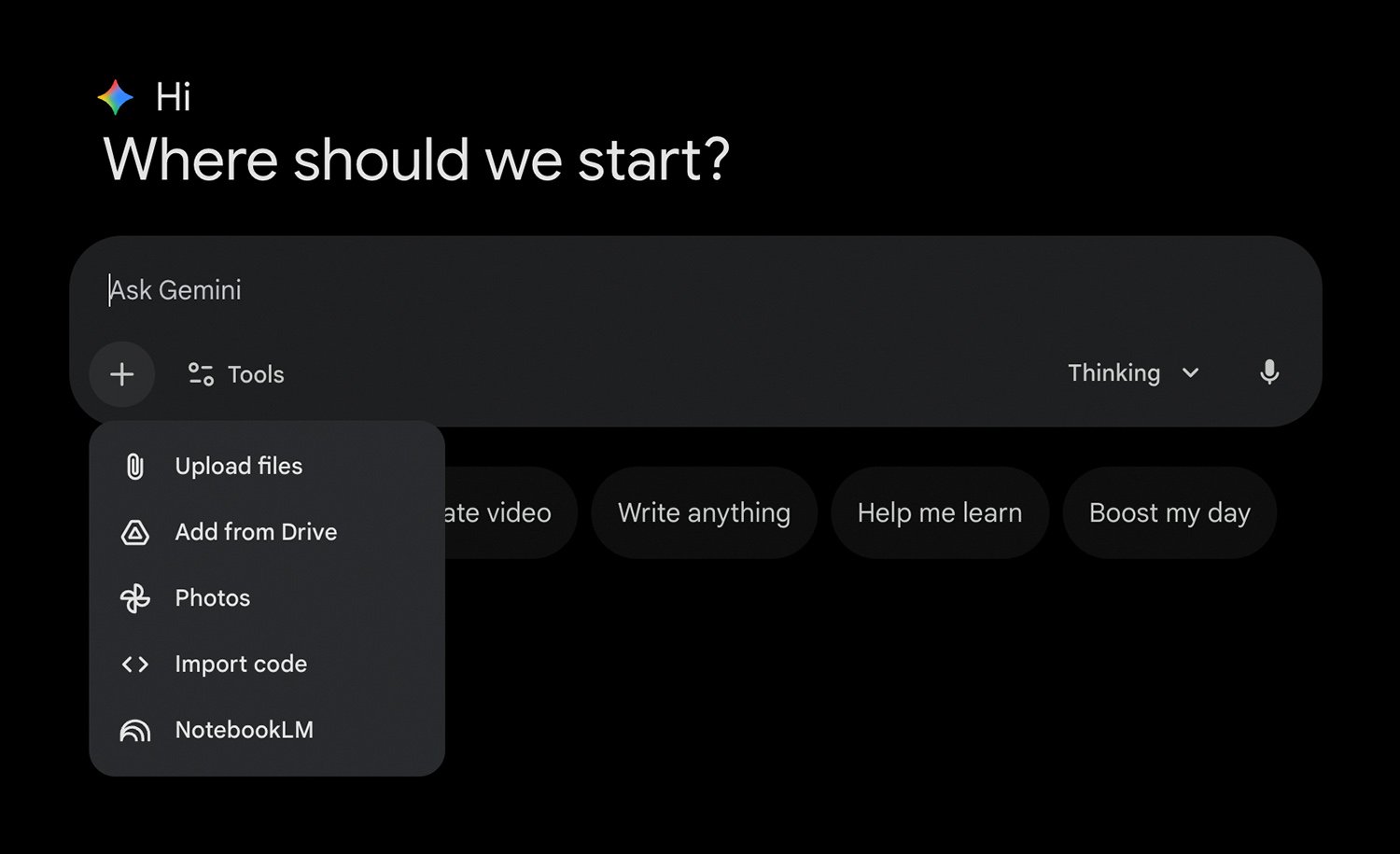
Gemini (Google DeepMind) – Known for comprehensive reasoning capabilities
ChatGPT (OpenAI) – The pioneering conversational AI with broad knowledge
Perplexity – AI-powered search engine with real-time data integration
Grok (xAI) – Elon Musk's AI with access to X/Twitter sentiment data
Claude (Anthropic) – Constitutional AI focused on nuanced analysis
Copilot (Microsoft) – Integrated with Bing search and financial data
























Key Findings at a Glance
























Unanimous Bullish Direction
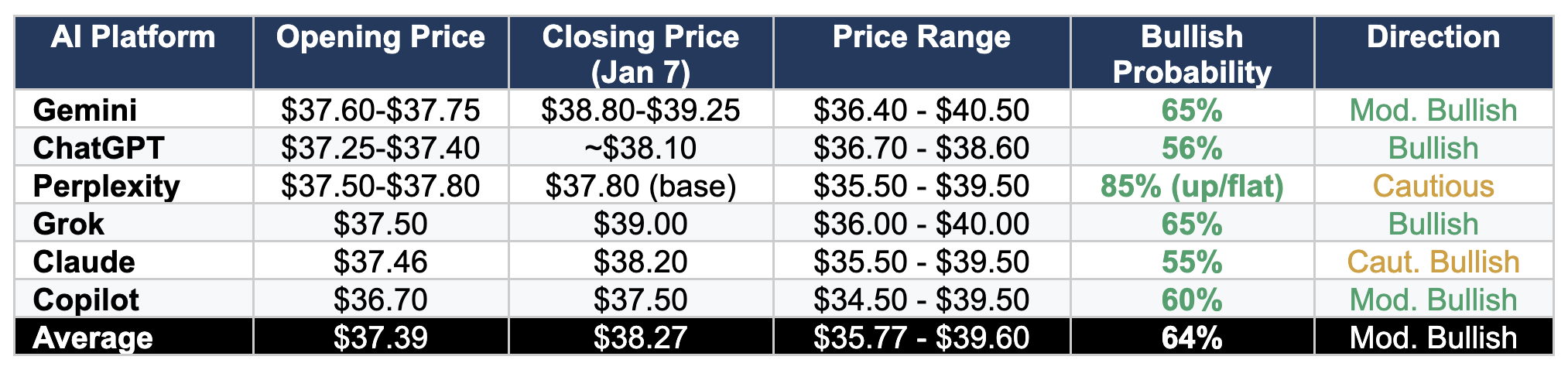
Perhaps the most striking finding is the unanimous bullish consensus. All six AI platforms assigned a greater-than-50% probability of Intel stock finishing higher by January 7, 2026, compared to its December 31 opening price. The probability range spans from Claude's cautious 55% to Gemini and Grok's more confident 65%.






















Key Catalysts Identified by the AIs
All six platforms identified similar bullish and bearish catalysts, demonstrating consistency in their fundamental analysis:
Bullish Catalysts
NVIDIA's $5 Billion Investment: The closure of NVIDIA's private placement deal on December 26, 2025, was universally cited as a major validation of Intel's foundry strategy and 18A process technology.
CES 2026 Panther Lake Launch: Intel's Core Ultra Series 3 processors, built on the new 18A node, are scheduled for announcement at CES (January 5-9), creating a significant near-term catalyst.
January Effect: Multiple AIs noted the historical seasonal pattern of capital inflows into value and turnaround stocks in early January.
Technical Setup: Most platforms identified a bullish flag pattern and potential golden cross formation, with RSI in neutral-to-oversold territory allowing headroom for appreciation.
Bullish Options Positioning: Put/call ratios consistently below 0.70 indicated institutional optimism.
Bearish Risks
Options Pinning: Max Pain at $36.50 for January 2 expiration creating short-term downward pressure
Holiday Liquidity: Thin trading volumes during the New Year period increasing volatility risk
Fed Policy Uncertainty: December FOMC minutes revealing division on rate cuts could pressure growth stocks
18A Process Concerns: Reports of NVIDIA pausing 18A testing due to yield issues




























Notable Differences: Where the AIs Diverge
Most Bullish: Grok and Gemini
Grok and Gemini emerged as the most optimistic, both predicting 65% probability of gains with closing targets near $39.00. Grok particularly emphasized social media sentiment from X/Twitter showing bullish retail positioning, while Gemini delivered the most comprehensive technical analysis with detailed daily price trajectories.
Most Conservative: Copilot and Perplexity
Copilot provided the lowest opening price estimate ($36.70) and the most modest closing target ($37.50), reflecting a more conservative interpretation of holiday liquidity risks. Perplexity's three-scenario framework (Bull 35%, Base 50%, Bear 15%) demonstrated the most nuanced probability distribution, with its base case showing only a 1.3% expected return.
Unique Analytical Approaches
ChatGPT stood out for its day-by-day price trajectory forecasting, providing specific expected ranges for each trading day in the period.
Claude offered the most detailed technical level analysis, identifying precise support ($35.80-$36.00) and resistance ($38.50-$39.00) zones.
Perplexity uniquely calculated an expected value of $37.87 by probability-weighting its three scenarios.
Gemini provided the most extensive market microstructure analysis, including detailed options gamma exposure and dealer hedging dynamics.























Our Methodology
To ensure a fair comparison, we standardized our approach across all six AI platforms:
Identical Prompt: Each AI received the same request for a 5-trading-day forecast for INTC from December 31, 2025, to January 7, 2026.
Required Elements: All platforms were asked to provide: opening price estimate, closing price estimate, price range, probability of increase vs. decrease, and supporting analysis.
Analysis Categories: Technical analysis, fundamental catalysts, market sentiment, options flow, and macroeconomic factors.
Same Timeframe: All queries were submitted on December 31, 2025, ensuring access to the same market data.




















What This Experiment Reveals
This comparative analysis reveals both the potential and limitations of AI in financial forecasting. The unanimous bullish consensus across six independent AI platforms is noteworthy, suggesting that the fundamental and technical picture for Intel may indeed be constructive for the forecast period.
However, the variation in price targets (from $37.50 to $39.25) and probability estimates (55% to 65%) highlights the uncertainty inherent in short-term stock prediction. Each AI's unique analytical framework brought different insights to the table, from Gemini's options microstructure analysis to Claude's technical level precision.
We will publish a follow-up article after January 7, 2026, evaluating which AI platform(s) came closest to the actual outcome, providing valuable insights into the accuracy and reliability of AI-driven stock forecasting.
For the complete breakdown — including day-by-day price targets, specific option strikes to watch, and detailed institutional flow analysis — please refer to the Full Report.



















License This Article















 TheDayAfterAI News
We are a leading AI-focused digital news platform, combining AI-generated reporting with human editorial oversight. By aggregating and synthesizing the latest developments in AI — spanning innovation, technology, ethics, policy and business — we deliver timely, accurate and thought-provoking content.