
AI Adoption Hits 54.6% as Gemini Challenges ChatGPT’s Dominance

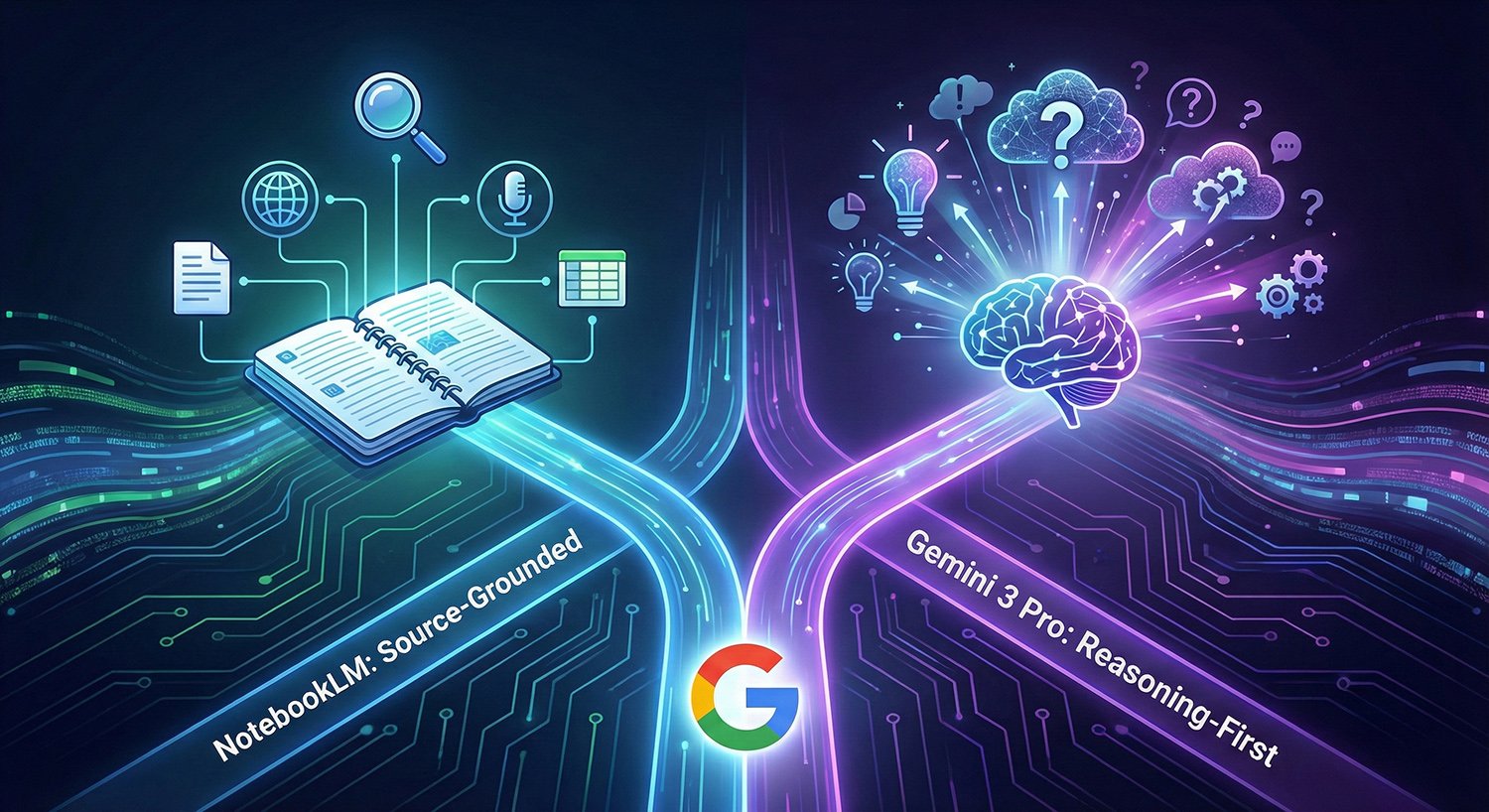
AI-generated Image for Illustration Only (Credit: Jacky Lee)
Generative AI chatbots positioned as personal assistants continued to expand their U.S. footprint through 2025, but the latest data suggests the market is shifting from a single-leader story to a multi-platform race shaped by ecosystem integration and feature-driven spikes.
Recent U.S. survey data indicates that adoption of generative AI is now mainstream among working-age adults. As of August 2025, 54.6% of Americans aged 18-64 reported using generative AI either at work or outside of work, up from 44.6% a year earlier, according to the Generative AI Adoption Tracker based on the nationally representative Real-Time Population Survey.
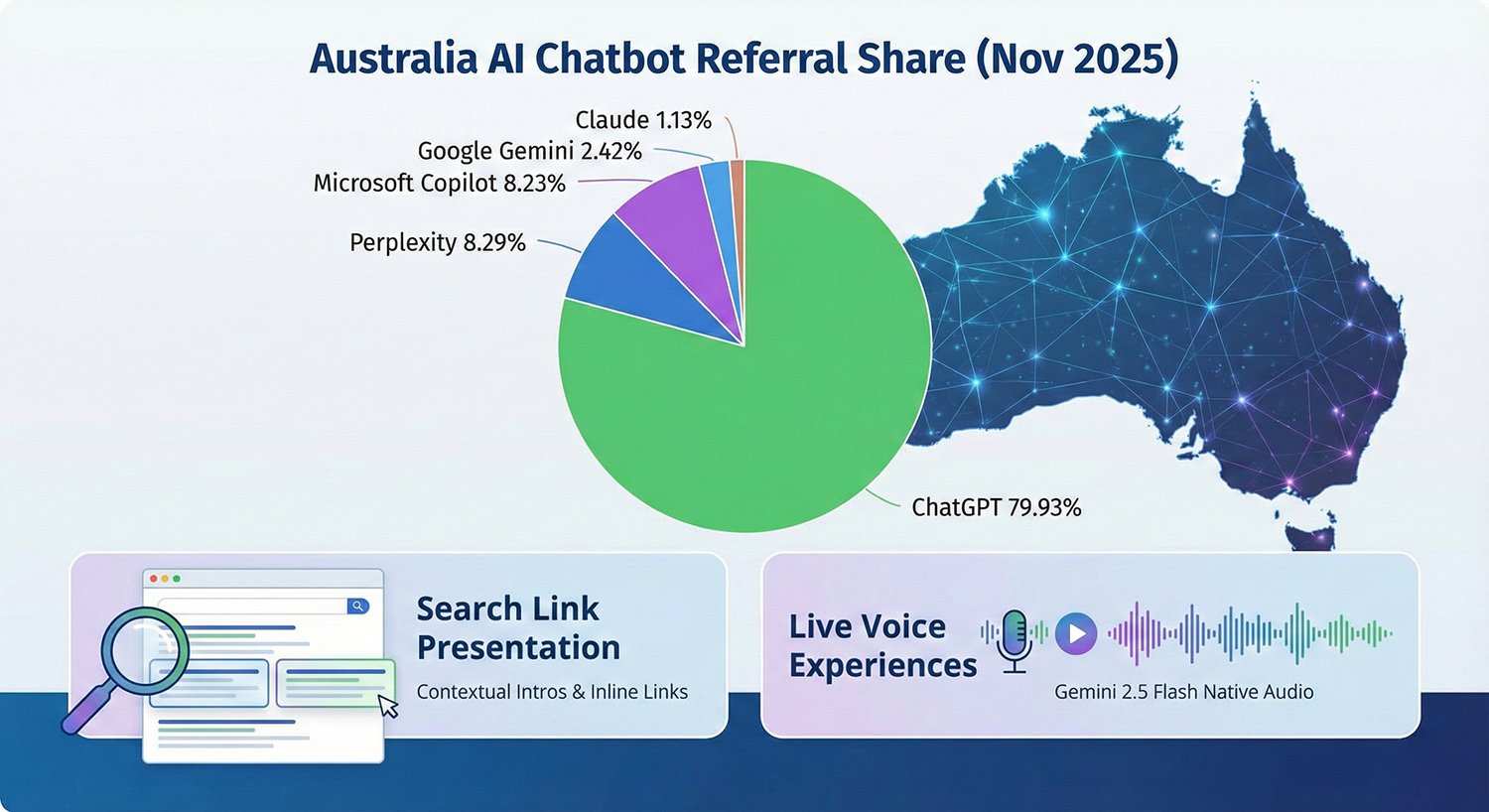
At the same time, the competitive picture looks different depending on whether the lens is web traffic, mobile apps, or broader usage claims from companies. Statcounter’s U.S. web-based AI chatbot measurements for November 2025 show ChatGPT with 78.79% share, followed by Microsoft Copilot at 8.39%, Perplexity at 8.1%, Google Gemini at 3.32%, and Claude at 1.38%. These figures highlight ChatGPT’s continued dominance in web usage even as challengers build momentum.


















ChatGPT Remains Largest as Growth Cools
Sensor Tower’s latest snapshot, as reported by TechCrunch on December 5, indicates that ChatGPT’s global monthly active users grew only about 6% from August to November 2025 to roughly 810 million, a noticeably slower pace than earlier periods. The same analysis estimates that ChatGPT’s share of global monthly active users slipped by around three percentage points from August to November, while Gemini gained share over May to November.
OpenAI has also highlighted the scale of ChatGPT’s overall reach. CEO Sam Altman said in October that ChatGPT had reached about 800 million weekly active users. The weekly metric is not directly comparable with monthly app-only estimates, but together the figures suggest a product that is still massive while facing a more competitive growth environment.
























Gemini’s Surge Reflects a Fast-growing Ecosystem Play
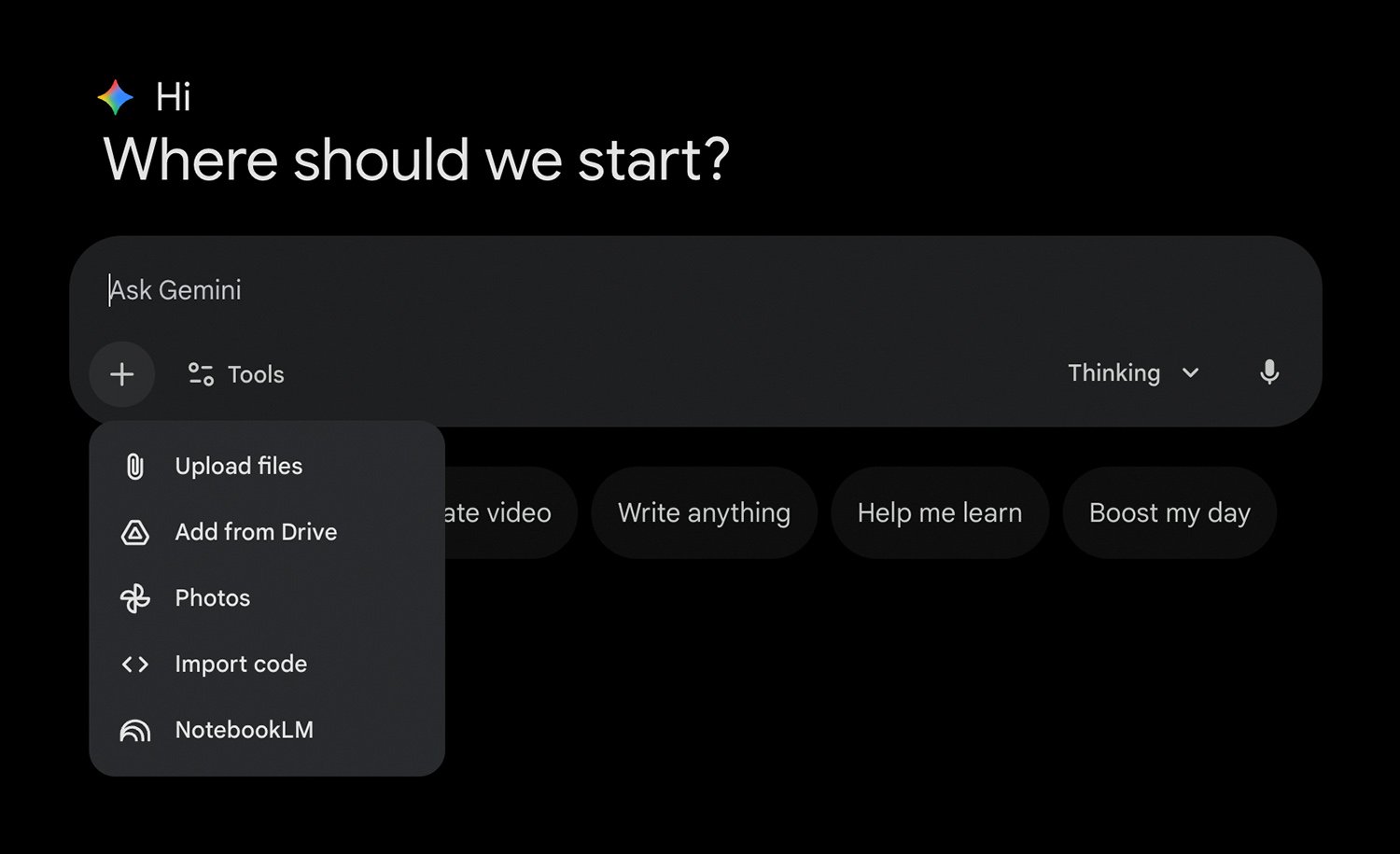
Google’s own product update around the launch of Gemini 3 states that the Gemini app now surpasses 650 million users per month. Sensor Tower’s comparative data shows Gemini among the fastest-growing chatbots in 2025, with strong year-on-year gains in downloads and engagement.
Much of Gemini’s late-2025 momentum appears linked to multimodal features and successful image-generation releases that increased time spent in the app. Sensor Tower estimates users were spending about 11 minutes per day in Gemini by November, up sharply from earlier in the year.





















Copilot and Perplexity Hold Distinct Positions
Microsoft Copilot continues to benefit from tight integration with Microsoft 365 and enterprise workflows, even as public web share remains well behind ChatGPT in the U.S. Statcounter’s November 2025 snapshot places Copilot second in U.S. web share among major chatbots.
Perplexity and Anthropic’s Claude also posted strong growth in 2025 in mobile metrics, according to Sensor Tower’s estimates, though they remain smaller than the top two in total scale. This points to a market that is increasingly segmented by use case: research-first experiences, safety-forward assistants, and productivity suites are all carving out durable niches.

























Productivity Gains and Lingering Concerns
Workers report meaningful time savings from these tools. The St. Louis Fed’s October 2025 summary of Real-Time Population Survey findings notes that generative AI users reported saving about 5.4% of their work hours on average—roughly 2.2 hours per week in a standard 40-hour schedule—with heavier users reporting larger gains.
However, the same broader research ecosystem cautions that translating self-reported time savings into economy-wide productivity gains remains complex and uneven across industries.























From Single Champion to Multi-platform Assistants
Overall, the 2025 data suggests a market that is no longer defined solely by who launched first, but by which assistant best fits a user’s existing digital life. ChatGPT remains the most widely used chatbot across key measures, but its incremental growth appears to be slowing as the category matures and rivals leverage deep platform integrations and multimodal capabilities.
This evolving dynamic sets the stage for 2026 competition centered on “agentic” features — assistants that can coordinate multi-step tasks across calendars, documents, email, and commerce — while maintaining user trust around privacy and reliability.























License This Article
Source: The Project on Workforce, Stat Counter, TechCrunch, Google Blog, FRB of St. Louis




 TheDayAfterAI News
We are a leading AI-focused digital news platform, combining AI-generated reporting with human editorial oversight. By aggregating and synthesizing the latest developments in AI — spanning innovation, technology, ethics, policy and business — we deliver timely, accurate and thought-provoking content.