
Meta Releases V-JEPA 2 to Improve Robot Understanding of the Physical World

Image Source: Meta
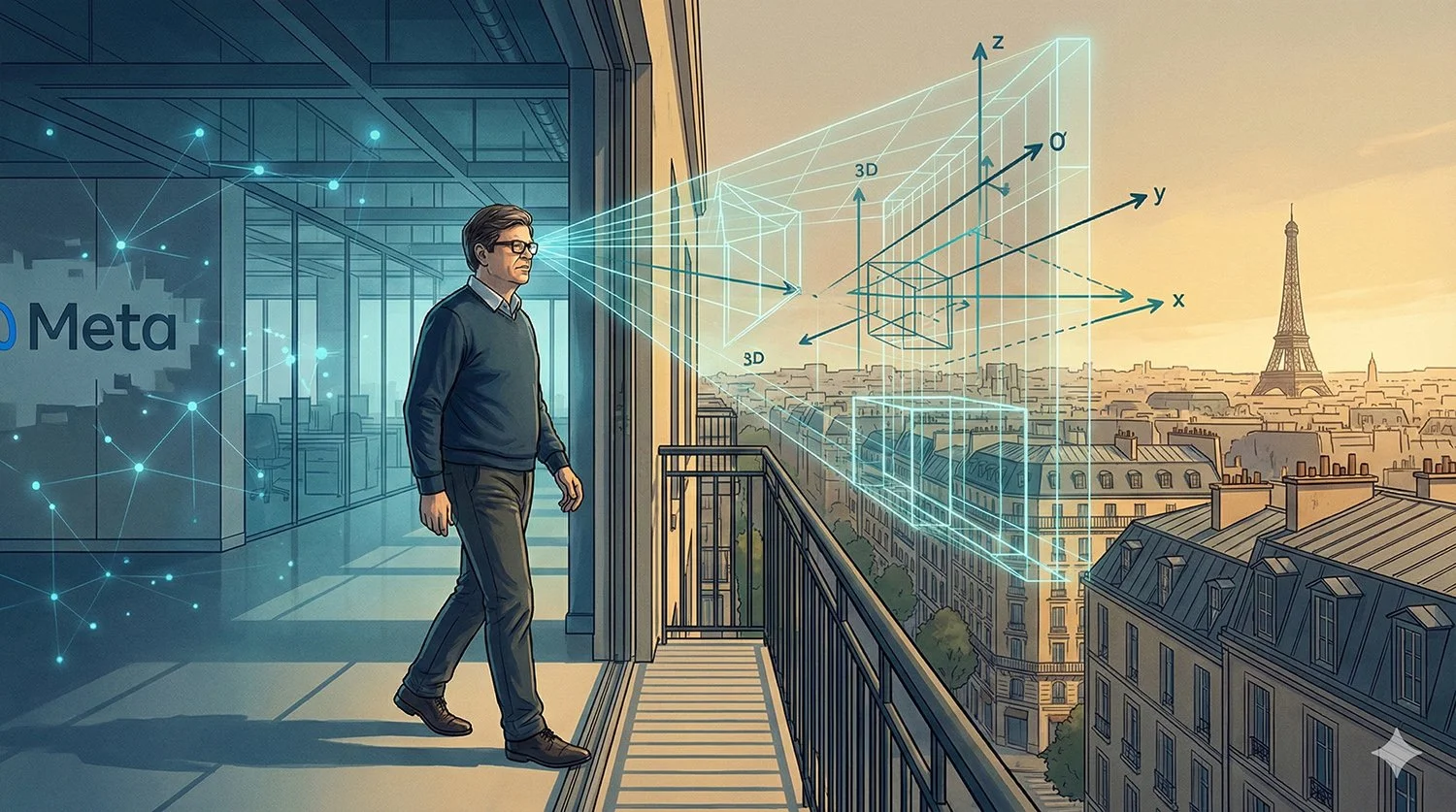
Meta Platforms unveiled V-JEPA 2, an open-source artificial intelligence model, at the VivaTech conference in Paris on June 11, 2025. Designed to enhance robots’ understanding of physical environments, this AI-driven system marks a step toward advanced machine intelligence (AMI), enabling machines to simulate and predict real-world interactions.















Inside V-JEPA 2’s AI World Model
V-JEPA 2 (Video Joint Embedding Predictive Architecture 2) is a 1.2-billion-parameter video foundation model trained using a two-stage process. In the first stage, it learns from over one million hours of unlabeled video and one million images using self-supervised learning—allowing it to detect object dynamics without human annotation. In the second stage, it is fine-tuned using 62 hours of robot control data from the Droid dataset, linking visual cues to physical actions.
This approach enables the model to create internal “world models” that allow AI agents to reason about physical interactions, such as predicting how an object might fall under the influence of gravity.









How AI Simulates Physical Reality
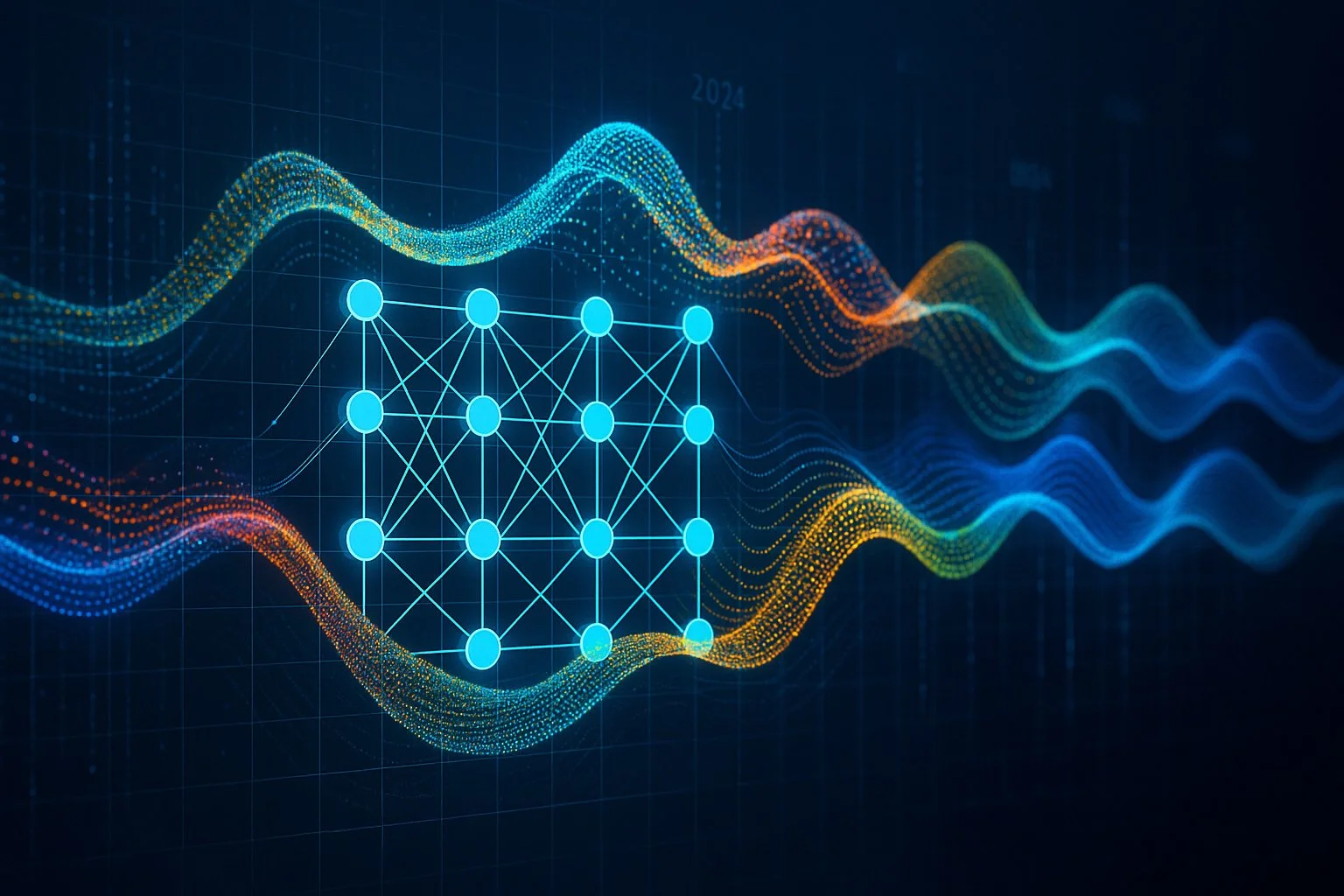
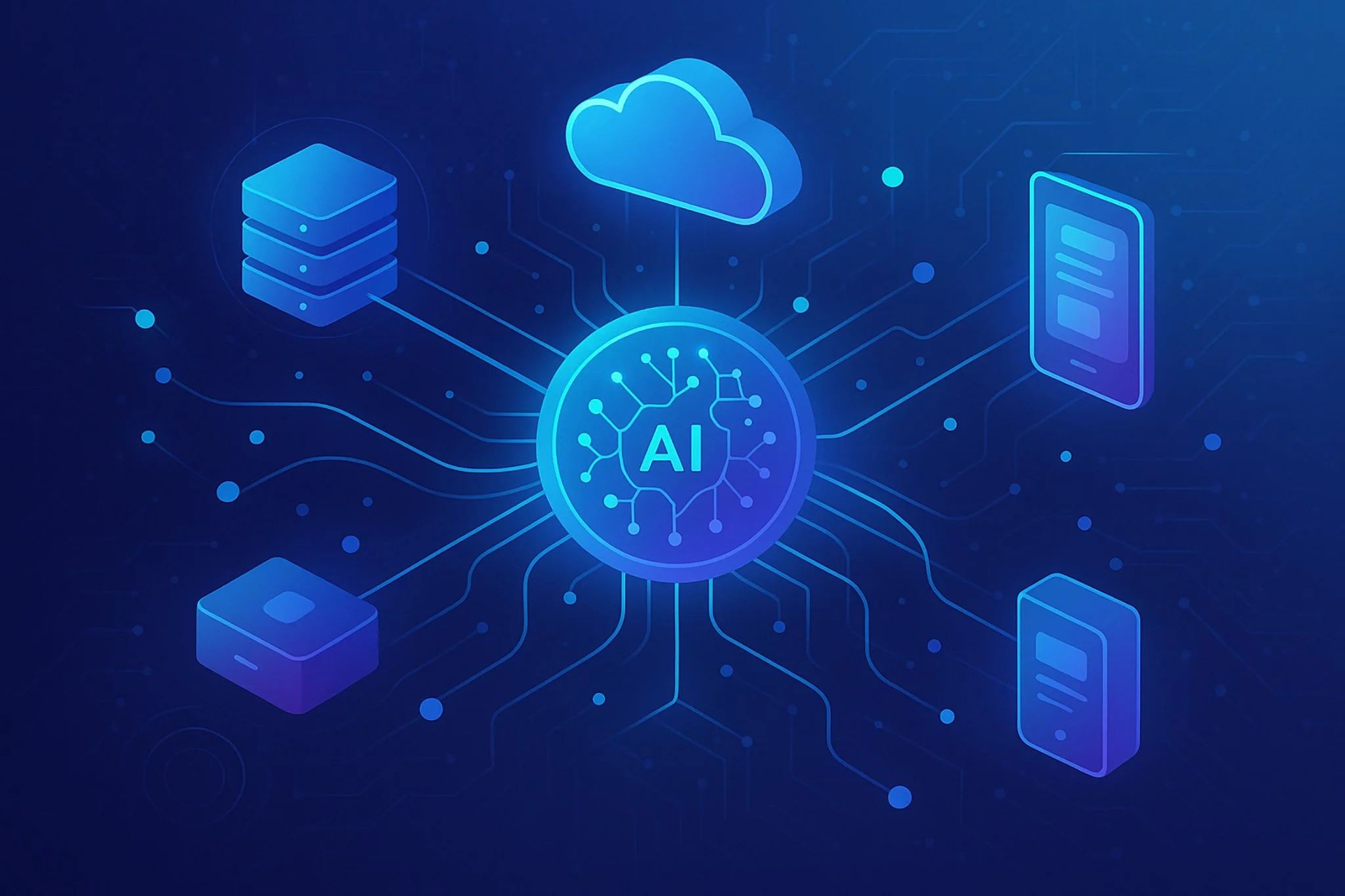
V-JEPA 2 uses an encoder–predictor architecture. The encoder condenses video frames into compact latent representations, or embeddings, which capture the structure and movement of objects in a scene. Instead of recreating full video frames, the predictor forecasts future events within this compressed abstract space, improving computational efficiency.
In internal tests, robots using V-JEPA 2 achieved 65%–80% success rates in zero-shot pick-and-place tasks, including object grasping, without retraining for new settings. This demonstrates the model’s ability to generalize across unfamiliar environments—a key advancement over traditional task-specific robotics systems.












Why AI World Models Matter
Unlike text-based large language models, V-JEPA 2 emphasizes spatial reasoning. Led by Meta’s Chief AI Scientist Yann LeCun, the project supports the company’s broader AMI initiative, which aims to develop machines capable of reasoning and acting in the physical world.
The model was released with three new benchmarks—IntPhys 2, MVPBench, and CausalVQA—to assess physical plausibility, video-based question answering, and causal understanding, respectively. The model, its training code, and evaluation tools are all available on GitHub and Hugging Face, fostering transparency and community collaboration.




















Strengths and Constraints
V-JEPA 2 demonstrates several practical advantages:
Adaptability: Robots can operate in unfamiliar settings without retraining, reducing setup time and cost.
Safety: Predicting outcomes in advance may improve safety in dynamic environments such as warehouses or factories.
Open Access: The open-source release encourages peer validation and rapid iteration within the research community.
However, the system is not without limitations:
Task Scope: Current capabilities are limited to relatively simple tasks like object manipulation. More complex skills—such as long-horizon planning, abstract reasoning, or coordination—remain out of reach.
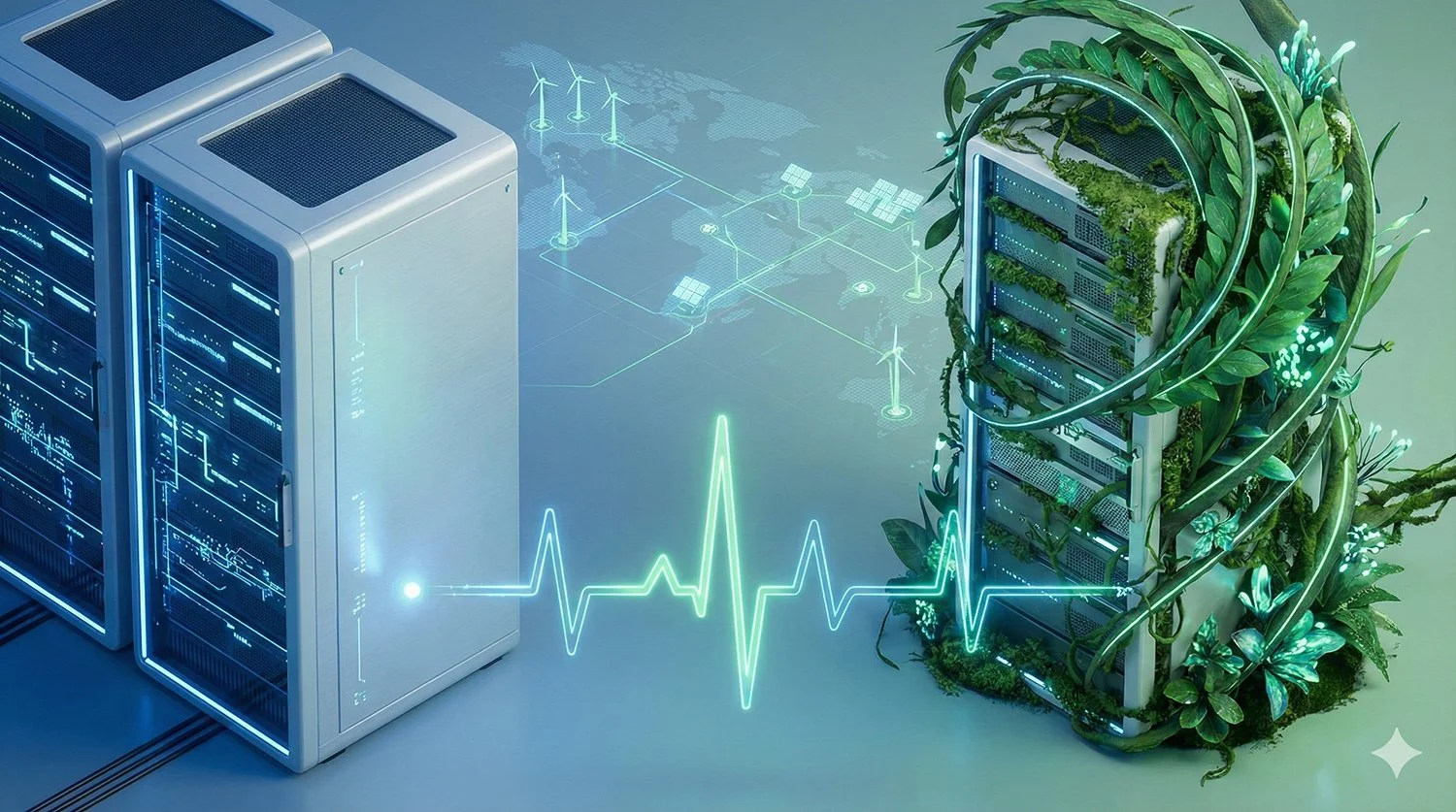
Environmental Impact: Like many large AI systems, the training process relies on vast computational resources. While Meta has not disclosed energy consumption, environmental concerns remain an area of industry-wide attention.
Benchmark Gaps: Although V-JEPA 2 performs well on standard tests, it still falls short of human-level performance in causal reasoning and long-term temporal understanding.










Meta’s AI Strategy and the Competitive Landscape
Developed by Meta’s Fundamental AI Research (FAIR) division, V-JEPA 2 builds upon its predecessor, V-JEPA, released in 2024. The shift toward self-supervised learning from video reflects Meta’s strategic focus on embodied AI—machines that understand and act within the real world—setting it apart from companies focused primarily on generative AI, such as OpenAI.
While Meta’s approach is unique, it is not without competition. TechCrunch has reported that Meta claims V-JEPA 2 achieves up to 30× faster inference compared to Nvidia’s Cosmos. Meanwhile, Google DeepMind’s Genie model and other vision-language systems represent parallel efforts to build world models capable of multimodal understanding. Such comparisons highlight the growing focus across the industry on grounding AI in physical context.
























Future Applications and Challenges
The model’s flexibility could benefit various sectors:
Industrial Automation: Robots may navigate unpredictable warehouse layouts or manipulate varied inventory items.
Autonomous Vehicles: Enhanced video understanding could support decision-making in urban environments.
Consumer Robotics: Home assistants may become more capable in performing routine physical tasks.
Still, future progress will depend on improving the model’s ability to handle longer video sequences, understand causality over time, and integrate other sensory inputs like sound or tactile feedback.


















Source: Meta, The Decoder, FB News, arXiv, TechCrunch







 TheDayAfterAI News
We are a leading AI-focused digital news platform, combining AI-generated reporting with human editorial oversight. By aggregating and synthesizing the latest developments in AI — spanning innovation, technology, ethics, policy and business — we deliver timely, accurate and thought-provoking content.