
Why Figma Matters in AI Enabled Product Design
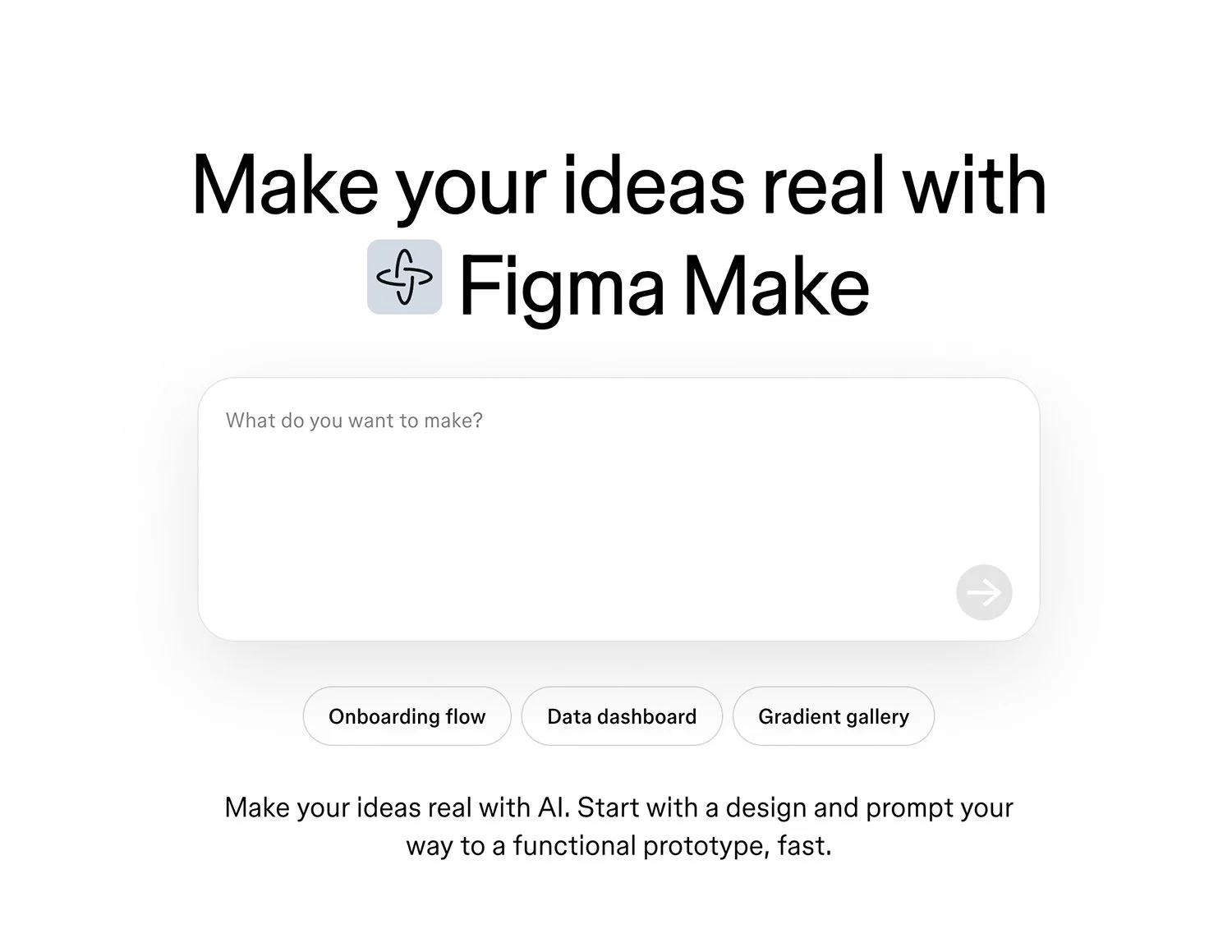
Image Source: Figma
Figma sits at a busy junction where design teams, developers, and increasingly AI coding tools meet. In 2025, the company has been expanding beyond interface design into a broader set of creation and delivery tools including Figma Draw, Figma Slides, and Figma Make, alongside Dev Mode for developer handoff.
That expansion is happening while AI driven workflows are shifting from “generate an idea” toward “generate a buildable artefact”, which raises two practical demands: tighter control over edits inside the design tool, and better ways to feed accurate design context into AI agents that write code.















AI Image Edits Inside Figma Design and Figma Draw
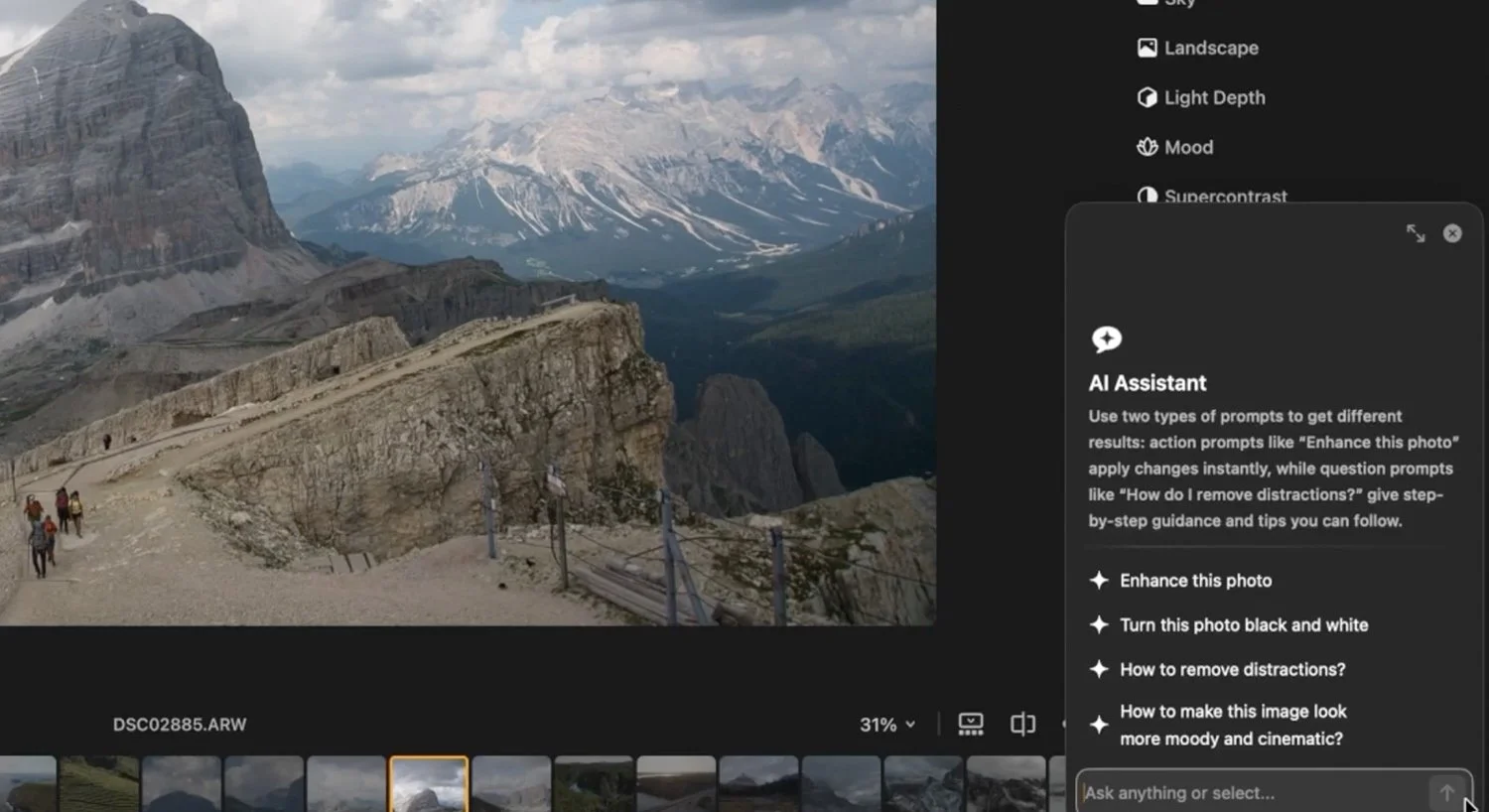
This week, Figma announced three AI powered image editing tools inside Figma Design and Figma Draw: Erase Object, Isolate Object, and Expand Image, plus a consolidated image editing toolbar that groups these with existing image features such as background removal.
Figma says the new tools are available to users with a Full seat on Professional, Organization, and Enterprise plans where AI is enabled, and that it intends to bring them to more products across its platform next year. It also notes that AI actions consume credits.
From a workflow point of view, the practical impact is less about novelty and more about reducing context switching: basic object removal, isolation, and canvas expansion are common “quick fixes” that otherwise push teams into separate image editors.















Figma Connects to AI Agents Through MCP
In parallel, Figma has been building around the Model Context Protocol, a standard intended to connect large language model applications to tools and data sources. The protocol’s current specification defines MCP as an open protocol for integrating LLM applications with external tools and context.
Figma’s own MCP server documentation positions this as a way to bring design context directly into AI assisted coding workflows, so an agent can reference concrete design data rather than guessing from screenshots. Figma’s help documentation also states the MCP server can provide context from Figma Design, FigJam, and Make files to AI agents that generate code.
This direction lines up with a broader industry push toward shared agent standards. In early December 2025, coverage from outlets including Wired and The Verge reported that Model Context Protocol governance is being moved into a Linux Foundation backed effort focused on open standards for AI agents.











AI Credits Move from Soft Limits to Enforced Limits
Figma now ties many AI features to a credit system. Its pricing page lists included monthly AI credits by plan and seat type, and also highlights Dev Mode inspection and the MCP server as included features on paid tiers.
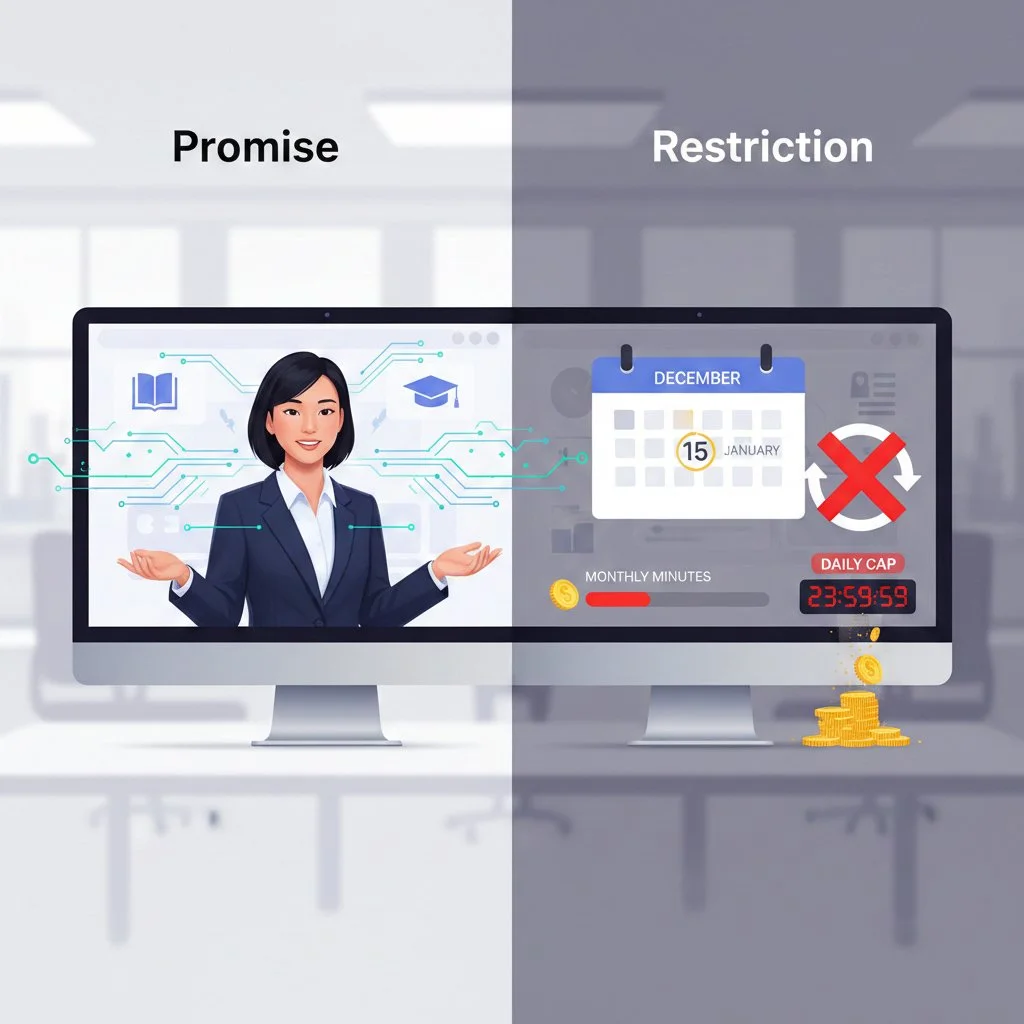
Figma’s AI credit documentation says limits have not been enforced for Full seat users to date, but that enforcement is scheduled to begin on 18 March 2026. It also says credits reset monthly and do not roll over.
Separately, Figma’s blog says it plans to introduce additional ways for teams to purchase AI credits from 11 March 2026.

























Adobe, Canva, and Open Source Alternatives
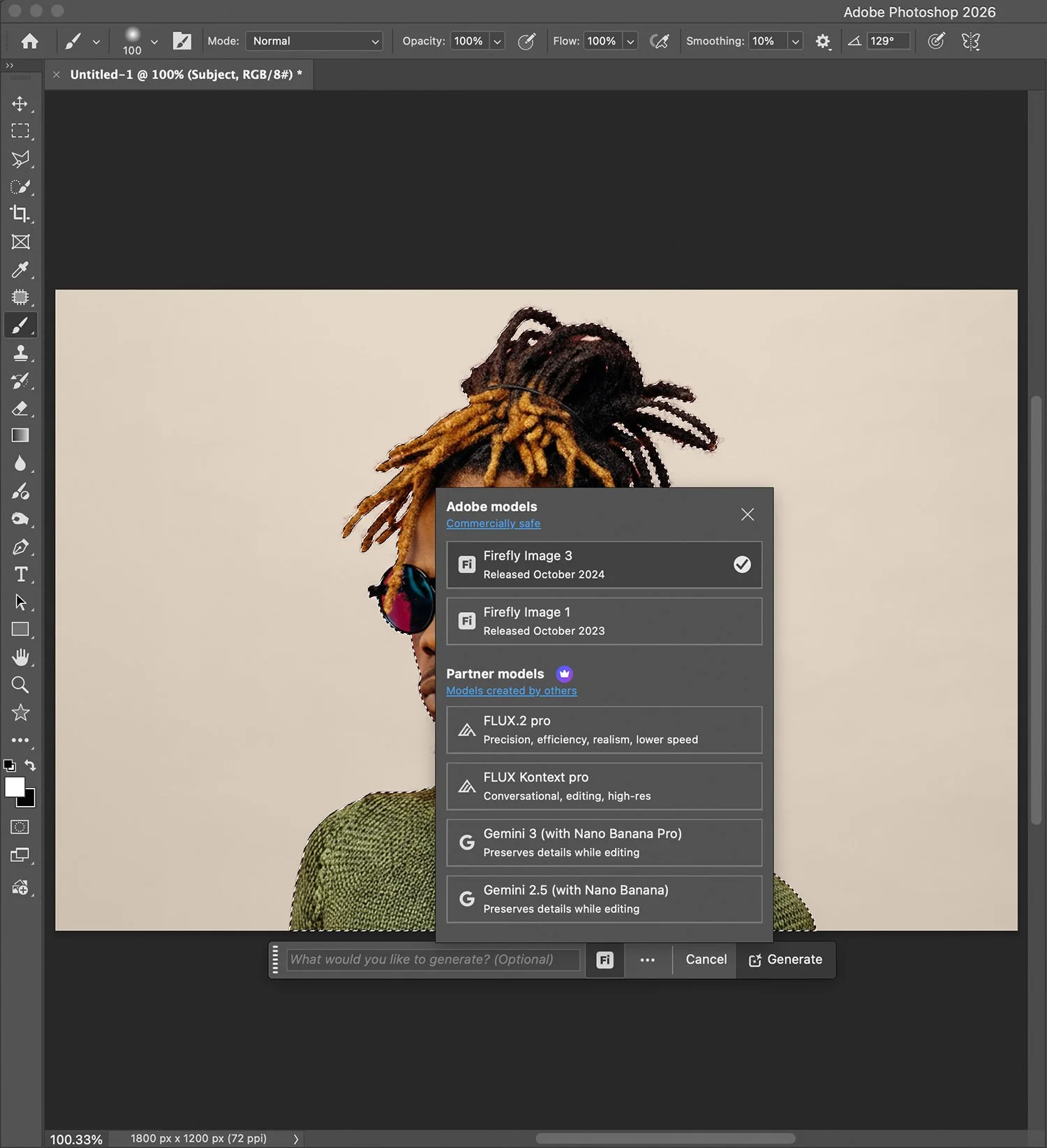
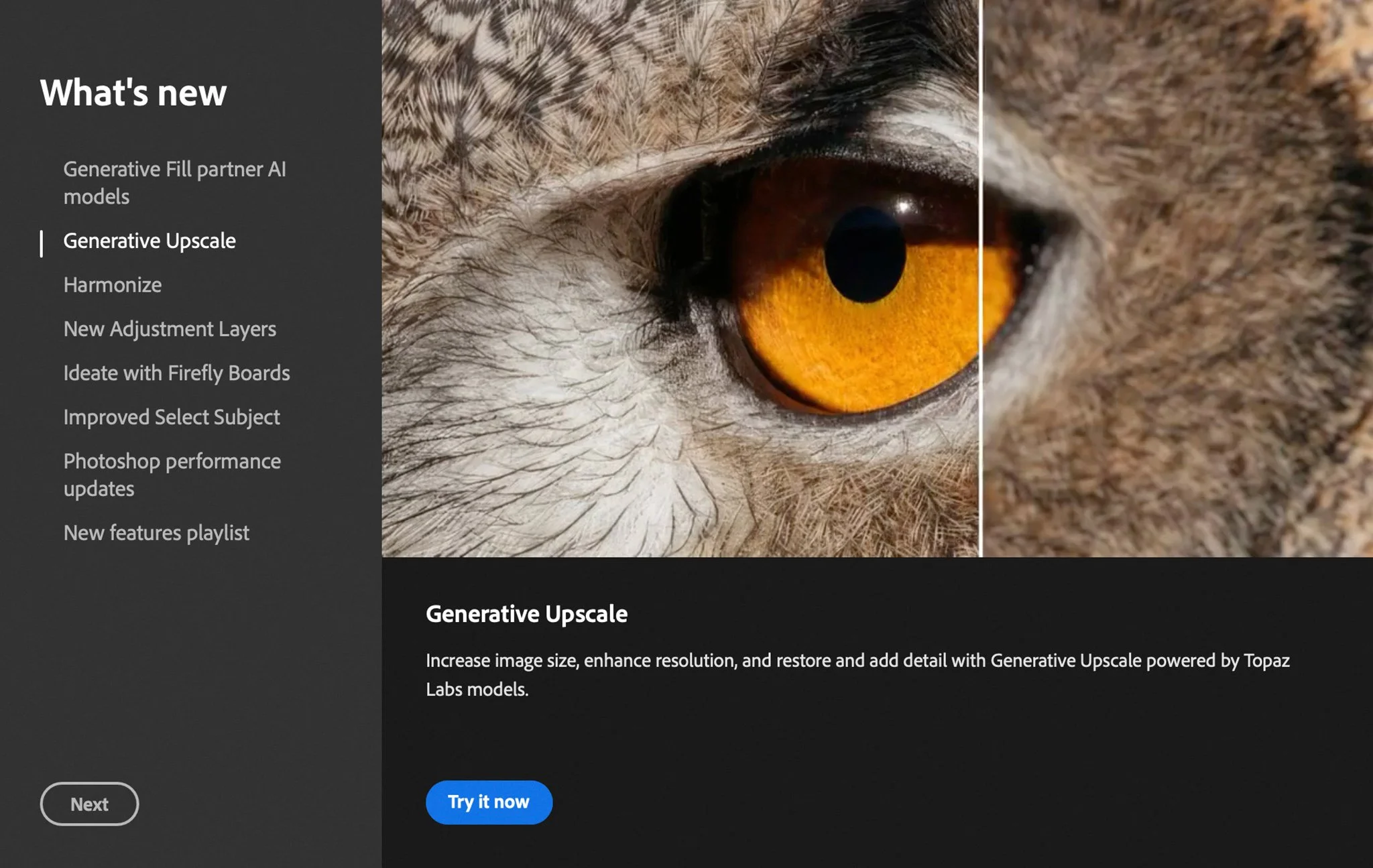
Figma’s new image editing tools overlap with capabilities that Adobe has been pushing as part of Photoshop’s Firefly powered features, including Generative Fill and Generative Expand. Adobe’s own product pages describe these as generative AI features for adding, removing, and expanding image content.
Canva continues to target a broader audience with “Magic Studio” and related tools, including Magic Design and background removal as part of its editor workflow.
On the tooling side, Sketch remains Mac centred for its editor, while Penpot positions itself as a web based open source alternative that supports collaboration and self hosting.
The competitive pressure here is not only feature parity. It is also about where creation happens: inside a single environment versus across multiple specialised apps, and whether AI can move from “drafting” to “implementation” without losing traceability.


























Independence, Then IPO
After Adobe and Figma terminated their proposed acquisition in December 2023, Figma later went public in late July 2025. The company began trading on the New York Stock Exchange on 31 July 2025 under the ticker FIG after pricing its IPO at USD $33 per share. Reuters reported the shares rose sharply on debut.



















What Should be Treated Carefully
Figma’s own documentation warns that AI outputs may be misleading or wrong and should not be treated as a substitute for expert advice or independent checks. For teams using AI to generate content or code, that warning matters because design tools increasingly sit upstream of production software.
The practical implication is that AI driven speed gains are likely to depend on governance: access controls, review steps, and clarity about what parts of a workflow are generated versus authored. The shift to enforced AI credit limits in 2026 also suggests teams should plan for usage monitoring rather than assuming AI features will remain effectively unlimited on higher seats.


































 TheDayAfterAI News
We are a leading AI-focused digital news platform, combining AI-generated reporting with human editorial oversight. By aggregating and synthesizing the latest developments in AI — spanning innovation, technology, ethics, policy and business — we deliver timely, accurate and thought-provoking content.