
Google NotebookLM Mobile Adds Camera Input & 1M Token Context Support
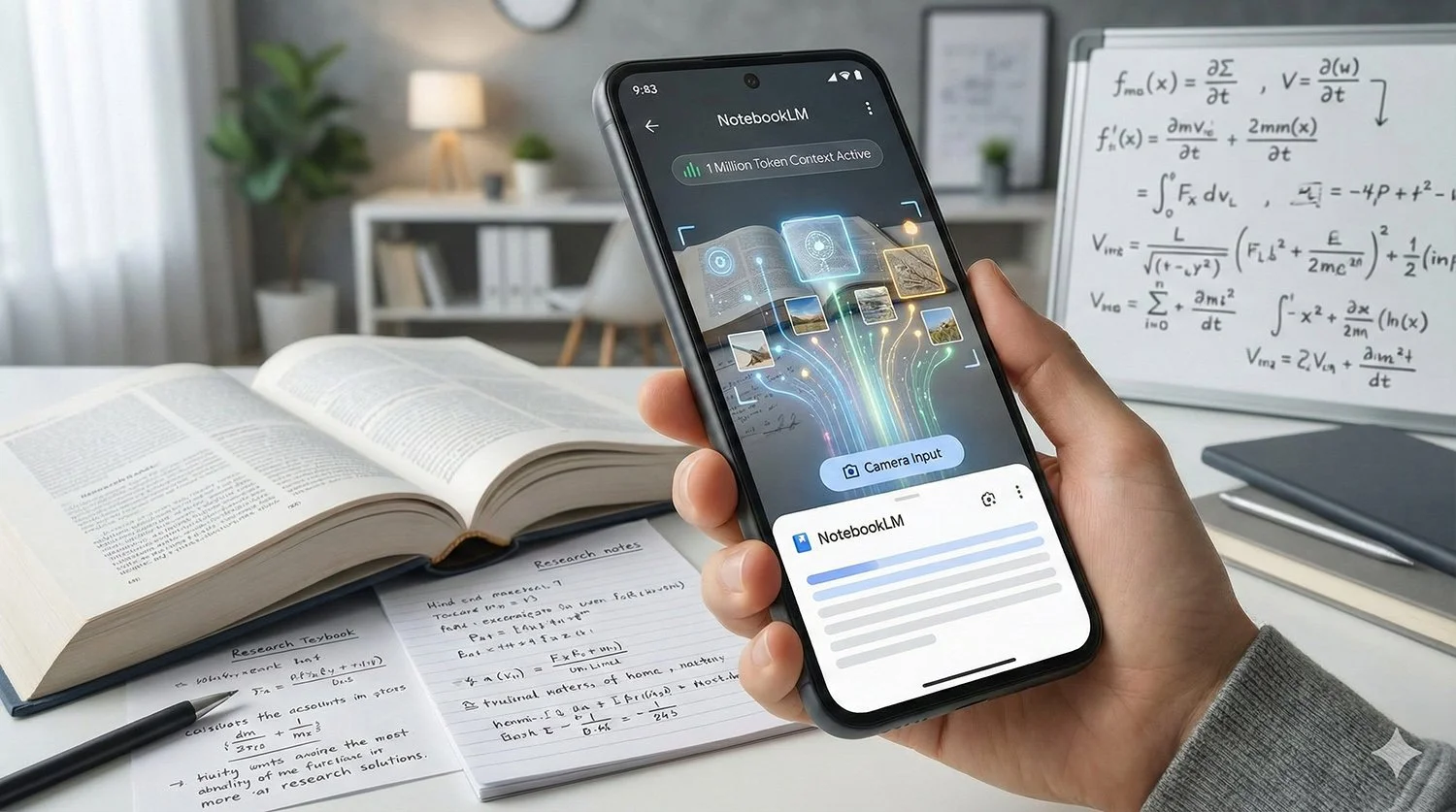
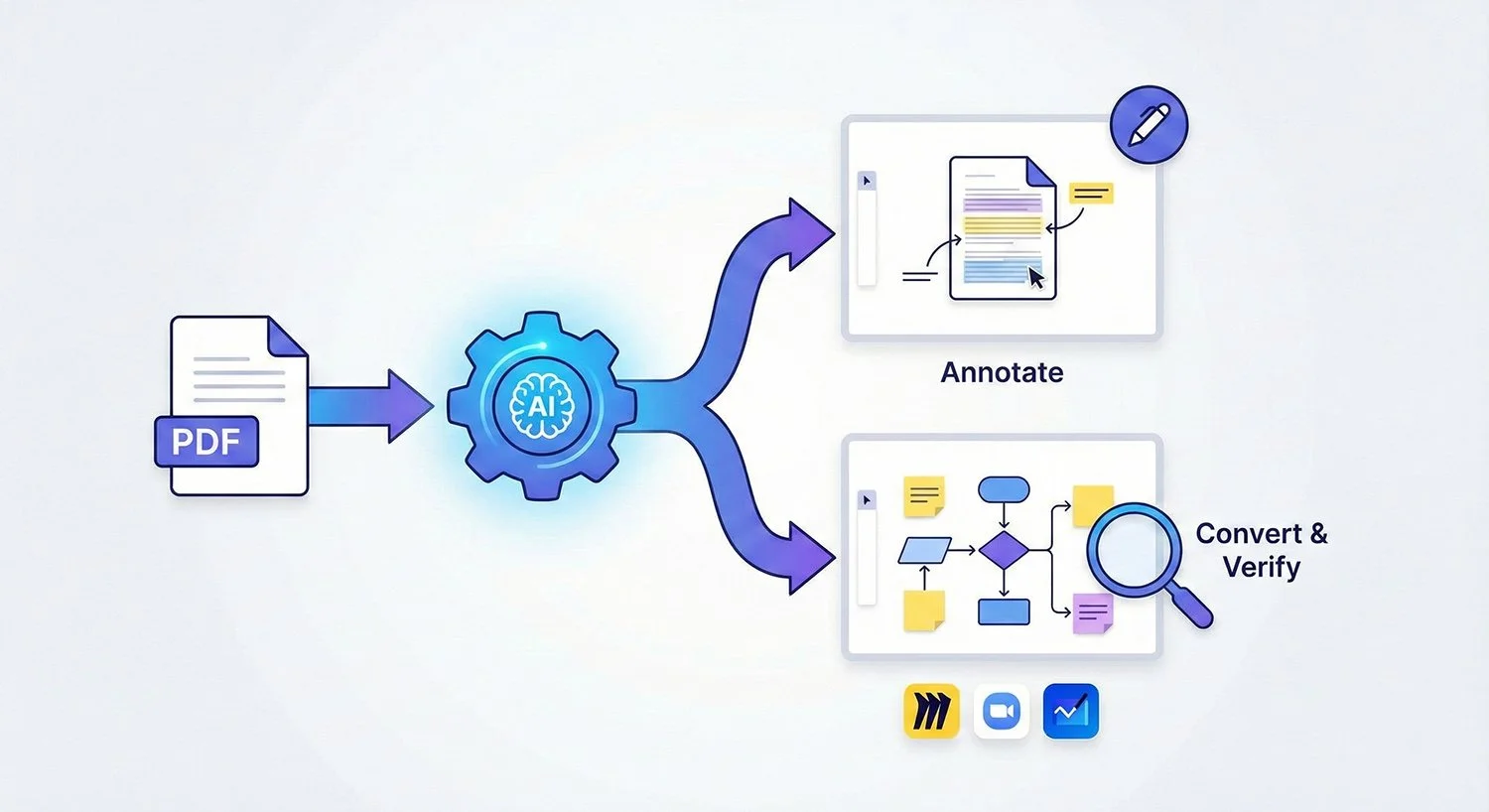
AI-generated Image for Illustration Only (Credit: Jacky Lee)
Google has rolled out an update to the NotebookLM mobile app that allows users to add photos as sources using a built-in camera button or the device gallery. The change, seen broadly from December 4, lets images sit alongside existing sources such as PDFs, web pages, and YouTube links inside a notebook.
The new camera entry point appears as a floating action button on the app’s home screen and Sources tab, streamlining capture of real-world materials like handwritten notes, whiteboards, printed handouts, and infographics without needing a desktop transfer.




















What the Update Enables on Mobile
With images now accepted as sources, users can ask NotebookLM to analyze photo content and generate source-grounded explanations and study aids based on what they uploaded. This aligns with Google’s broader expansion of NotebookLM’s supported source types in late 2025, which included images and additional file formats.
The mobile app continues to emphasize features well-suited for short, frequent sessions, such as listening to Audio Overviews and using learning tools that were introduced earlier in recent updates.

























A key Clarification: Mind Maps
While NotebookLM can generate Mind Maps as a feature overall, Google’s help documentation states that the NotebookLM mobile app does not support Mind Maps at this time.
As a result, claims that Mind Maps are generated and interacted with directly on mobile should be reframed as a web experience that can be informed by sources added from the phone.





















NotebookLM’s Expansion from Web to App
NotebookLM started as a Google Labs effort tied to Project Tailwind in 2023, focused on helping users understand and transform their own documents rather than pulling broad, open-web answers.
Google launched the official Android and iOS apps on May 19, 2025, positioning the mobile experience as a way to access notebooks anywhere and listen to podcast-style Audio Overviews with background playback and offline support.
In late 2025, Google also upgraded NotebookLM’s underlying capabilities, including enabling a 1 million token context window in NotebookLM chat across plans, improving long-document reasoning and extended research sessions.





















Why This Matters
The camera update addresses a practical friction point: many users now capture ideas, class materials, and work references primarily on phones. Adding images as sources on mobile makes NotebookLM more viable for fast, real-world input, especially in education, design brainstorming, and meeting documentation.
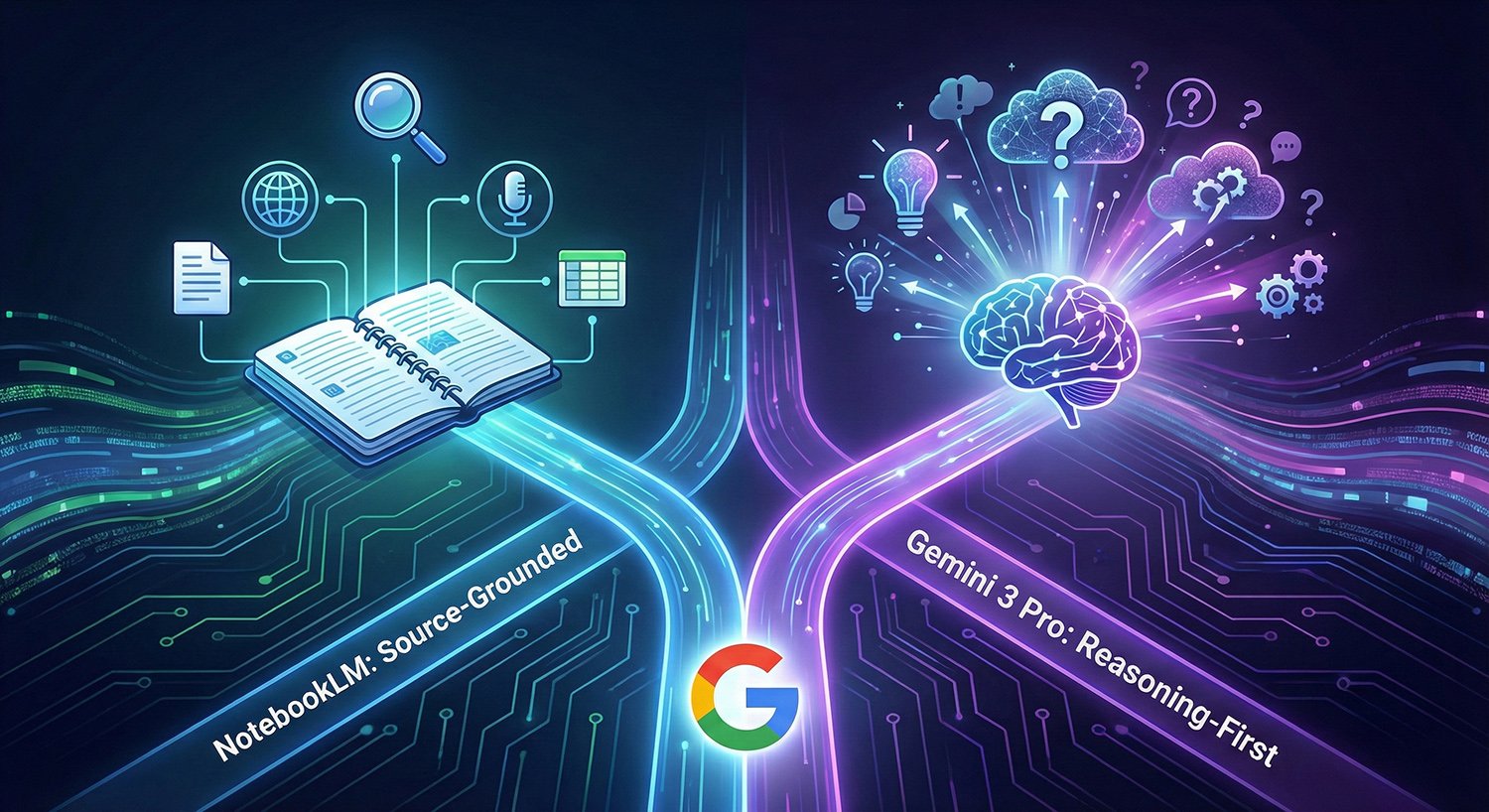
Crucially, NotebookLM’s product identity remains distinct from general chatbots: it is designed to generate responses grounded in user-provided sources, which Google positions as a way to improve reliability for research and study workflows.


















Pricing and Availability
NotebookLM remains free for individual users with optional paid upgrades. In 2025, Google added NotebookLM Plus to the Google One AI Premium plan, and the subscription branding later evolved, with AI Premium renamed to Google AI Pro, which still includes NotebookLM benefits.
For organizations, NotebookLM and NotebookLM Plus have also been integrated into eligible Workspace tiers as core services.



















Limitations
Early reports suggest the image-source feature works best with clear, well-framed photos. As with other vision-assisted tools, cluttered scenes or low-contrast handwriting may produce thinner summaries. The mobile experience also remains feature-asymmetric with web, with Mind Maps still unavailable in-app.





















The Bigger Picture
The December update fits a broader 2025 pattern for NotebookLM: expanding source types, improving long-context reasoning, and making the product more useful as a daily research companion rather than a novelty tool. With mobile image capture now integrated, Google appears to be pushing NotebookLM further into everyday study, planning, and field-note workflows.












 TheDayAfterAI News
We are a leading AI-focused digital news platform, combining AI-generated reporting with human editorial oversight. By aggregating and synthesizing the latest developments in AI — spanning innovation, technology, ethics, policy and business — we deliver timely, accurate and thought-provoking content.