
Google’s Nano Banana Pro: 4K AI Images & 14-Image Blending
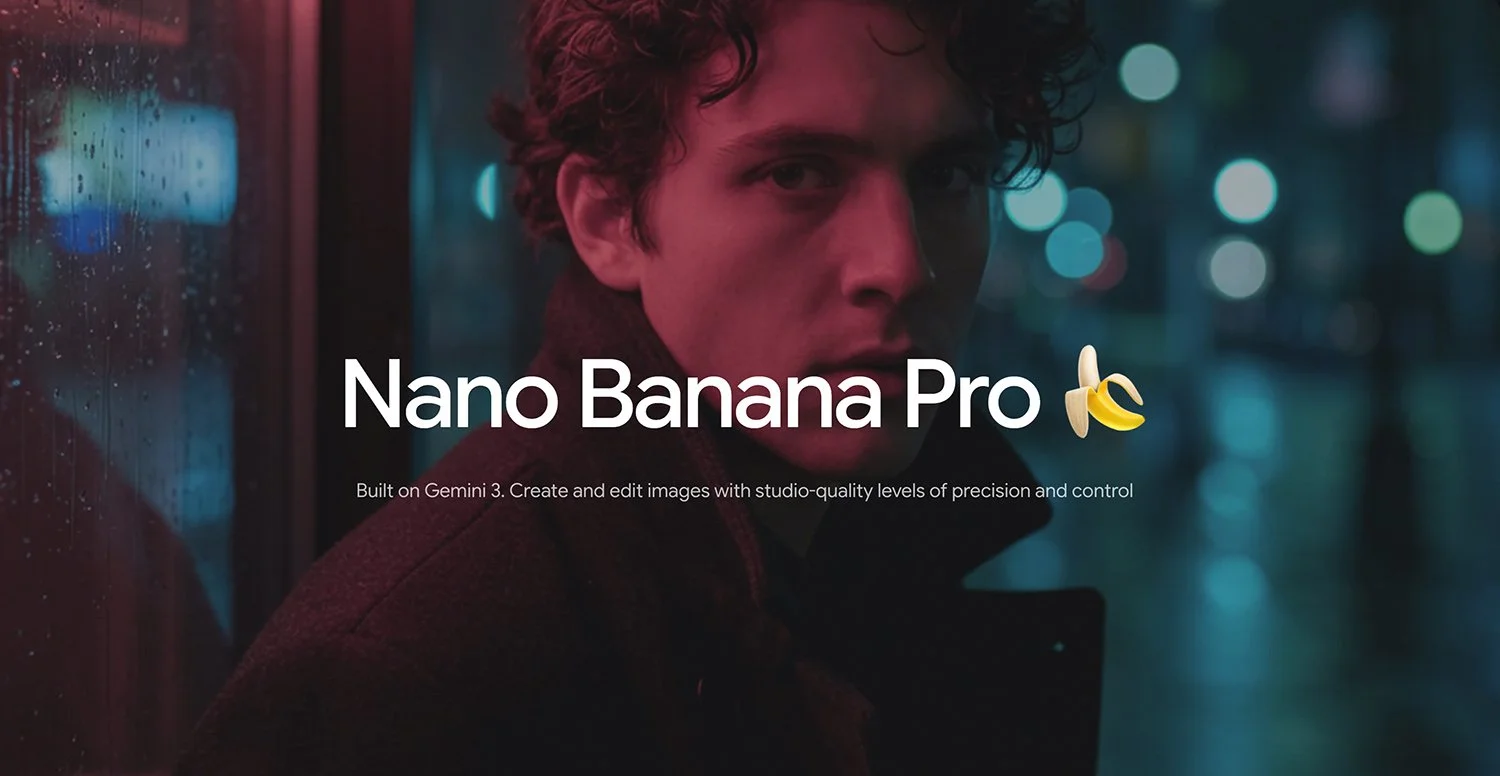
Photo Credit: Nano Banana Pro
Google has released Nano Banana Pro, an upgraded version of its artificial intelligence image generation and editing tool, just days after launching the underlying Gemini 3 Pro large language model.
The new model, officially named Gemini 3 Pro Image but widely referred to by the nickname Nano Banana Pro, began rolling out on November 20 in the Gemini app globally and is gradually expanding across other Google services.













Background and Development
Nano Banana Pro builds directly on the original Nano Banana model, which debuted in August 2025 as part of Gemini 2.5 Flash Image. That earlier version became widely popular for its ability to generate realistic images, especially hyperrealistic 3D figurine-style portraits from user selfies, helping drive a surge of new downloads and usage for the Gemini app.
The Pro upgrade arrives amid intense competition in generative AI imagery and follows Google’s release of Gemini 3 – including Gemini 3 Pro – earlier in the week. Developers at Google DeepMind have integrated the new foundation model to address key limitations in the first Nano Banana, notably inconsistent text rendering and a hard ceiling on resolution.


Key Features and Capabilities
Nano Banana Pro introduces several technical improvements aimed at precision and control in AI-assisted visual creation:
Higher resolution outputs
Supports 2K and 4K images, a significant jump from the original Nano Banana’s maximum of around 1024×1024. This allows for sharper posters, detailed UI mock-ups and assets suitable for print or high-density displays.Enhanced multilingual text rendering
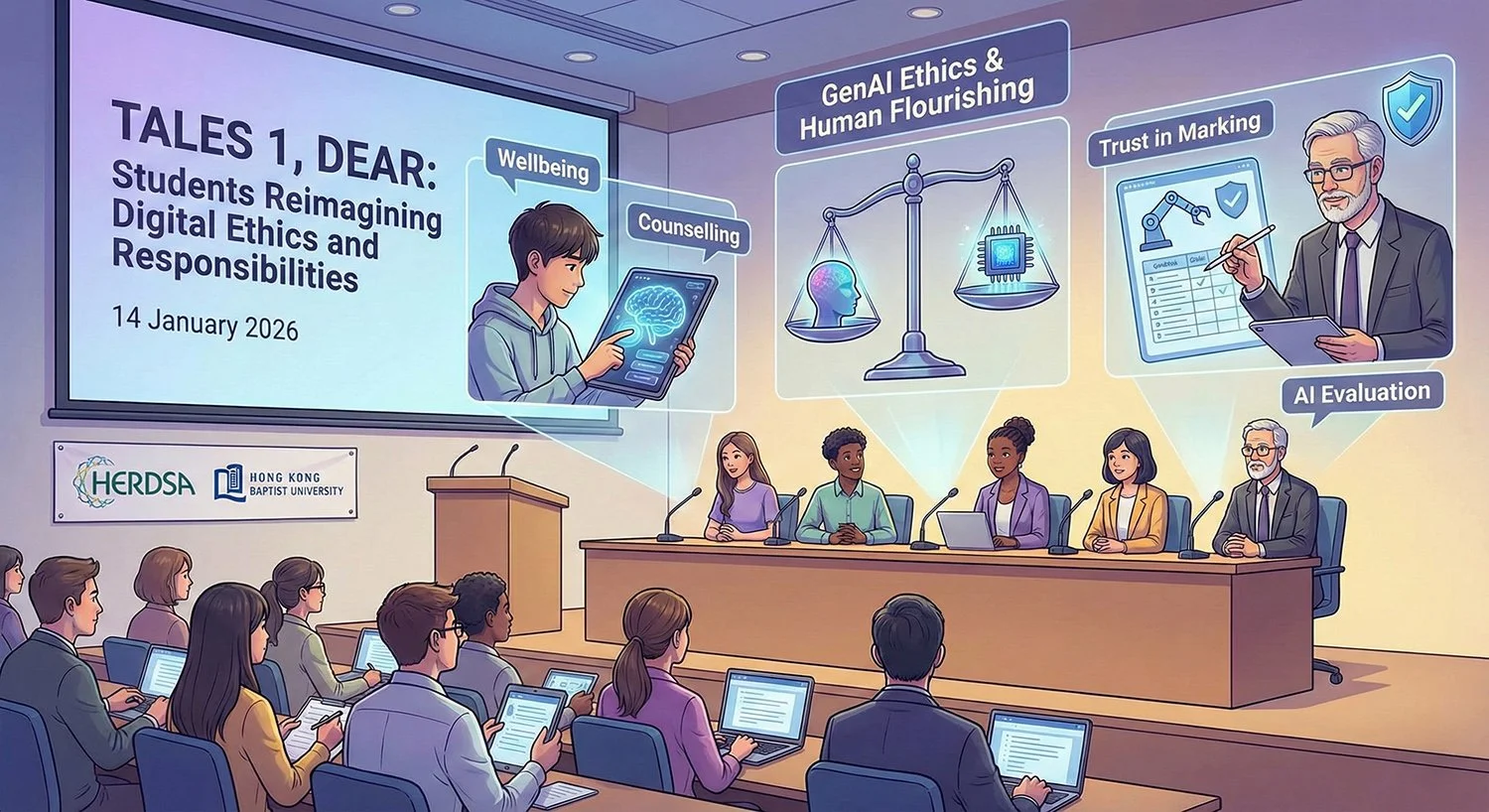
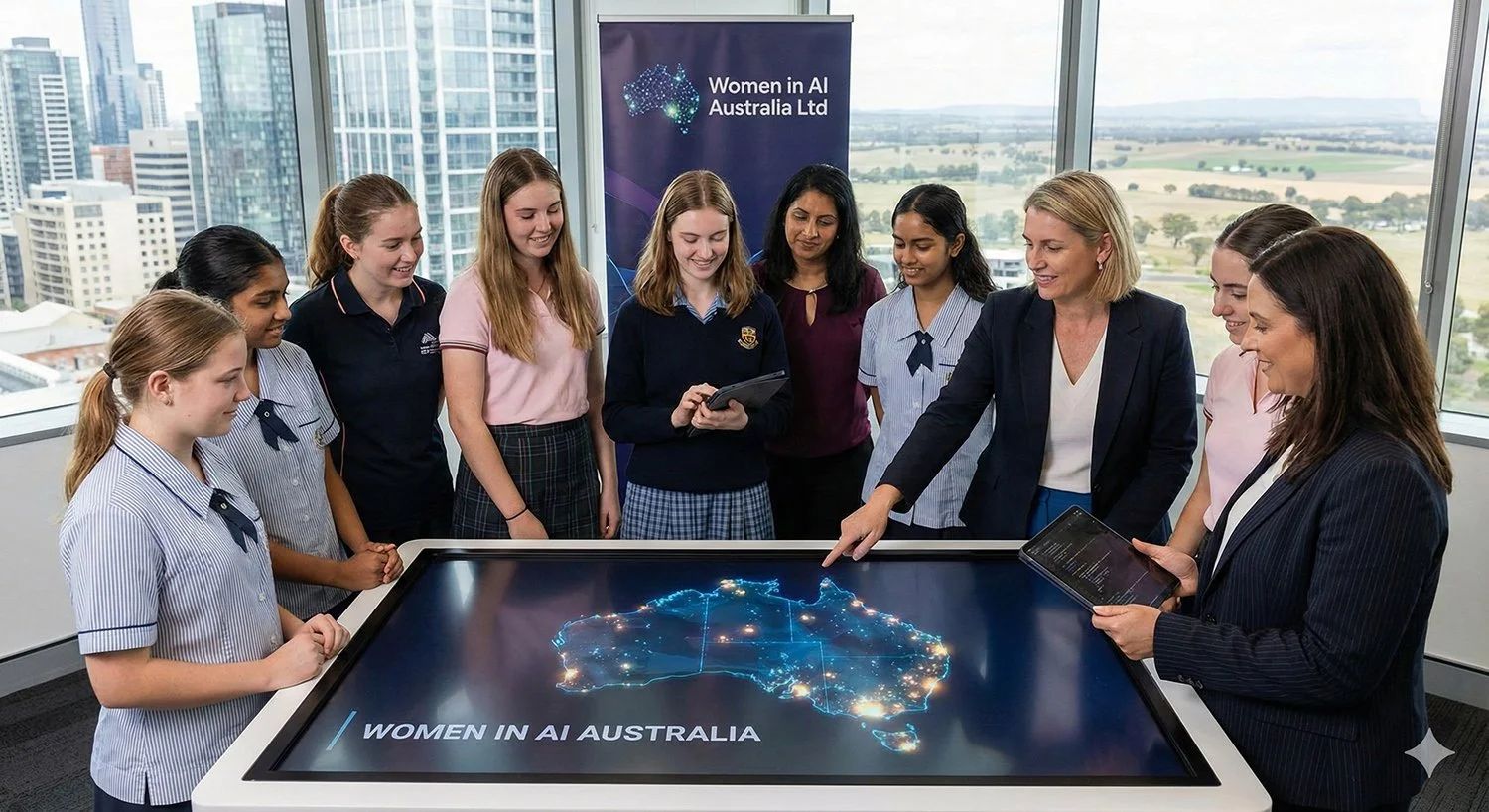
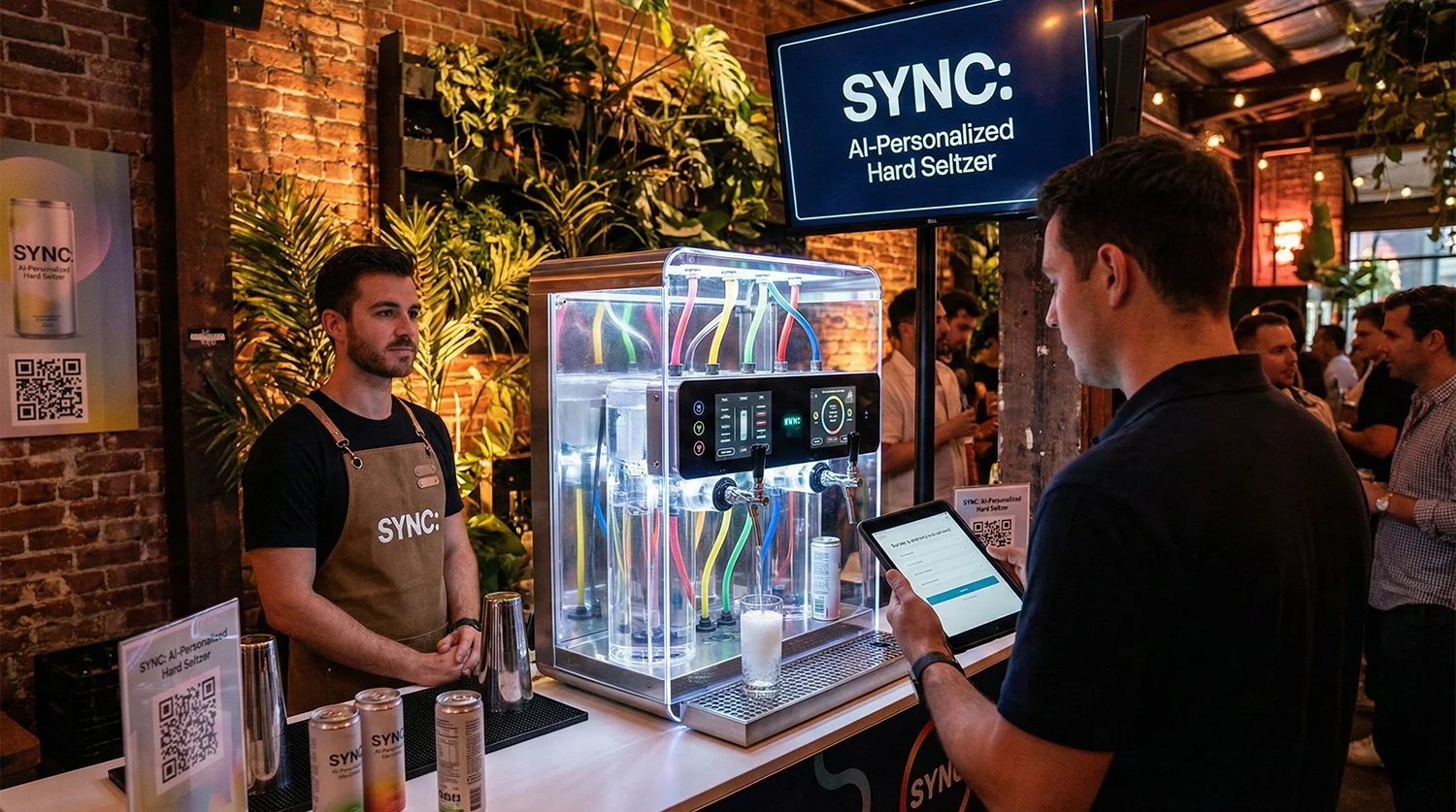
Produces legible, stylistically accurate text directly inside images across multiple languages, addressing a longstanding weakness of many generative models. Posters, invitations and infographics can now carry clear headings, labels and annotations without heavy manual cleanup.Advanced editing controls
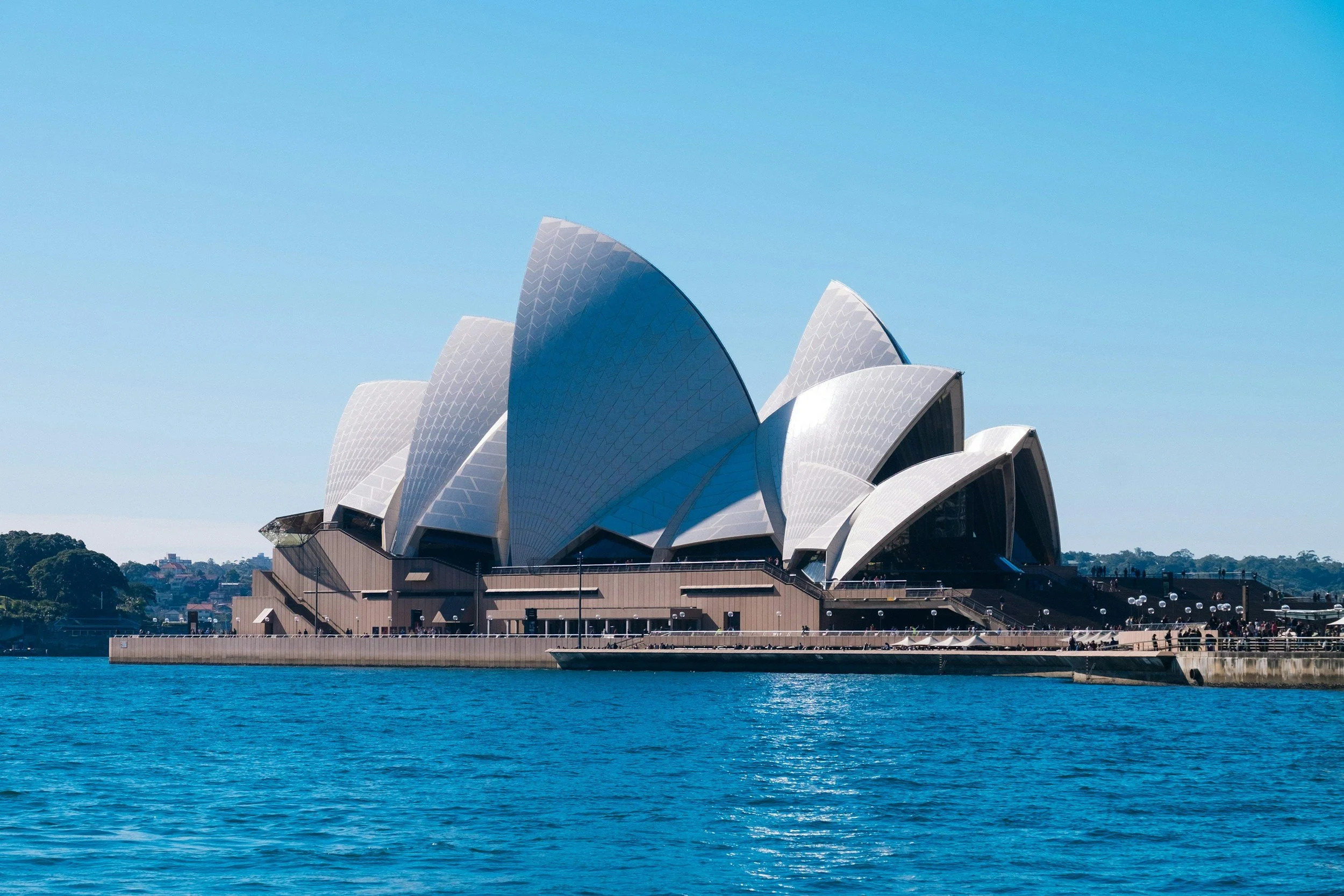
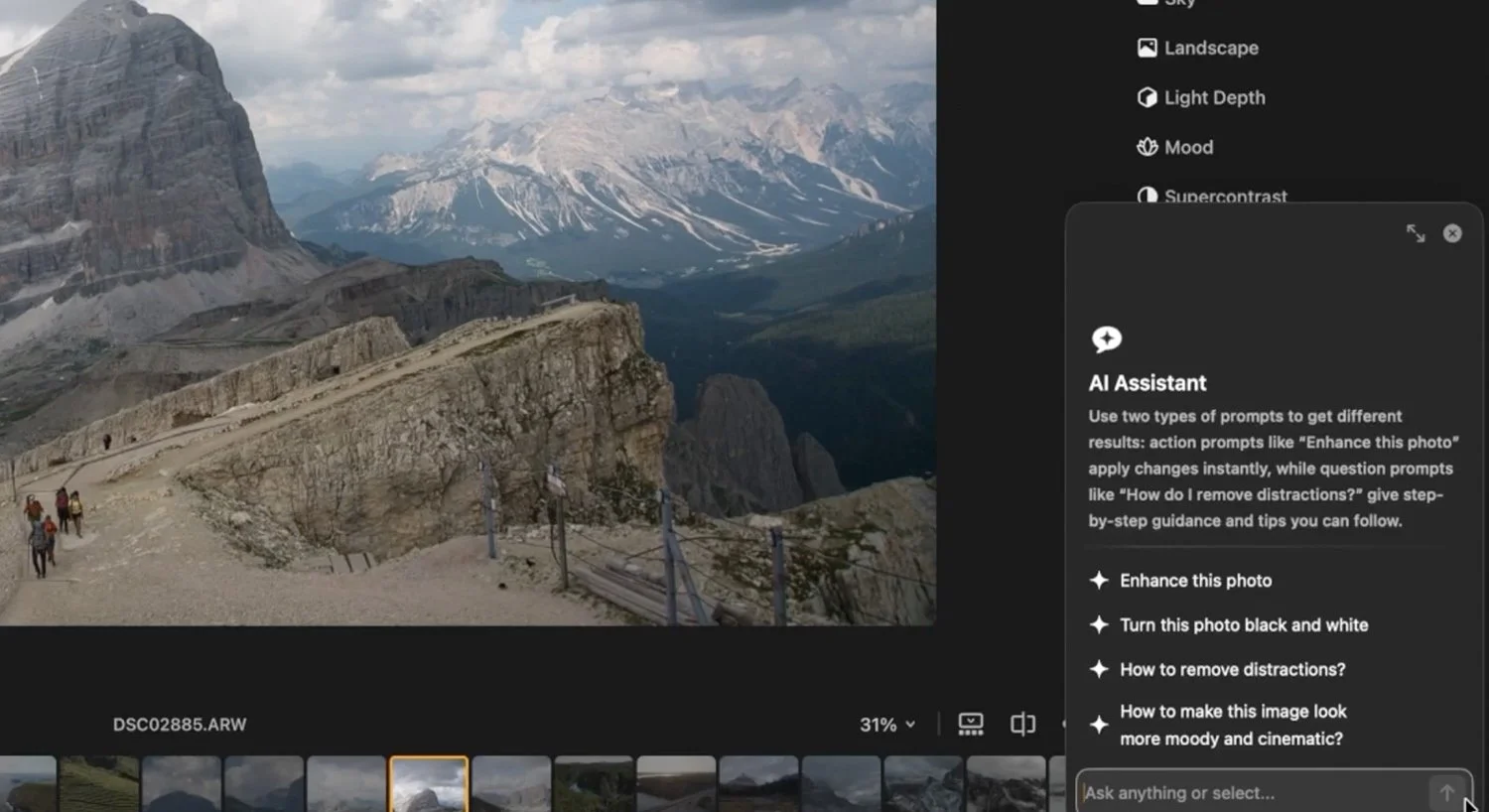
Offers finer control over camera angle, lighting, depth of field, focus and colour grading, along with localised edits. Users can highlight specific regions to adjust, such as changing the background, tweaking lighting on a subject, or altering bokeh without regenerating the entire scene.Multi-image blending and subject consistency
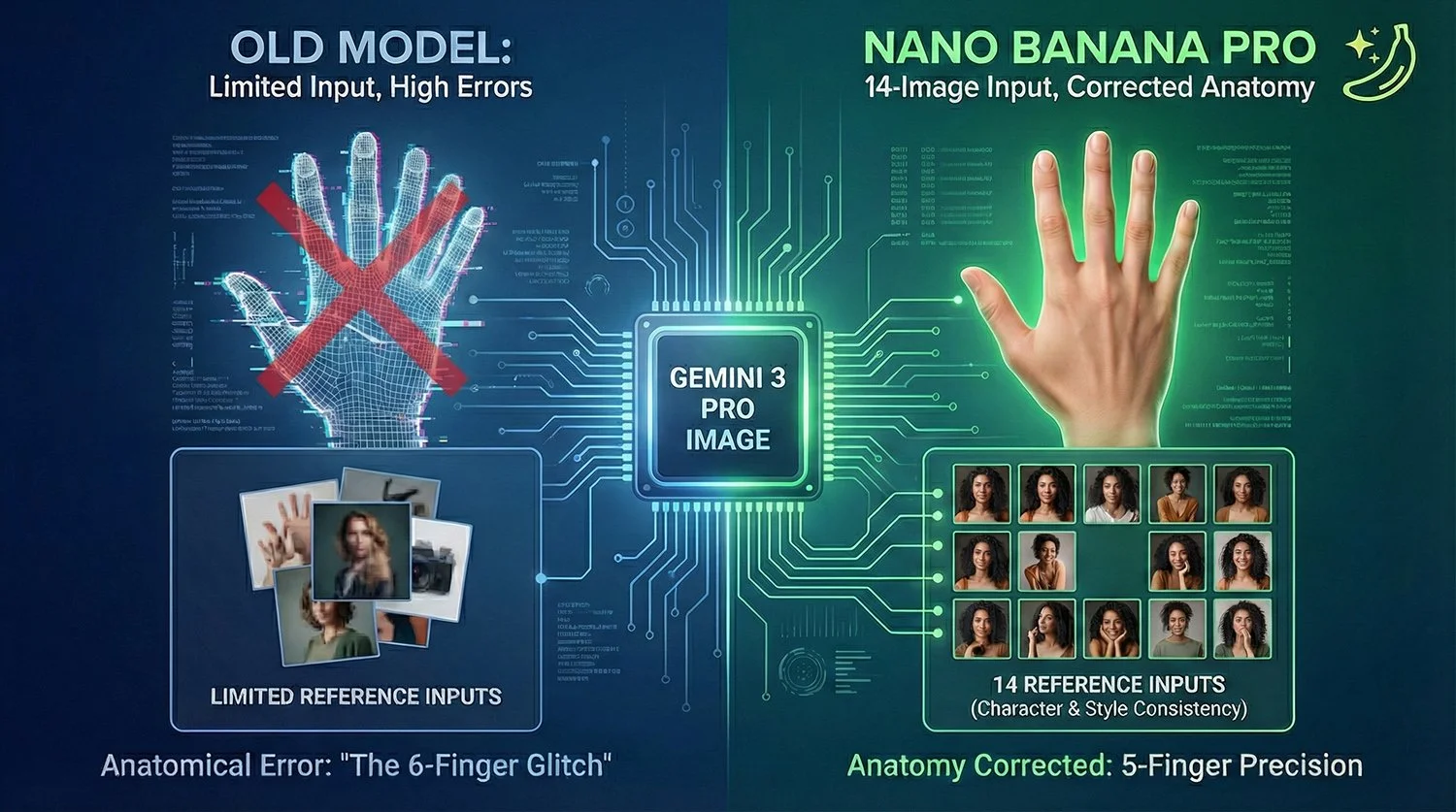
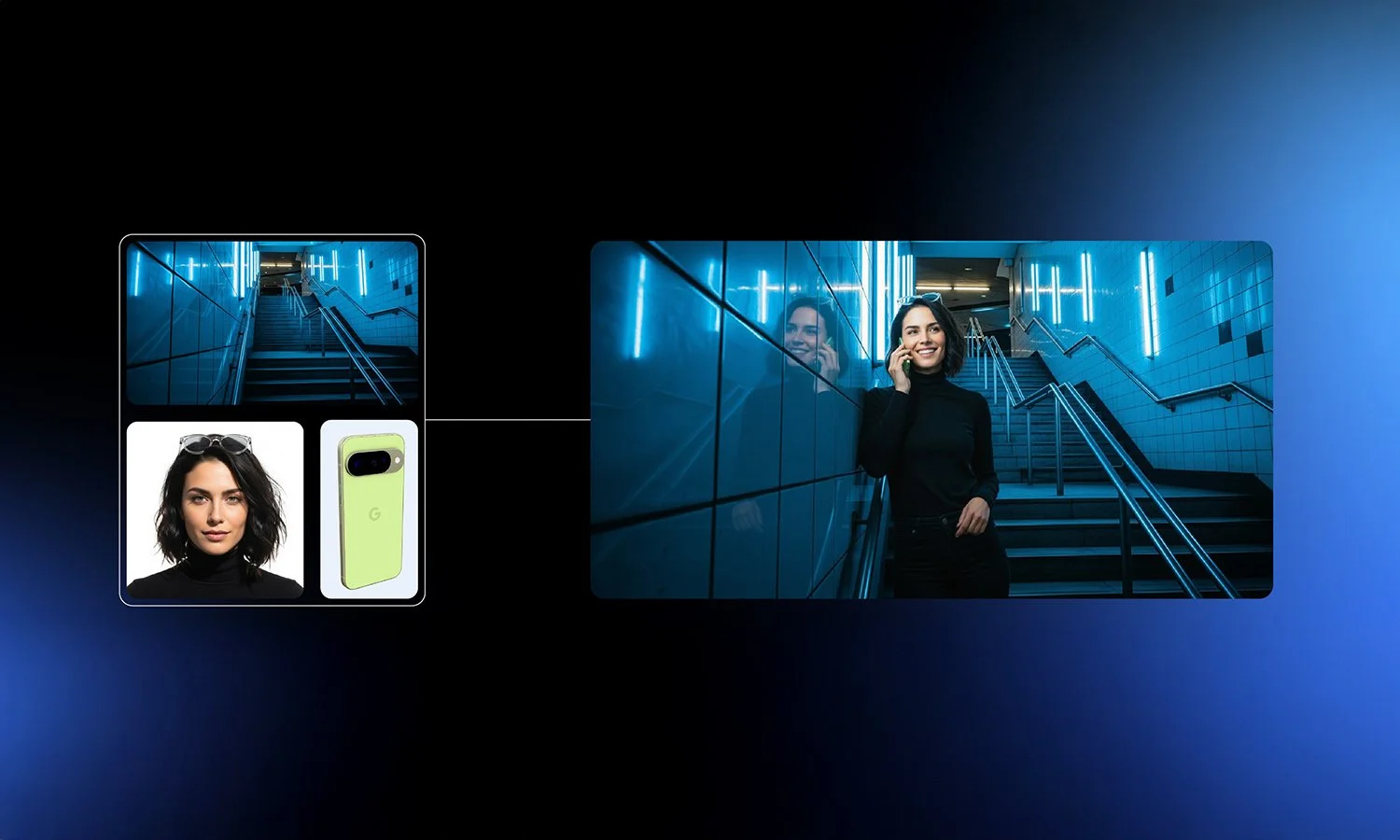
Can blend up to 14 images into a single composition while maintaining consistency for up to five people across generations. This is particularly useful for storyboards, marketing composites or educational diagrams that reuse the same characters or objects.Grounded visual generation via Gemini 3 Pro
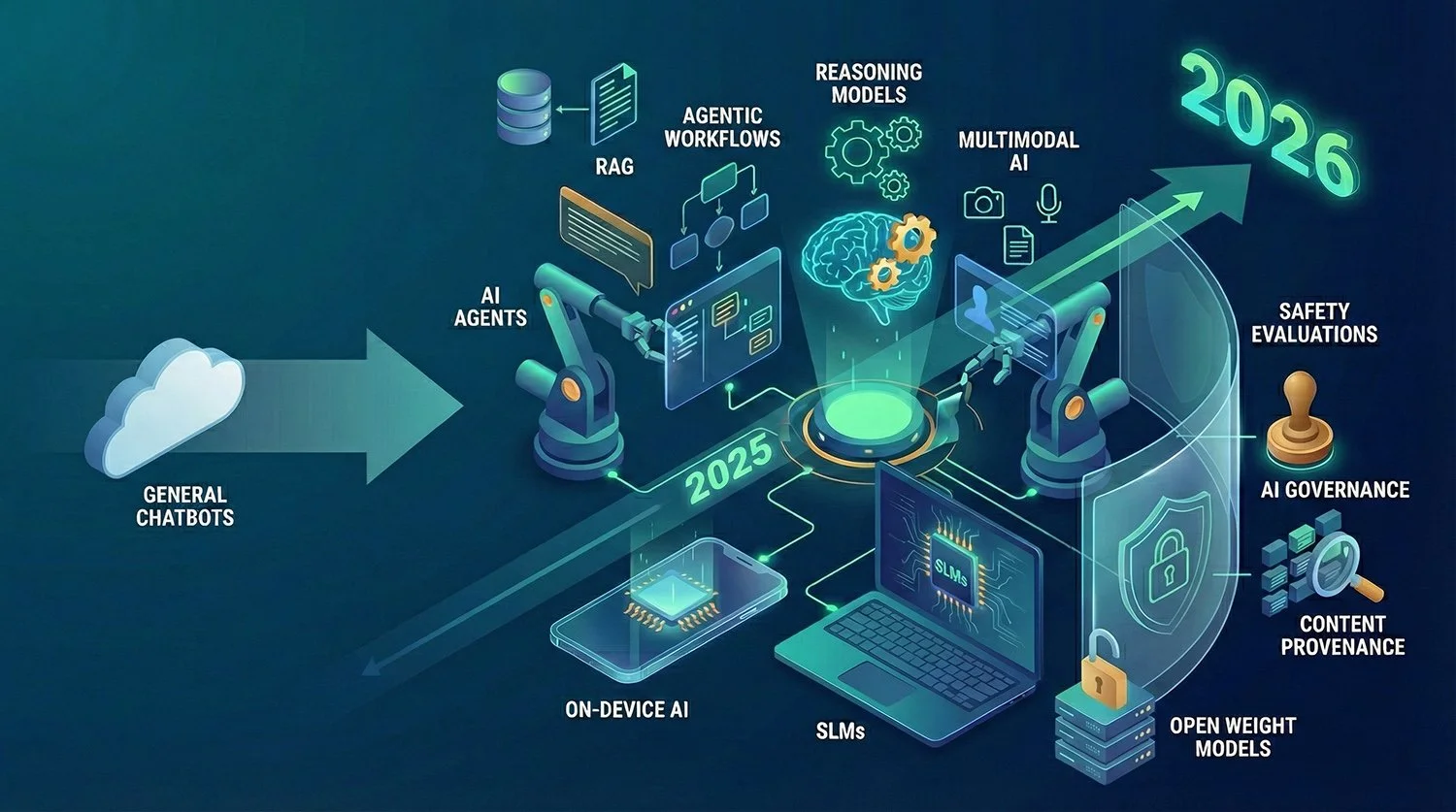
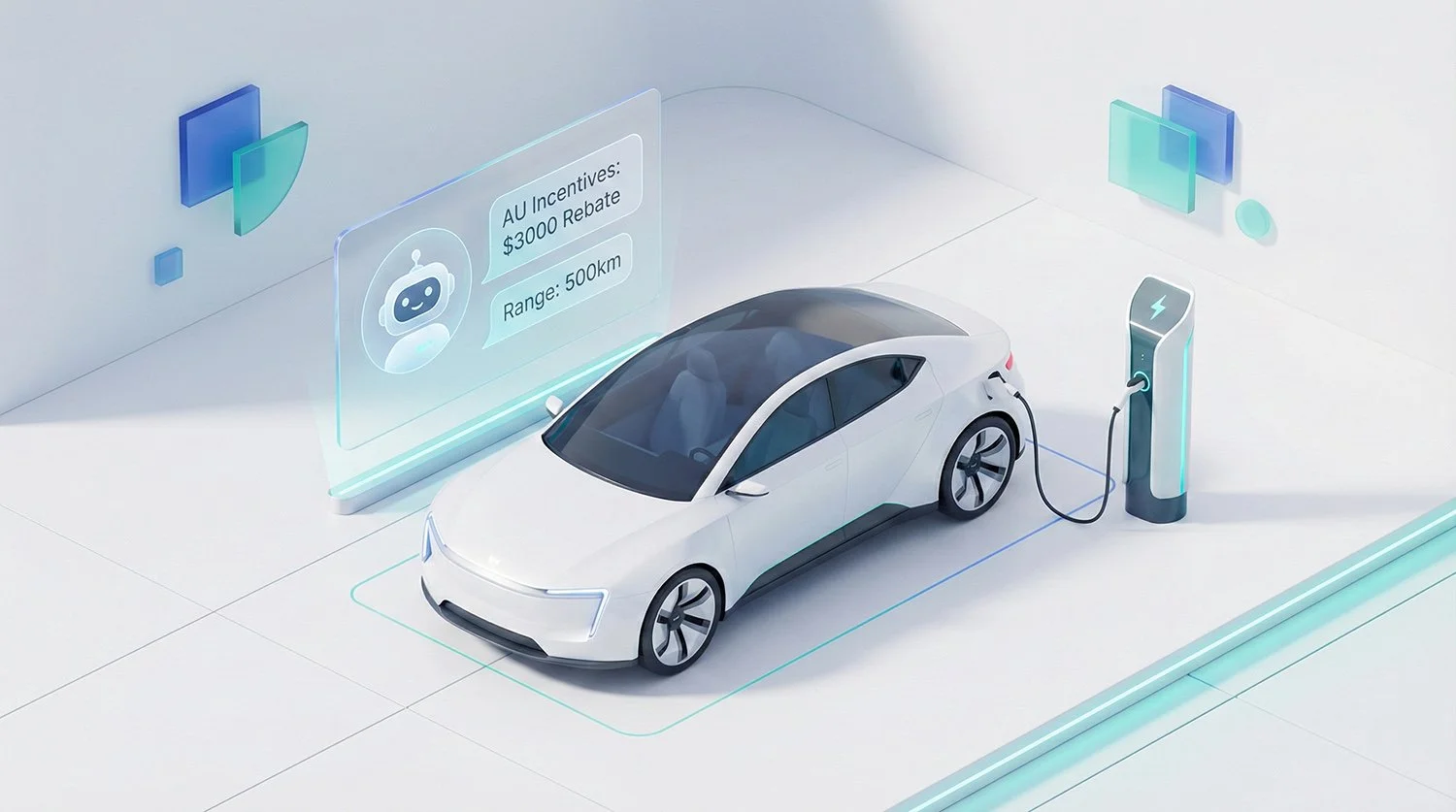
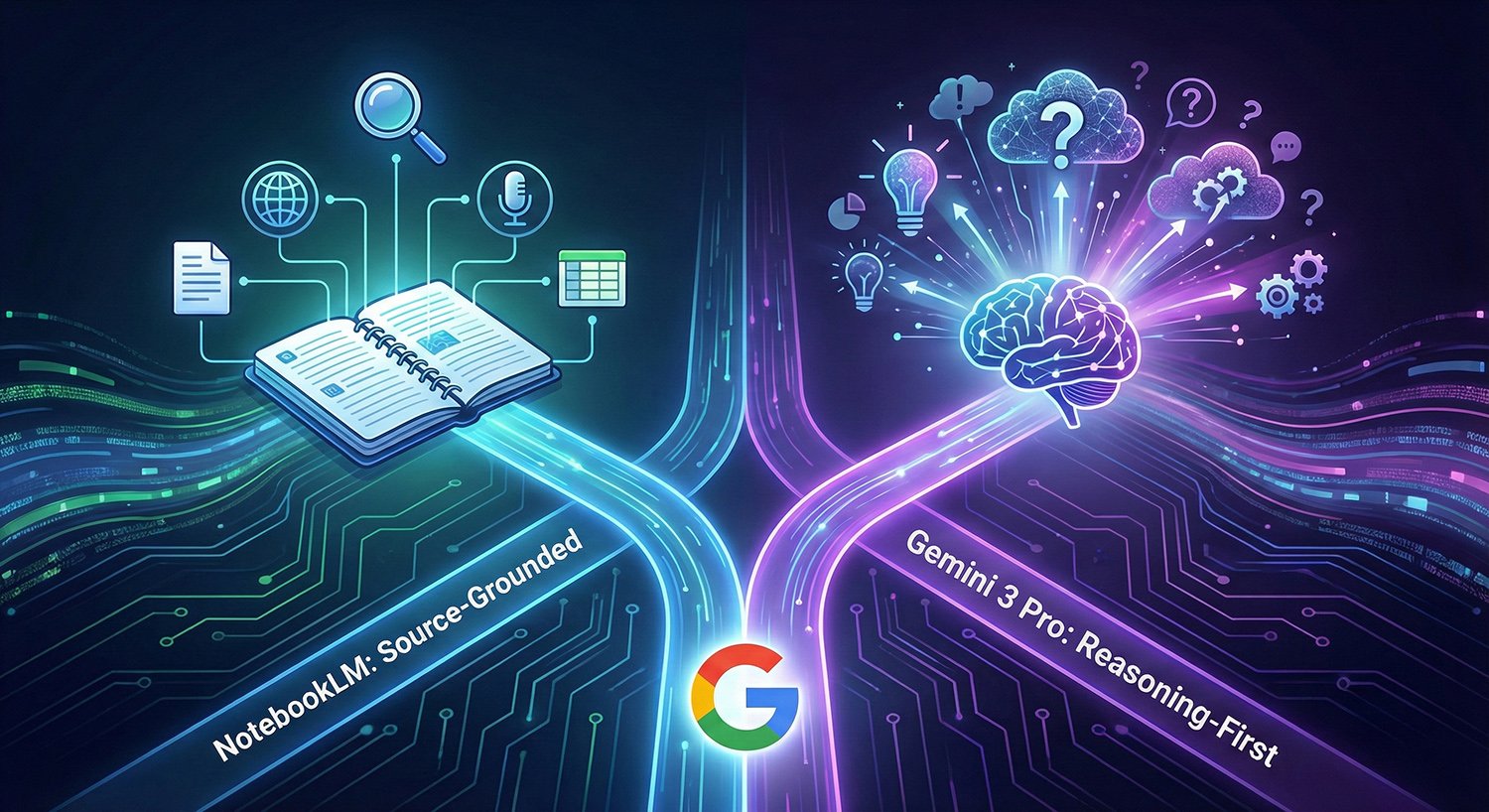
Through its tight integration with Gemini 3 Pro, Nano Banana Pro can incorporate real-time web information when generating visuals such as infographics, process diagrams or comparison charts, aiming to keep content aligned with current facts.
On the safety side, every output carries SynthID invisible watermarking and C2PA/Content Credentials metadata, allowing detectors and compatible platforms to identify images as AI-generated even after common edits. In consumer interfaces such as the Gemini app, images are typically also labelled with a visible AI marker, while the underlying SynthID signal remains present regardless of whether an overlay is shown.






Access and Availability
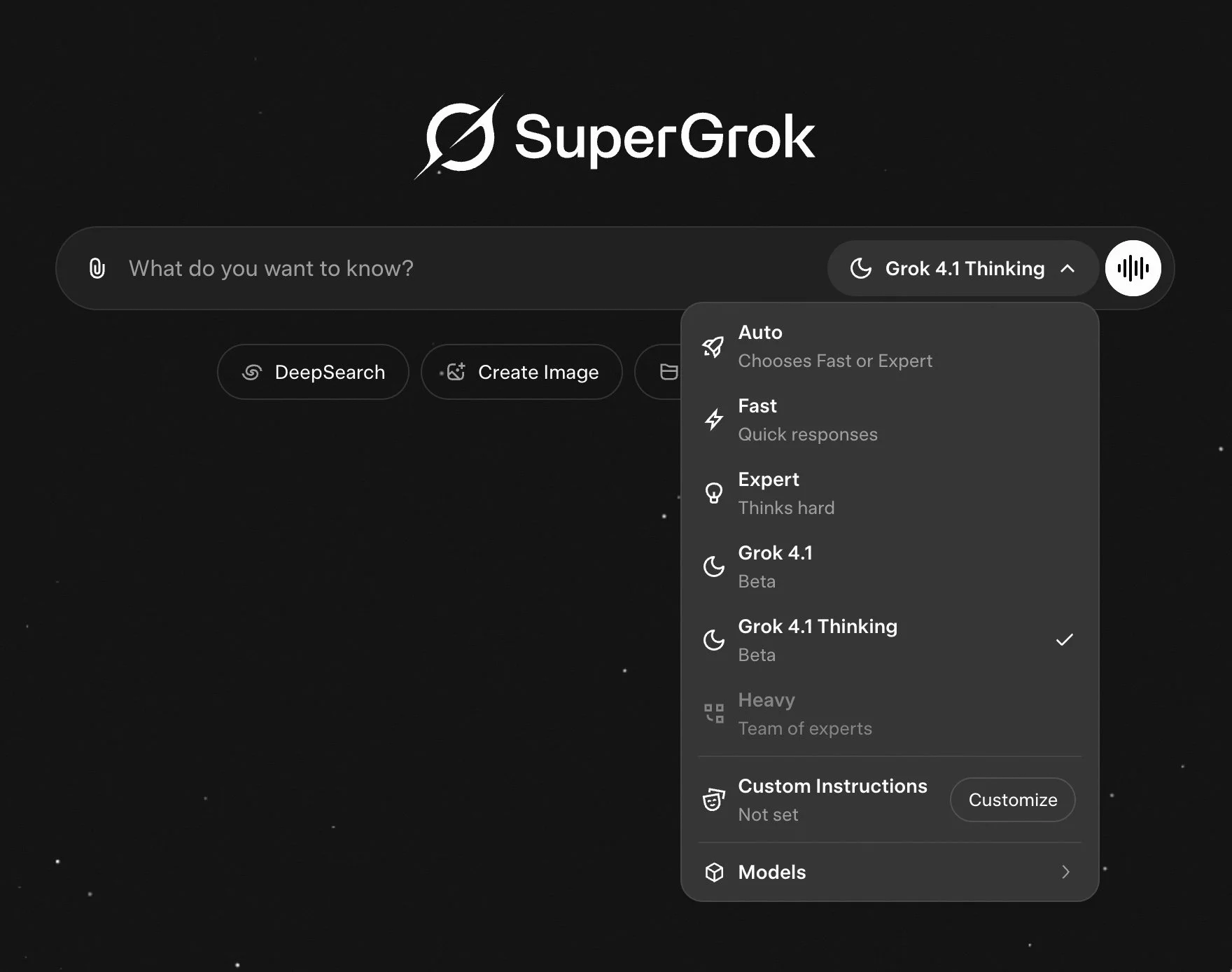
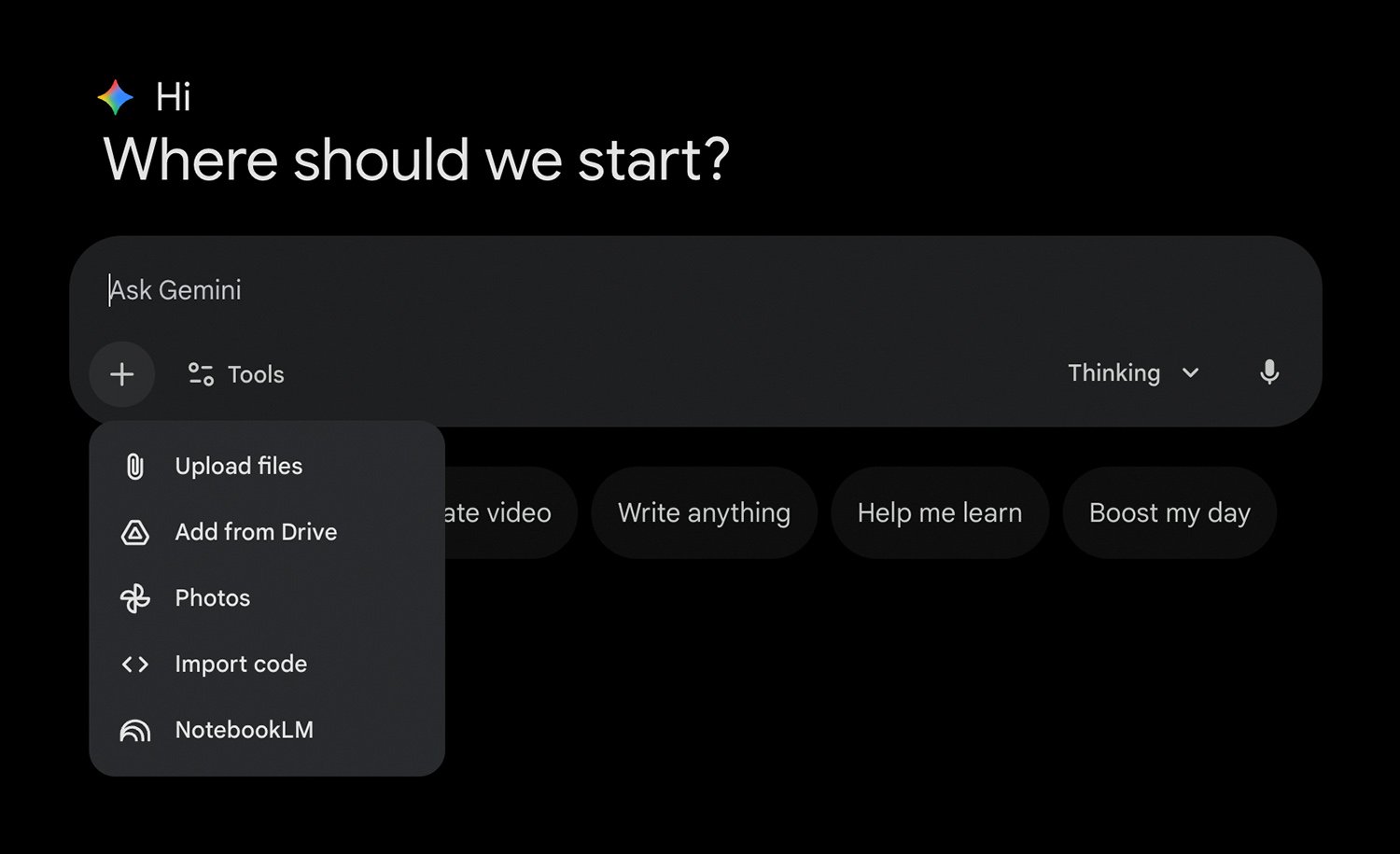
Nano Banana Pro is available inside the Gemini app when users select the Thinking / Gemini 3 Pro model and choose to create or edit images. For most users on that setting, it now functions as the primary image model, replacing the earlier Nano Banana in many scenarios.
Free accounts can use Nano Banana Pro with usage limits; once those are reached, generation may fall back to the original Nano Banana model or be temporarily throttled. Paid tiers, including Google AI Plus, Pro and Ultra, provide higher quotas and more generous usage windows for Nano Banana Pro.
Beyond the Gemini app, the model is also being integrated into:
Google Workspace tools such as Slides and Vids, for generating presentation graphics and storyboards.
Flow with Google AI for Ultra subscribers, where it supports visual elements inside AI-assisted video workflows.
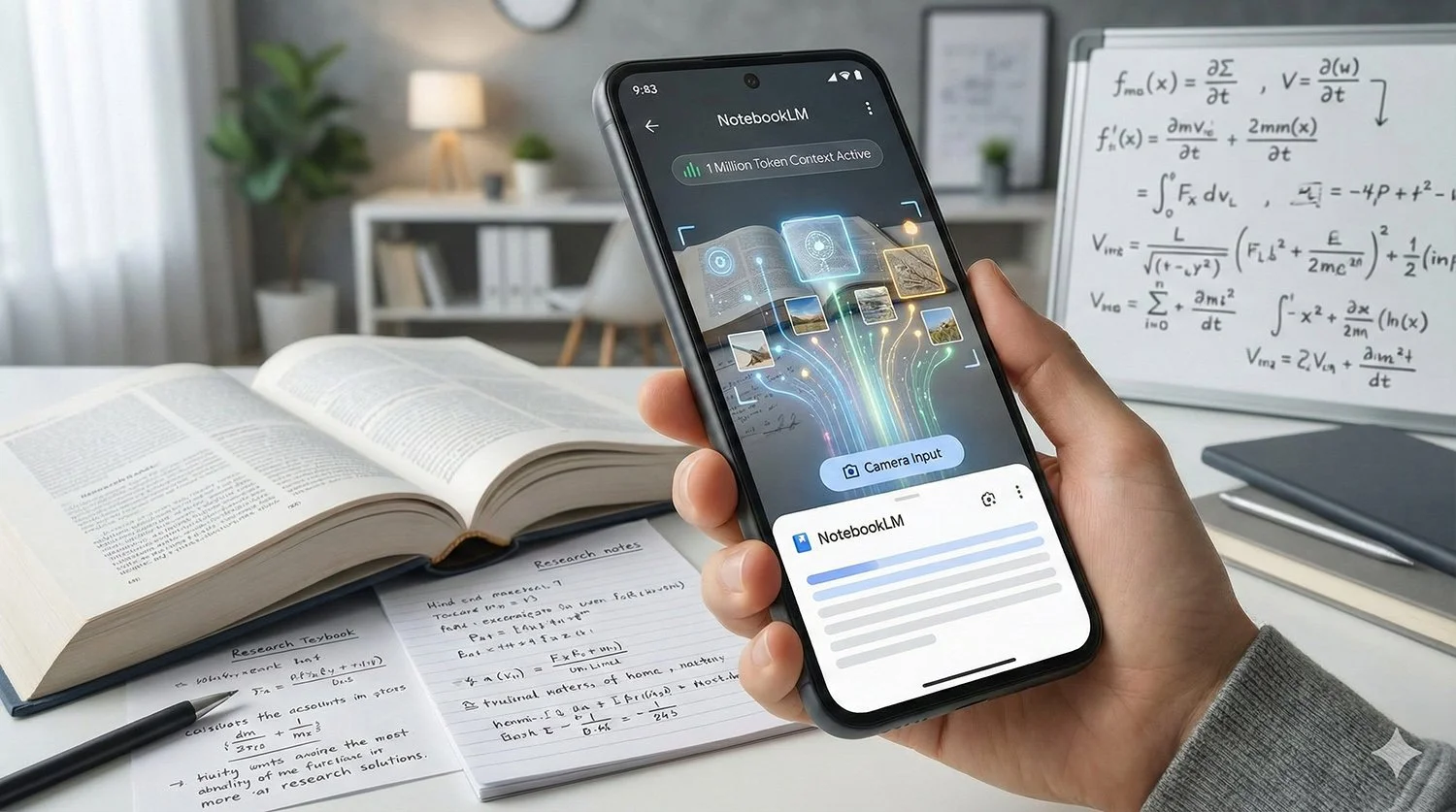
NotebookLM, enabling visually supported notes and research summaries.
Developer-facing products including Google AI Studio, the Gemini API, and enterprise offerings like Vertex AI and Google Antigravity, where Nano Banana Pro can be used within custom applications and pipelines.
In Google’s developer console, Gemini 3 Pro Image is positioned as a higher-fidelity option above lighter image models, with pricing that reflects its more intensive computational requirements.
















Comparison with Competitors
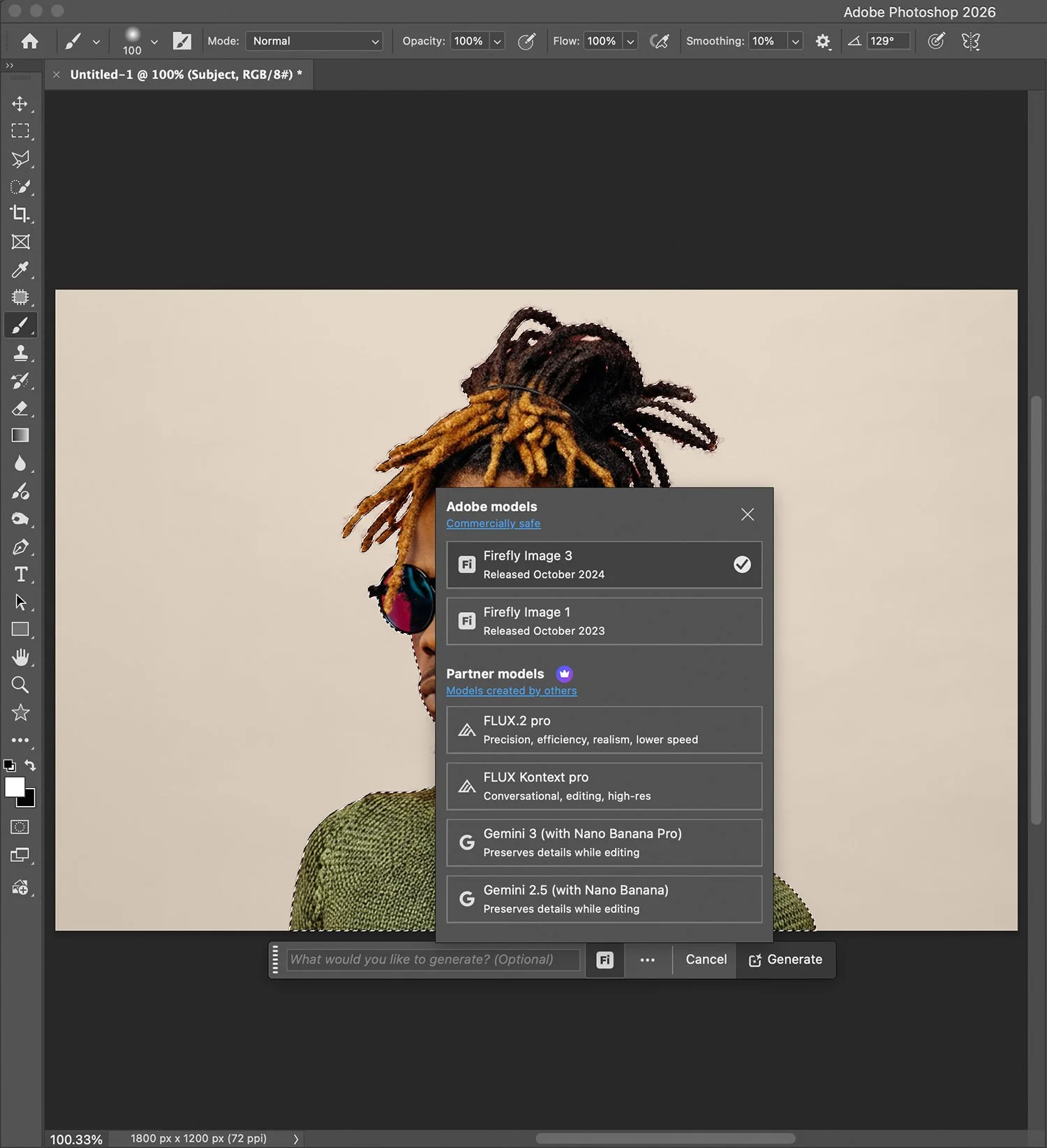
With Nano Banana Pro, Google positions itself more directly against leading generative image tools such as OpenAI’s GPT-Image series, Midjourney, and Adobe Firefly.
Commentary from early testers and analysts has highlighted several relative strengths:
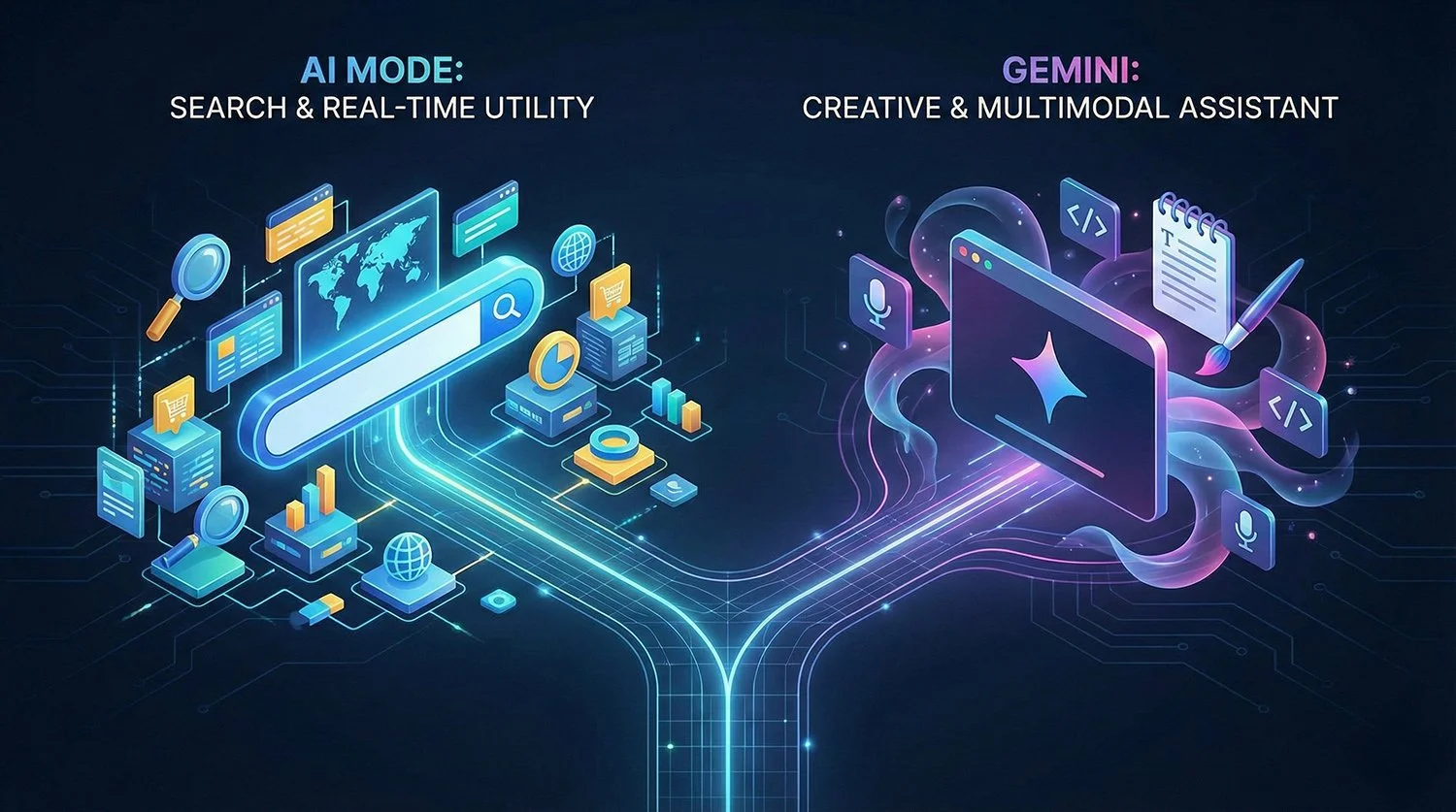
Native search grounding via Gemini 3 Pro makes it well-suited for factual visuals, including educational diagrams, data-rich infographics and documentation mock-ups.
Multilingual, typography-aware text rendering gives it an advantage when creating posters, UI mocks or marketing materials that must include readable copy in multiple languages.
At the same time, Nano Banana Pro is a heavier model than simple diffusion-based systems aimed purely at artistic output. While Google has not disclosed full architectural details, the model is tightly integrated with Gemini 3 Pro’s reasoning stack, helping it follow complex, multi-step instructions more reliably than many earlier image tools.












Industry Context and Future Implications
Nano Banana Pro’s launch underscores Google’s strategy of embedding advanced multimodal AI throughout its ecosystem, building on Gemini 3’s improvements in reasoning and multimodal understanding.
Where the original Nano Banana helped popularise casual creative use — social-media-ready edits, 3D figurine selfies and playful filters — the Pro variant is clearly aimed more at professional and semi-professional workflows in design, marketing and education. By improving resolution, text accuracy and editing control, Google is attempting to reduce how much manual retouching users need to do after generation.
Industry observers expect Google to continue iterating quickly on its visual stack, potentially deepening the links between Nano Banana Pro and other media models such as Veo for video over time, although the company has not yet announced specific integration timelines. More broadly, the move reflects a wider trend across the AI sector: rapid updates in fidelity, control and provenance signalling that are encouraging broader adoption among both consumers and enterprises.

















 TheDayAfterAI News
We are a leading AI-focused digital news platform, combining AI-generated reporting with human editorial oversight. By aggregating and synthesizing the latest developments in AI — spanning innovation, technology, ethics, policy and business — we deliver timely, accurate and thought-provoking content.