
C2PA 2.2 in 2025: How a Global Provenance Standard Aims to Tackle AI Fakes
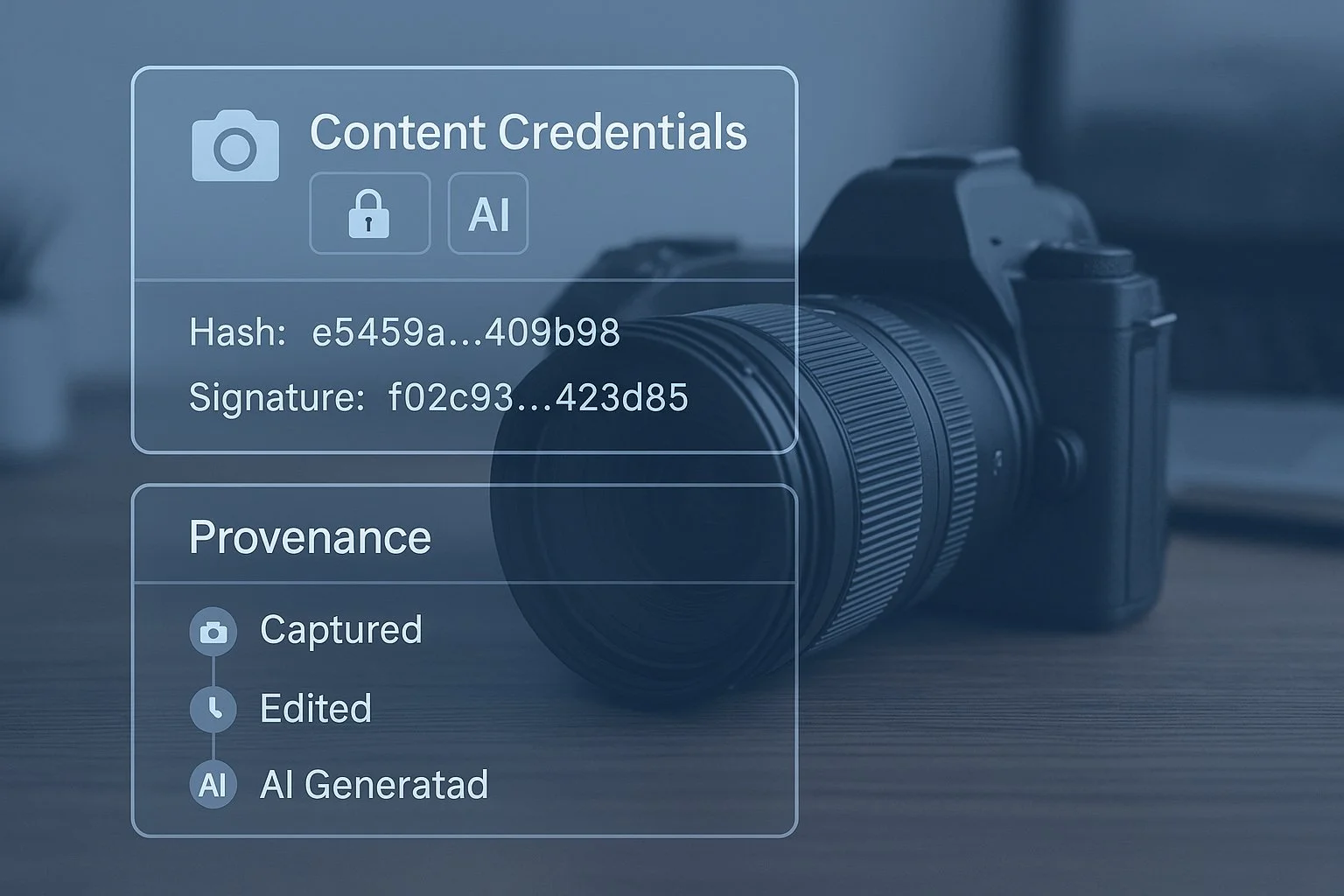
Image Credit: Jacky Lee
The Coalition for Content Provenance and Authenticity (C2PA) has become a leading open technical standard for tracing the origin and modification history of digital media at a time when generative AI tools are making it increasingly easy to produce highly realistic manipulated images, videos and audio.
















What Is C2PA?
C2PA is an industry-driven standards body developing specifications for embedding secure, tamper-evident provenance data, known as Content Credentials, into digital files. These credentials can describe:
who created or edited the content,
what tools were used,
whether AI contributed to the generation or modification of the asset.
Unlike simple watermarks or ordinary metadata that can be stripped or forged, C2PA uses cryptographic hashes and digital signatures to bind provenance data to the media. Verification tools can confirm whether the manifest has been altered, and whether the signatures originate from recognised issuers.
The standard works across images, video, audio and documents, and is designed to operate independently of how media are hosted or shared.











Origins and Development
Efforts to standardise digital provenance accelerated in 2019 when Adobe founded the Content Authenticity Initiative (CAI) with partners such as The New York Times and Twitter (now X).
In February 2021, Adobe joined Microsoft, BBC, Intel, Arm, Truepic and others to form C2PA under the Joint Development Foundation, part of the Linux Foundation. This combined Adobe’s CAI work with Microsoft’s Project Origin, which had focused on combating disinformation in news media.
C2PA has since published a series of specifications:
Version 1.0 (January 2022): first complete standard.
Version 2.0 (2023): evolved the manifest structure, bindings and trust models.
Version 2.1 (mid-2024): strengthened threat modelling and improved soft-binding durability.
Version 2.2 (May 2025): enhanced soft-binding recovery, clarified threat models and expanded implementation guidance for hardware and software vendors.

















How the Standard Works
C2PA tools attach a manifest to the media containing a chain of assertions, for example:
capture device and settings,
editing steps and tools,
whether generative AI was used,
export or publishing information.
Each assertion is hashed and signed, forming a cryptographically verifiable chain of custody. Verification tools can then:
check whether the manifest remains intact,
validate signatures,
display the full history of edits.
C2PA supports two forms of binding:
Hard binding — cryptographically tied to exact bytes or pixels.
Soft binding — more resilient identifiers used when metadata may be stripped or files recompressed.



















Key Players and Current Adoption
C2PA is guided by a steering committee that includes Adobe, Amazon, BBC, Google, Intel, Meta, Microsoft, OpenAI, Publicis Groupe, Sony and Truepic. Participation also extends broadly through the Content Authenticity Initiative.
Camera Manufacturers
Adoption in the imaging hardware sector is expanding, although still limited to specific models:
Leica M11-P
The first production camera in 2023 to ship with native Content Credentials signing.Sony
Sony’s Camera Authenticity Solution (CAS) uses C2PA-standard digital signatures on selected Alpha still cameras via a paid digital-signature licence. In June 2025, Sony launched Camera Verify, a portal for newsrooms to authenticate CAS-signed images. Video support is planned and being rolled out progressively rather than fully implemented across all models.Nikon
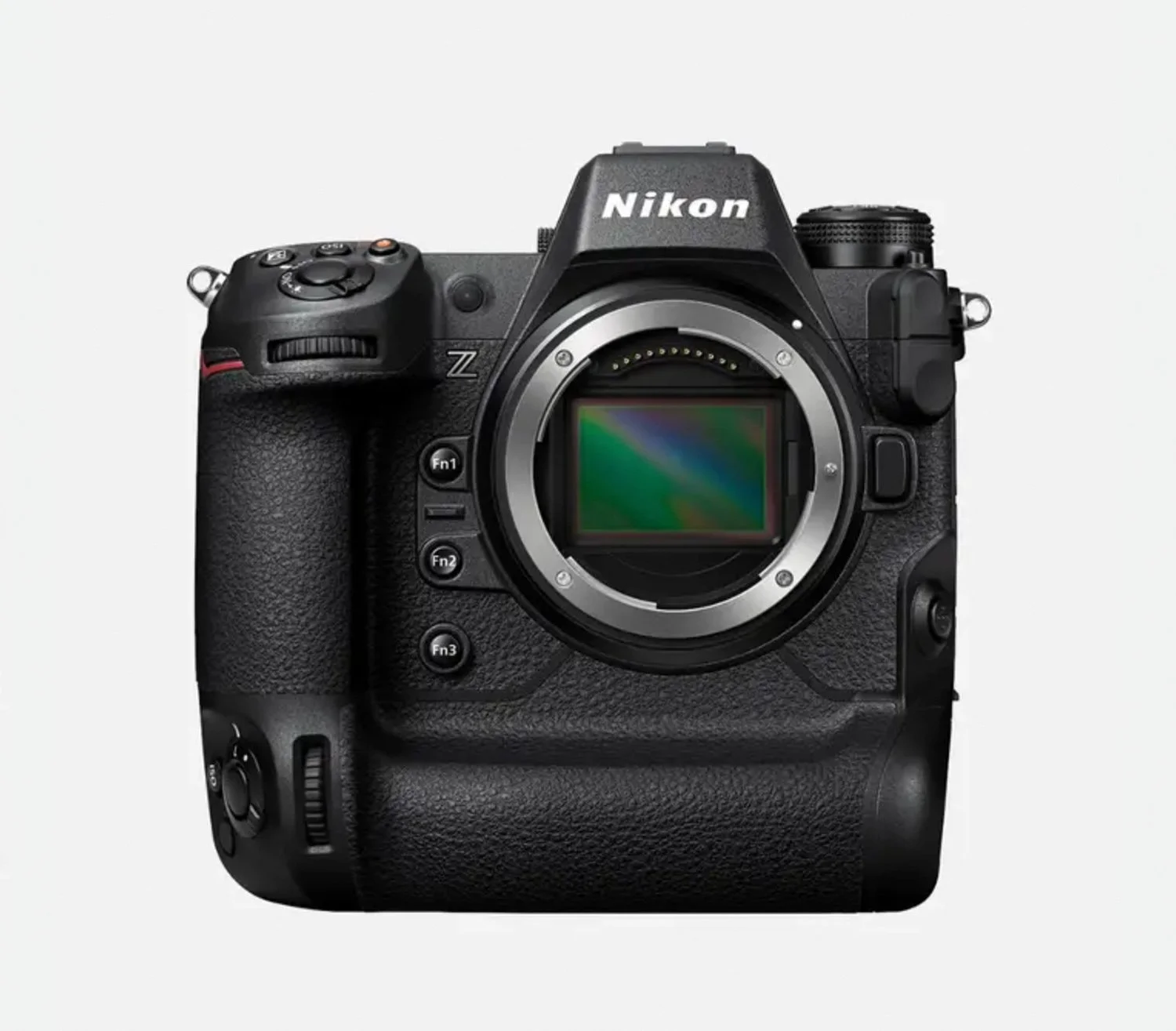
Nikon has begun adding Content Credentials support to specific cameras, including the Z6 III (with C2PA/Content Credentials menus) and the Z9 via firmware.Canon
Firmware updates in July 2025 for cameras such as the EOS R1 and R5 Mark II added functions that embed C2PA-format authenticity information.Fujifilm
After joining CAI and C2PA in 2024, Fujifilm has announced plans to introduce Content Credentials to selected GFX and X-series cameras through future firmware updates.
Overall, adoption across camera lines remains selective and early-stage.
Software and AI Tools
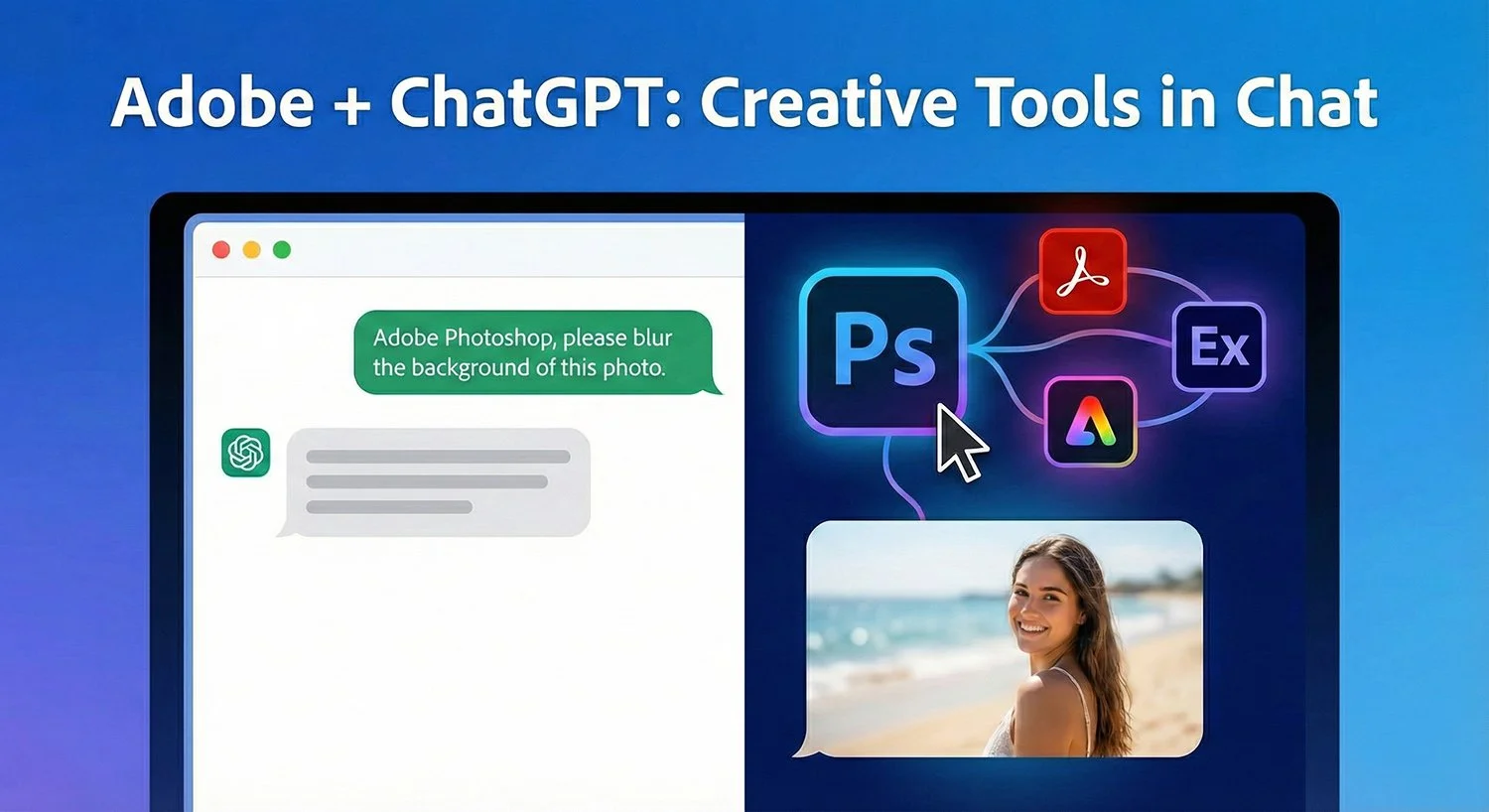
Adobe integrates Content Credentials across Photoshop, Lightroom and its Firefly generative AI services.
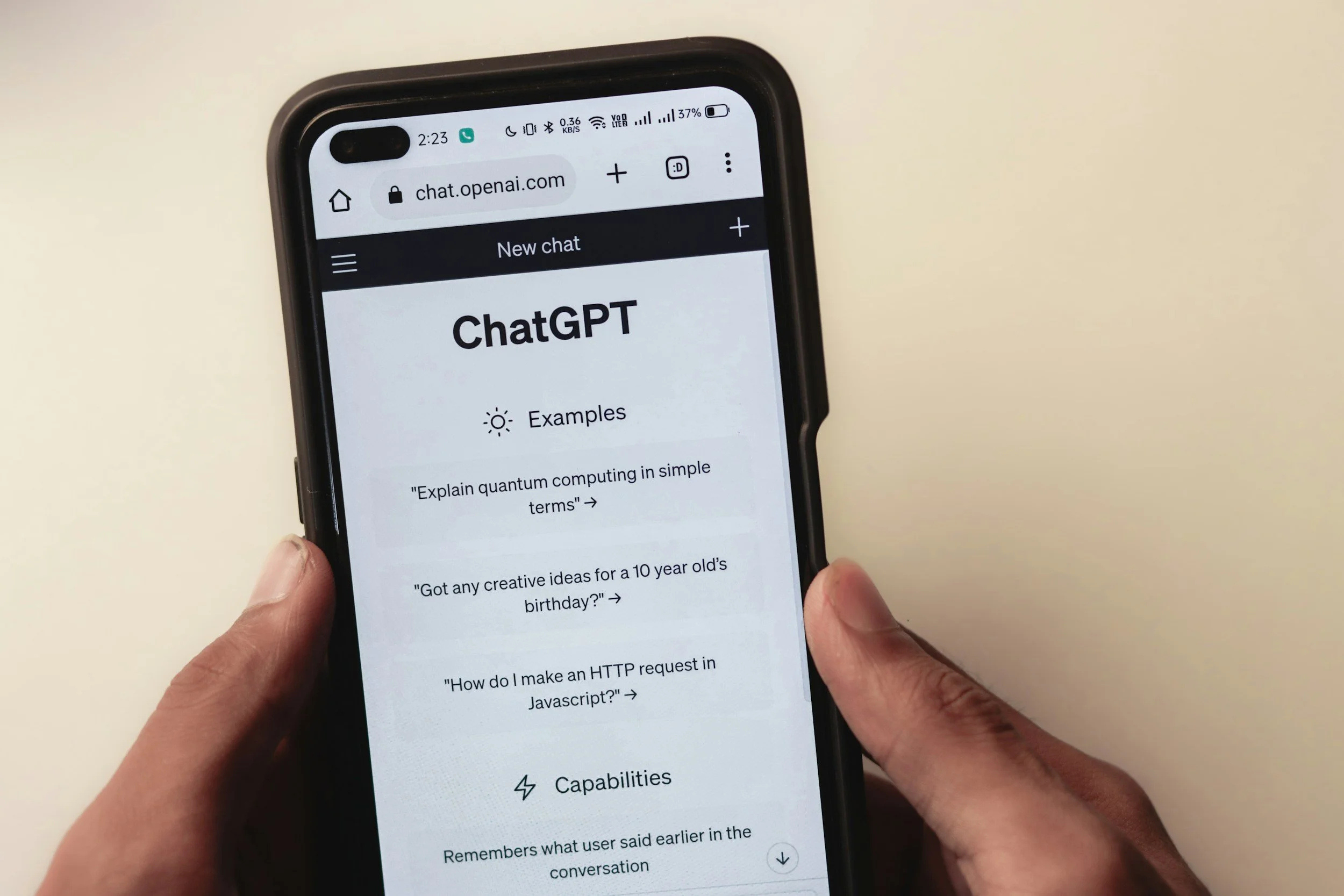
OpenAI attaches C2PA manifests to all DALL·E-generated images in ChatGPT and the API, with plans to do the same for Sora video output.
Microsoft applies Content Credentials to AI images created via Bing Image Creator and Designer.
Google is incorporating C2PA provenance into its AI image workflows and uses these signals in its “About this image” feature.
Social Media and Publishing Platforms
Adoption is growing but still uneven:
TikTok automatically adds Content Credentials to AI-generated videos and surfaces indicators to viewers.
LinkedIn displays Content Credentials icons when metadata is present.
Meta uses C2PA signals to support labelling of AI-generated images across Facebook, Instagram and Threads.
YouTube has begun using C2PA-based provenance for certain authenticity labels on uploaded content.





















Relevance in the Age of AI
Generative AI has significantly increased the risk of deepfakes, impersonation and synthetic media. C2PA is not an AI-detection system, it cannot judge whether content is true or fake. Instead, it provides a trusted way for tools to declare how content was created and edited.
Examples:
OpenAI labels DALL·E imagery with Content Credentials.
Adobe’s Firefly outputs include C2PA manifests.
Microsoft and Google add C2PA provenance to their imaging tools.
This enables clearer distinction between AI-generated media and traditional captures, while making edit histories visible and verifiable.


















Comparisons with Other Approaches
Traditional metadata (EXIF, IPTC) can store camera settings and author information but lacks cryptographic protection and is easily removed or forged.
C2PA improves on these by:
embedding selected EXIF/IPTC fields into signed assertions,
cryptographically binding the manifest to the media,
standardising how provenance data is displayed and validated.
Other approaches differ:
Invisible watermarks (e.g. Google SynthID) can signal AI generation but do not preserve an edit history.
AI-detection tools attempt to identify synthetic patterns but remain inconsistent and increasingly circumventable.
C2PA’s value lies in providing an end-to-end, tamper-evident chain of custody, backed by a wide industry coalition.
























Limitations and Concerns
C2PA’s effectiveness depends on widespread, voluntary adoption. Key limitations include:
Metadata stripping — manifests can be removed accidentally or deliberately; soft bindings help but are not guaranteed.
Trust in signers — credentials prove who signed claims, not whether the content is truthful.
Key compromise — stolen or misused signing keys could attach deceptive credentials to fabricated media.
Privacy considerations — manifests risk exposing sensitive capture data if not carefully configured.
Patchy adoption — absence of credentials does not imply falsity, since most online media still carries no provenance data.



























Outlook
As AI-generated content becomes more sophisticated, pressure is mounting on the tech industry, regulators and publishers to ensure transparent media provenance.
Standards bodies such as ISO/IEC are exploring frameworks for authenticity and trusted media that interoperate with C2PA’s model. Policymakers in Europe, the US and elsewhere increasingly reference provenance standards and Content Credentials in guidance on misinformation and AI risk.
Momentum from major camera manufacturers, AI developers, and large platforms suggests that C2PA-based Content Credentials are likely to become more visible, especially as smartphones, browsers and messaging apps begin integrating them.
C2PA will form just one layer of a wider defence: technical detection tools, platform policies, regulatory measures and public media literacy.
For now, Content Credentials offer a promising but still nascent approach to making digital media more transparent, traceable and trustworthy.








































 TheDayAfterAI News
We are a leading AI-focused digital news platform, combining AI-generated reporting with human editorial oversight. By aggregating and synthesizing the latest developments in AI — spanning innovation, technology, ethics, policy and business — we deliver timely, accurate and thought-provoking content.