
Nano Banana Hits 94% Text Accuracy: Google’s Gemini 2.5 vs. Midjourney
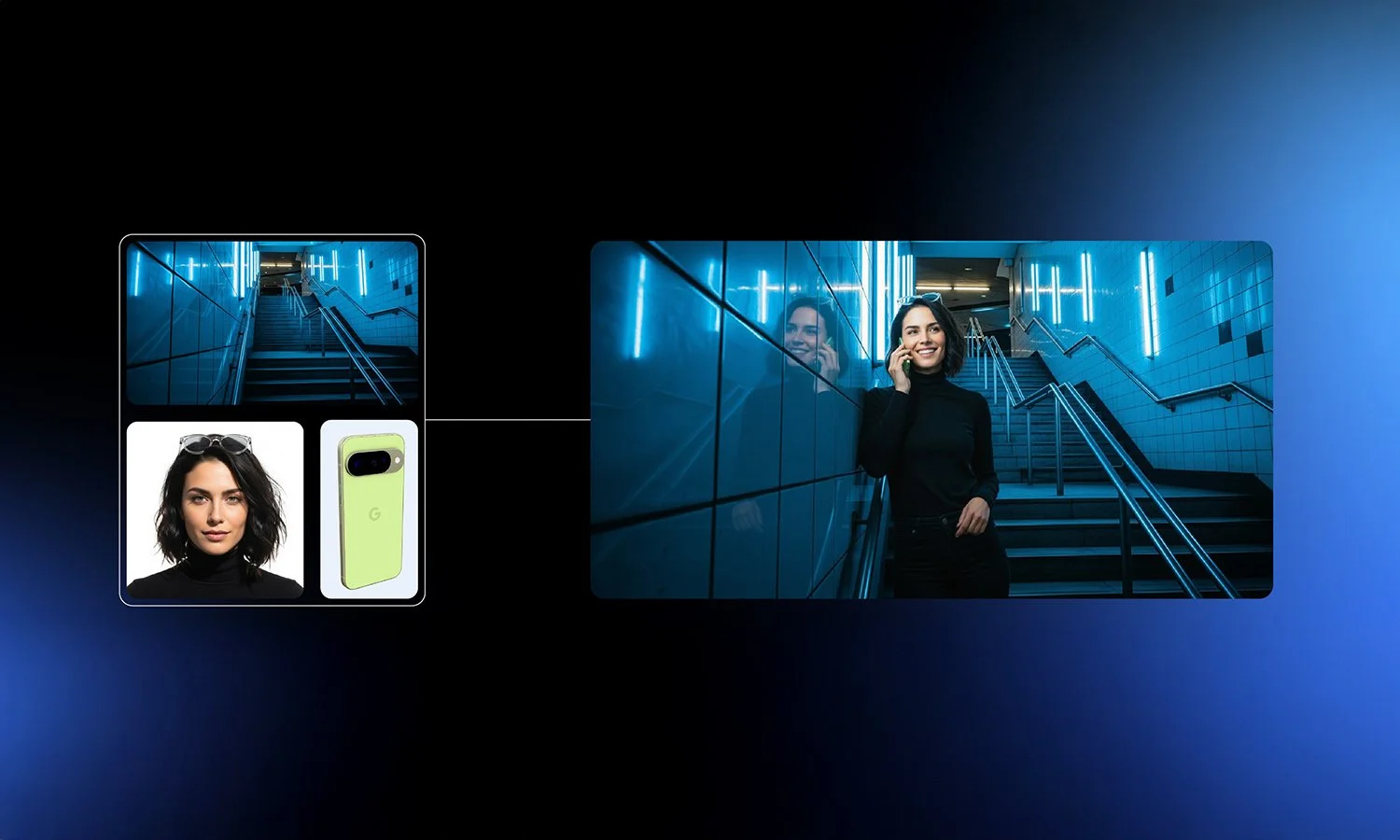
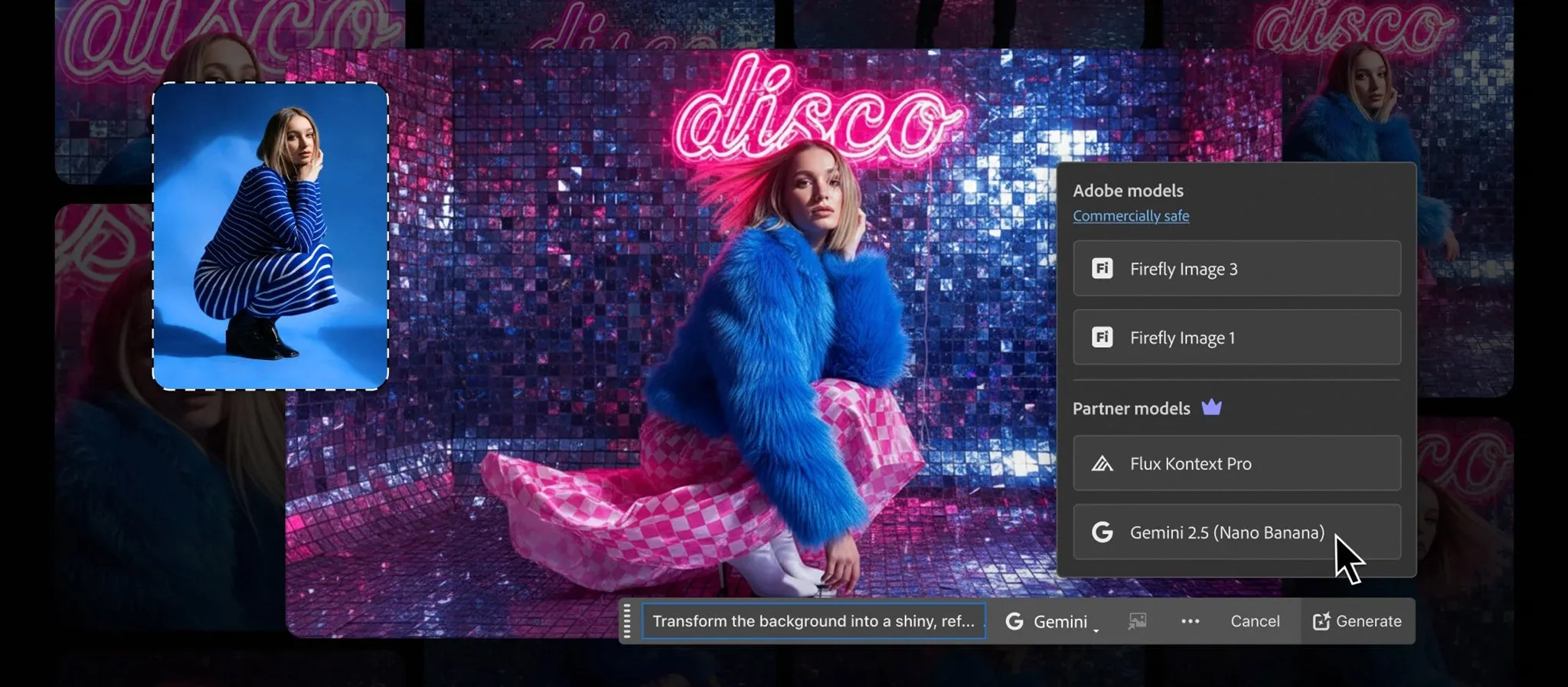
Image Source: Google for Developers
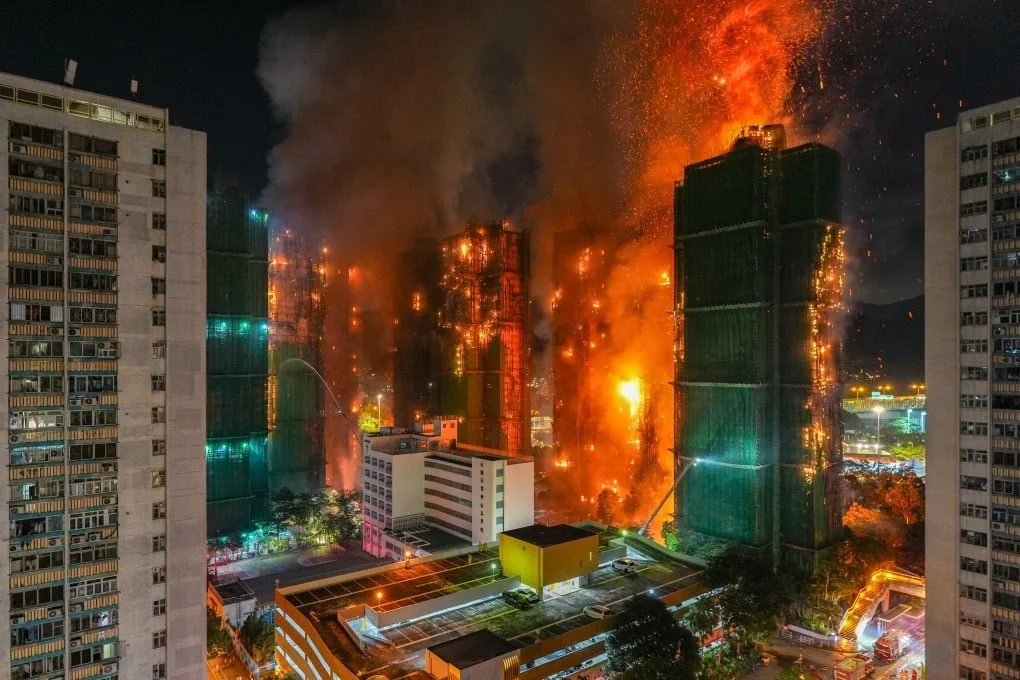
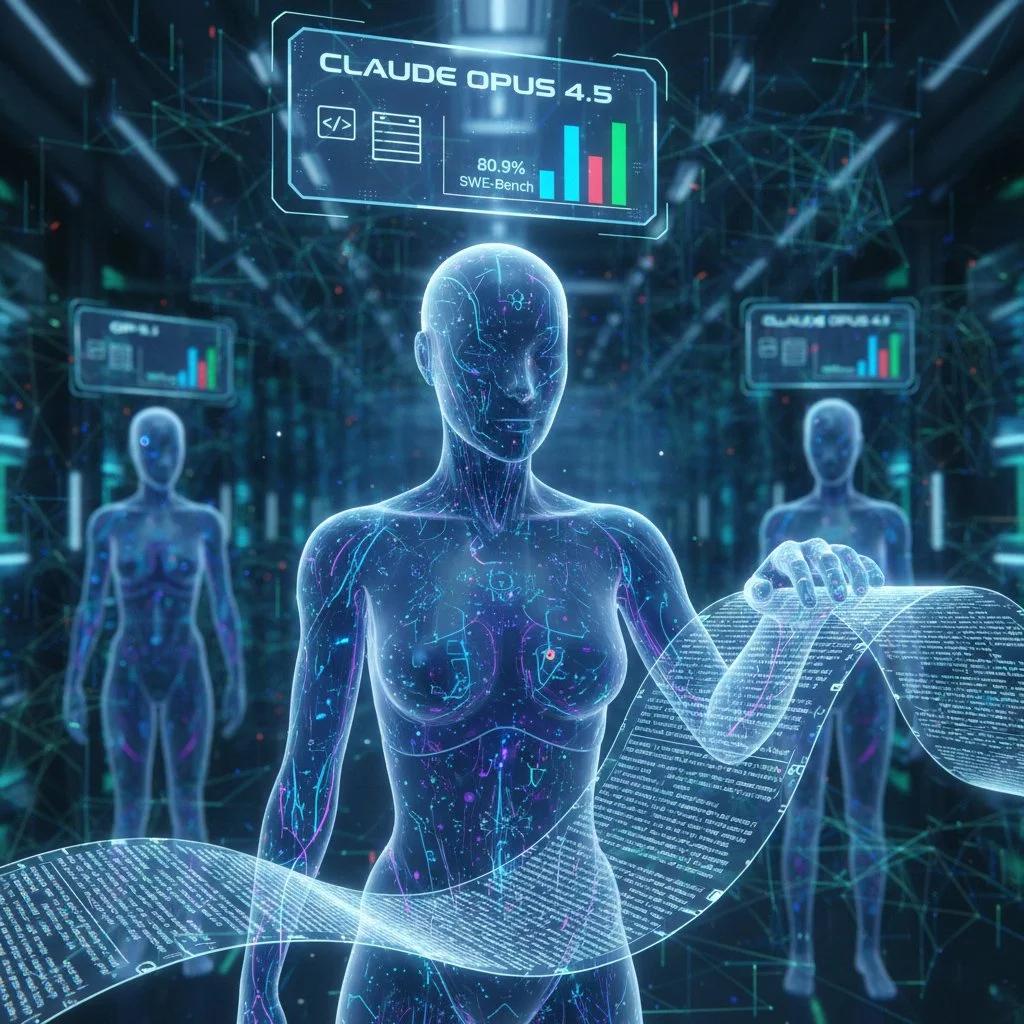
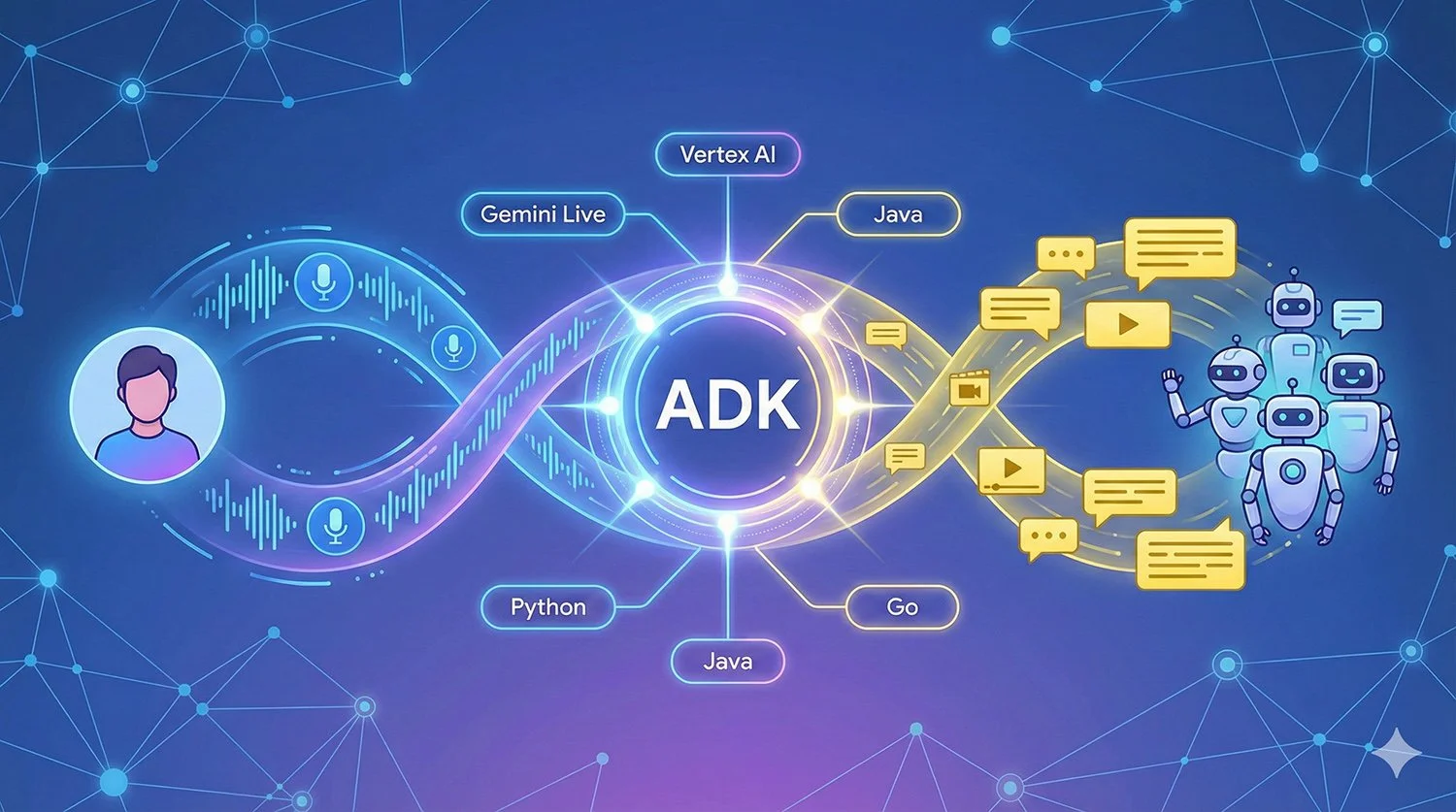
In late 2025, Google’s “Nano Banana” family of image models has quietly become a reference point for one of the hardest problems in generative art: putting clean, accurate text inside images.
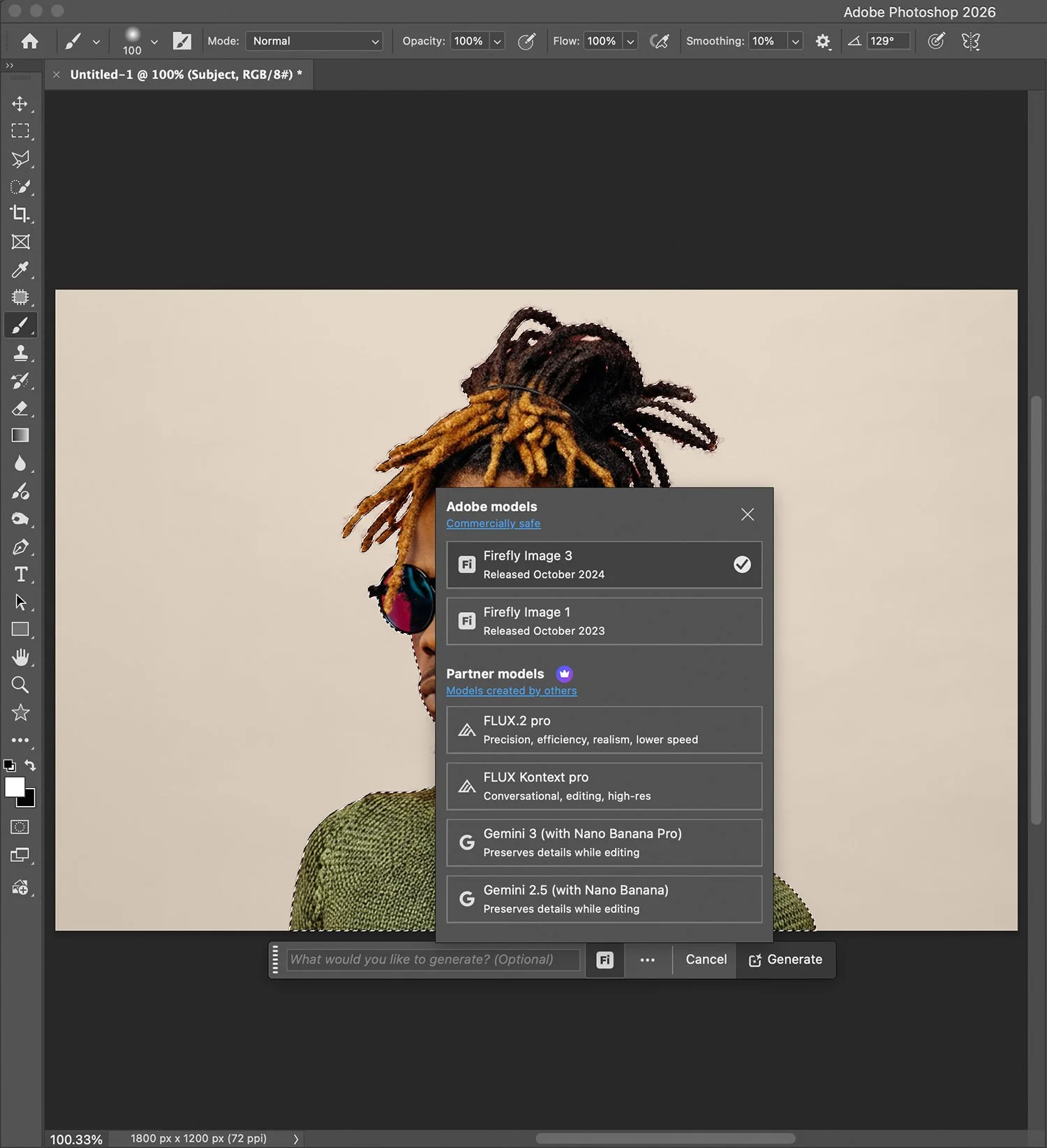
Nano Banana is the community nickname for Gemini 2.5 Flash Image, a Google DeepMind model introduced on 26 August 2025 and described in official documentation as the company’s state-of-the-art image generation and editing system. A later blog post on 2 October confirmed production readiness and reiterated its pricing at US$30 per million output tokens, which Google equates to about US$0.039 per 1024×1024 image.
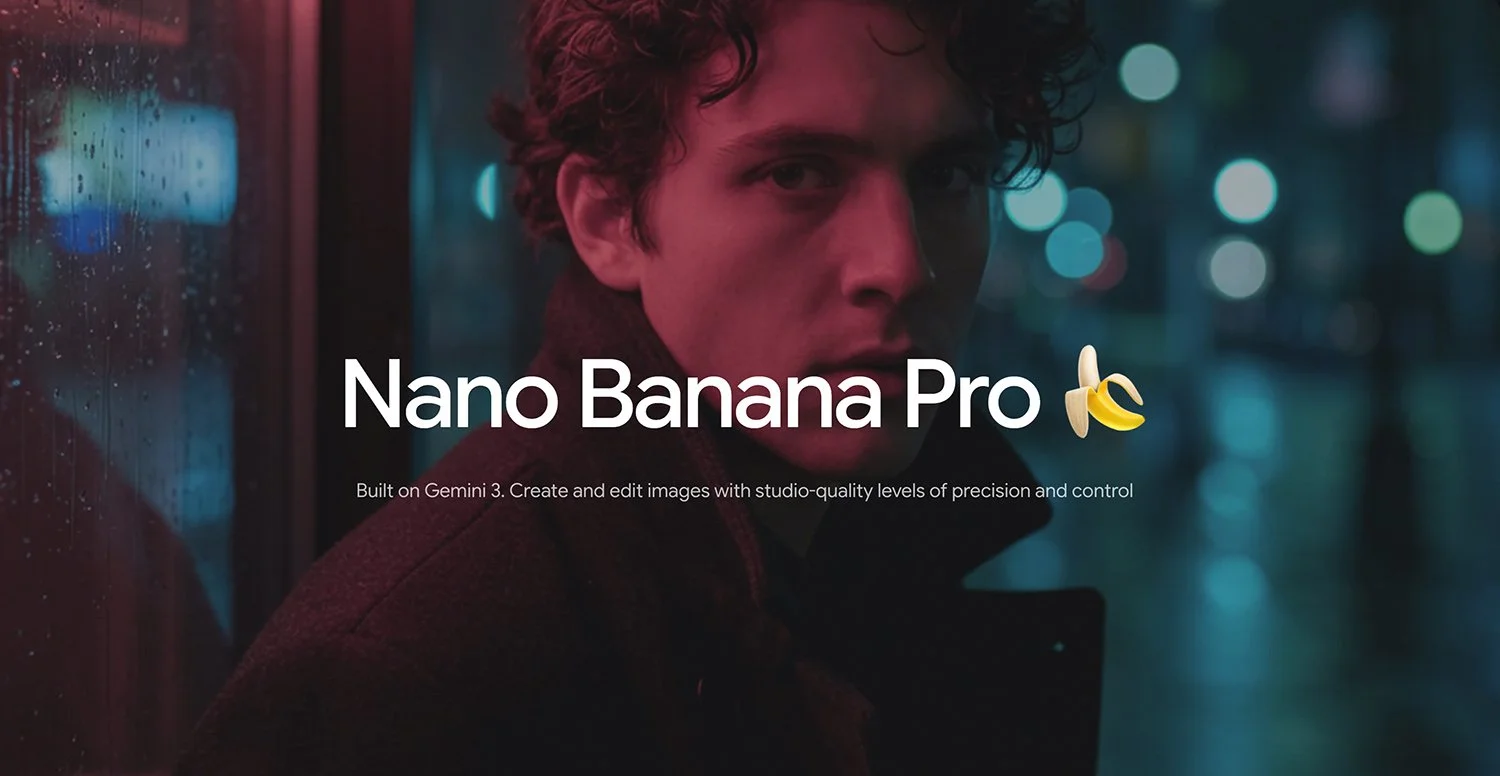
That model has since been joined by Nano Banana Pro (Gemini 3 Pro Image), announced on 20 November 2025, which Google markets as its best option for “correctly rendered and legible text” in posters, mock-ups and designs.
Independent benchmarks suggest those claims are not just branding.








How Nano Banana Got Its Name
The “Nano Banana” label started as a playful internal codename used when Gemini 2.5 Flash Image first surfaced on the LMArena AI benchmarking site in August 2025. Google later leaned into the nickname in its own developer blog (“Gemini 2.5 Flash Image, aka nano-banana”), and the term has since spread across tool directories, tutorials and third-party platforms.
Today, the model is available in several ways:
Gemini app & Google Lens / AI Mode – for casual users on mobile, including real-time editing via the camera and a “Create” tab inside Google Lens.
Google AI Studio & Gemini API – for developers and power users who want direct control over prompts, image sizes and editing workflows.
Third-party front ends – platforms such as EaseMate AI, Scenario and others integrate Nano Banana for free or freemium browser-based use.
Google’s model card and DeepMind’s documentation emphasise character consistency, language-guided editing and safety features like SynthID watermarks and strong content filters for sexual, violent or hateful imagery.
Why Text in Images Is So Hard
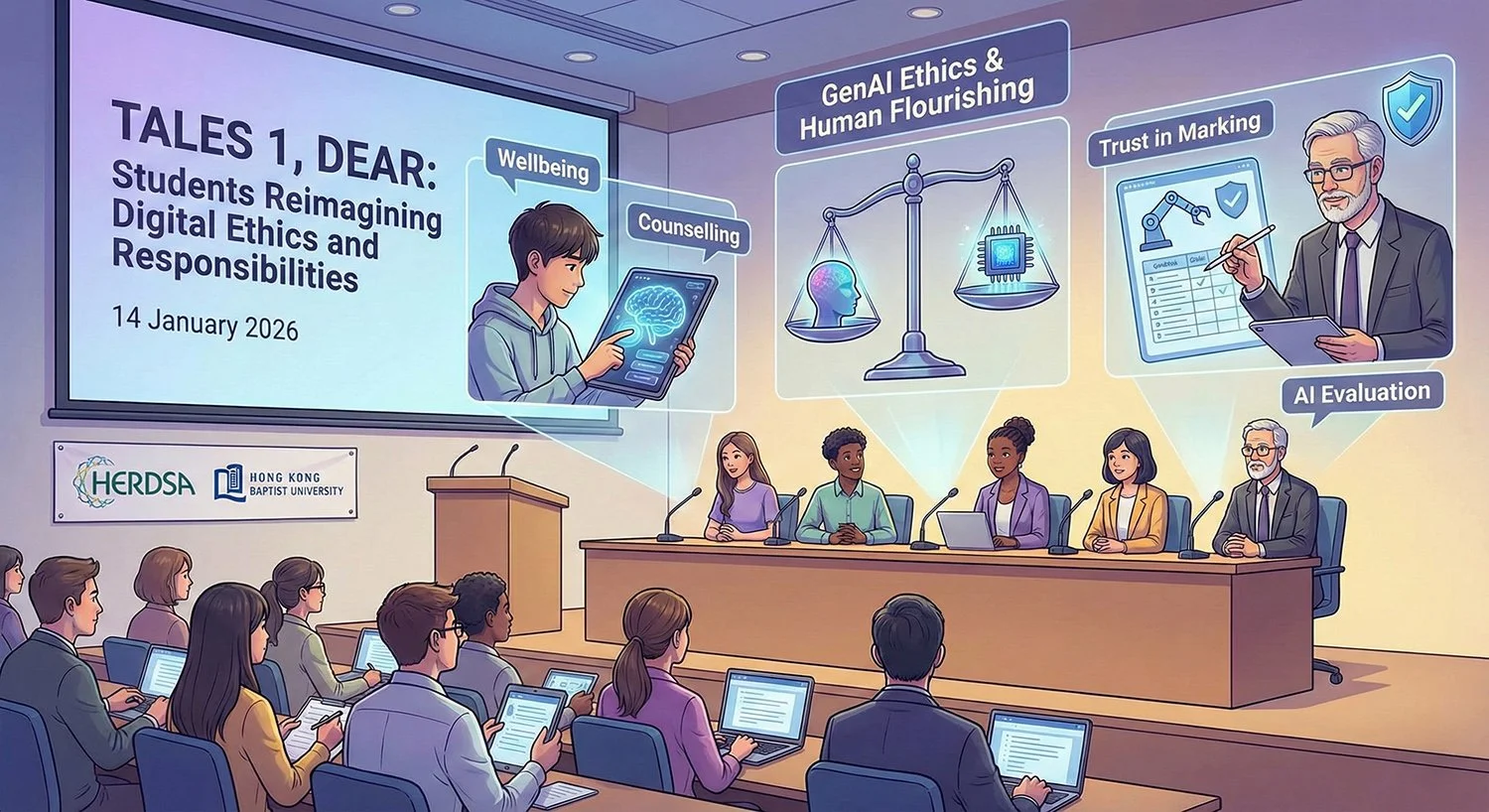
Despite rapid progress in image generation, text inside images remains a known weak point. A 2025 MDPI survey on text-centric image generation notes that even advanced systems struggle with multi-line or paragraph text, with accuracy and readability dropping sharply as strings get longer.
Benchmarks such as TextAtlasEval and model-comparison galleries like ImageBattle’s “Text in Images” category show a consistent pattern: several models can produce attractive visuals, but many still hallucinate letters, misspell words or place text in odd locations.
In that context, Nano Banana’s performance on text stands out.

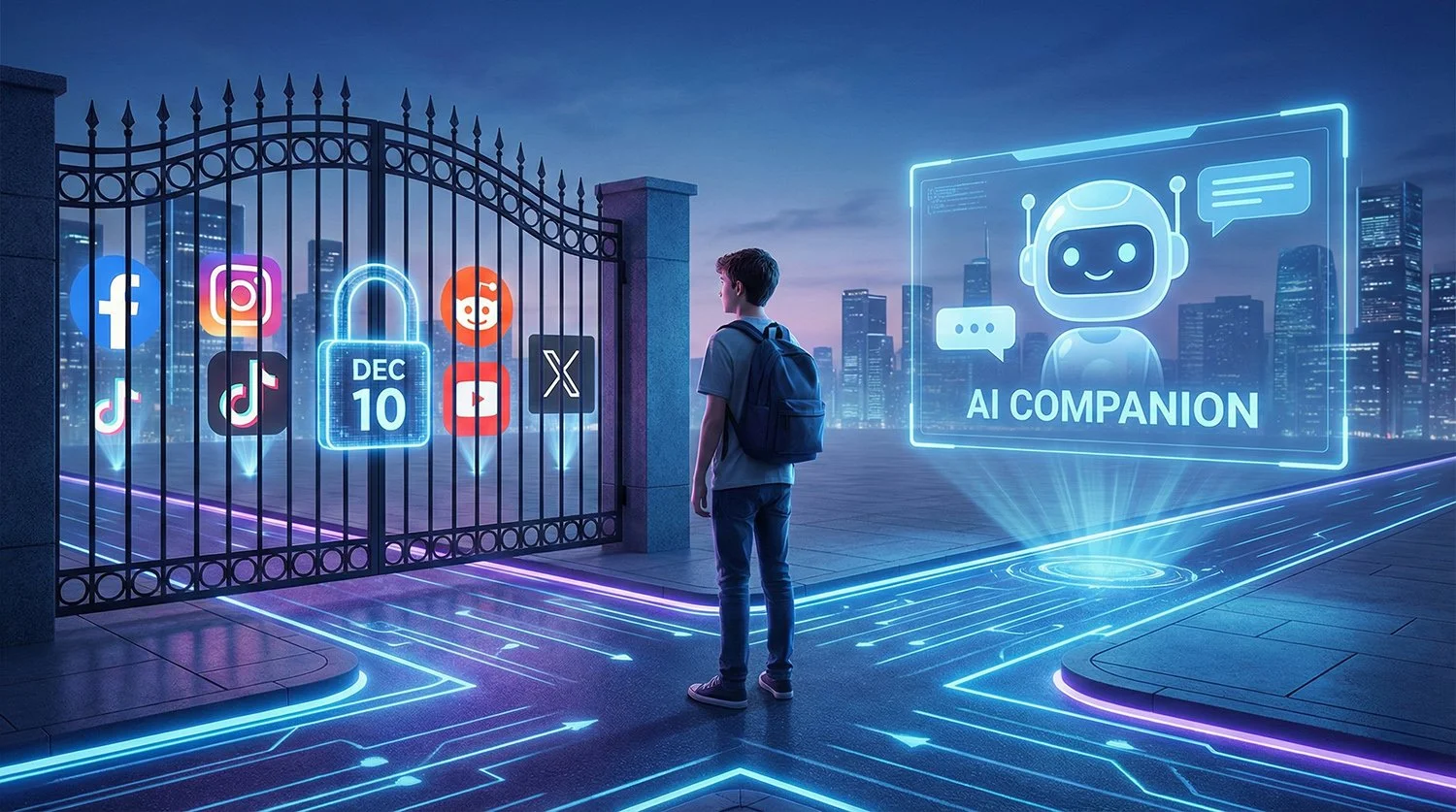
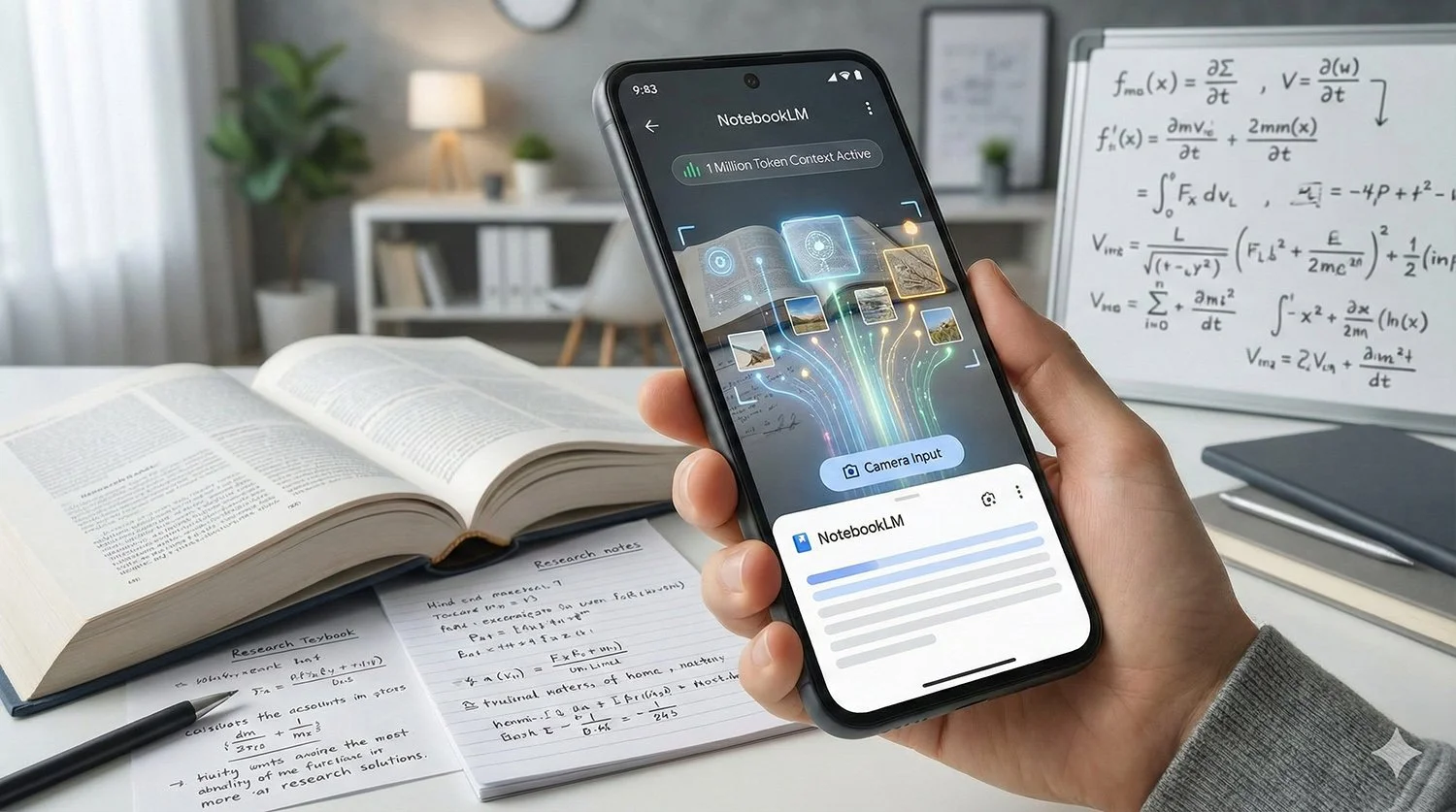
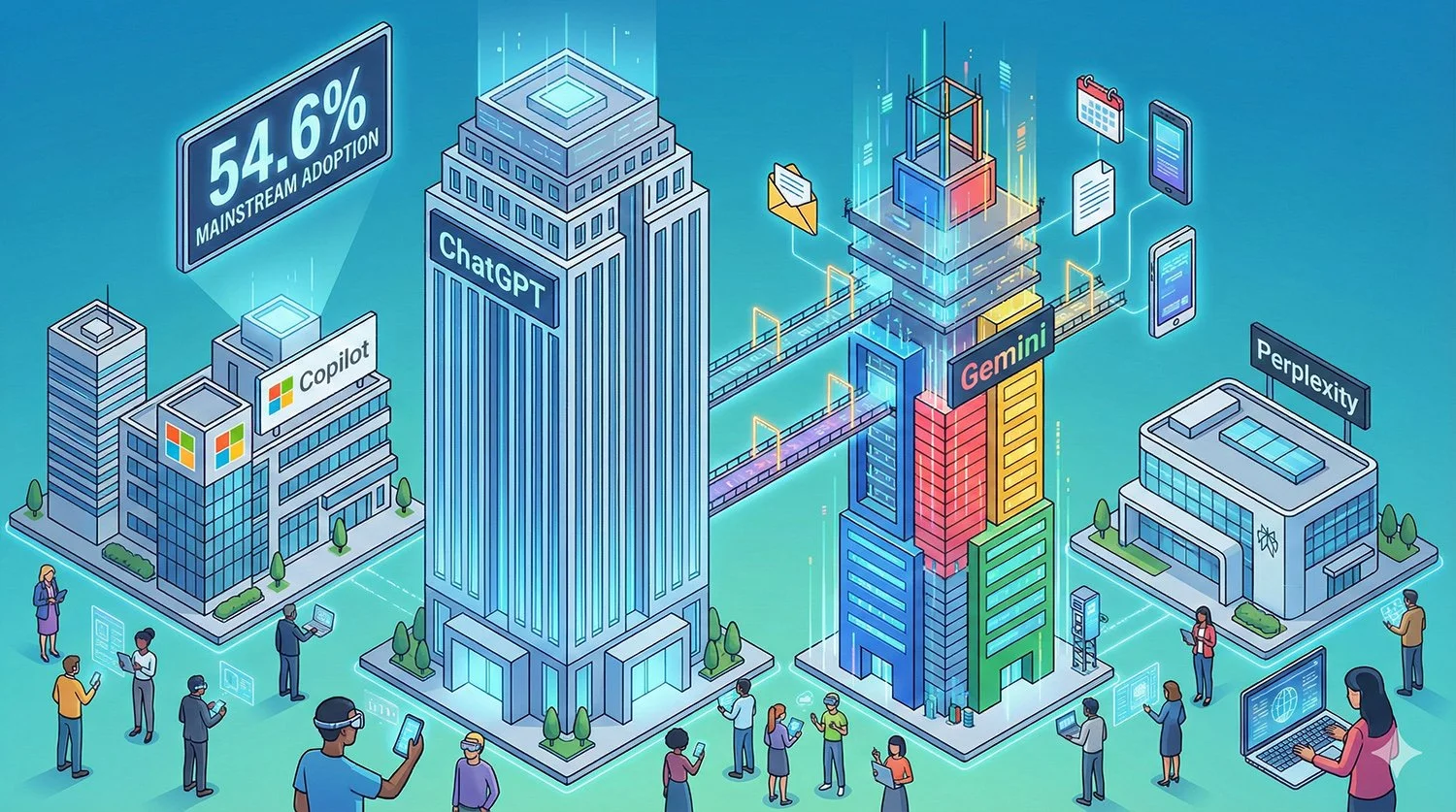
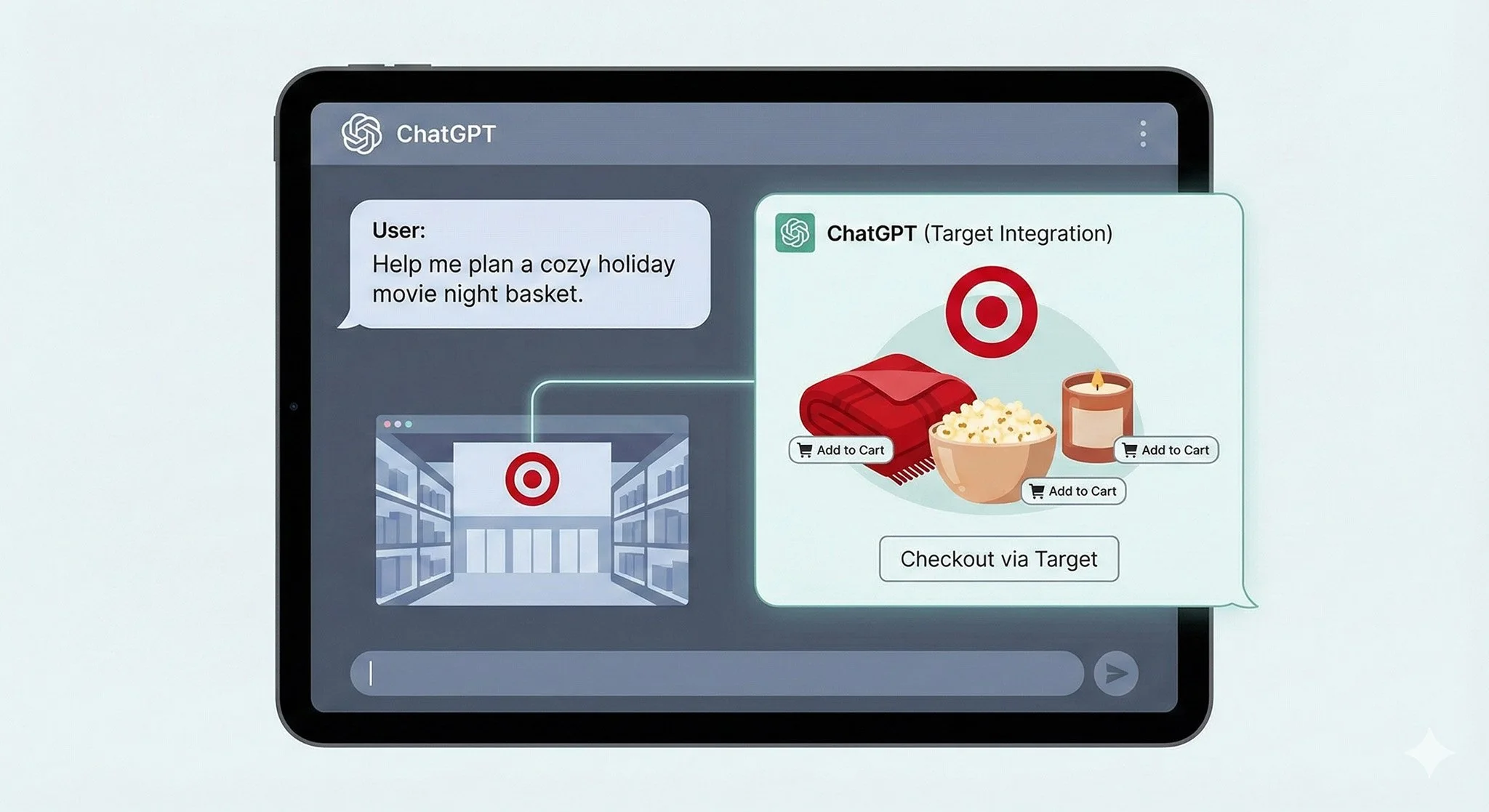



94% Text Accuracy, Lower FID Than Midjourney
Multiple independent tests now converge on similar numbers for Nano Banana versus Midjourney:
PageOn.ai – In a test of 100 prompts that each required specific text, PageOn’s founder reports Nano Banana rendered the requested text correctly in 94 out of 100 images, compared with 71 out of 100 for Midjourney.
Sider.ai & other comparison blogs – A September 2025 comparison echoes those figures, describing Nano Banana’s text rendering accuracy as 94% vs 71% for Midjourney.
Sanjaay Singgh Siisodiia – Data trainer and writer Sanjaay Singgh Siisodiia, on his personal site and LinkedIn, reports a Fréchet Inception Distance (FID) of 12.4 for Nano Banana versus 15.3 for Midjourney, alongside the same 94% vs 71% text-accuracy split.
FID is an image-quality metric where lower is better. While it doesn’t directly measure text, the combination of improved FID and the text-specific benchmarks suggests Nano Banana is stronger at both realism and typography in many practical cases.
An “AI Image Battle” gallery focused on text further supports this picture: in side-by-side comparisons of models on typographic prompts, the site rates Nano Banana and Nano Banana Pro near the top and explicitly warns that Midjourney v7 and DALL-E 3, while visually striking, are “risky choices” for text because of frequent misspellings and layout issues.








Why Agencies Are Paying Attention
Performance and pricing also matter for real production pipelines.
A detailed Russian-language comparison from pxz.ai, based on measured runs, reports Nano Banana typically generating images in 2–5 seconds, while Midjourney often takes 10–60 seconds in “fast” mode and can stretch into minutes in relaxed queues.
On cost, Google’s own documentation and pricing tables put Gemini 2.5 Flash Image (Nano Banana) at:
US$30 per 1,000,000 output tokens,
with Google explicitly quoting about 1,290 tokens per 1024×1024 image,
which works out to roughly US$0.039 per standard image via the API.
Consumer use via the Gemini app and Google Lens is currently supported by free quotas; third-party tools like EaseMate AI also offer free Nano Banana generation with daily limits or check-in bonuses.
By contrast, Midjourney remains subscription-only, with paid tiers starting around US$10 per month and no true free tier. Its effective per-image cost depends on GPU usage and mode (fast vs relaxed) rather than a fixed per-call API price, which makes like-for-like comparisons trickier.






What Nano Banana Does Differently
Google has not fully disclosed the exact architecture of Gemini 2.5 Flash Image, but public descriptions and model cards emphasise a tight coupling between the Gemini language model and the image system:
Prompts are interpreted by a Gemini-class language model that “understands depth and nuance”, then passed to the image stack as structured instructions.
The model supports natural-language editing, where users describe changes (“move the bottle to the right and change the liquid to blue”) instead of using masks or layers.
Google and third-party guides highlight strong character consistency, with some practitioners reporting 95%+ consistency across varied scenes and poses.
In practice, this means Nano Banana can often:
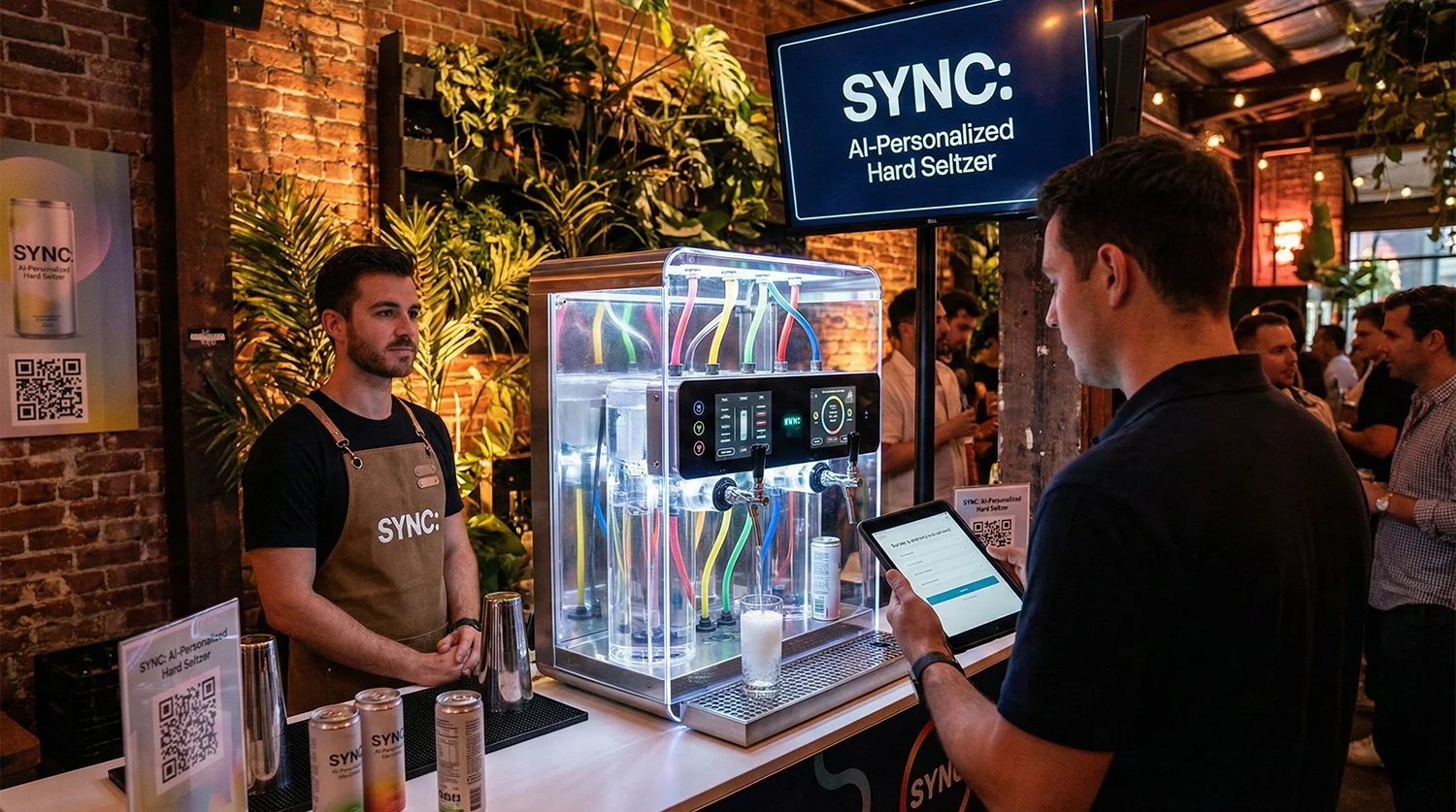
Place specific words on signs, posters or UI mock-ups correctly on the first try,
Maintain the same character or product across a sequence of edits,
And handle multi-step instructions without breaking previously generated elements.
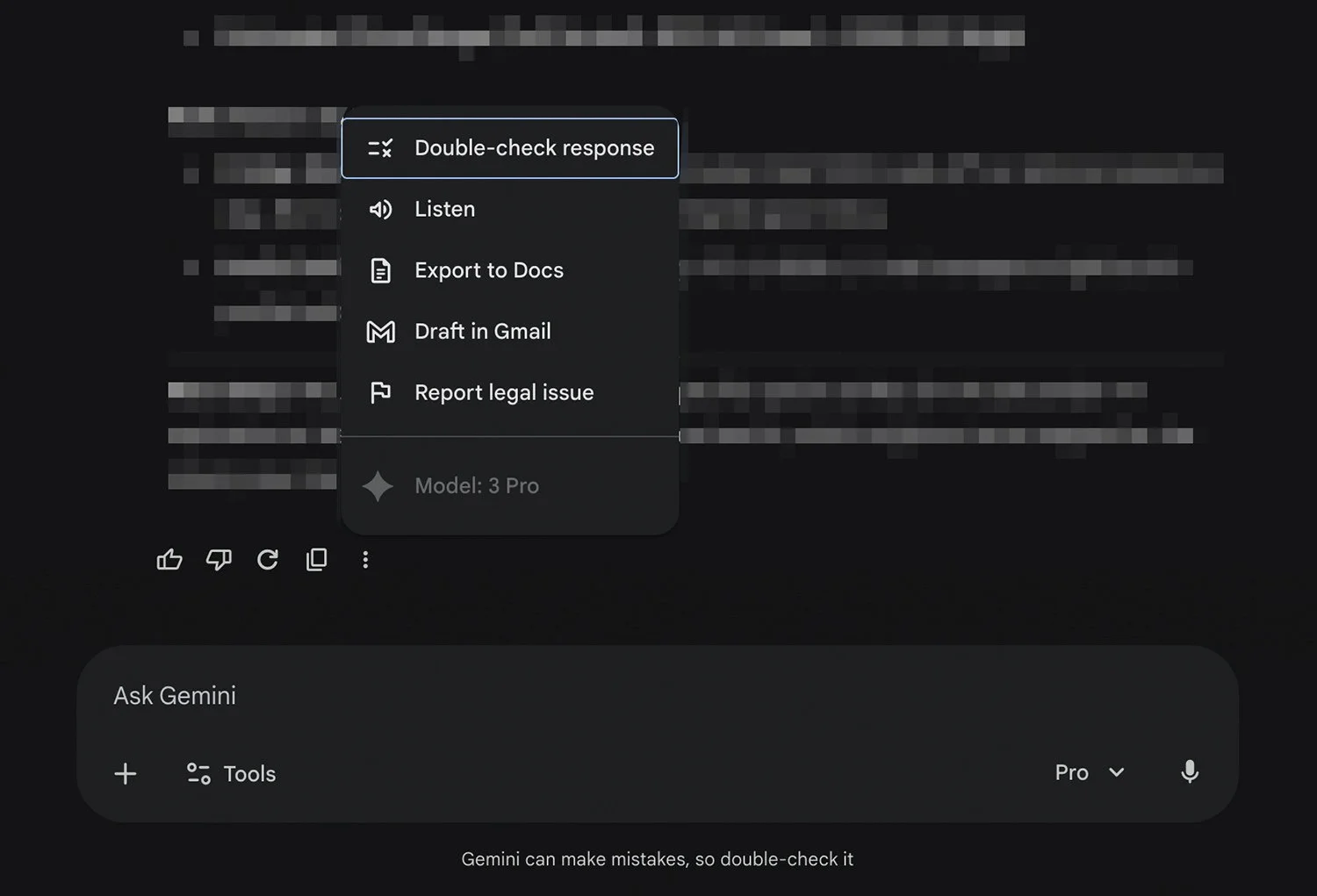
However, the picture is not uniformly perfect. A November 2025 analysis by data scientist Max Woolf notes that while Nano Banana does better than many peers on logos and short text, it still occasionally introduces minor spelling errors or odd extra words — consistent with Google’s own caution that text in images “may not always be accurate”.







Midjourney’s Trade-Off: Style Over Literal Fidelity
Midjourney, built by an independent San Francisco lab, remains widely used for its distinctive aesthetic and richly detailed scenes. Community galleries, tool directories and professional commentary consistently credit it with high scores for aesthetic appeal, creative interpretation and style coherence.
But text inside images continues to be a weak point:
The PageOn and pxz.ai benchmarks put Midjourney’s text accuracy around 71%, meaning nearly one in three text-dependent images still require manual fixes.
ImageBattle’s text gallery places Midjourney v7 in its “artistic dyslexics” group for typography, noting frequent misspellings and illogical placement of words.
Tom’s Guide, in a nine-prompt head-to-head between Nano Banana and Midjourney, found that Midjourney often excelled at fantasy scenes and broad cinematic compositions but occasionally missed fine prompt details, including specific lighting cues and text.
The net result: Midjourney still dominates in world-building and art-driven projects, but is less reliable where accurate words on screen are central to the task — logos, educational diagrams, UI mock-ups or regulatory labels.












How Other Models Compare on Text
Nano Banana is not the only system pushing hard on typography. In current benchmarks, three other names frequently appear alongside it: DALL-E 3, Ideogram 3.0 and Google’s newer Nano Banana Pro.
For DALL-E 3, one detailed image-to-image benchmark from Cursor IDE reports a 98.2% text rendering accuracy when the model is used to add labels and overlays to technical diagrams, compared with an average of around 67% across other models tested in the same study. Additional reviews, including a long-form analysis on Skywork.ai, describe DALL-E 3 as one of the first systems to make reliably legible text practical for logos, posters and interface elements, even though very long or paragraph-level text can still degrade in quality. Access remains tied to OpenAI and Microsoft channels: it is available via ChatGPT and Azure/OpenAI APIs on a credit or token basis, with varying free allowances depending on plan.
Ideogram 3.0 takes an explicitly typography-first approach. A March 2025 review on AI Rockstars reports that blind tests of complex layouts found 92% text accuracy, highlighting a clear advantage over many competing systems for posters, signage and ad-style creatives. A separate technical profile notes similar results, with Ideogram 3 achieving “around 92% accuracy in layout and complex text rendering” and emphasising its utility for branding work where both lettering and layout must hold together. Ideogram offers a free tier with daily quotas and paid plans aimed at professional users, and coverage in newsletters such as AI-Weekly points to improved realism and speed in the 3.0 release.
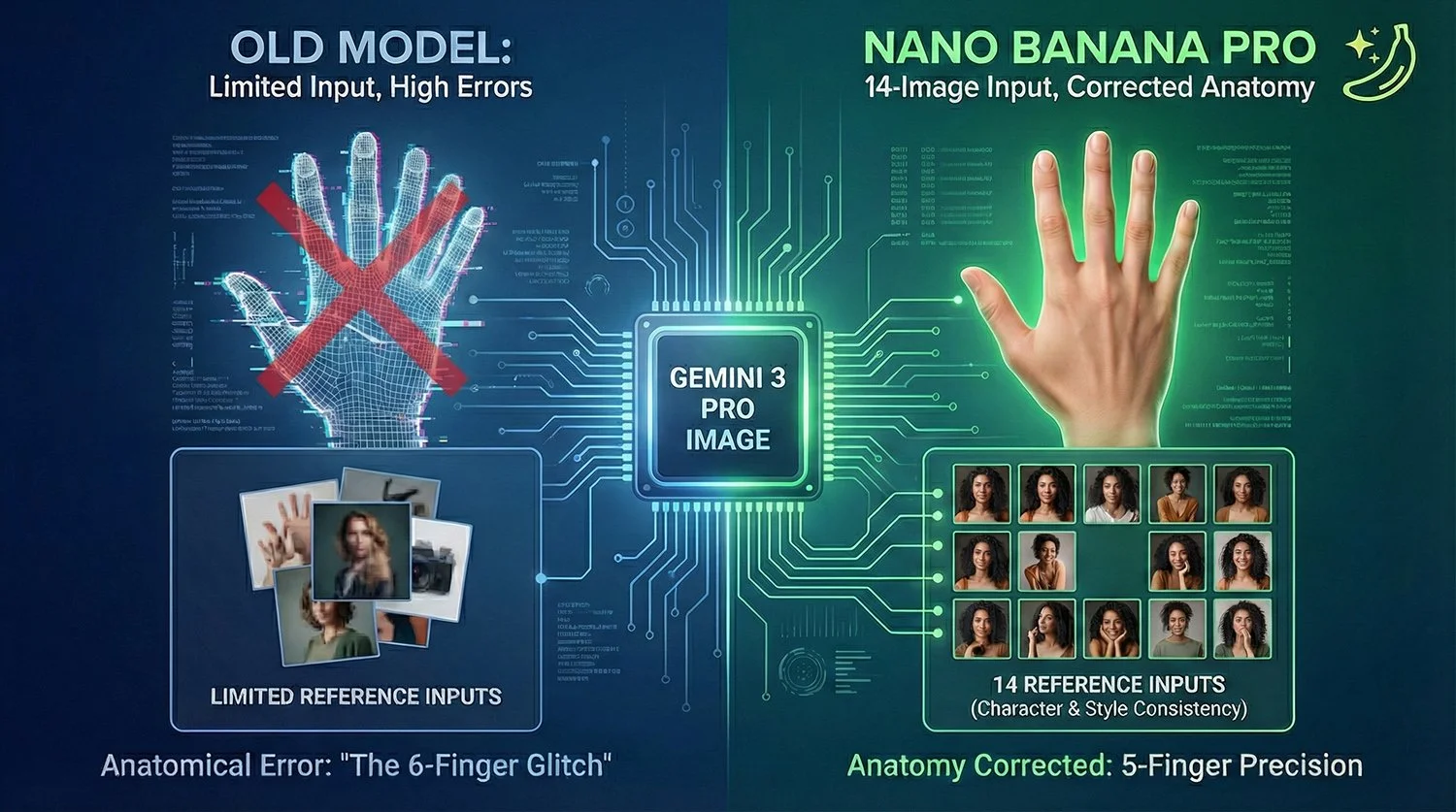
On Google’s side, Nano Banana Pro (Gemini 3 Pro Image) extends the original Nano Banana into more demanding professional territory. In its 20 November 2025 launch blog, Google frames Nano Banana Pro as its best option for “better visuals with more accurate, legible text,” adding 2K native output with 4K up-sampling and stronger multilingual support. An in-depth release explainer on Skywork.ai, which refers to the upgraded model as “Nano Banana 2” but describes the same Gemini 3 Pro–based system, reports internal benchmarks of 94% character accuracy versus 82% for competing models across English, Korean and Japanese prompts. Scenario, one of the early third-party integrators, also highlights Nano Banana Pro’s expanded font and calligraphy options, reasoning-driven layout controls, and support for up to 14 reference images to keep characters and brand visuals consistent across a campaign.
Taken together, these results suggest that for text-sensitive work, the competitive field at the top now looks like a three-way race between Nano Banana / Nano Banana Pro, DALL-E 3 and Ideogram 3.0, each with distinct strengths. Nano Banana and Nano Banana Pro emphasise editing precision, character consistency and tight integration with Gemini; DALL-E 3 offers very high text accuracy in diagrammatic and instructional contexts within the ChatGPT/OpenAI ecosystem; and Ideogram 3.0 specialises in typography-heavy layouts such as logos and posters, trading some general-purpose flexibility for control over lettering and composition.







What This Means for Designers and Marketers
For creative professionals, the headline is less about leaderboard bragging rights and more about workflow impact.
Fewer manual fixes – PageOn’s benchmark suggests that using Nano Banana instead of Midjourney can cut the proportion of text-dependent images needing manual correction from nearly one-third to about 6%.
Faster iteration – With generation times often under 5 seconds and editing driven by natural language rather than masks or paths, agencies can iterate more rapidly on mock-ups, banners and social assets.
Character and brand consistency – Guides from Scenario, Fibre2Fashion and others show teams using Nano Banana’s consistency to storyboard product launches across 10 or more frames, aligning it with broader industry trends where generative imagery reduces photography costs and accelerates time-to-market.
At the same time, experts caution against assuming text problems are “solved”. Academic work still finds all major models struggle with long paragraphs and complex typography, and Google’s own documentation urges users to verify text in sensitive contexts such as legal disclaimers or medical information.

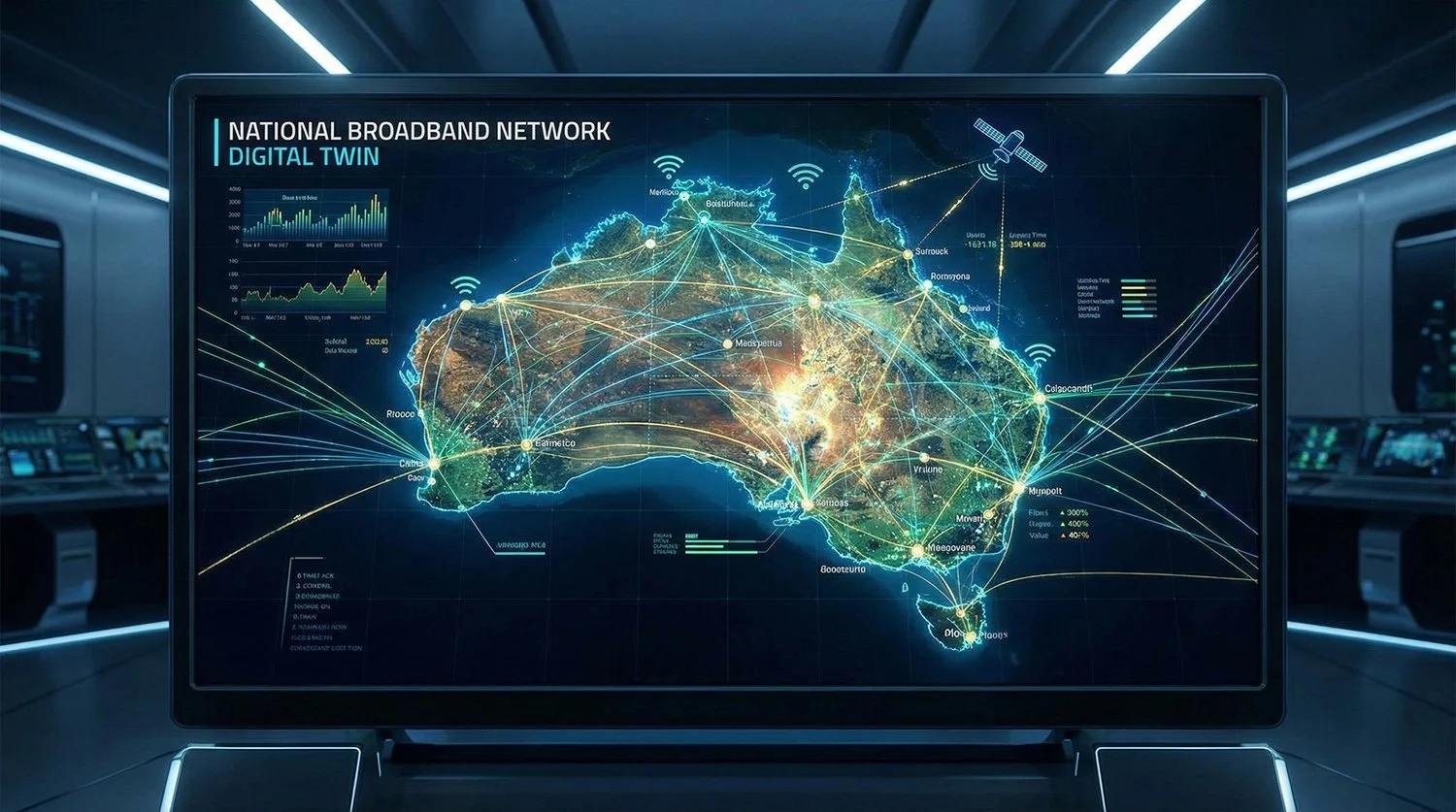
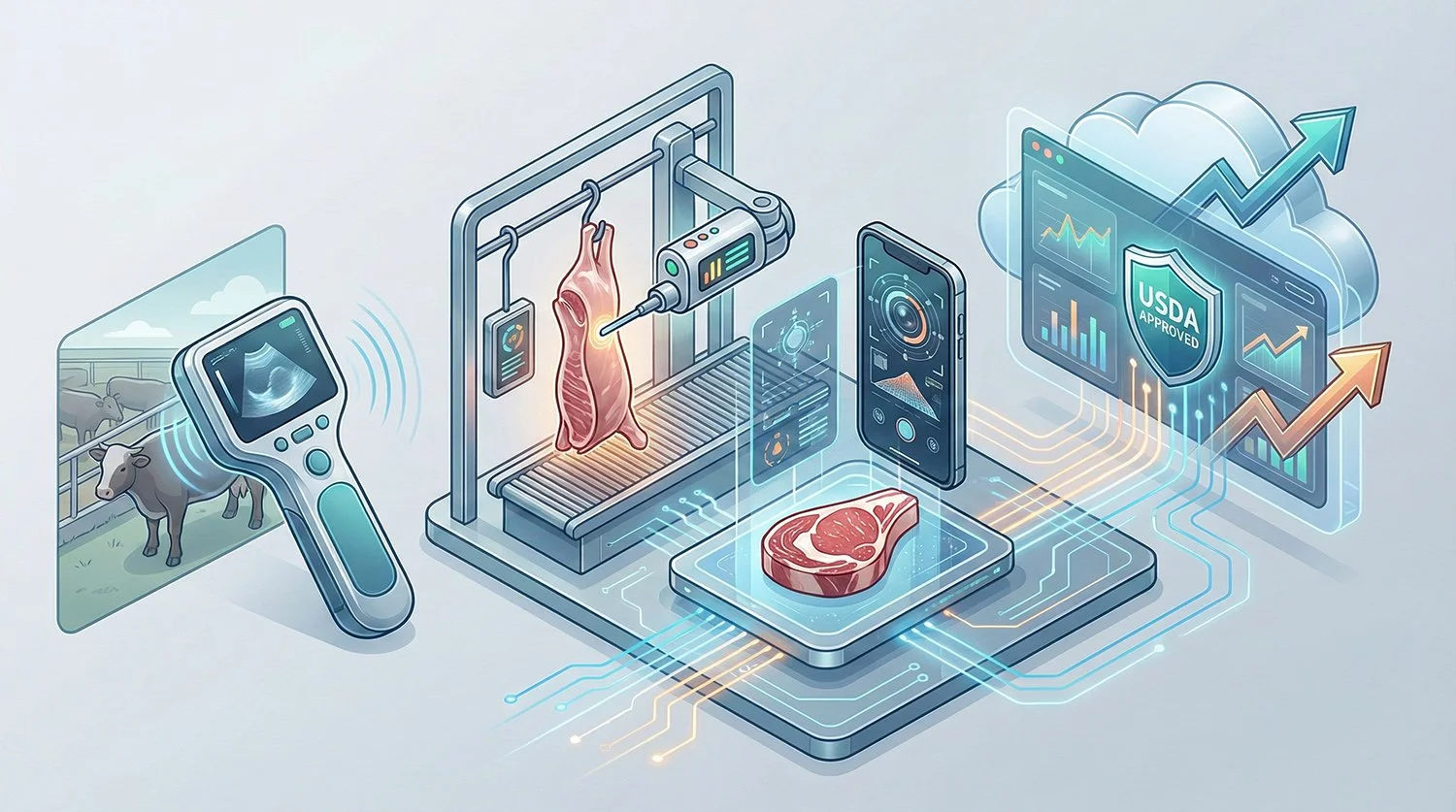







Outlook: From Novelty to Utility
The rise of Nano Banana, and now Nano Banana Pro, signals a broader shift in AI image tools:
From pure creativity to functional design – where legible words and consistent characters matter as much as painterly style.
From one-model workflows to hybrid pipelines, where teams may sketch concepts in Midjourney, refine product shots in Flux- or SDXL-based systems, and then use Nano Banana or DALL-E 3 specifically for text overlays.
From isolated apps to integrated ecosystems, with Nano Banana embedded in Lens, Search and third-party tools, and similar integrations emerging for competing models.
For now, the clearest takeaway from the latest benchmarks is simple:
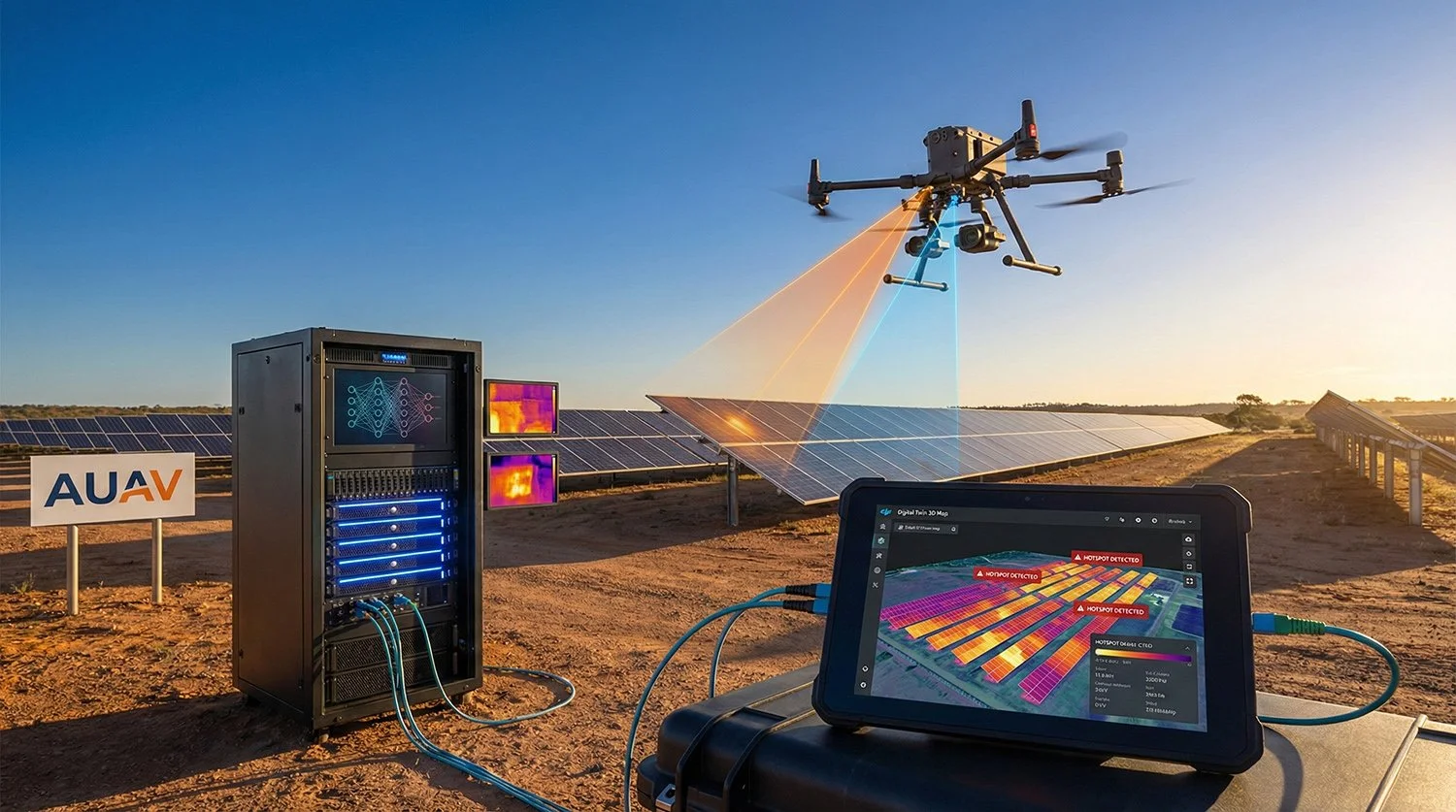
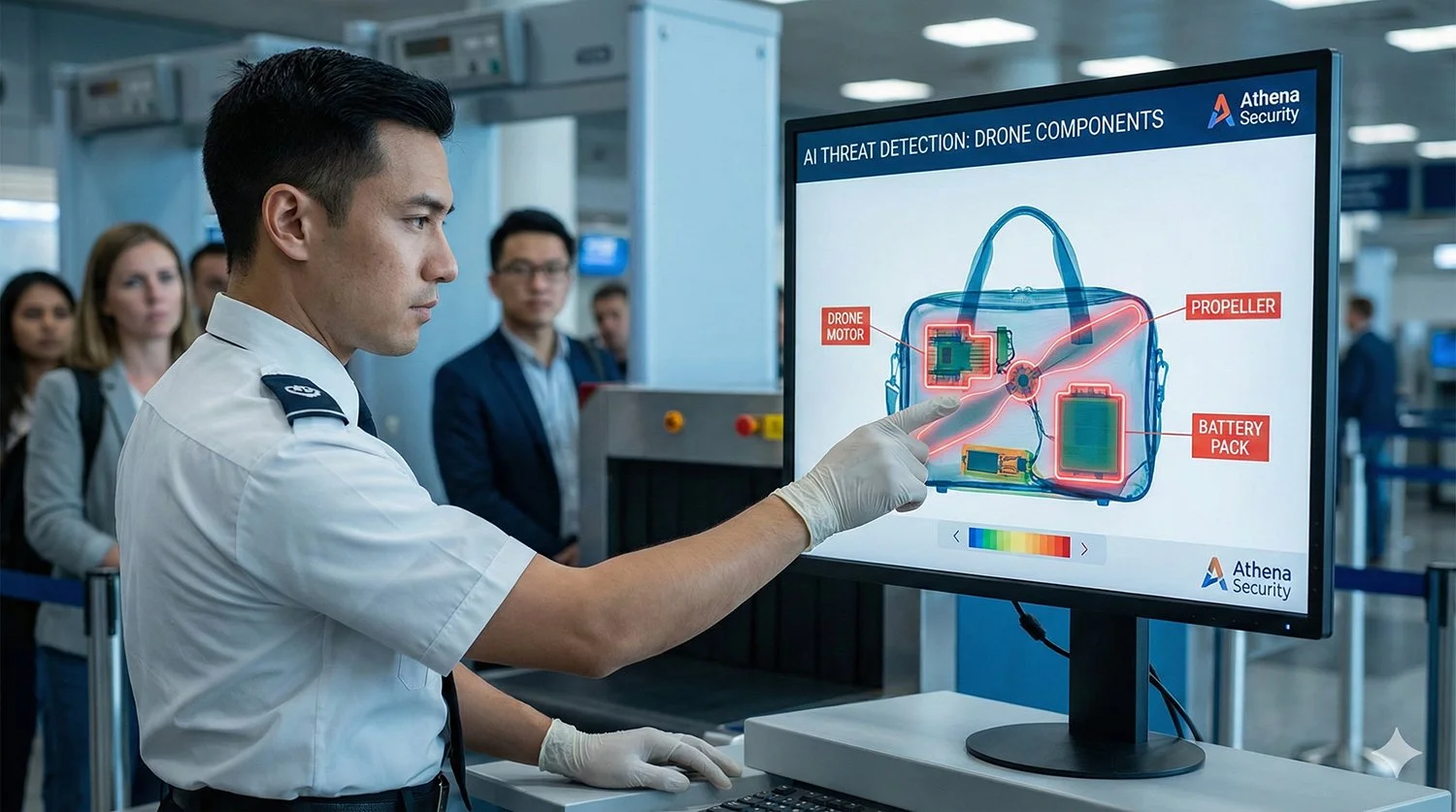
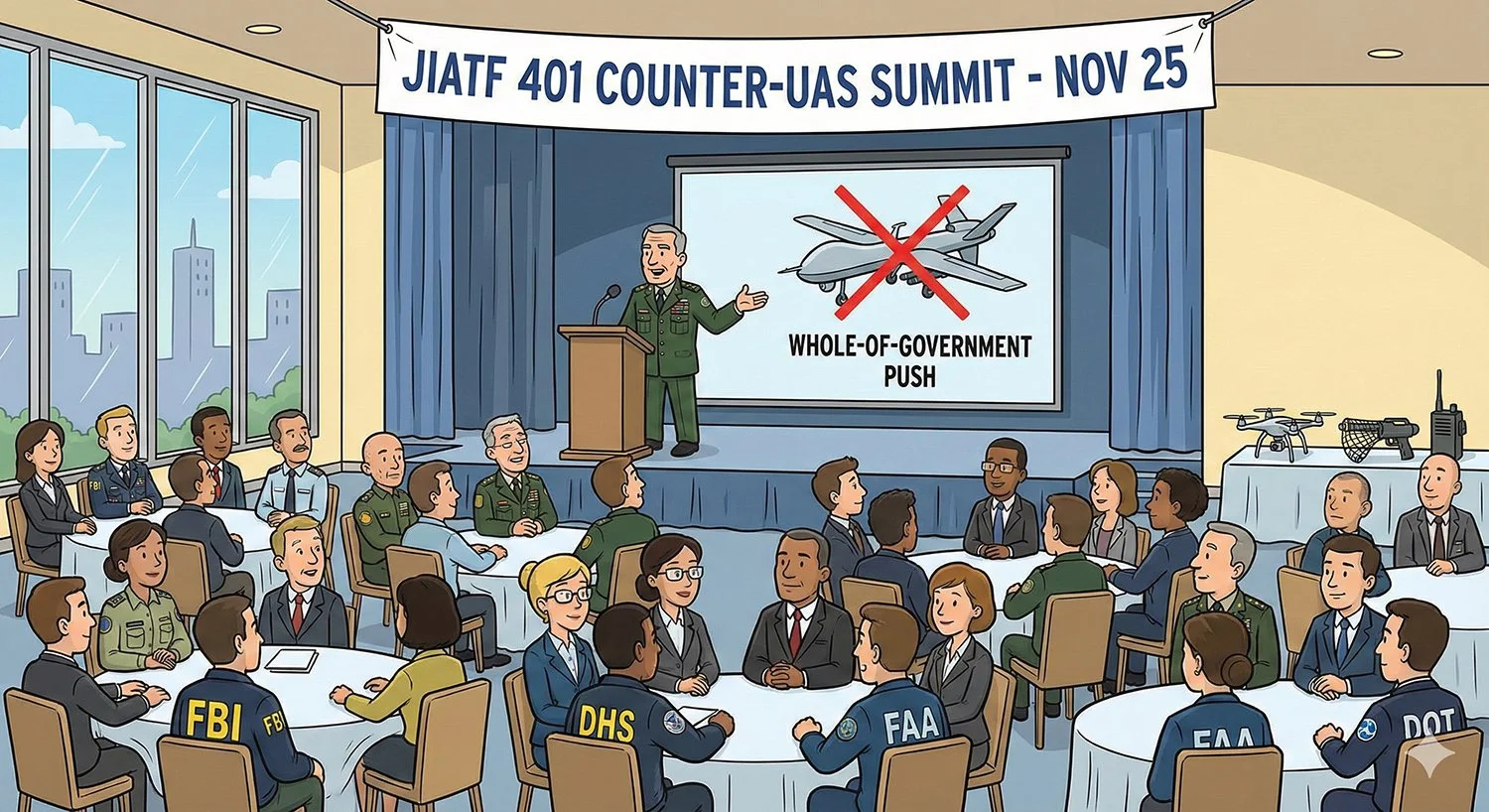
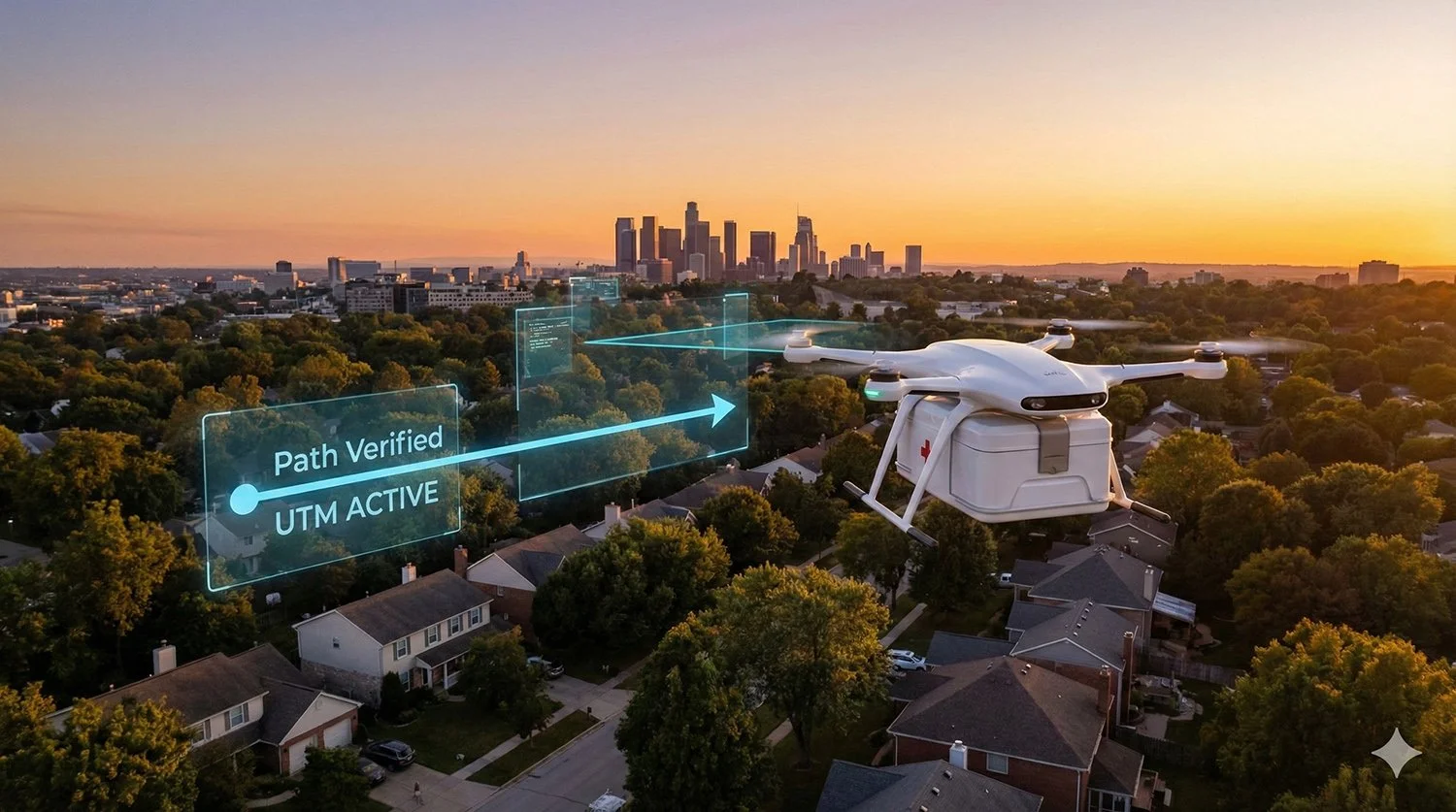
If accurate text inside images is critical — posters, infographics, UI mock-ups, educational diagrams — Nano Banana and Nano Banana Pro rank among the most reliable options available in late 2025.
If maximal artistic freedom and stylised world-building matter more than typographic precision, Midjourney and other diffusion-centric models still have a strong claim on the creative imagination.
Either way, the fact that we can now argue about which AI model writes better on a fake neon sign is itself a quiet milestone: the field has moved from novelty to utility, and words inside pictures are finally becoming part of the serious competition.















 TheDayAfterAI News
We are a leading AI-focused digital news platform, combining AI-generated reporting with human editorial oversight. By aggregating and synthesizing the latest developments in AI — spanning innovation, technology, ethics, policy and business — we deliver timely, accurate and thought-provoking content.