
Trump Administration Lifts Nvidia H20 Export Ban to China, Reshaping AI Trade Dynamics
Image Credit: BoliviaInteligente | Splash
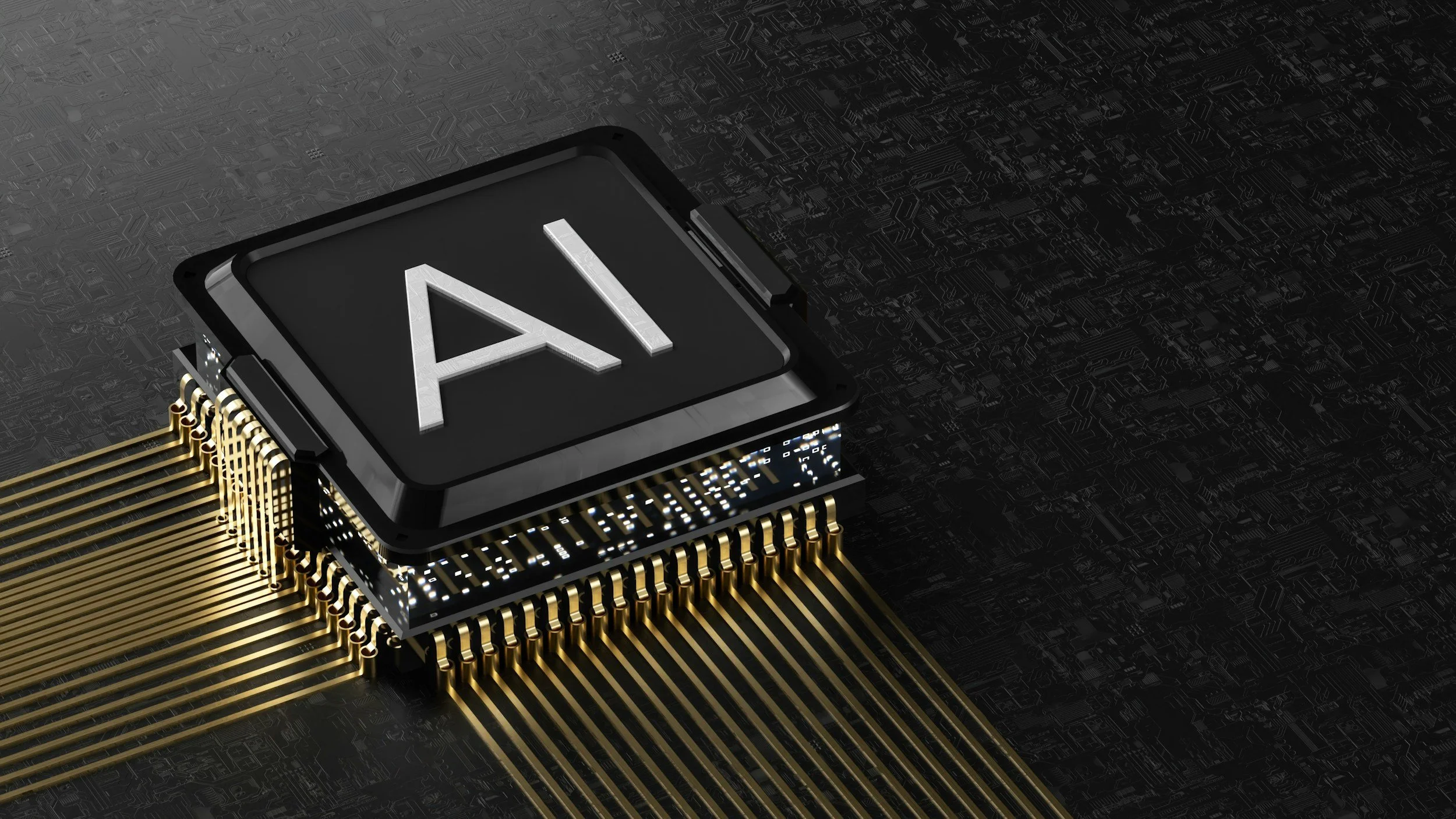
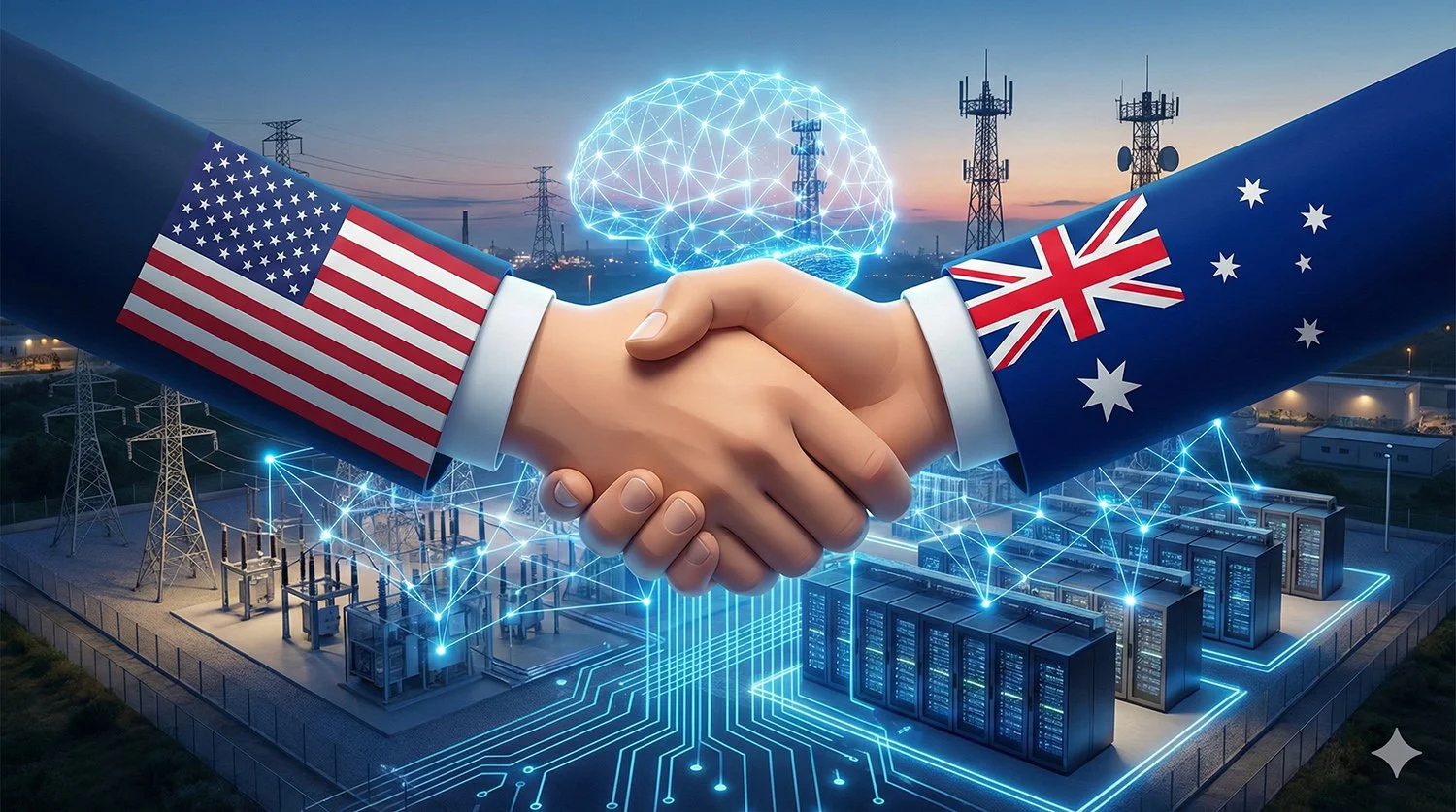
The Trump administration has lifted a ban on Nvidia Corp.'s H20 artificial intelligence chips to China, allowing the U.S. chipmaker to resume sales of a product tailored for the Chinese market, according to multiple sources. This policy shift, following months of restrictions, reflects the complex balance of technology, trade, and geopolitics as the U.S. navigates its AI rivalry with China.





















Background: The H20 Chip and U.S. Export Controls
The H20 chip, a downgraded version of Nvidia’s H100, was developed to comply with U.S. export restrictions initiated in October 2022 and expanded in October 2023 under the Biden administration. It supports AI inference tasks for models like DeepSeek’s chatbot but is capped to prevent use in supercomputers that could enhance China’s military capabilities. Chinese tech giants, including Tencent, Alibaba, and ByteDance, ordered over US$16 billion worth of H20 chips in early 2025, anticipating tighter controls. The Biden administration’s AI Diffusion Rule, effective January 15, 2025, set performance thresholds allowing the H20 as a “green-zone” chip. However, in April 2025, the Trump administration imposed licensing requirements, halting sales and prompting Nvidia to report a US$5.5 billion charge for unsold inventory and canceled orders.
























Policy Reversal: From Ban to Approval
On July 14, 2025, Nvidia CEO Jensen Huang announced that the U.S. Commerce Department had approved export licenses for H20 chips to China, reversing the April restrictions. The decision followed high-level engagements, including a reported April 2025 fundraising dinner at Mar-a-Lago attended by Huang and President Donald Trump, with per-person costs estimated at up to US$1 million based on insider accounts. Nvidia’s commitments to bolster U.S. AI infrastructure, including up to US$500 billion in planned server production with partners like TSMC, Foxconn, and Wistron over several years, contributed to the policy shift. Critics, including Senators Elizabeth Warren and Josh Hawley, and Representative John Moolenaar, chairman of the House Select Committee on China, warned that H20 sales could advance Chinese AI models like DeepSeek, potentially narrowing the U.S. technological lead.














Reasons Behind the Reversal
The reversal reflects economic and diplomatic priorities, including what analysts describe as President Trump's intentional use of the initial ban as a bargaining tool in broader negotiations with China. Nvidia, which earned 13% of its US$17 billion 2024 revenue from China, argued that restrictions would cede market share to Chinese competitors like Huawei, whose AI chips are gaining ground. The decision also aligns with trade negotiations involving Chinese rare earth minerals critical for U.S. industries. Commerce Secretary Howard Lutnick described the approval as part of broader trade concessions. While some national security experts warn that the H20 could pose risks by advancing China's AI capabilities, the administration's reversal suggests it views the chip as below high-risk thresholds for U.S. security, given its downgraded performance compared to unrestricted models. The move underscores President Trump’s strategy to balance tough trade rhetoric with pragmatic deals to stabilize U.S.-China economic ties.














Two Sides of the Same Coin
Resumed H20 sales help Nvidia recover from its US$5.5 billion loss, maintain U.S. competitiveness in a market with half the world’s AI researchers, and support trade talks for critical minerals. Chinese firms benefit from enhanced AI capabilities, fostering innovation in a competitive global landscape.
However, the decision raises national security concerns, with critics arguing it could bolster China’s military applications. Reports indicate US$1 billion in H20 chips were smuggled to China during the ban, underscoring enforcement challenges. Congressional backlash highlights risks to U.S. AI leadership, while a 6% drop in Nvidia’s stock in April 2025 reflected market uncertainty. Recent Chinese scrutiny of H20 chips for security risks adds further complexity.










Future Trends and Analysis
The H20 reversal highlights a pragmatic approach to trade, prioritizing economic leverage over strict containment of China’s tech ambitions. However, enforcement challenges persist, with delays in thousands of export licenses attributed to staffing shortages, resignations, and leadership gaps at the Commerce Department’s Bureau of Industry and Security. The AI Diffusion Rule may see revisions to formalize tiered export categories, potentially stabilizing chip trade policies. China’s push for semiconductor self-sufficiency, led by Huawei, is expected to accelerate, reducing reliance on U.S. chips. The global AI chip market, valued at US$45 billion in 2024, is projected to reach approximately US$400 billion by 2030, based on industry estimates, though geopolitical and technological uncertainties remain. U.S. leadership will depend on domestic investments, such as Nvidia’s planned Texas manufacturing facilities, which are still in early stages and subject to finalization.





















 TheDayAfterAI News
We are a leading AI-focused digital news platform, combining AI-generated reporting with human editorial oversight. By aggregating and synthesizing the latest developments in AI — spanning innovation, technology, ethics, policy and business — we deliver timely, accurate and thought-provoking content.