
Japan Equips Navy with AI-Powered V-BAT Drones to Boost Maritime Surveillance
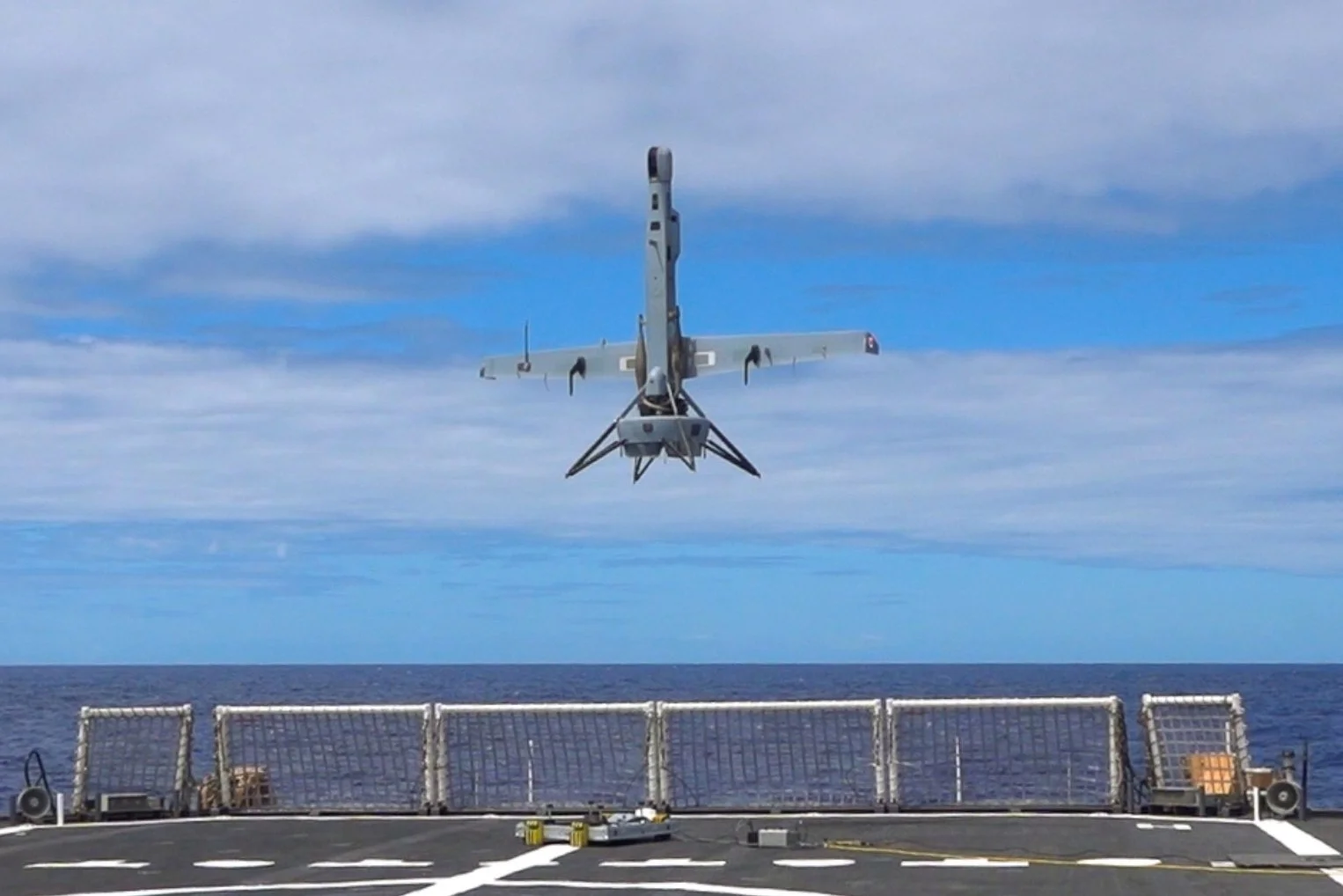
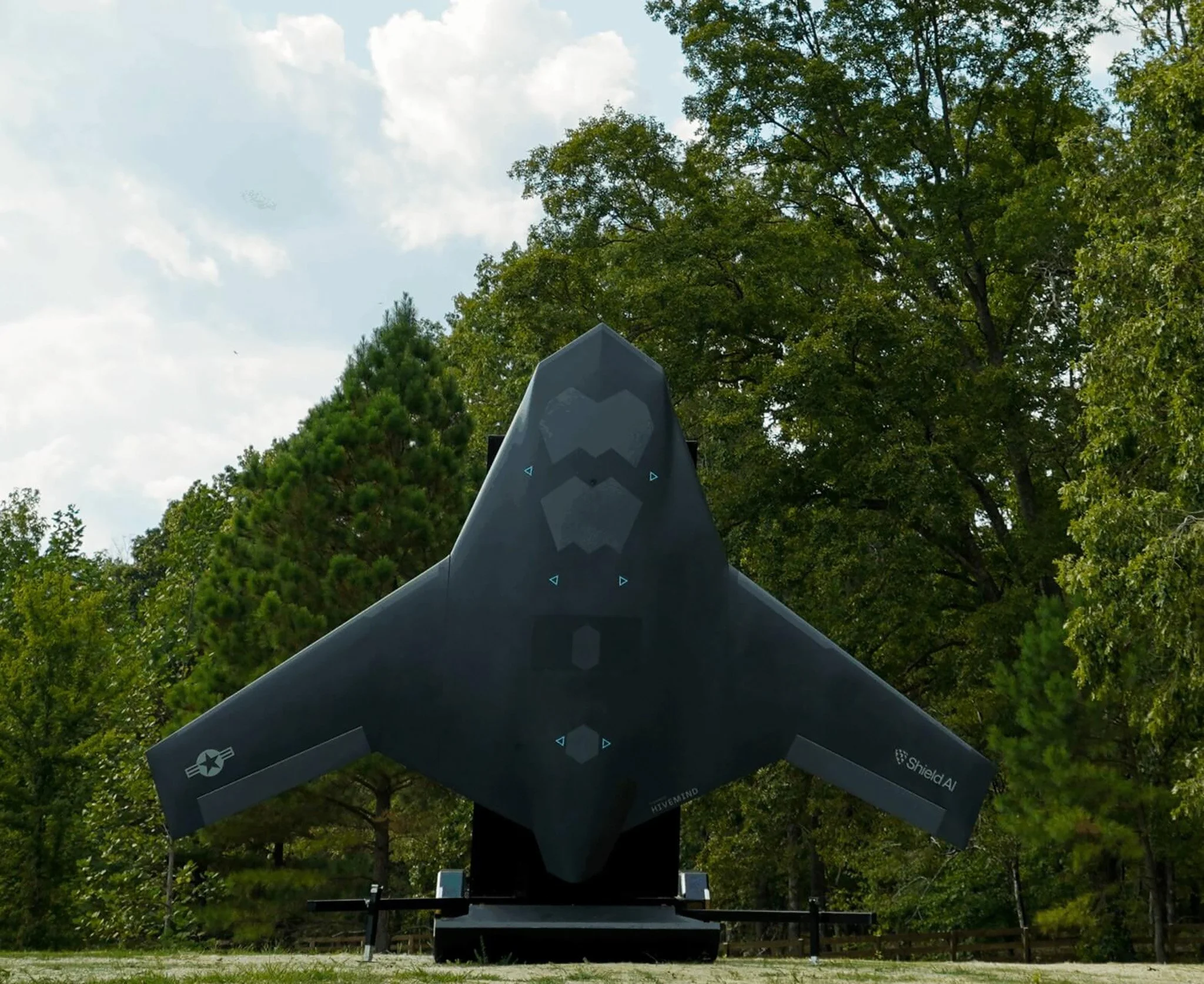
Image Source: Shield AI
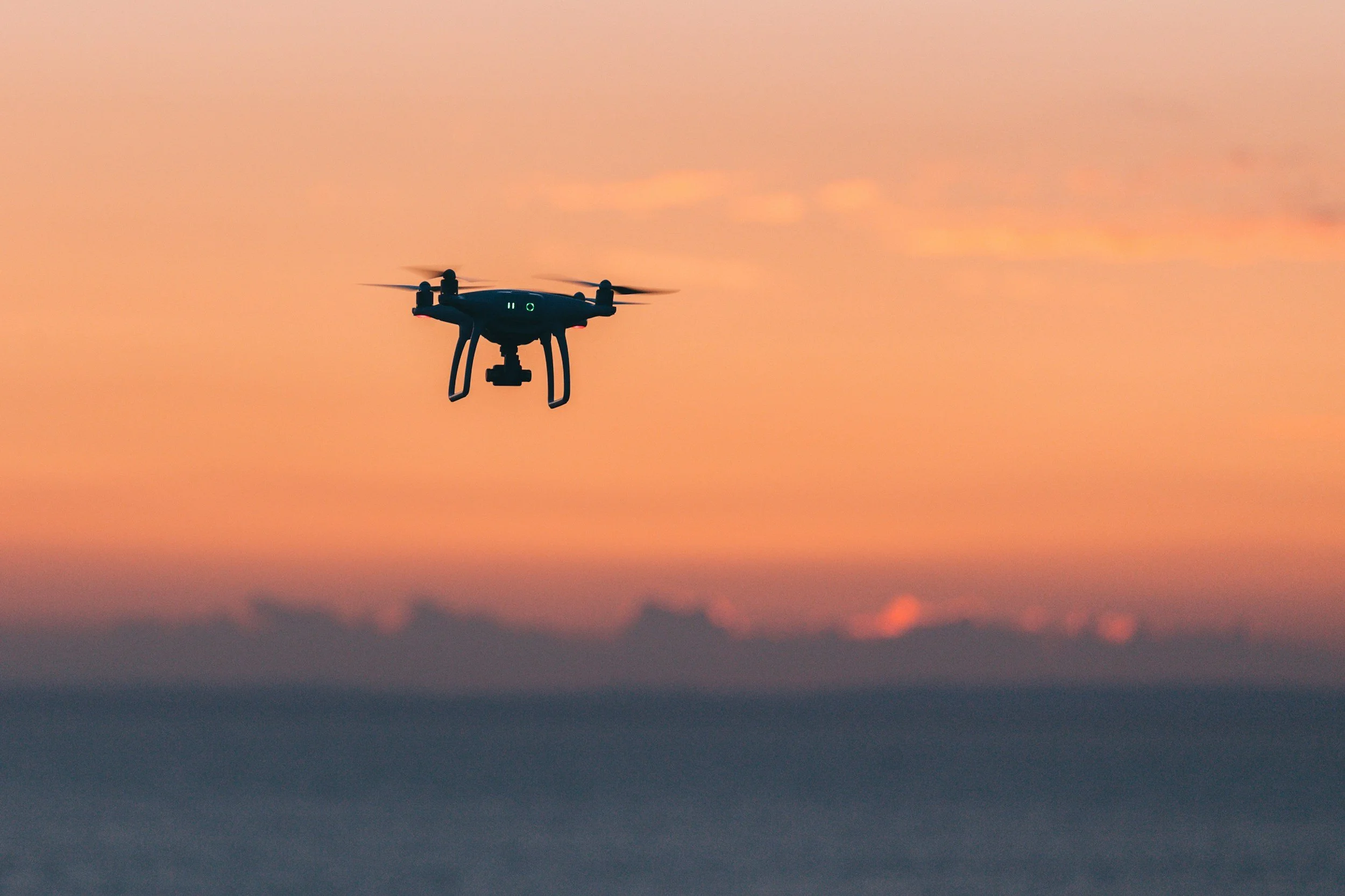
Japan has begun equipping its navy with U.S.-made drones featuring advanced artificial intelligence, selecting Shield AI’s V-BAT unmanned aerial vehicle to strengthen maritime monitoring amid growing regional security concerns.
The Japan Maritime Self-Defense Force (JMSDF) confirmed in January 2025 a multi-year contract to acquire multiple V-BAT units, with six drones approved for purchase in the fiscal year ending March 2026 at a cost of 3.7 billion yen (US$23.7 million). This marks Japan’s first ship-based platform dedicated to intelligence, surveillance, and reconnaissance (ISR).

























Strategic Context
Japan’s move aligns with its accelerated defense modernization, spurred by tensions with China, Russia, and North Korea. The country’s fiscal 2025 defense budget hit a record 8.7 trillion yen (US$55.1 billion), reflecting an 11-year trend of rising spending to counter regional threats and address personnel shortages. Historically cautious about unmanned systems due to constitutional limits on offensive capabilities, Japan has embraced drones since relaxing regulations in 2022. The V-BAT complements existing platforms like the Northrop Grumman RQ-4B Global Hawk and General Atomics MQ-9B SeaGuardian, enhancing naval flexibility.



























AI Technology at the Core
The V-BAT’s strength lies in its Hivemind AI software, which enables autonomous flight and decision-making without GPS or communication links, critical for operating in contested areas. Upgraded in April 2025, the V-BAT Block 5.3 model features a heavy-fuel engine for over 13 hours of flight, a payload capacity of up to 40 pounds, and satellite communications for remote control. Its vertical takeoff and landing design requires only a 12-by-12-foot area, ideal for patrol vessels, and can be assembled by two personnel in under 30 minutes. The system also supports coordinated multi-drone operations, known as swarming, under a single operator.





























Driving Factors
The JMSDF aims to extend the reach of its new 2,150-ton offshore patrol vessels, set to launch in November 2025, to monitor expansive maritime territories. The V-BAT reduces reliance on manned aircraft like the Kawasaki P-1, freeing resources for other missions. Its ability to function in environments with electronic interference addresses specific threats in the Indo-Pacific, where adversaries employ advanced jamming technologies. The acquisition reflects Japan’s focus on deterrence through persistent surveillance without escalating tensions.






























Operational Implications
The V-BAT is expected to enhance real-time intelligence for JMSDF ships, improving coordination with allies like the United States. Its combat-proven reliability, demonstrated in over 160 sorties in Ukraine by June 2025, suggests robustness in challenging conditions. However, integrating AI-driven systems may require significant investment in training, with JMSDF personnel currently training in the U.S., and maintenance could strain logistics as Japan builds expertise.


























Advantages and Challenges
The V-BAT offers cost-effectiveness, with estimated unit costs around US$500,000, compared to multimillion-dollar manned platforms. Its AI reduces operator demands, enabling complex missions with fewer personnel. However, potential vulnerabilities to sophisticated countermeasures, integration hurdles with existing systems, and ethical questions about AI autonomy in military roles pose challenges. Dependence on U.S. technology also raises concerns about long-term supply chain security.


























Outlook
Japan plans to expand its unmanned arsenal, including cargo drones and combat vehicles under the Global Combat Air Programme with the UK and Italy by 2035. AI-driven swarming and multi-domain operations are likely to grow, with potential for local drone production to reduce foreign reliance. Globally, the military drone market is projected to reach $21.9 billion by 2034, signaling broader adoption of AI-enhanced systems, though this may spark debates over regional arms dynamics.


































 TheDayAfterAI News
We are a leading AI-focused digital news platform, combining AI-generated reporting with human editorial oversight. By aggregating and synthesizing the latest developments in AI — spanning innovation, technology, ethics, policy and business — we deliver timely, accurate and thought-provoking content.