
Amazon’s Prime Air Drones Go 60-Minute Delivery, Powered by AI & MK30
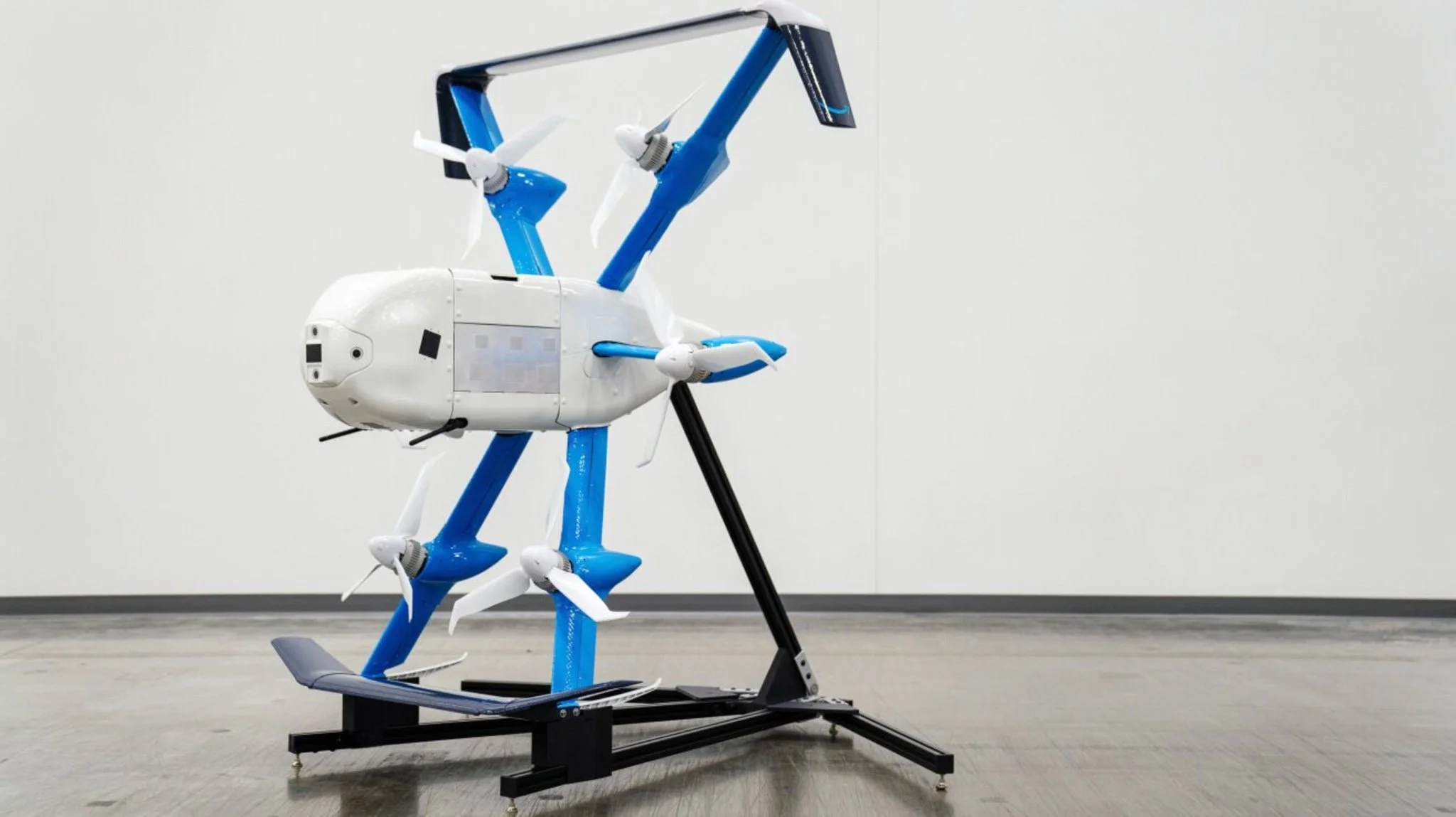
Image Source: About Amazon
Amazon has expanded its Prime Air drone delivery service, enabling packages to reach customers in 60 minutes or less in select US locations, leveraging artificial intelligence for enhanced navigation and operational efficiency.
The service, which utilises the MK30 drone model, targets items weighing up to five pounds and incorporates AI driven perception systems to detect and avoid obstacles during flights. This development comes amid broader industry efforts to optimise urban logistics through autonomous technologies.


























Background on Prime Air Initiative
Amazon first unveiled plans for drone deliveries in 2013, aiming to revolutionise last mile logistics by bypassing traditional road based transport challenges. The company promised deliveries within 30 minutes initially, but regulatory hurdles and technical refinements delayed widespread rollout.
By 2023, Amazon had completed only about 100 drone deliveries in test markets, far behind competitors like Alphabet Wing and Walmart. Progress accelerated in 2024 with the introduction of the MK30 drone, designed for quieter operation and improved range. In early 2025, operations paused briefly in Texas and Arizona due to altitude sensor issues, but resumed by March following safety enhancements.
The Federal Aviation Administration granted beyond visual line of sight approval in 2024, allowing drones to operate without constant human oversight, a key milestone for scaling. This regulatory green light stemmed from Amazon demonstrating robust safety protocols, including redundant sensors and AI algorithms for real time decision making.

























How AI Drives Navigation and Efficiency
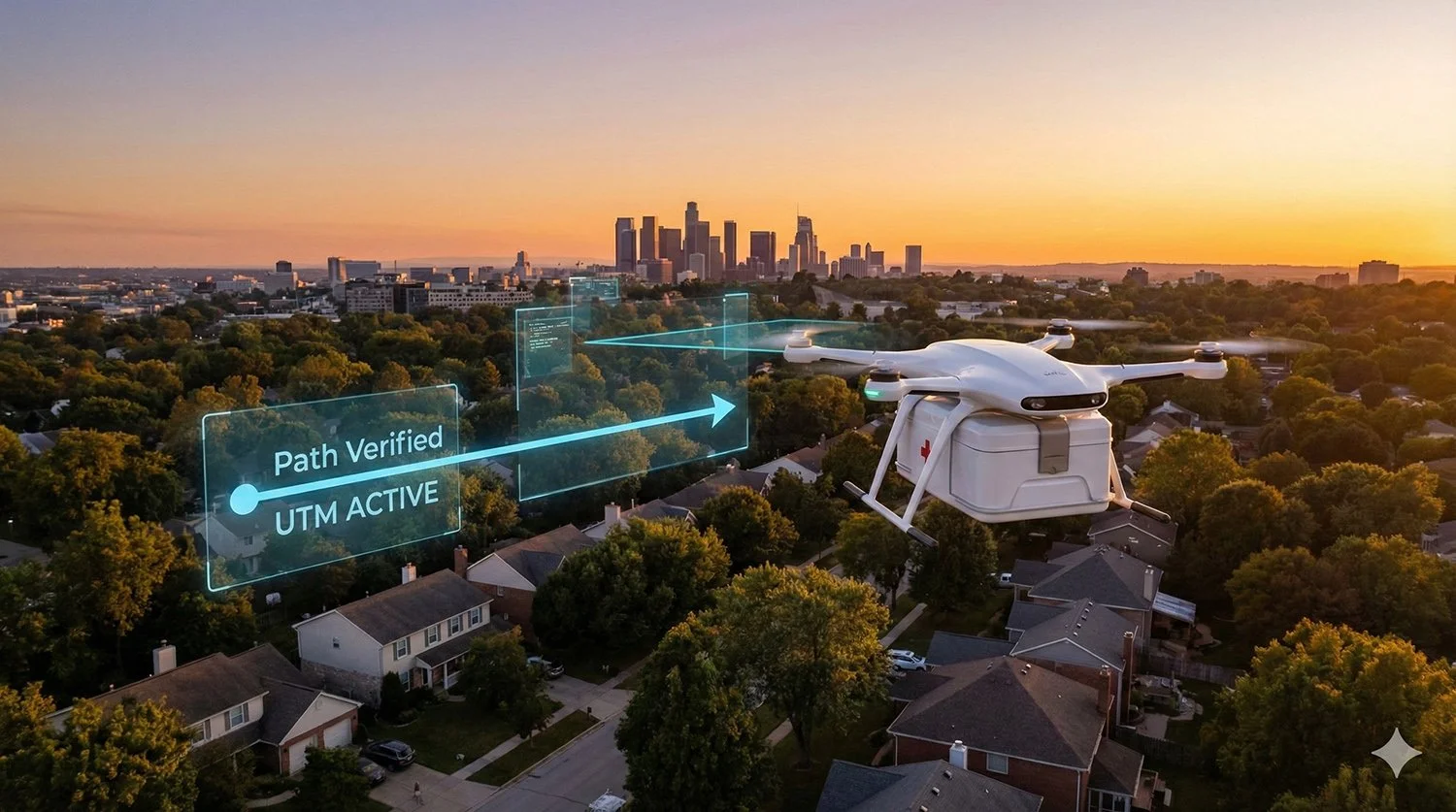
At the core of Amazon's drone operations is artificial intelligence, which powers navigation, obstacle avoidance, and route optimisation. The MK30 features advanced perception systems that use computer vision and machine learning to identify dynamic obstacles such as people, pets, or vehicles during descent, ensuring safe drop offs from about 13 feet above ground.
AI also integrates with digital mapping to define delivery zones, predicting flight times with accuracy within five minutes. This eliminates the need for manual site surveys, streamlining customer onboarding. In urban settings, where congestion hampers ground deliveries, AI enables drones to navigate complex environments, reducing reliance on human labour and potentially lowering carbon emissions through electric propulsion.
Recent innovations announced in June 2025 include AI tools for better demand forecasting and inventory management, indirectly supporting drone efficiency by ensuring optimal package selection and routing. These systems analyse vast datasets to anticipate customer needs, aligning with Amazon's push for AI optimised supply chains.






























Current Operations and Locations
Drone deliveries are active in Arizona, Texas, and expanded to Florida in October 2025, with customers near facilities like Ruskin able to select the option for eligible products. Over 60,000 items qualify, including electronics like Apple iPhones and Ring doorbells, following fresh FAA approvals.
Customers confirm drop off spots via the Amazon app, with drones verifying clearance before release. Operations occur in light weather conditions, with alternatives offered during adverse events. Prime Air personnel monitor operations and flights.




























Impact on Urban Logistics
The integration of AI in drone delivery addresses longstanding urban logistics pain points, such as traffic delays and high costs in densely populated areas. By enabling faster turnarounds, Amazon's approach could reduce delivery times compared to vans, enhancing customer convenience in suburban zones.
However, challenges persist, including noise concerns, privacy issues, and integration with air traffic. A recent incident on October 1, 2025, saw two Prime Air drones strike a crane boom in Tolleson, Arizona, leading to crashes and small fires, though no injuries occurred. Amazon paused operations in the area briefly for review, resuming by October 3 after safety checks, with the FAA and NTSB investigating the detect and avoid system's performance. Industry analysts note that while drones offer efficiency gains, they currently handle a fraction of Amazon's volume, with ground transport remaining dominant.


























Future Trends and Developments
Looking ahead, Amazon aims to deliver 500 million packages annually via drones by 2029, focusing on 30 minute or faster timelines in more markets. Expansion to new US cities is planned for late 2025, with international tests in the UK underway.
Broader trends suggest AI will further refine autonomy, with machine learning improving predictive maintenance and energy use. The global delivery drone market is projected to grow from USD 528 million in 2024 to USD 10.5 billion by 2034, driven by similar innovations. Yet, regulatory evolution and public acceptance will determine the pace, as competitors like Walmart and Wing also advance AI enhanced fleets.
This progression underscores a shift towards sustainable, tech driven supply chains, potentially reshaping e commerce logistics while balancing safety and efficiency.































 TheDayAfterAI News
We are a leading AI-focused digital news platform, combining AI-generated reporting with human editorial oversight. By aggregating and synthesizing the latest developments in AI — spanning innovation, technology, ethics, policy and business — we deliver timely, accurate and thought-provoking content.