
Woolworths Upgrades Olive Chatbot to AI Shopping Agent with Google Gemini

Image Credit: Jacky Lee
Woolworths says it will upgrade its Olive chatbot from a question answering help tool into a more personal shopping assistant that can plan meals and help build a weekly grocery basket. The upgrade is being developed with Google Cloud, using Google Cloud’s Gemini Enterprise for Customer Experience platform, which Google unveiled at the NRF 2026 retail conference in New York.























AI Helps Build Your Shopping Basket from Recipes
According to iTnews, Woolworths is aiming for “more personalised interactions” and a more natural way for customers to shop, including multimodal inputs such as voice and images. One example described is sharing a photo of a handwritten recipe so Olive can help build a basket, and using voice to build a basket more quickly.
SmartCompany reports Woolworths has positioned the change as a time saving convenience feature and says Olive will be able to plan meals, build weekly shopping lists, and add items into a customer’s cart. It also reports Woolworths says customers will be able to view, edit, and swap suggested items before checkout.


























Inside the Meal Planning Assistant: The Role of Agentic AI
Google Cloud’s Gemini Enterprise for Customer Experience is marketed as “agentic” because it is designed to go beyond chat and carry out tasks, including multi step actions, based on customer intent and consent. In the Google Cloud launch release, Google describes three capabilities as central: complex reasoning, multimodal interactions, and executing consented actions such as adding items to a cart and potentially handling checkout.
In practice, Woolworths appears to be starting with meal planning and basket building, rather than pushing Olive into full automated checkout straight away. iTnews notes it does not appear Woolworths intends to use the more advanced checkout style features initially, with the focus looking more like a meal planning assistant.






















Does AI Subtly Shape What You Choose?
Once an assistant starts assembling baskets, the obvious governance question becomes how it chooses between similar items. SmartCompany reports Woolworths says it has no plans to place products into customers’ baskets based on paid commercial arrangements, and that suggestions will be driven by customer preferences, prompts, and shopping behaviour. It also reports Woolworths has not detailed what default logic applies when preferences are unclear.
This matters because the user experience can look neutral while still embedding priorities in ranking and substitution decisions. Even if nothing is paid placement, the system still needs rules for price, availability, private label, promotions, and loyalty discounts.



























Data Handling and Retention
Meal planning and grocery history can reveal sensitive patterns, from diet choices to household composition. Google Cloud’s enterprise terms and documentation state that customer data is not used to train or fine tune Google models without permission, with specific notes about prompt logging for abuse monitoring and other service specific handling such as grounding data retention windows.
A separate analysis piece republished by Inside FMCG, written by University of Sydney professor Uri Gal, argues that grocery assistants raise privacy and autonomy questions precisely because they sit so close to domestic routine and decision making. This is not Woolworths policy guidance, but it is a useful lens on the kind of scrutiny these systems are likely to attract.



























Similar Moves Overseas
The Woolworths Olive upgrade is landing during a broader push by large platforms to keep shopping inside conversational interfaces.
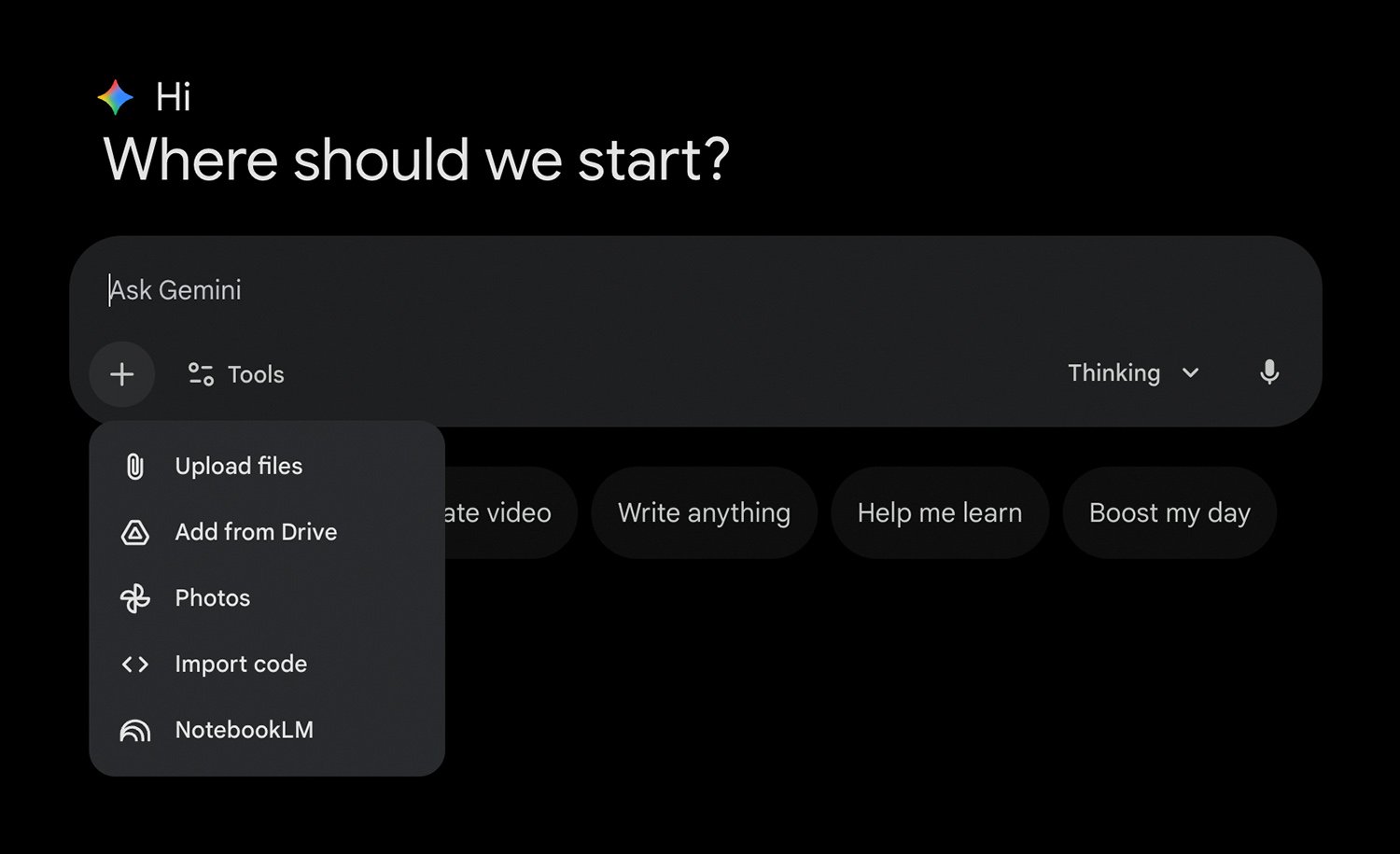
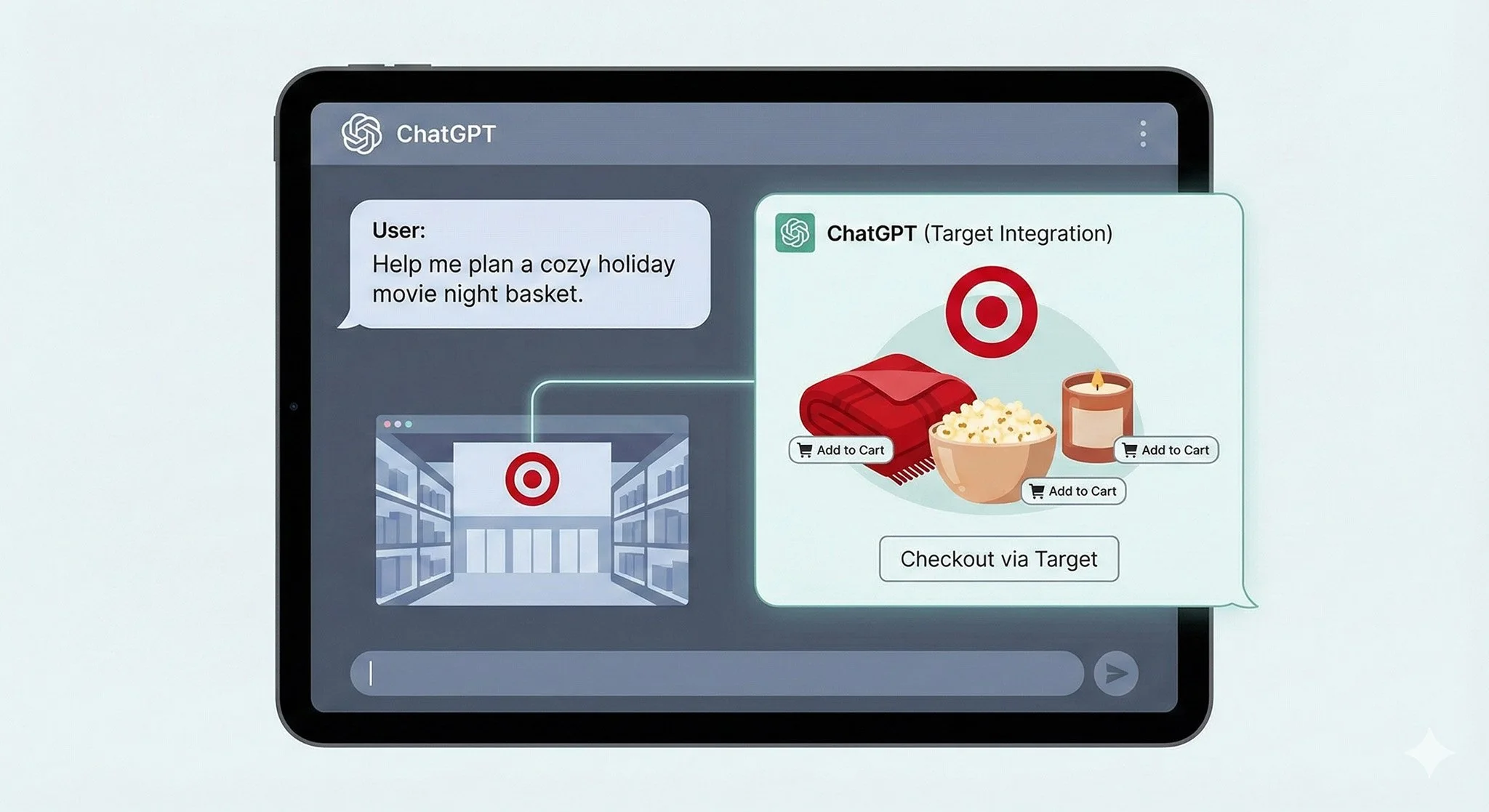
At NRF 2026, the Associated Press reported Google is expanding shopping features in the Gemini app in partnership with retailers such as Walmart, Shopify, and Wayfair, including an instant checkout flow without leaving the chat. The same report notes OpenAI launched an instant checkout feature within ChatGPT before the recent holiday shopping season, and positions this as a race among major tech firms to reduce friction from browse to buy.
On the standards side, Google also announced the Universal Commerce Protocol as an open standard intended to let agents and commerce systems interoperate across discovery, buying, and post purchase support. This is separate from Woolworths’ Olive work, but it shows where the wider ecosystem is heading.
OpenAI, meanwhile, describes its Agentic Commerce Protocol as the mechanism behind Instant Checkout, where ChatGPT sends order details to a merchant backend and the merchant accepts or declines the order while keeping their existing payment and fulfilment setup.
























License This Article










 TheDayAfterAI News
We are a leading AI-focused digital news platform, combining AI-generated reporting with human editorial oversight. By aggregating and synthesizing the latest developments in AI — spanning innovation, technology, ethics, policy and business — we deliver timely, accurate and thought-provoking content.