
Trinity Poll: 42% of UK Gen Z Fear Social Interaction More Than AI
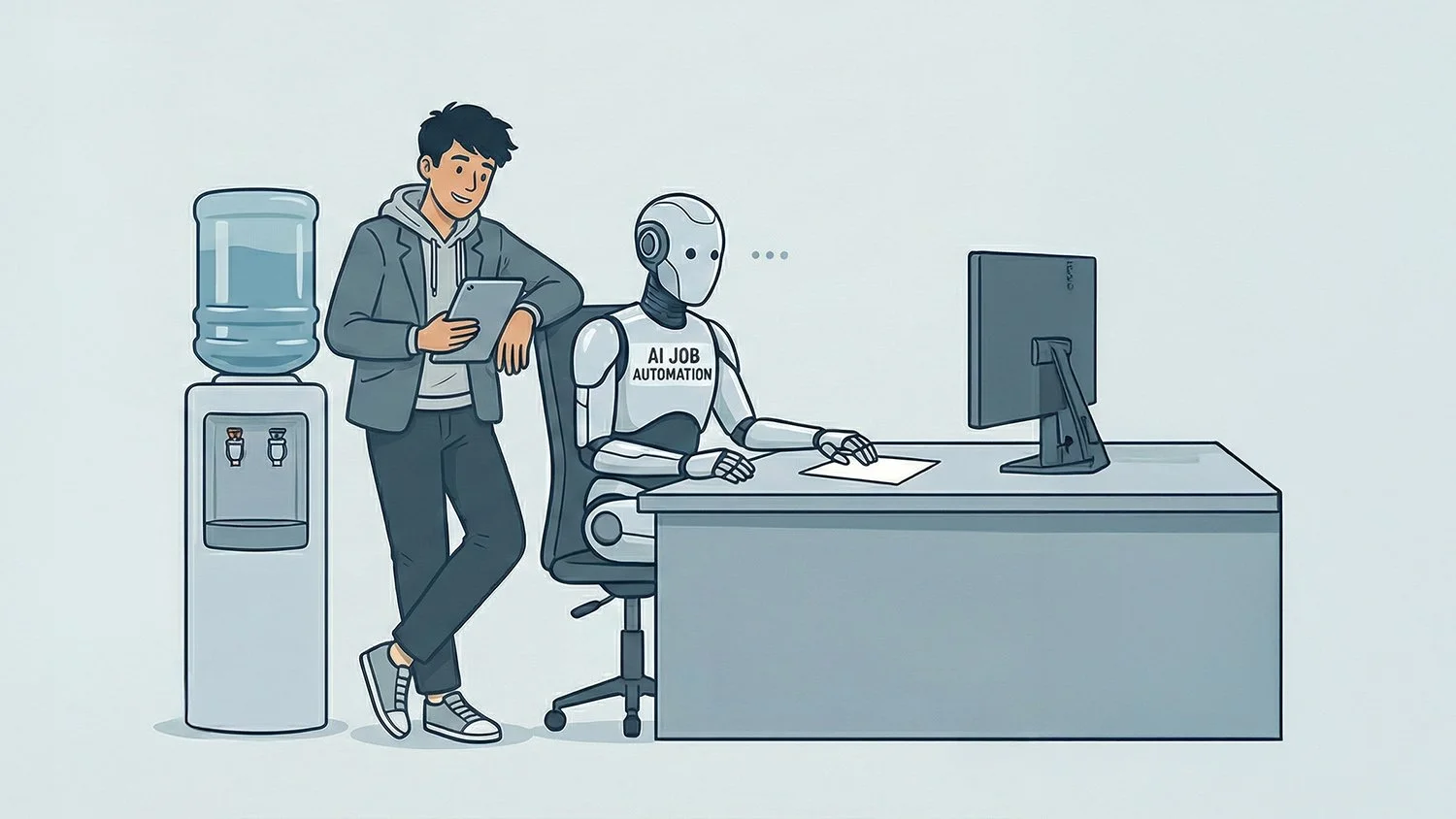
Image Credit: Jacky Lee
Young workers in the UK are more anxious about everyday office interactions than about artificial intelligence taking their jobs, according to a new poll commissioned by Trinity College London that highlights a shift in workplace worries for Generation Z. The survey of more than 1,500 people aged 16 to 29 across the UK suggests that social and communication hurdles now eclipse automation fears for many entering or preparing to enter the workforce.






















Human Interactions Top the Anxiety List
The poll found that 42 per cent of respondents were most anxious about working with unfamiliar people, while 38 per cent dreaded face-to-face small talk. Thirty per cent said they feared making phone calls, and 28 per cent cited early morning starts as a major concern. Nearly 60 per cent reported discomfort at the idea of working with older colleagues.
The findings arrive as hybrid and flexible work patterns remain common in many sectors, potentially reducing the everyday informal exposure that helps younger employees build confidence in spontaneous workplace interactions.



















AI Anxiety Ranks Lower
Concerns about AI replacing jobs were present but less prominent than interpersonal fears. About 22 per cent of respondents said they were worried about AI taking their job, a smaller share than those who flagged small talk, phone calls or unfamiliar colleagues as top stressors.
This contrasts with other recent surveys in the United States, including the Harvard Institute of Politics’ Fall 2025 Youth Poll, which found 59 per cent of Americans aged 18 to 29 see AI as a threat to their job prospects.
























What Gen Z Want from Employers
Asked what they would change about workplace culture, respondents focused on wellbeing and boundaries. Thirty-two per cent said mental health days should be a standard benefit, while 28 per cent supported enforcing more flexible hours and limiting after-hours expectations such as emails beyond early evening. A large majority, 68 per cent, said they would prefer to work from home.
The poll also pointed to broader preferences for fewer meetings and clearer workplace norms that reduce pressure around performative office culture.











A Wider Mental Health Backdrop
The Trinity findings fit into a larger picture of Gen Z workplace strain. Deloitte’s 2025 global Gen Z and Millennial Survey, which polled more than 23,000 respondents across 44 countries, found that 40 per cent of Gen Z say they feel stressed or anxious all or most of the time, with long-term financial security and workplace pressures among key contributors.














The Paradox of AI as Tool, not Threat
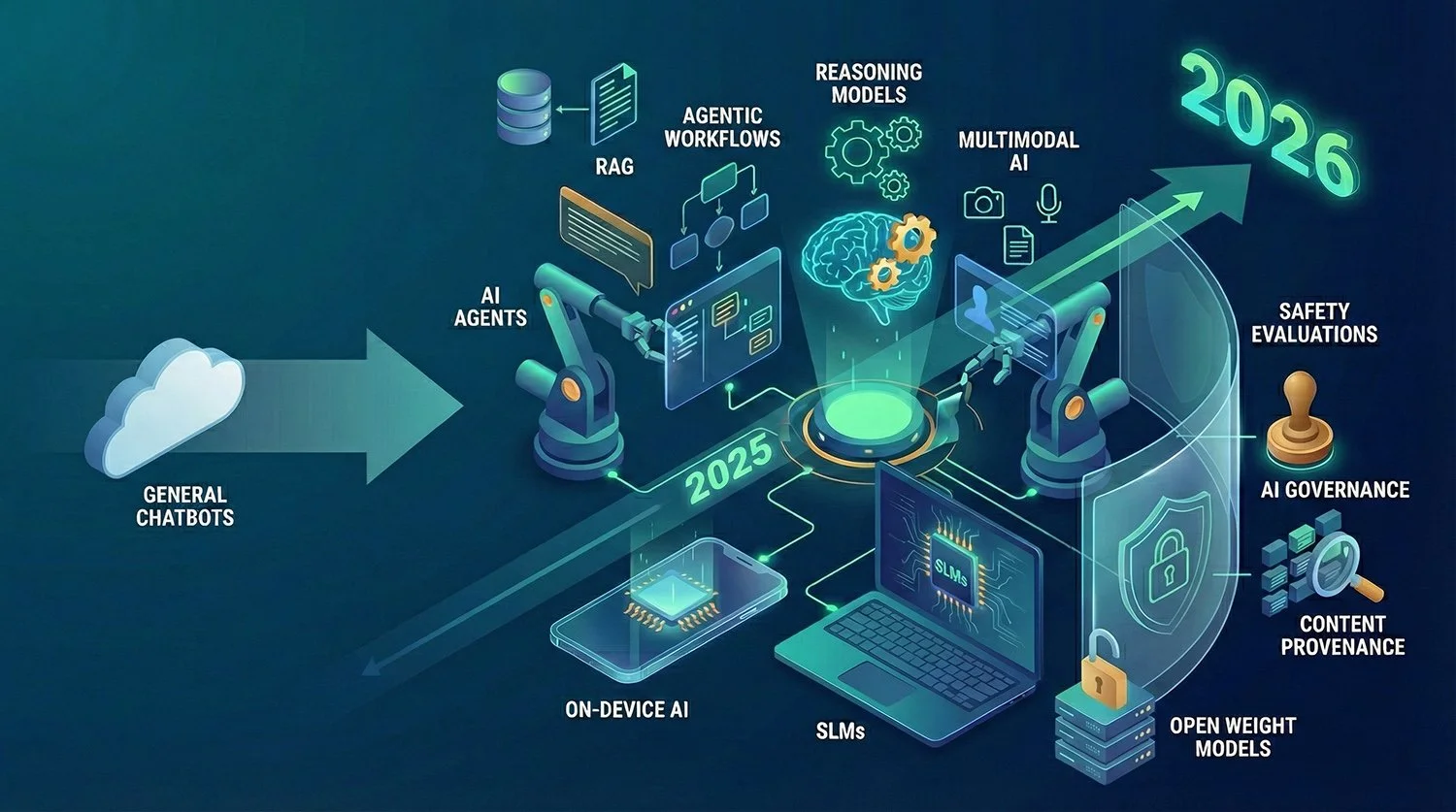
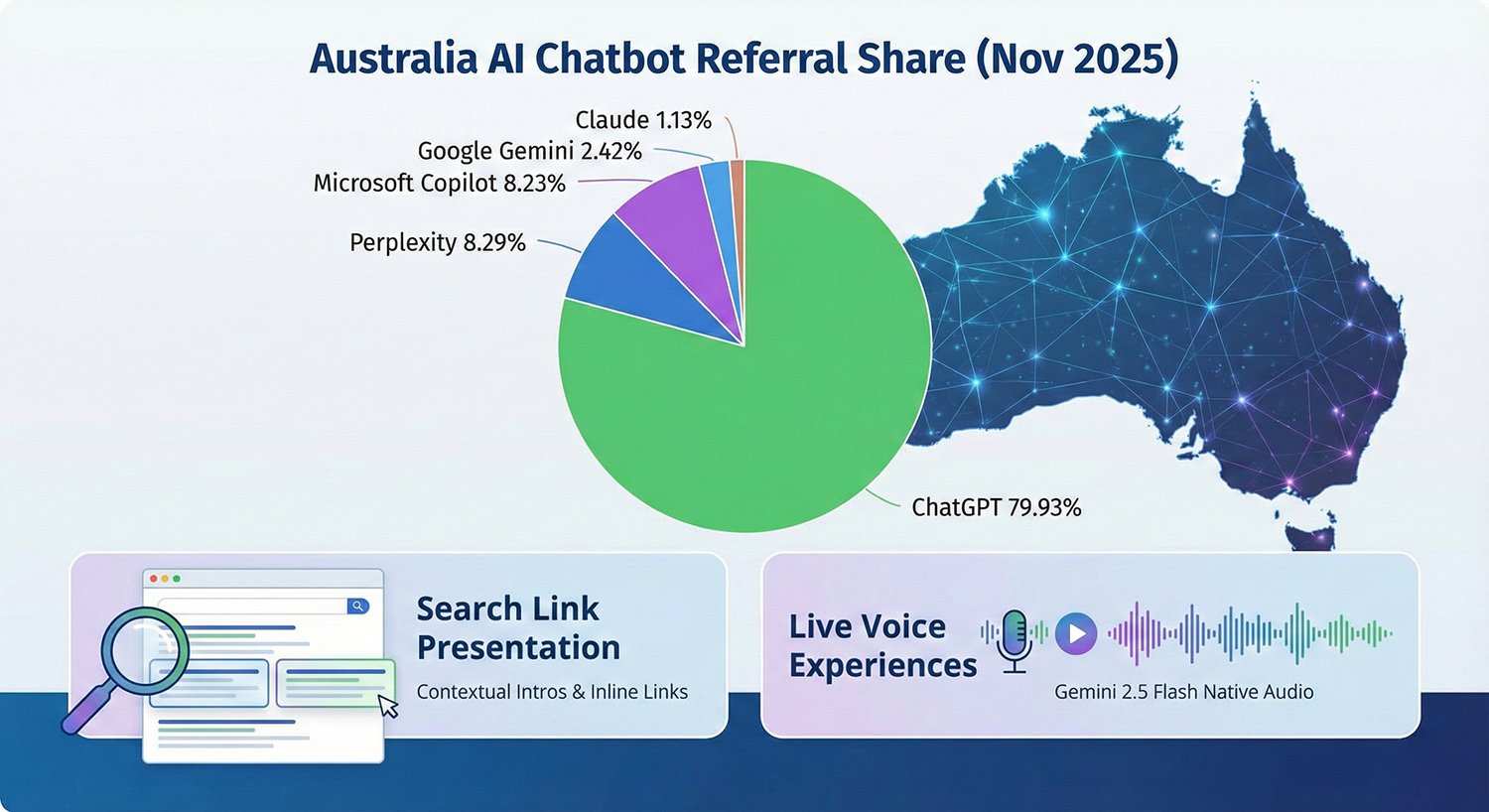
While AI anxiety ranked relatively low in the Trinity poll, young workers elsewhere appear to be using AI to cope with the very communication challenges the survey highlights. A 2024 Google Workspace/Harris Poll study of US young and aspiring leaders reported that 93 per cent of Gen Z respondents use two or more AI tools weekly. In Australia, Microsoft research published in October 2025 found 79 per cent of Gen Z workers say AI helps them communicate more professionally at work, suggesting these tools are increasingly used as a confidence aid rather than purely a productivity boost.





















Implications for Workplaces
The Trinity poll suggests employers may need to view Gen Z onboarding and retention through a more human lens. Rather than assuming that AI disruption is this cohort’s dominant fear, managers may need to emphasise structured mentoring, clearer social norms and low-stakes opportunities to build interpersonal confidence — from supported client calls to guided team introductions.
The results also hint that education and early-career training could place more weight on practical communication skill-building alongside technical literacy, especially in a labour market where hybrid routines can reduce everyday social rehearsal.





Outlook
As companies accelerate AI adoption, the Trinity findings underline a parallel challenge: ensuring that younger employees don’t feel isolated or overwhelmed by the basic social demands of office life. The poll suggests that for many young workers, the most immediate obstacles are not algorithms, but the simple unpredictability of a phone call or an unplanned conversation by the coffee machine.


























 TheDayAfterAI News
We are a leading AI-focused digital news platform, combining AI-generated reporting with human editorial oversight. By aggregating and synthesizing the latest developments in AI — spanning innovation, technology, ethics, policy and business — we deliver timely, accurate and thought-provoking content.