
Google’s AI Strategy: AI Mode vs Gemini in a USD 1.8 Trillion Market
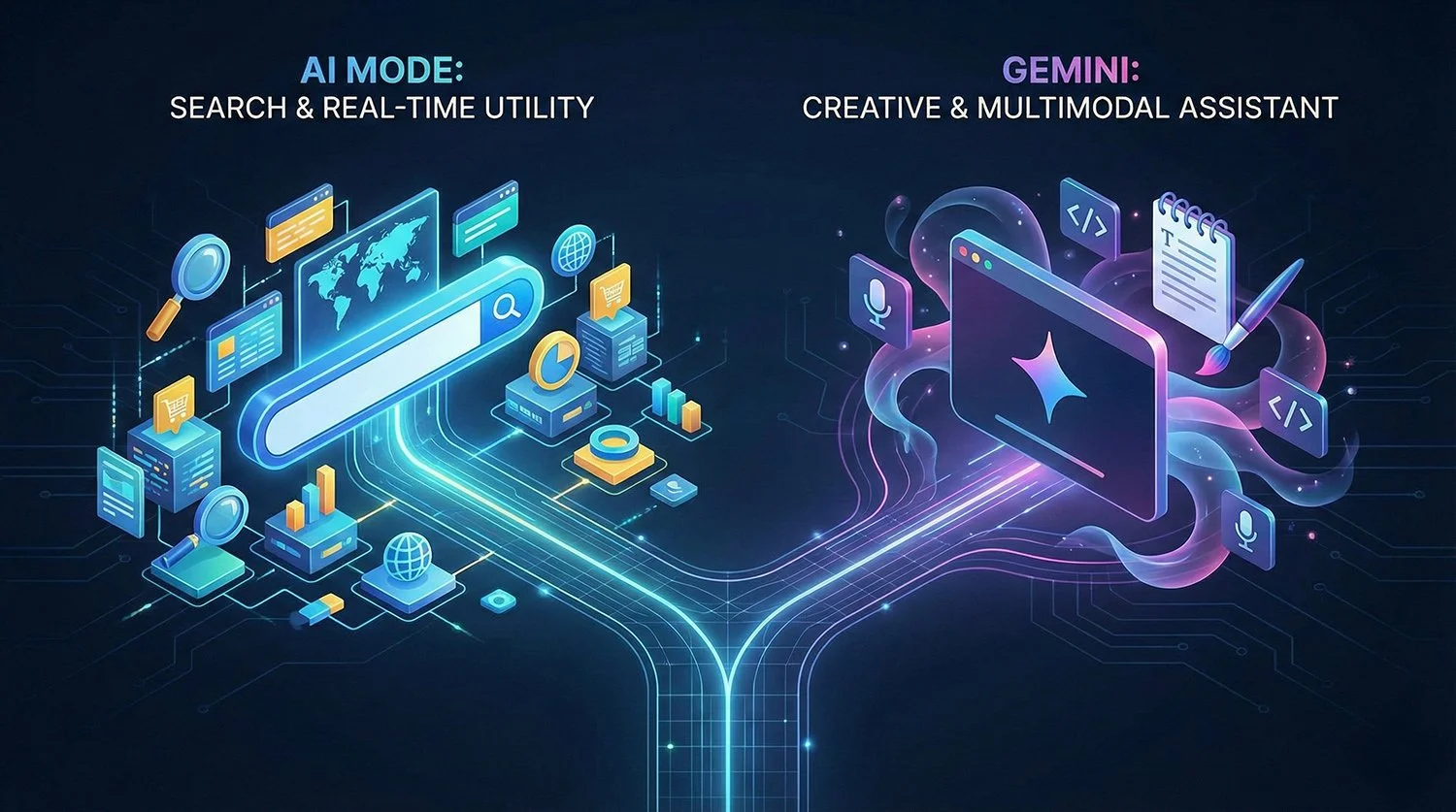
Image Credit: Jacky Lee
As artificial intelligence reshapes how people access information, Google’s two-pronged strategy is becoming clearer: AI Mode folds conversational AI into the world’s largest search engine, while Gemini remains the company’s standalone assistant for broader multimodal and productivity use. With the global AI market expected to grow rapidly — Grand View Research estimates the sector could approach ~USD 1.8 trillion by 2030, while UNCTAD projects ~USD 4.8 trillion by 2033 — the distinction between “AI inside search” and “AI as an assistant” is now commercially and culturally significant.

















Core Differences in Design and Purpose
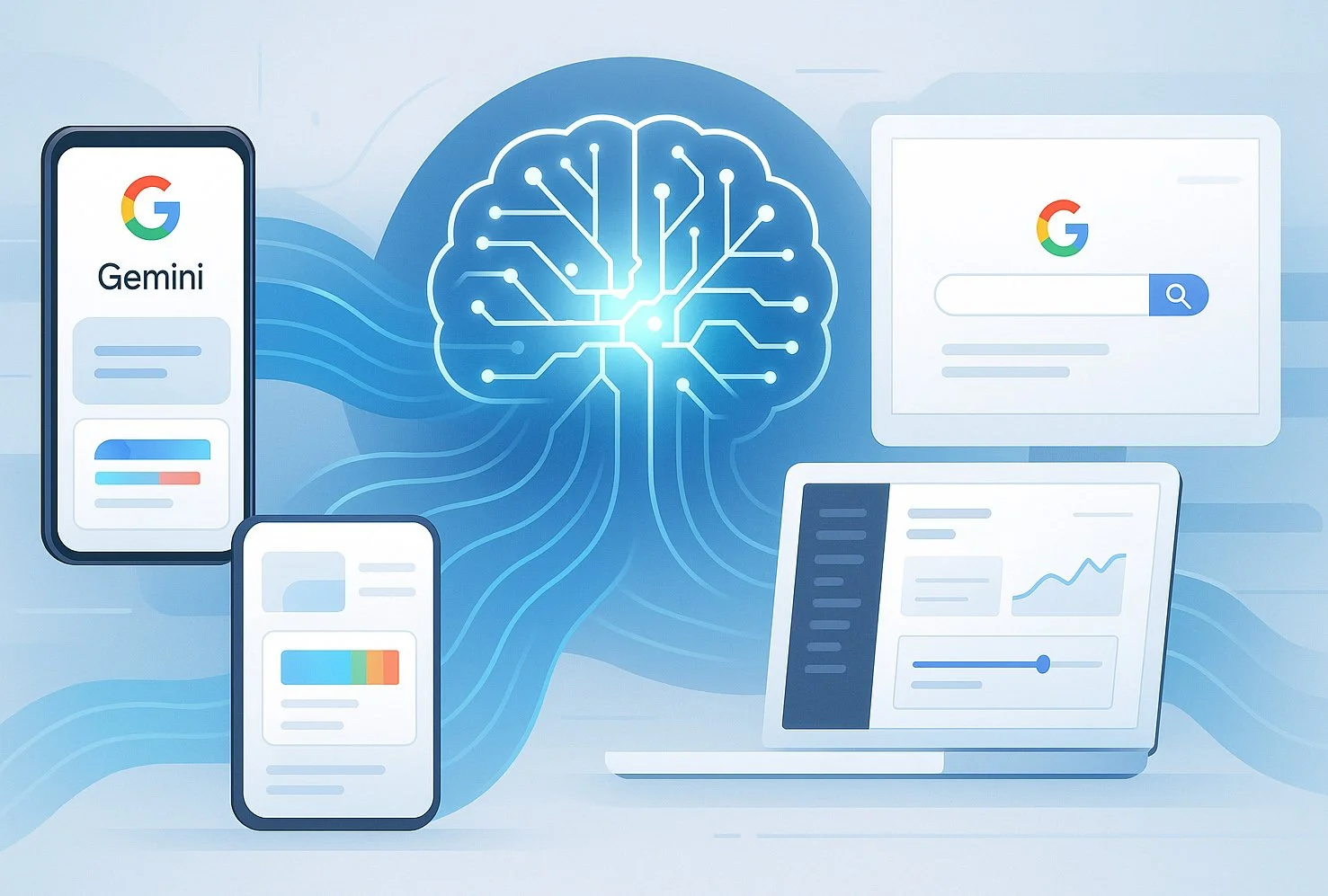
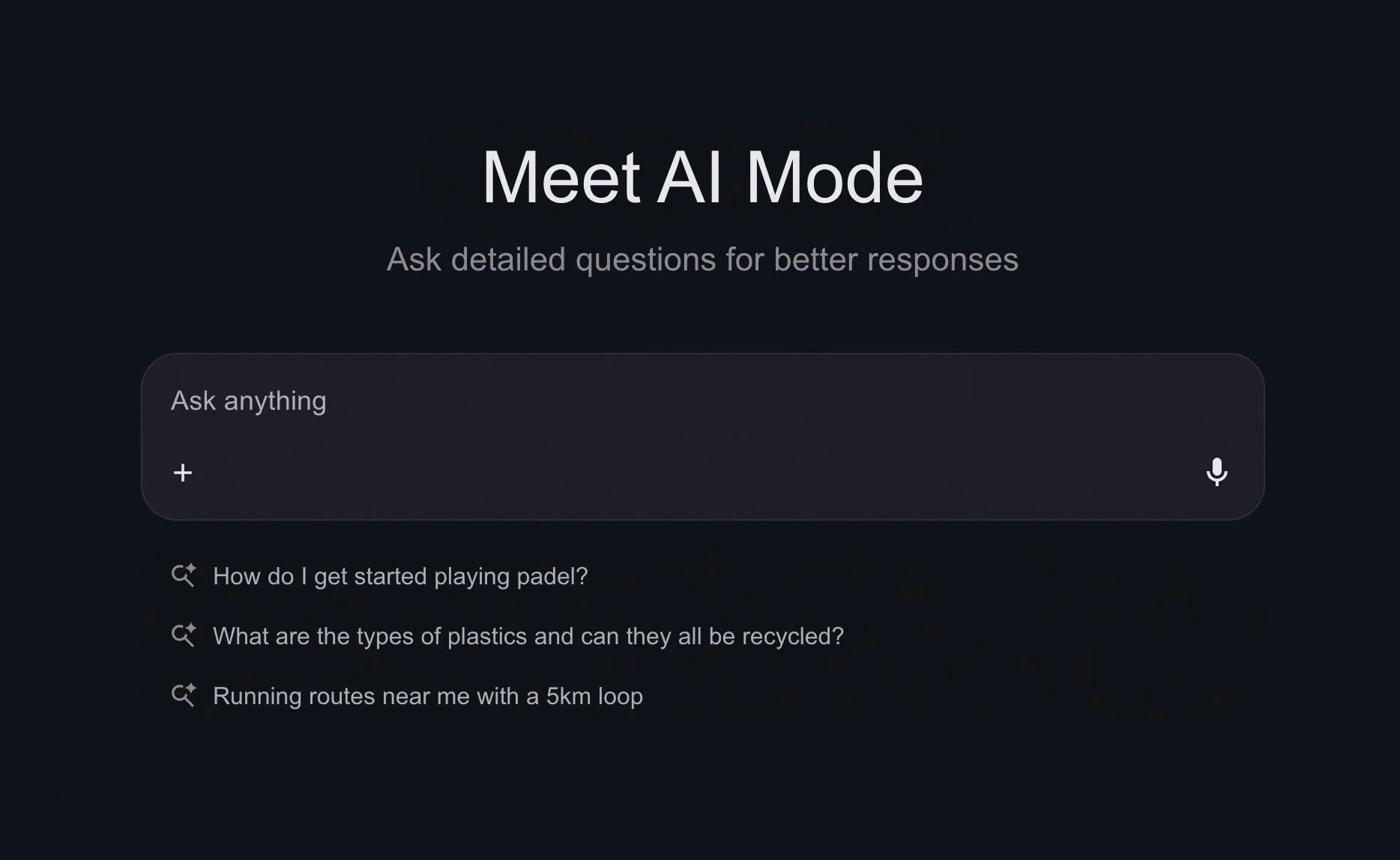
AI Mode is designed to answer questions using Google’s search infrastructure and ranking systems, presenting results in a conversational, full-page format inside Search. It was introduced in the U.S. through Search Labs in early 2025 and expanded widely over the year, reaching around 180 countries/territories in English by August 2025. In Australia, AI Mode arrived on Oct 7, 2025, alongside new AI-powered shopping and search features.
Google positions AI Mode as an evolution of its AI Overviews work. By late 2025, AI Overviews were reported to reach around 2 billion users per month, suggesting Google is scaling AI-assisted search as a default experience rather than a niche add-on.
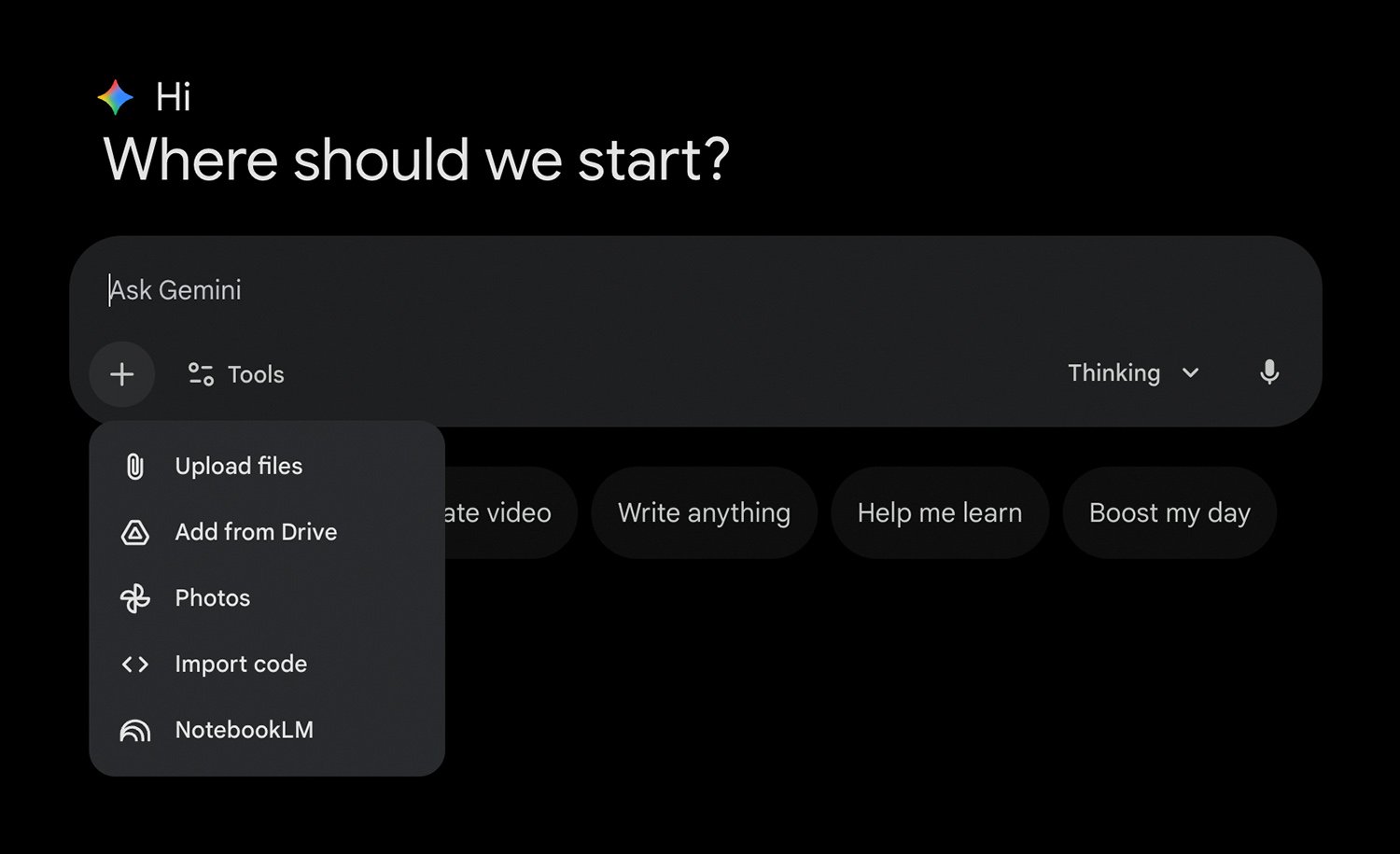
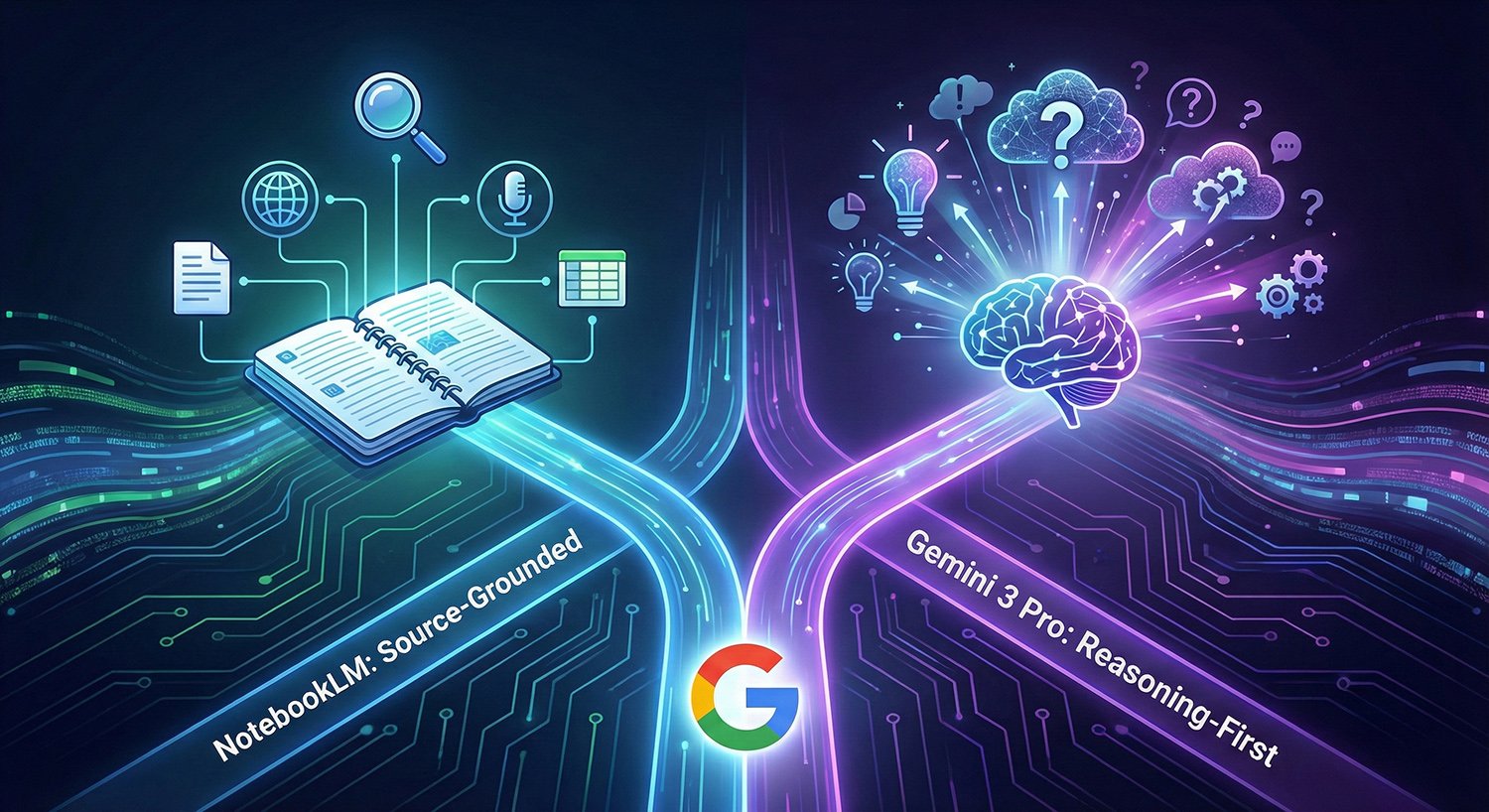
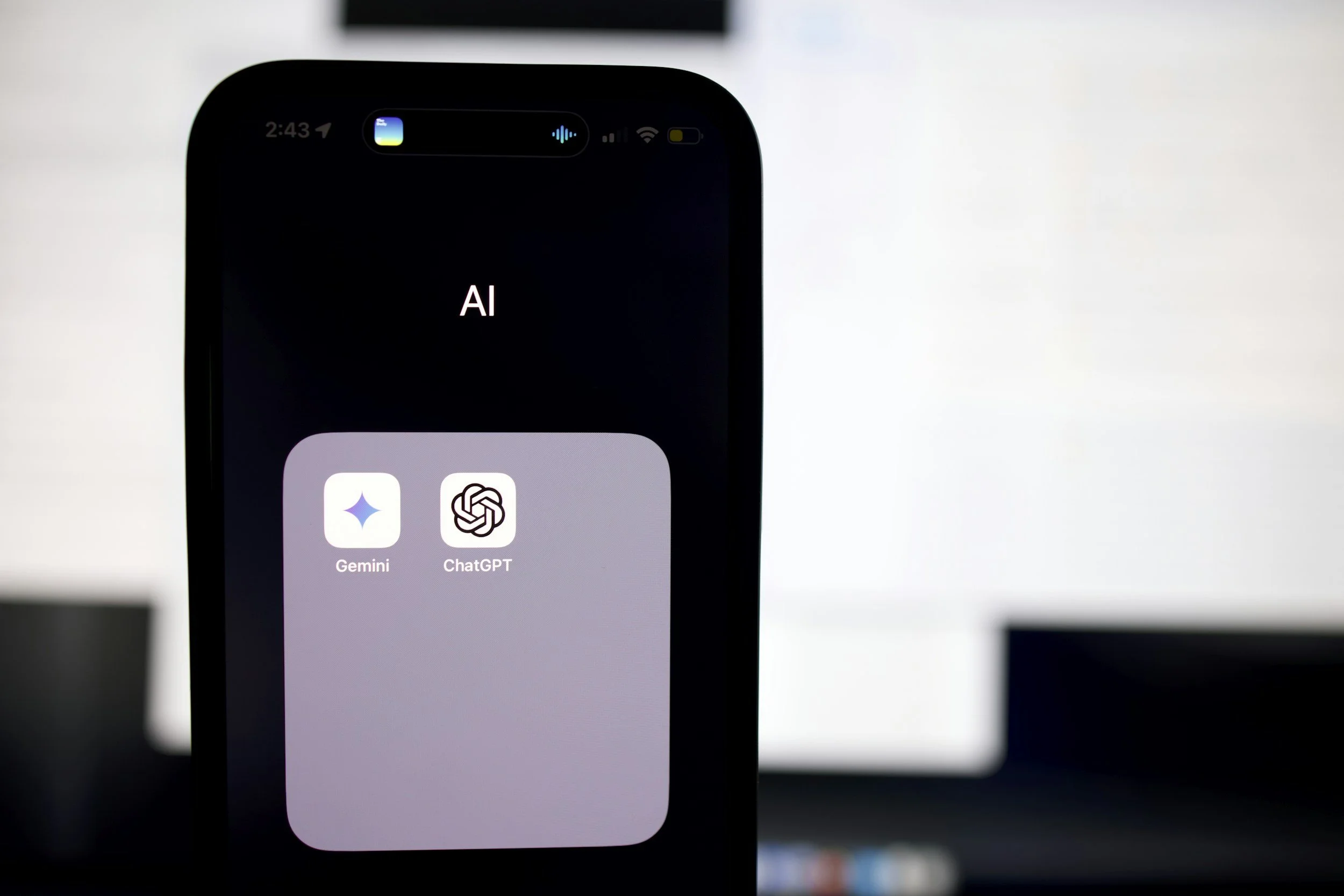
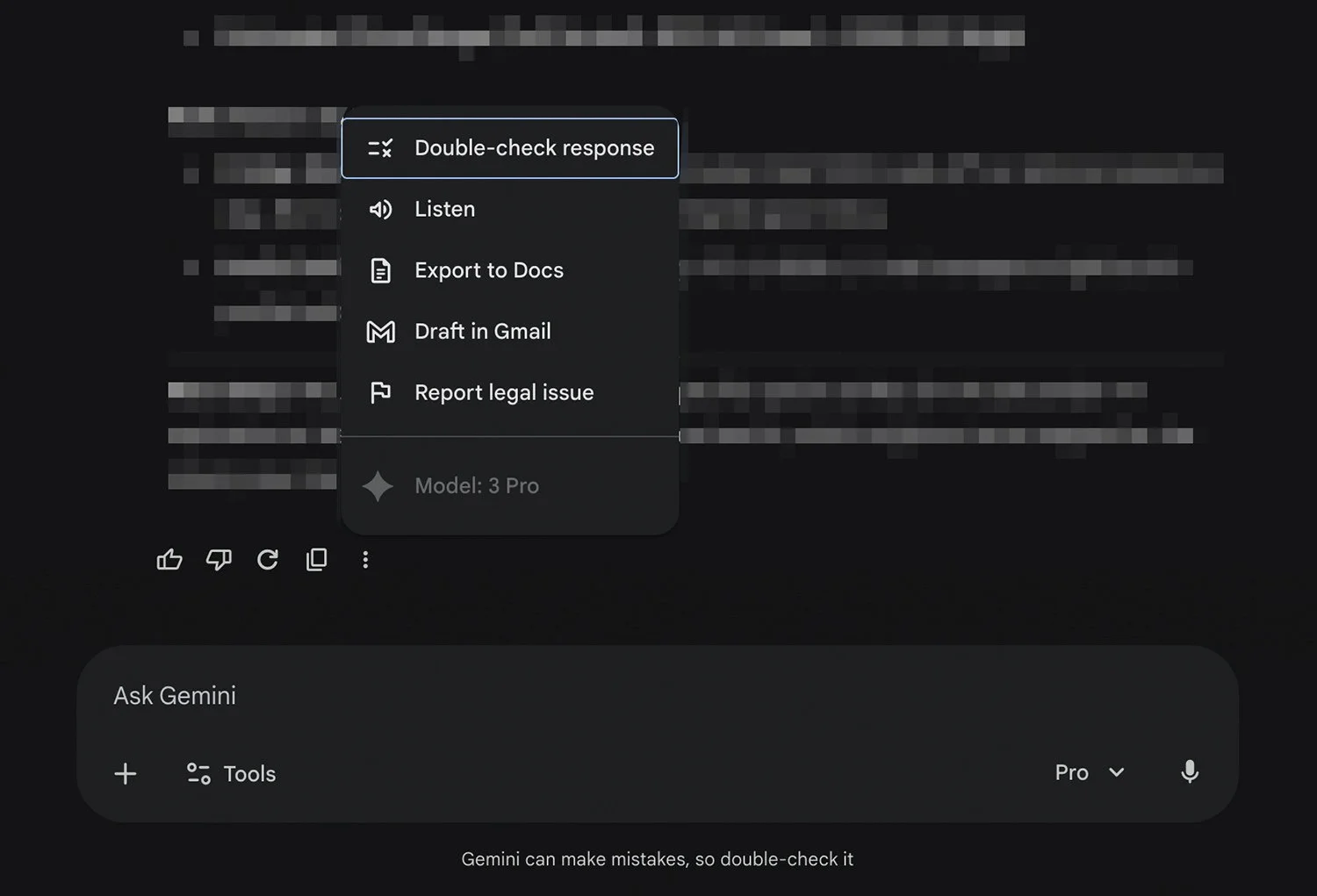
Gemini, by contrast, is the company’s general-purpose AI assistant that lives outside of Search. The product lineage runs from Bard’s 2023 debut to the Gemini rebrand in Feb 2024, with a mobile app and the higher-end “Advanced” experience tied to Google One subscriptions. Gemini is oriented toward multimodal input and longer, more personal workflows — writing, brainstorming, coding, image understanding, and increasingly “live” voice-and-camera assistance.













Model and Feature Evolution
Google’s model roadmap has accelerated. Gemini 2.5 Pro arrived in 2025 with stronger reasoning and a very large context window (1 million tokens at launch, with expansion planned), aimed at complex analysis and agentic tasks.
In November 2025, Google announced Gemini 3 for the consumer app and subscription tiers, reinforcing a pattern where Gemini’s most advanced capabilities appear first in the standalone assistant and then ripple into Search experiences.
























Shopping and Real-time Utility
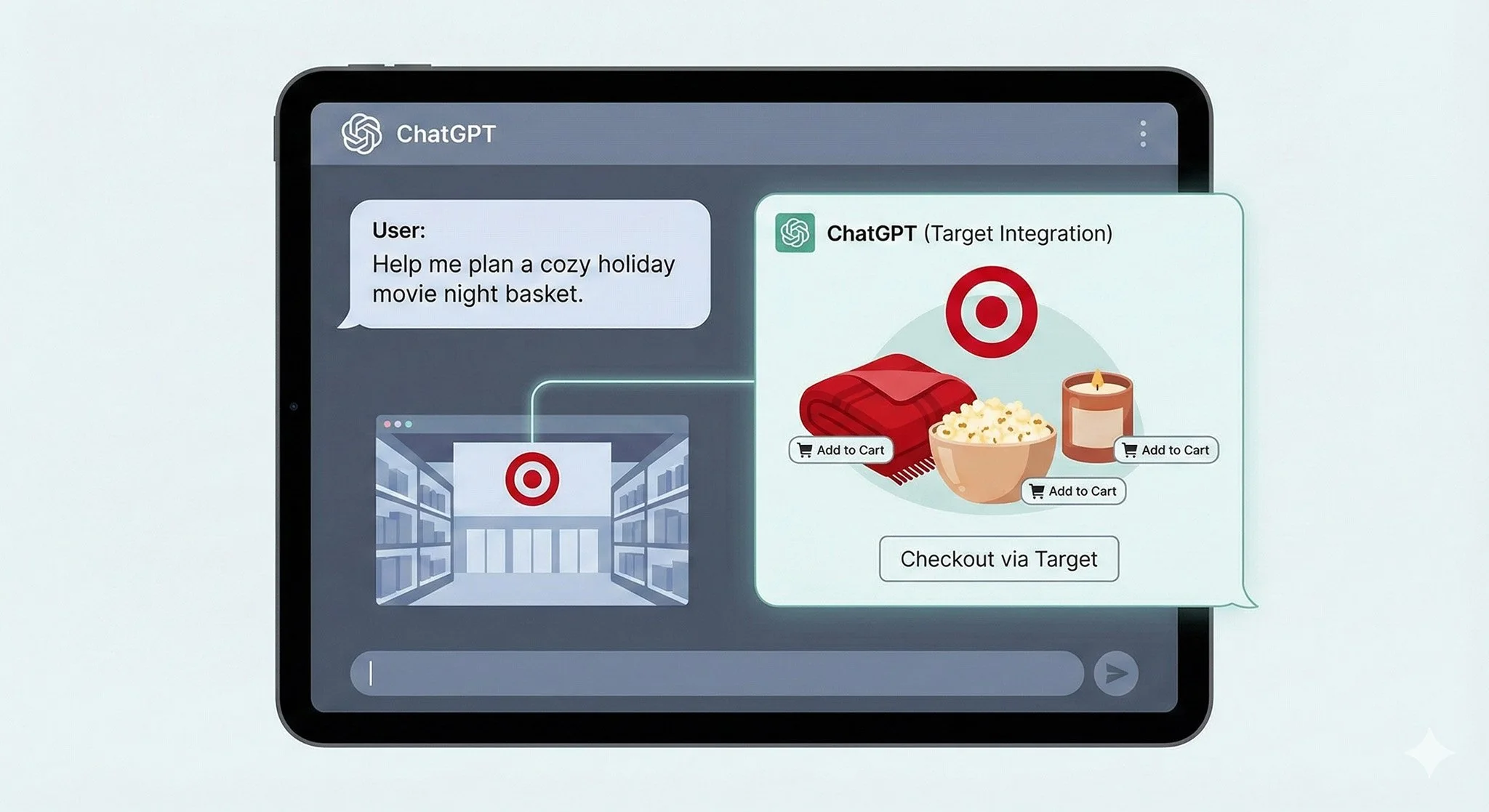
One of AI Mode’s clearest differentiators is commerce and local intent. Google’s Shopping Graph is now described as covering more than 50 billion product listings, which AI Mode can draw on when users ask for comparisons or recommendations.
Recent updates in late 2025 also highlighted more agent-like shopping tools in Search, including features that help users research and potentially act on purchasing decisions.


























Access and Pricing
For most users, AI Mode is part of Search and does not require a separate subscription to use the core experience. However, Google is increasingly tying higher limits and premium capabilities to its paid tiers.
Google AI Pro (formerly AI Premium) is positioned as the mainstream upgrade, bundling enhanced Gemini features and cloud storage. Google has publicly tied this tier to the USD 19.99/month price point in the U.S. and continues to market it globally.
Google AI Ultra launched in the U.S. in May 2025 at USD 249.99/month, then expanded. It is now listed as available in 140+ countries, with the highest usage limits and early access to select features. Some agentic experiences, such as Project Mariner, remain described as experimental and may be limited by region or rollout phase.





















When to Use Which Tool
The practical distinction is increasingly straightforward:
Use AI Mode for web-grounded, real-time, comparison-heavy queries — shopping decisions, local services, travel planning, and topics where the latest indexing or live availability matters. Its integration with the Search ecosystem makes it especially useful when you want quick synthesis backed by Google’s retrieval systems.
Use Gemini for creative work, multimodal reasoning, longer projects, and productivity flows — drafting, planning, coding with files, image-based analysis, and voice-first assistance through Gemini Live. Google says camera and screen-sharing features in Gemini Live were expanded broadly in 2025, reflecting its push toward a more context-aware assistant.




























Competitive Context
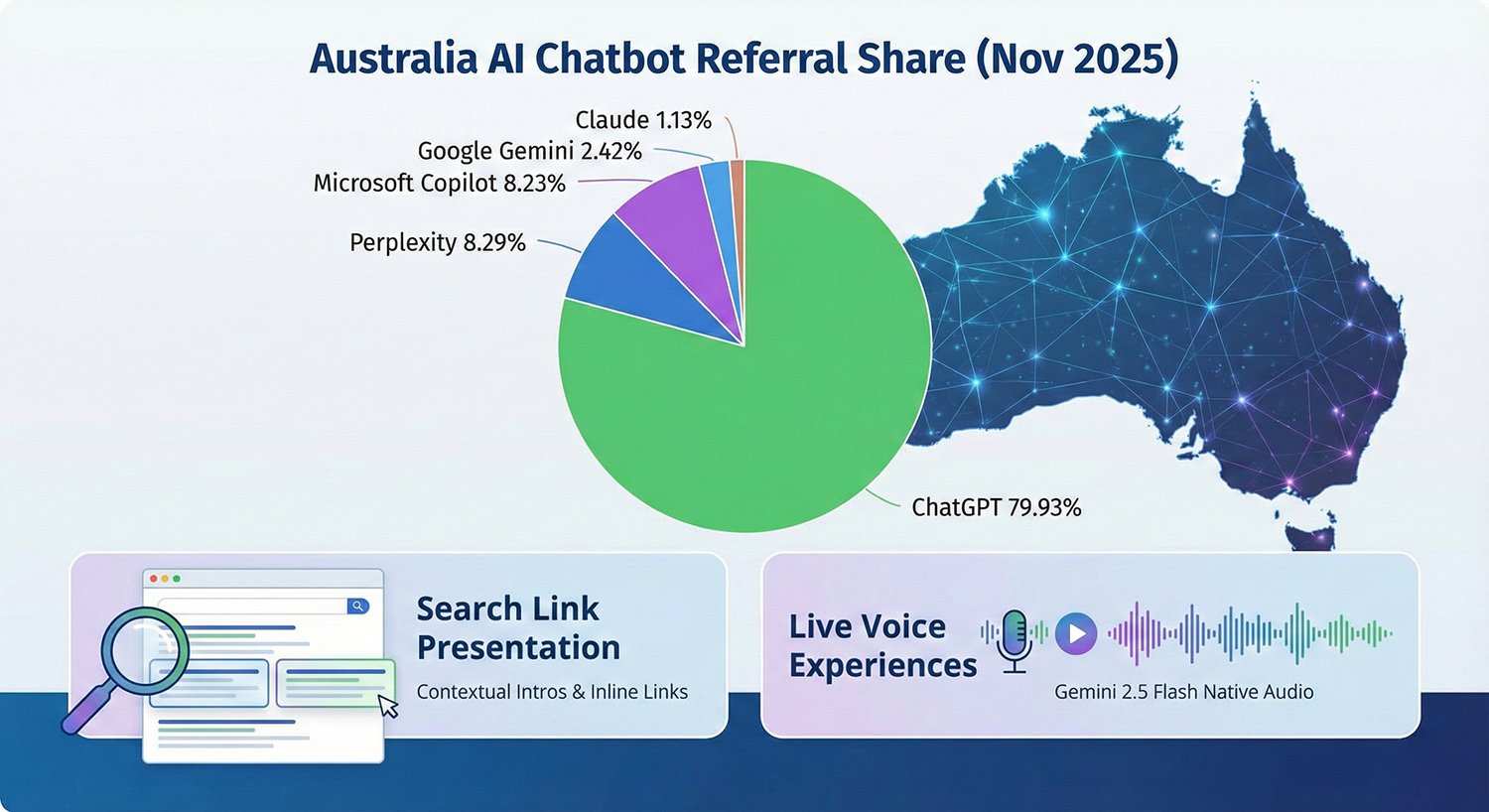
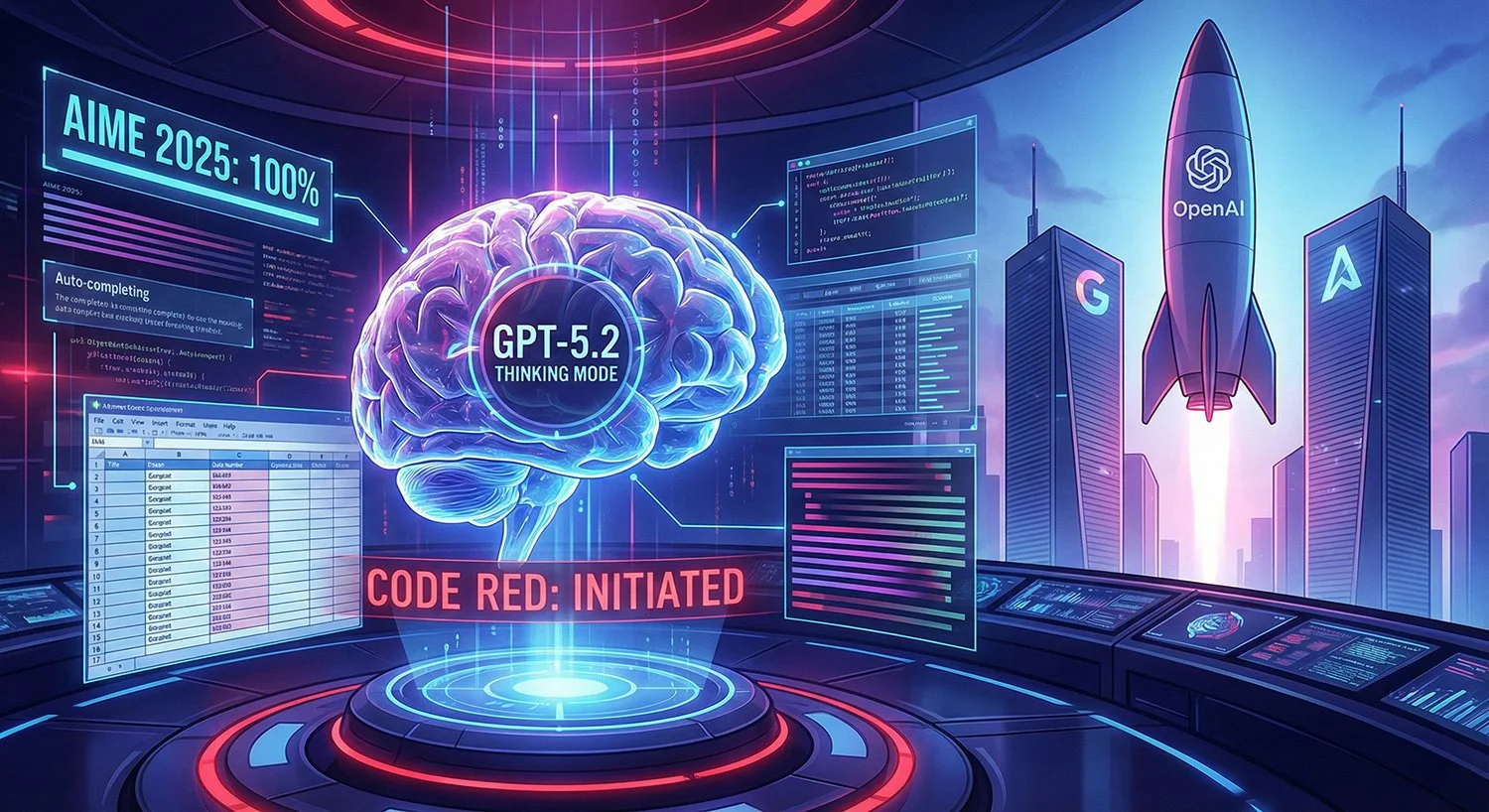
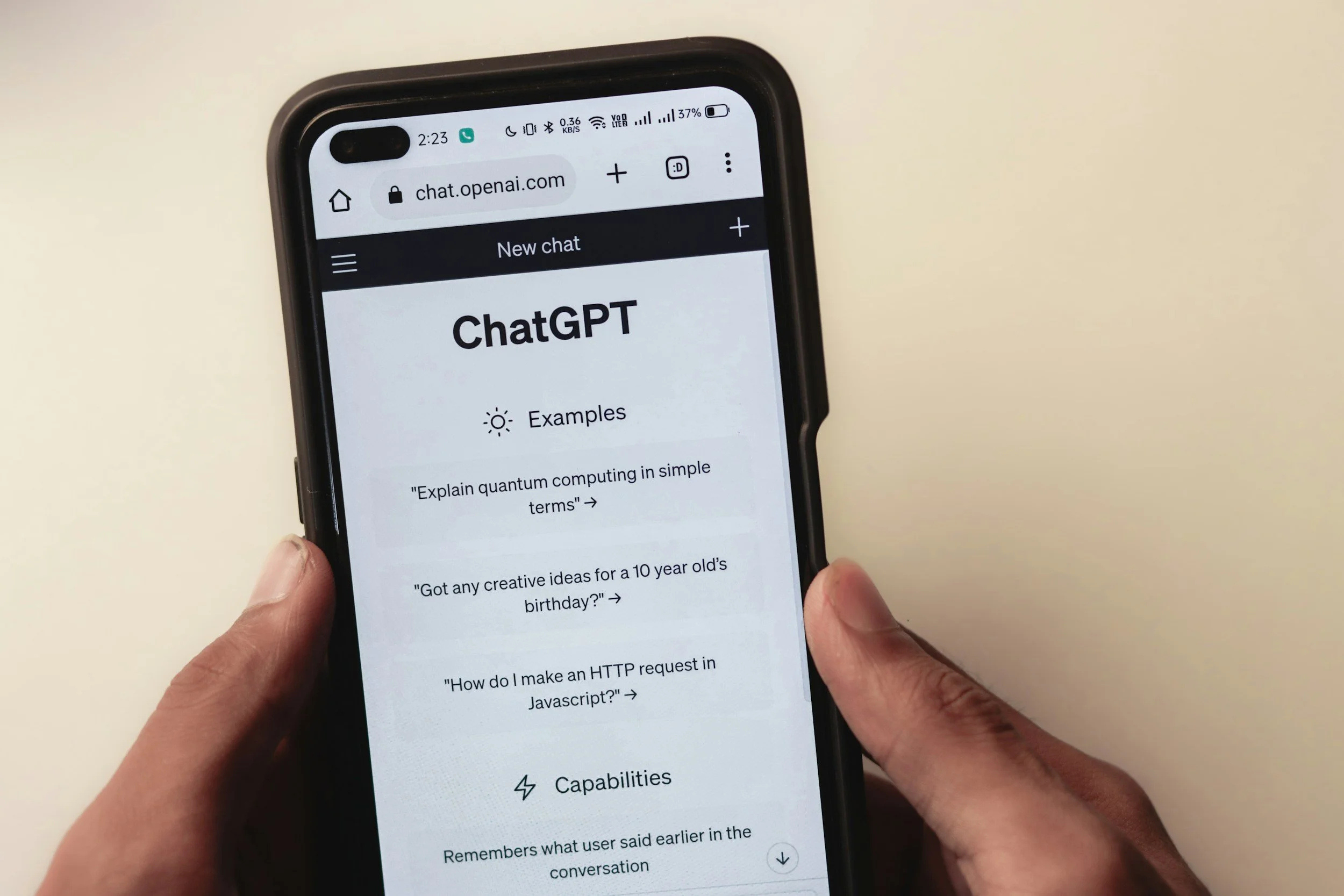
Google’s dual approach mirrors an industry-wide split between search-first AI and assistant-first AI. OpenAI reports ChatGPT has over 700 million weekly active users, and separate reporting quotes CEO Sam Altman citing ~800 million by October 2025, underscoring the scale of the consumer assistant market that Google is competing against.


























Publisher and Regulatory Pressures
As AI answers reduce friction for users, publishers continue to question how generative summaries will affect referral traffic and compensation. In Australia, media groups have already raised concerns about AI-driven search changes and their impact on the sustainability of news.
Regulators are also paying closer attention. The EU opened a fresh line of scrutiny in late 2025 over how AI systems may use publisher content, adding legal pressure to Google’s evolving search experience.
























Outlook: Gradual Convergence, not Immediate Replacement
Google’s product direction suggests a slow blending rather than a sudden merger. The Gemini app is being framed as a path toward a more universal assistant, influenced by DeepMind’s Project Astra research, while Search continues to absorb more conversational and agentic capabilities. For now, Google appears to be preserving a functional boundary: AI Mode as the “answer layer” of Search, and Gemini as the “do more, create more, see more” personal assistant.






































 TheDayAfterAI News
We are a leading AI-focused digital news platform, combining AI-generated reporting with human editorial oversight. By aggregating and synthesizing the latest developments in AI — spanning innovation, technology, ethics, policy and business — we deliver timely, accurate and thought-provoking content.