
Meta Hires Apple VP Alan Dye as Smart Glasses Shipments Double in 2025
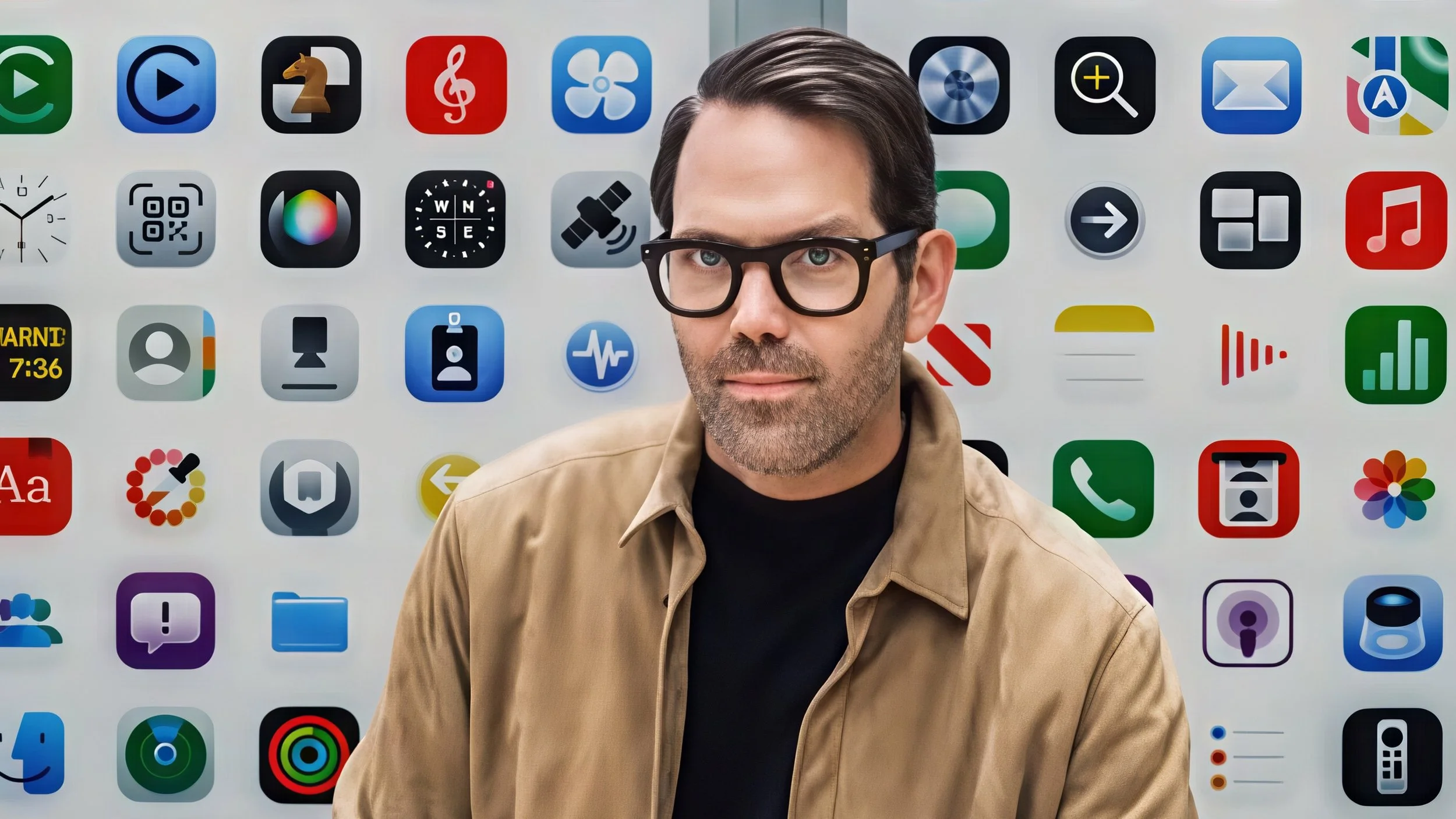
Image Source: Alan Dye@IG
Meta Platforms has recruited longtime Apple human interface design leader Alan Dye to become its chief design officer and lead a new creative studio within Reality Labs, a move that signals the company’s deepening bet on AI-powered consumer wearables. Meta chief executive Mark Zuckerberg announced the new studio on December 3, 2025, saying it will bring together design, fashion and technology with a focus on human-centred AI experiences, particularly for smart glasses.
Dye will join Meta on December 31, 2025 and report to Chief Technology Officer Andrew Bosworth. Apple said veteran interface designer Stephen Lemay will succeed Dye as vice president of Human Interface Design.
Meta’s hiring of Dye comes amid an escalating competition for design and AI talent as the industry shifts from smartphone-centric computing toward wearable, assistant-led interfaces. The company has positioned smart glasses as a cornerstone of that transition, building on its partnerships with EssilorLuxottica’s Ray-Ban and Oakley brands.


























A Key Apple Design Leader Exits
Dye joined Apple in 2006 and has led its Human Interface Design group since 2015, shaping user experiences across major products including iPhone, Apple Watch and Vision Pro.
His tenure also overlaps with Apple’s newest unified software aesthetic, Liquid Glass, introduced at WWDC on June 9, 2025 and carried across the company’s renamed platform lineup including iOS 26 and related releases. Apple describes Liquid Glass as a translucent, dynamic visual material meant to refresh controls, navigation and system elements across devices.













Meta’s Wearable Strategy Gains a Design Heavyweight
Meta has already achieved commercial traction with Ray-Ban Meta smart glasses. EssilorLuxottica said earlier in 2025 that sales surpassed two million pairs since the product’s 2023 launch, and that it aims to expand annual production capacity to 10 million units by the end of 2026.
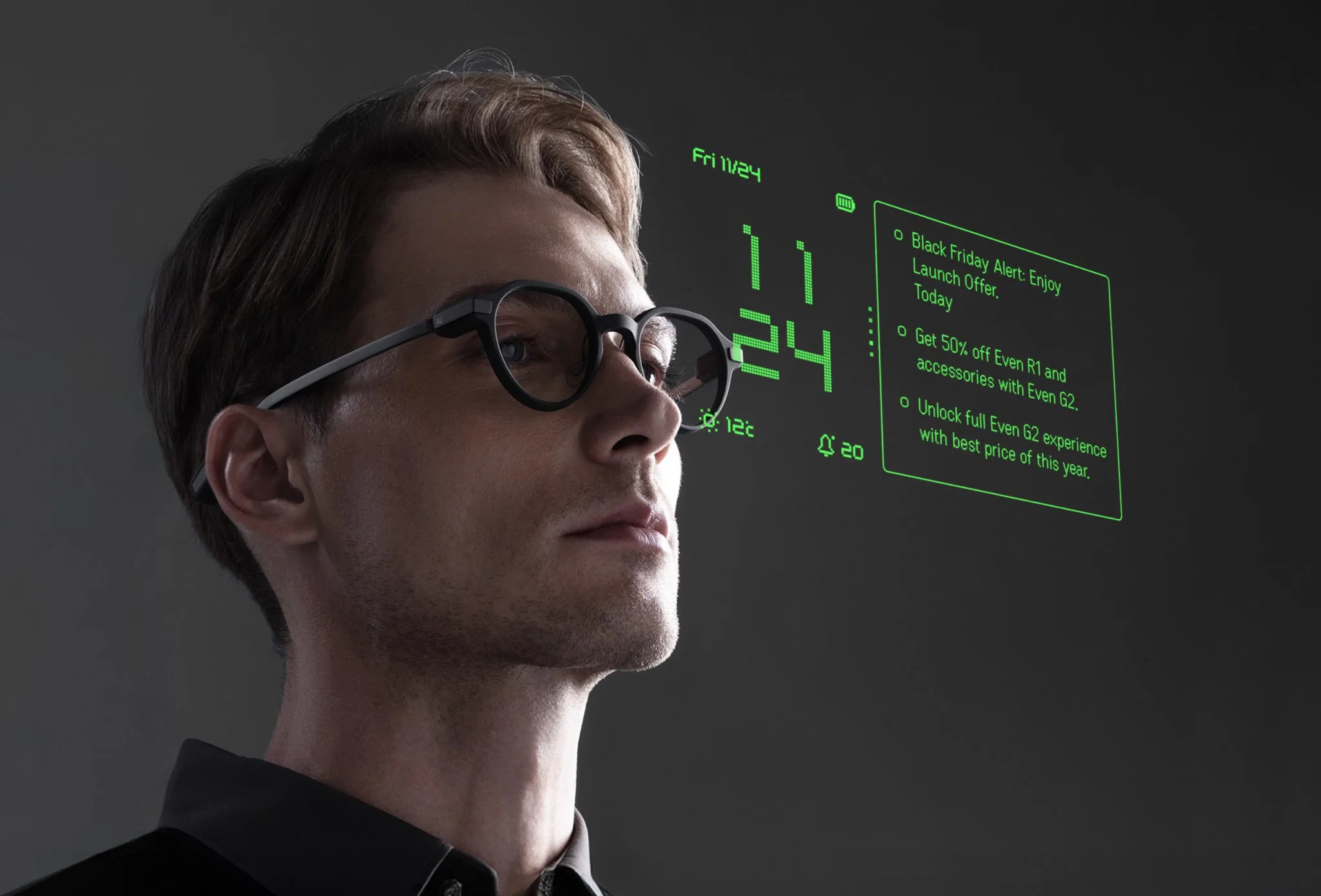
At Meta Connect 2025 in September, Zuckerberg broadened the lineup with more advanced and more specialized devices. The company introduced Meta Ray-Ban Display, its first Ray-Ban-branded model with an integrated display, priced from $799 and sold with the Meta Neural Band, an EMG-based wrist accessory designed for gesture control. The product launched on September 30 at limited U.S. retailers.
Meta also unveiled Oakley Meta Vanguard, a USD 499 performance-oriented model aimed at runners, cyclists and other athletes, featuring fitness integrations and improved ruggedness, with a North American release window beginning in late October.
The arrival of Dye suggests Meta wants to refine this growing hardware ecosystem into a more cohesive, intuitive interface family, an area where Apple’s design culture has long been influential.






















Apple, Google and OpenAI Widen the Race
Apple appears to be intensifying its own smart-glasses ambitions. A Reuters report citing Bloomberg said Apple has shifted focus away from a cheaper, lighter Vision Pro variant to prioritize AI-powered glasses, with multiple models in development over the next several years. The pivot underscores the industry view that lightweight, socially acceptable wearables may represent the next mainstream computing category, even as headsets remain niche.
Outside the traditional consumer electronics giants, OpenAI has also emerged as a potential long-term competitor in AI-first hardware. The company announced in May 2025 that it would acquire Jony Ive’s io Products in a deal valued at about USD 6.5 billion, and confirmed in July that the io team had formally merged with OpenAI.
However, the venture faces a branding constraint. A trademark dispute with startup iyO has led to a court order, upheld on appeal, preventing OpenAI and Ive’s hardware group from marketing relevant products under the “io” name while the case proceeds.
Meta has also been expanding beyond glasses. Reuters reported on December 5, 2025 that Meta acquired AI-wearables company Limitless, known for a conversation-transcription pendant, reinforcing its broader push toward always-available personal AI.















Why This Matters
Dye’s move gives Meta a high-profile design leader at a moment when hardware differentiation is no longer just about cameras and batteries, but about how comfortably AI can live in daily life. Meta’s growing range, from non-display lifestyle glasses to display-equipped models and sport-focused variants, offers more pathways to mainstream adoption than earlier generations of AR products.
For Apple, the departure adds to a broader leadership reshuffle and raises questions about how the company will evolve its design voice under Lemay, particularly as it seeks to compete in AI-first wearables.


















What to Watch Next
Meta has not disclosed a timeline for new products that will directly reflect Dye’s influence, but the appointment suggests the company expects the next phase of smart glasses to be defined as much by interface elegance and social acceptability as by raw technical capability.
With Apple reportedly accelerating smart-glasses development and OpenAI now officially in the hardware arena, albeit temporarily constrained on branding, the competitive pressure on Meta to translate early sales momentum into a durable platform is likely to intensify through 2026.




























 TheDayAfterAI News
We are a leading AI-focused digital news platform, combining AI-generated reporting with human editorial oversight. By aggregating and synthesizing the latest developments in AI — spanning innovation, technology, ethics, policy and business — we deliver timely, accurate and thought-provoking content.