
AI Drones in Ukraine: Progress, Pitfalls, and the Race to Redefine Modern Warfare
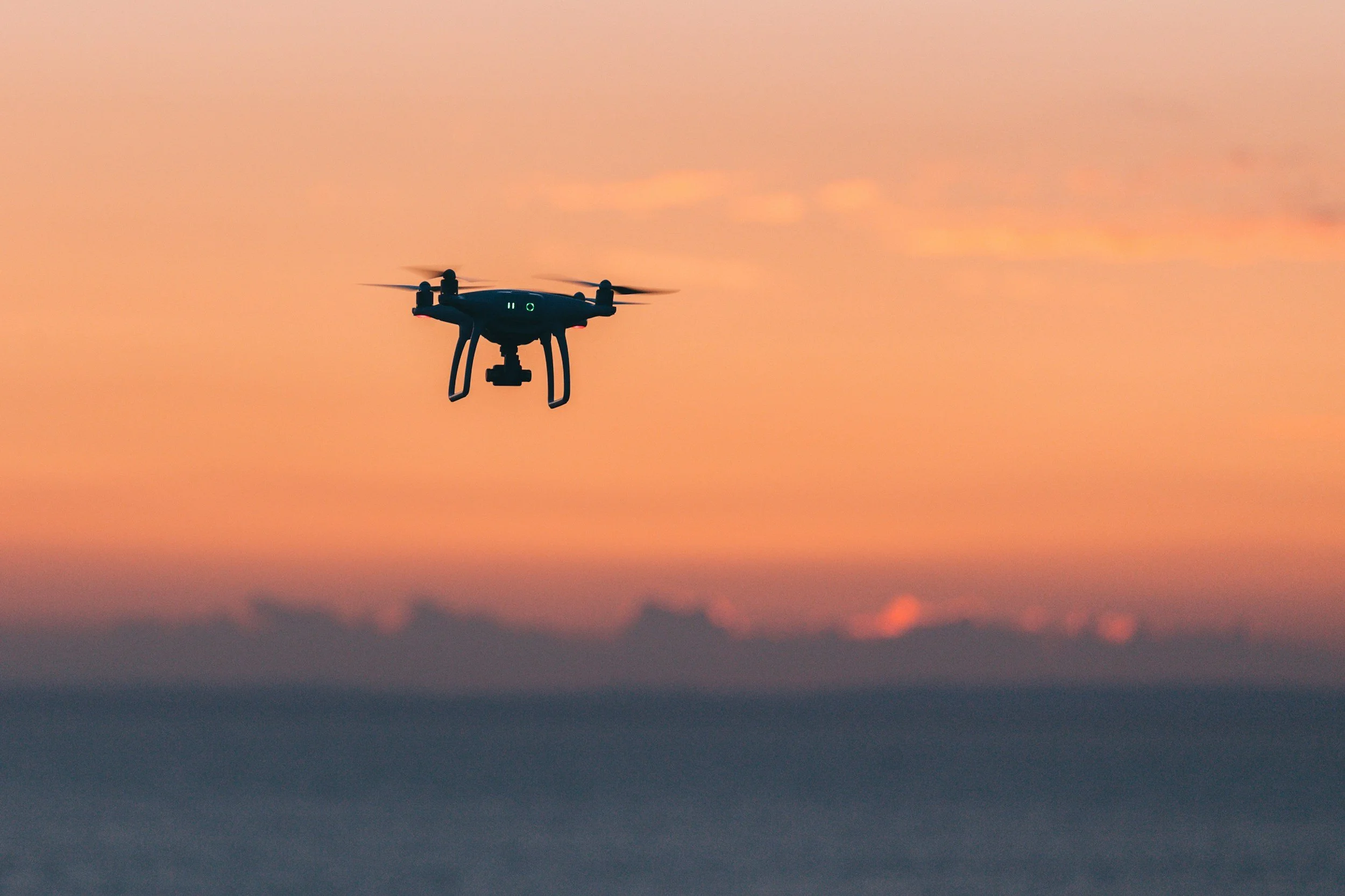
Image Credit: Jonny Gios | Splash
Ukraine’s push to integrate artificial intelligence into battlefield drones, seen as a potential game-changer in the Russo-Ukrainian war, has yet to deliver transformative results, according to military experts. Despite innovation by over 100 companies, AI-guided drones face technical and cost barriers, limiting adoption. Developers remain confident in their potential to reshape warfare.



























Early Hopes for AI Drones
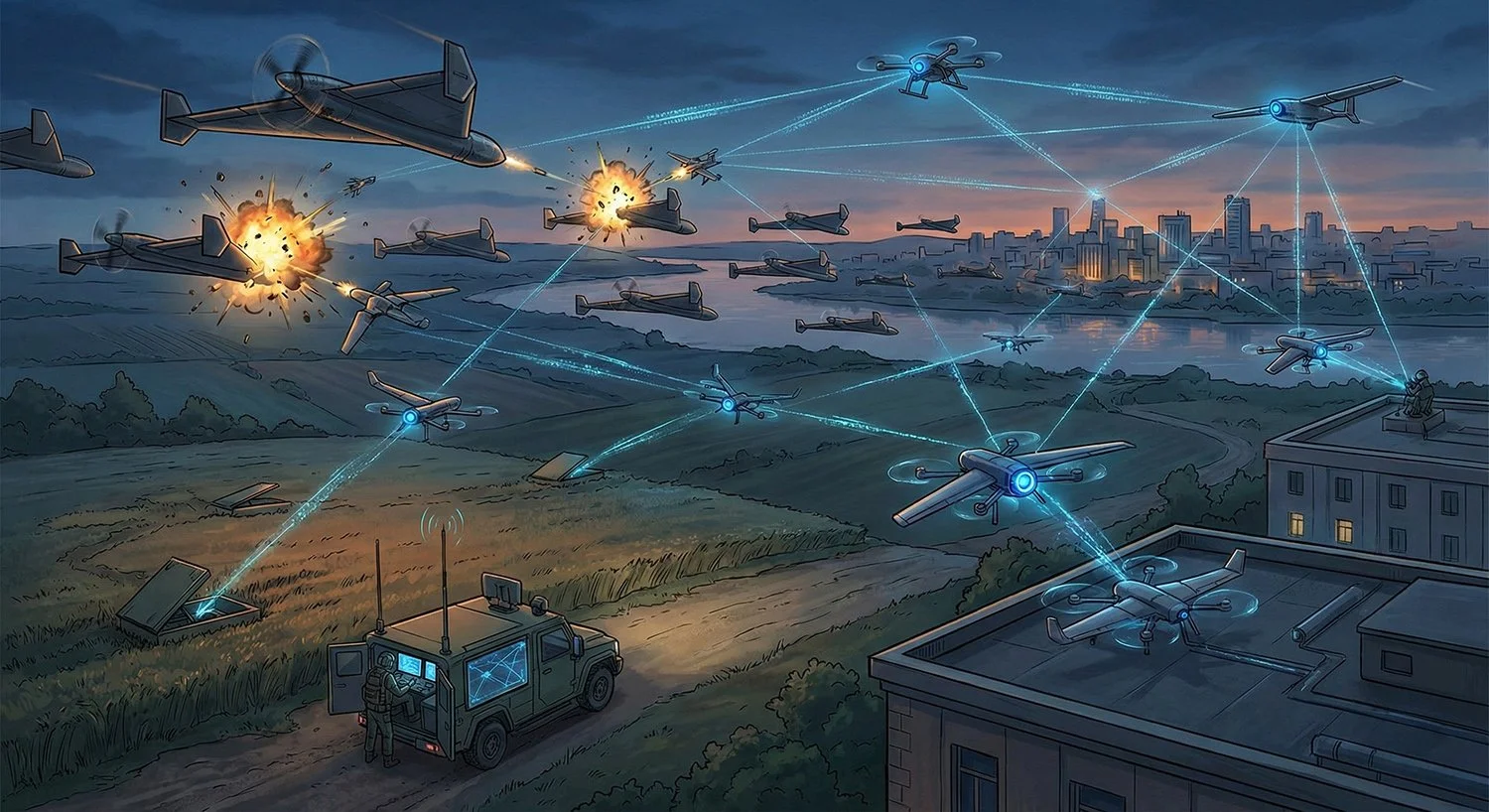
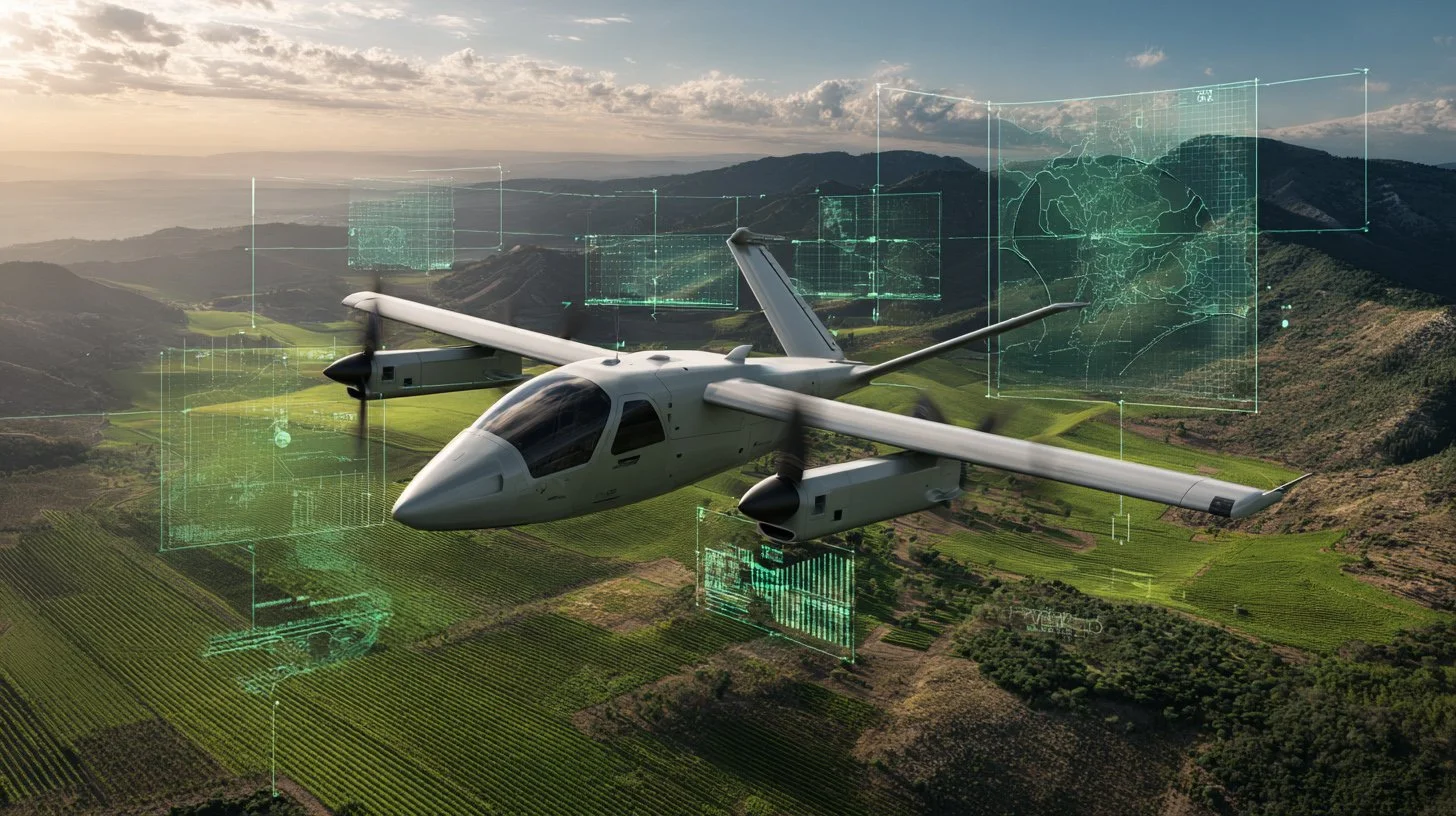
AI-powered drones use machine vision to autonomously identify and strike targets, bypassing radio signals or optical-fiber cables vulnerable to electronic warfare (EW) jamming. Unlike first-person view (FPV) drones, which need constant operator control, AI reduces human workload and counters jamming. In 2024, Max Makarchuk, AI lead at Brave1, a Ukrainian defense tech accelerator, projected AI could boost drone hit rates from 30-50% to around 80%.
Ukraine pioneered small AI-guided FPV drones, with trials scaling up by March 2024. Companies like Twist Robotics develop AI systems using photorealistic simulators like Obriy. Brave1 funded over 470 projects with approximately US$32 million by early 2025 to spur drone innovation, per TS2 Space.



























Technical and Operational Challenges
AI drones have underperformed due to poor camera quality, inconsistent software, and difficulty tracking moving targets, said Stacie Pettyjohn of the Center for a New American Security. The Institute for the Study of War (ISW) noted in June 2025 that an AI drone revolution is premature. Soldiers say AI targeting struggles in hilly or forested terrain, performing best on flat ground, and prefer optical-fiber drones, which resist jamming but are limited by cable length.
High costs hinder deployment. Dmytro, a soldier from the 413th Separate Battalion of Unmanned Systems, said, “Last-mile AI drones are rare because they’re too expensive. I’d rather have three standard drones”. A March 2024 trial of low-cost AI drones, sold without training, led to poor results, eroding trust by June 2024, per Viktor Sakharchuk, CEO of Twist Robotics.






























Russian Advancements in AI Drones
Russia is advancing AI-guided drones, intensifying the race. By spring 2025, Russian forces deployed drones with AI for navigation and targeting, using Chinese components, per ISW. These drones, including Tyuvik models in serial production, evade jamming and coordinate in groups. Ukraine’s decentralized model, collaborating with frontline units, contrasts with Russia’s centralized approach, which may limit innovation, per Business Insider.






























Development and Future Prospects
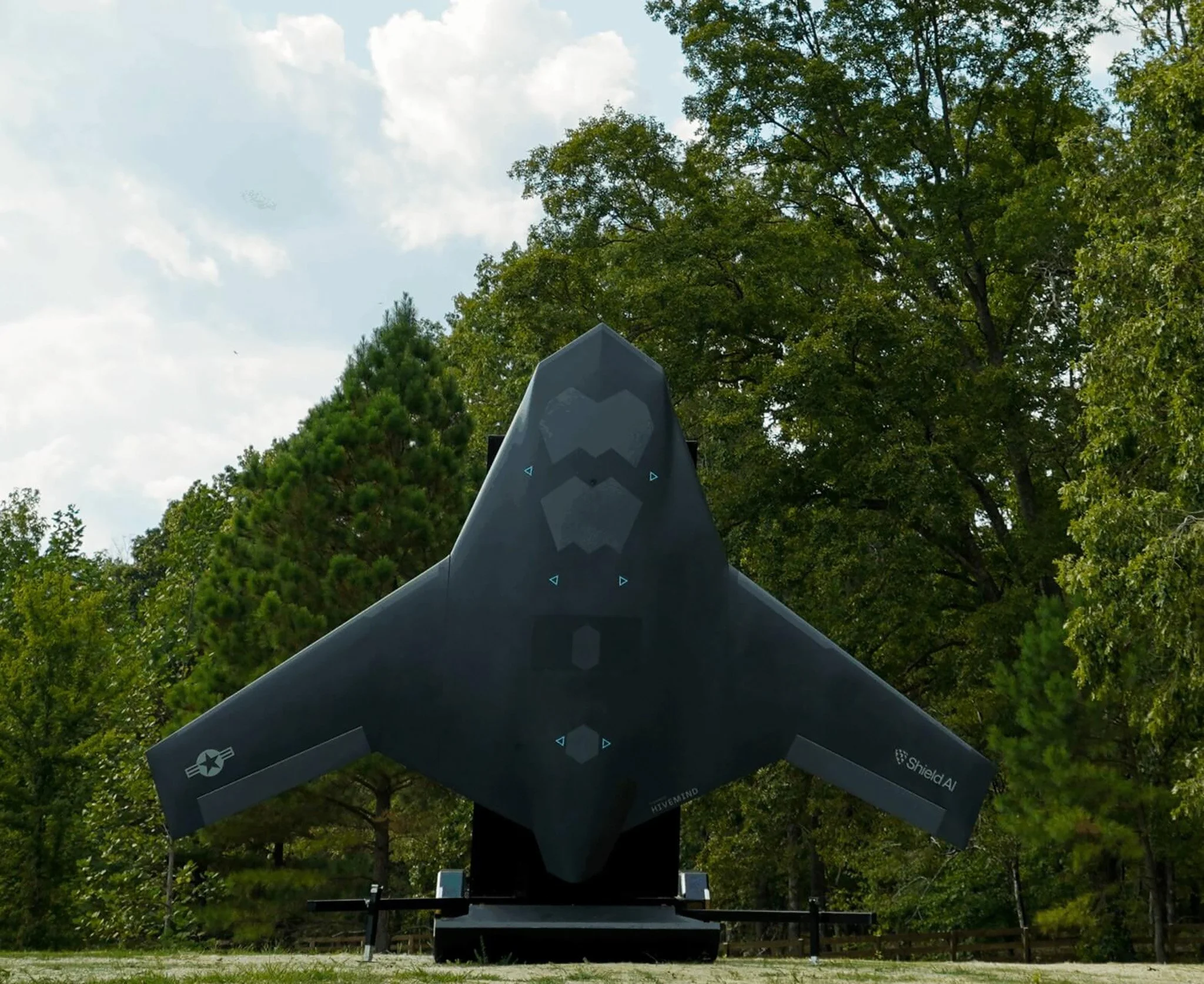
AI drone development involves training navigation, detection, and trajectory components using simulators like Obriy and real-world trials. “Frontline feedback is essential”, Sakharchuk said. Ukraine aims to deploy AI-enabled drone swarms in 2025 to overwhelm defenses, per Minister of Strategic Industries Herman Smetanin in 2024. A May 2025 test of a “mother drone” (GOGOL-M) carrying two AI-guided FPV drones 300 kilometers behind enemy lines showed progress, per Digital Transformation Minister Mykhailo Fedorov. Germany’s Helsing plans to supply thousands of AI-equipped HX-2 drones, per CSIS.
Ethical concerns persist, with human rights groups urging regulation of autonomous weapons, per a May 2025 Financial Times report. Ukraine emphasizes human-in-the-loop oversight.


























AI’s Impact: Benefits, Challenges, and Future Directions
Benefits: AI reduces operator risk, counters EW, and enhances precision. Ukraine’s innovation, backed by Brave1 and partners like Helsing, leads in scalable AI solutions.
Challenges: High costs, terrain limitations, and early failures slow adoption. Ethical risks of autonomy remain unresolved.
Future Directions: The war tests AI in navigation and geospatial intelligence. Ukraine targets 50% AI-guided drones in 2025, up from 0.5% in 2024, per CSIS. Russia’s reliance on Chinese components highlights supply chain differences. Swarms and last-mile autonomy are priorities.


























Background and Context
Since Russia’s 2022 invasion, drones have caused 60-70% of casualties, per the Royal United Services Institute. Ukraine’s early off-the-shelf FPV drones, streamed via Google Meet, evolved into an industry producing 96% of 2 million drones locally in 2024, per CSIS. Russia’s fiber-optic drones by mid-2024 spurred Ukraine to develop AI for navigation and data analysis to maintain parity. The government has invested heavily in drones, with a 2025 budget of $2.6 billion for 4.5 million FPV drones, per the Kyiv Independent.































 TheDayAfterAI News
We are a leading AI-focused digital news platform, combining AI-generated reporting with human editorial oversight. By aggregating and synthesizing the latest developments in AI — spanning innovation, technology, ethics, policy and business — we deliver timely, accurate and thought-provoking content.