
Ambarella CV7 Chip Brings On-Device AI to 8K Cameras
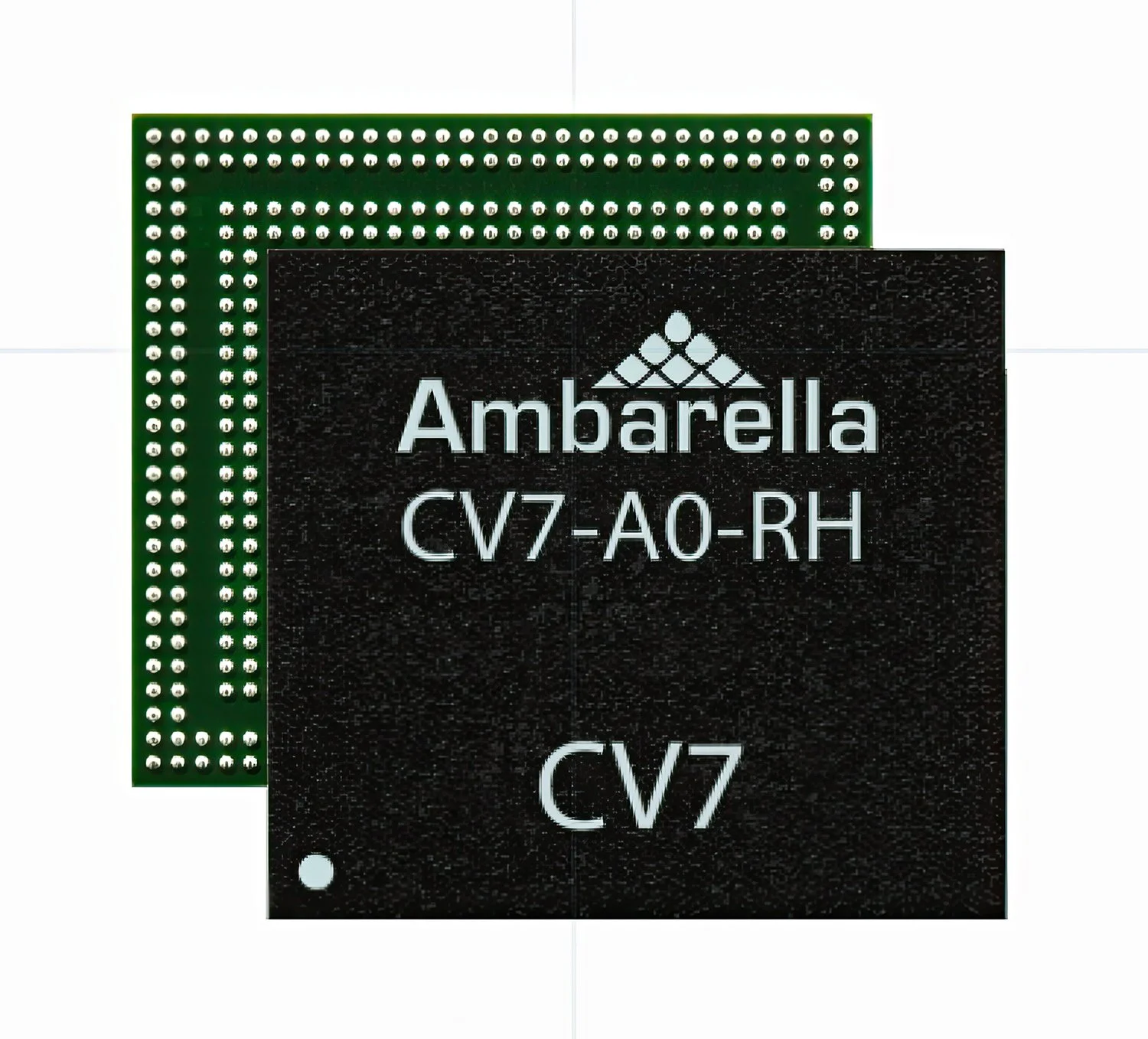
Image Source: Ambarella
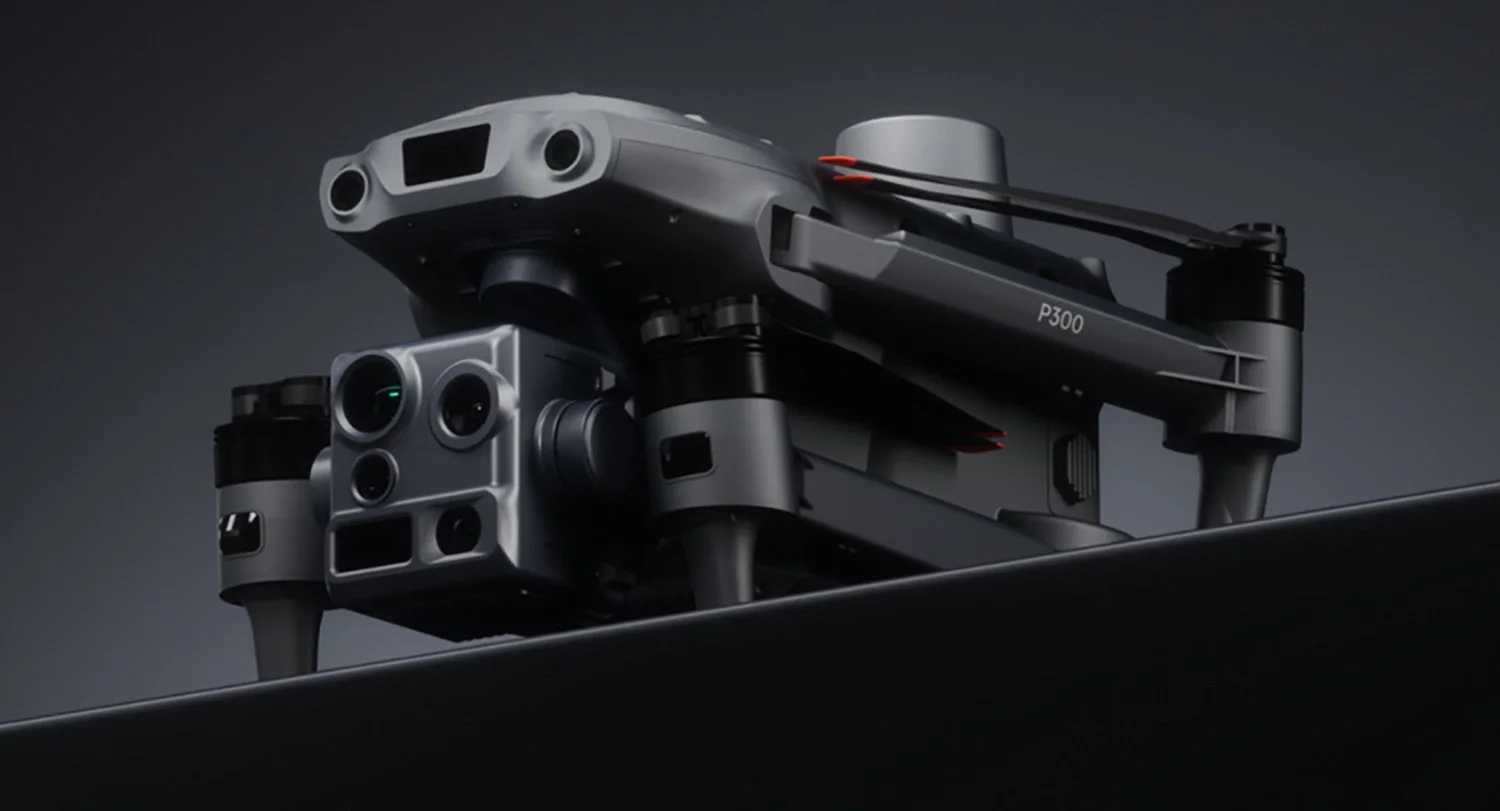
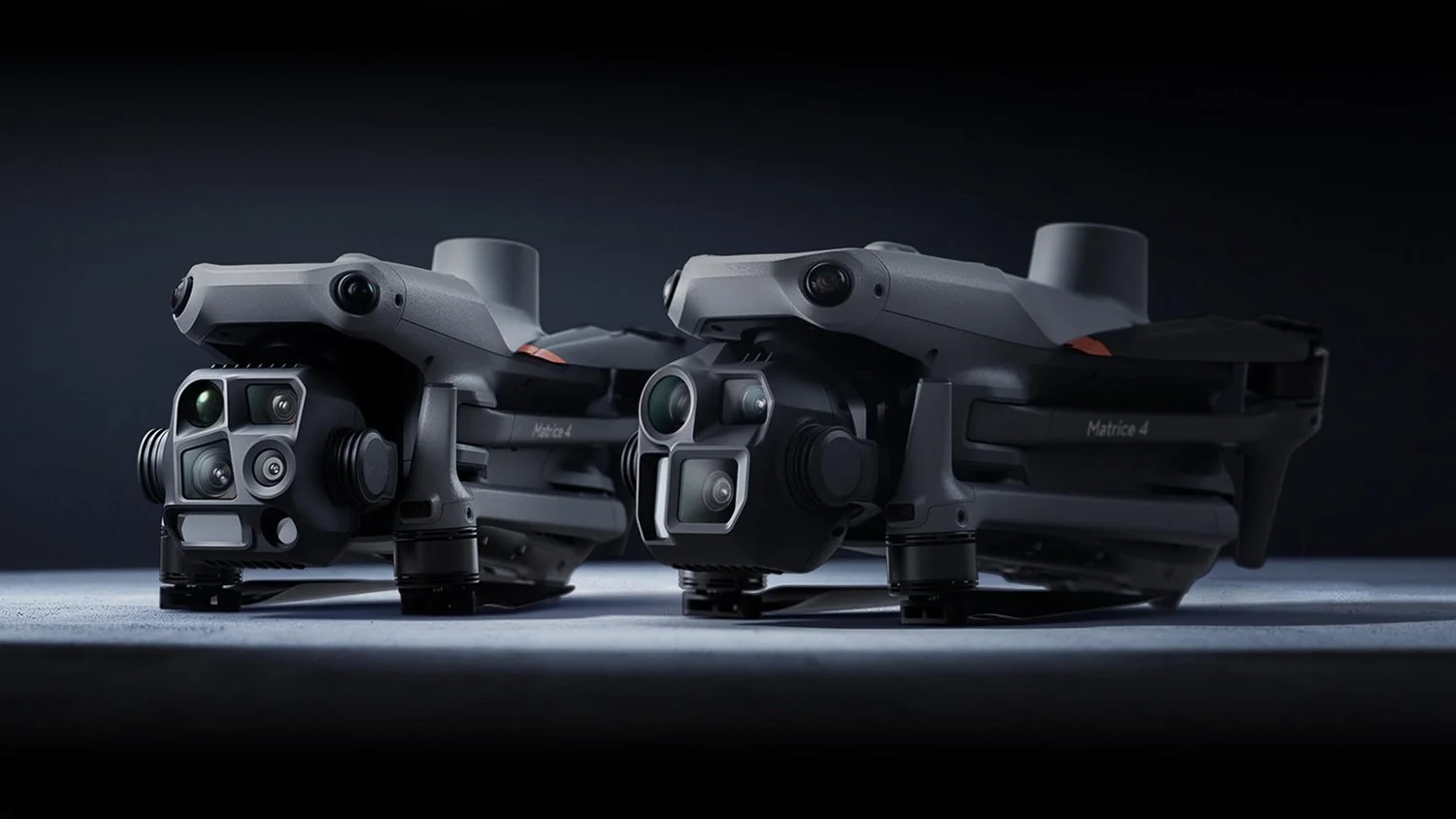
Ambarella has announced its CV7, a new edge AI vision system on chip built on Samsung’s 4 nm process, and is pitching it as a platform for AI enabled 8K imaging devices including action and 360 degree cameras, multi imager security cameras, robotics such as aerial drones, industrial automation, and high performance video conferencing hardware. The company unveiled the CV7 during CES, with samples available now and demonstrations running in Las Vegas via an invitation only exhibition.

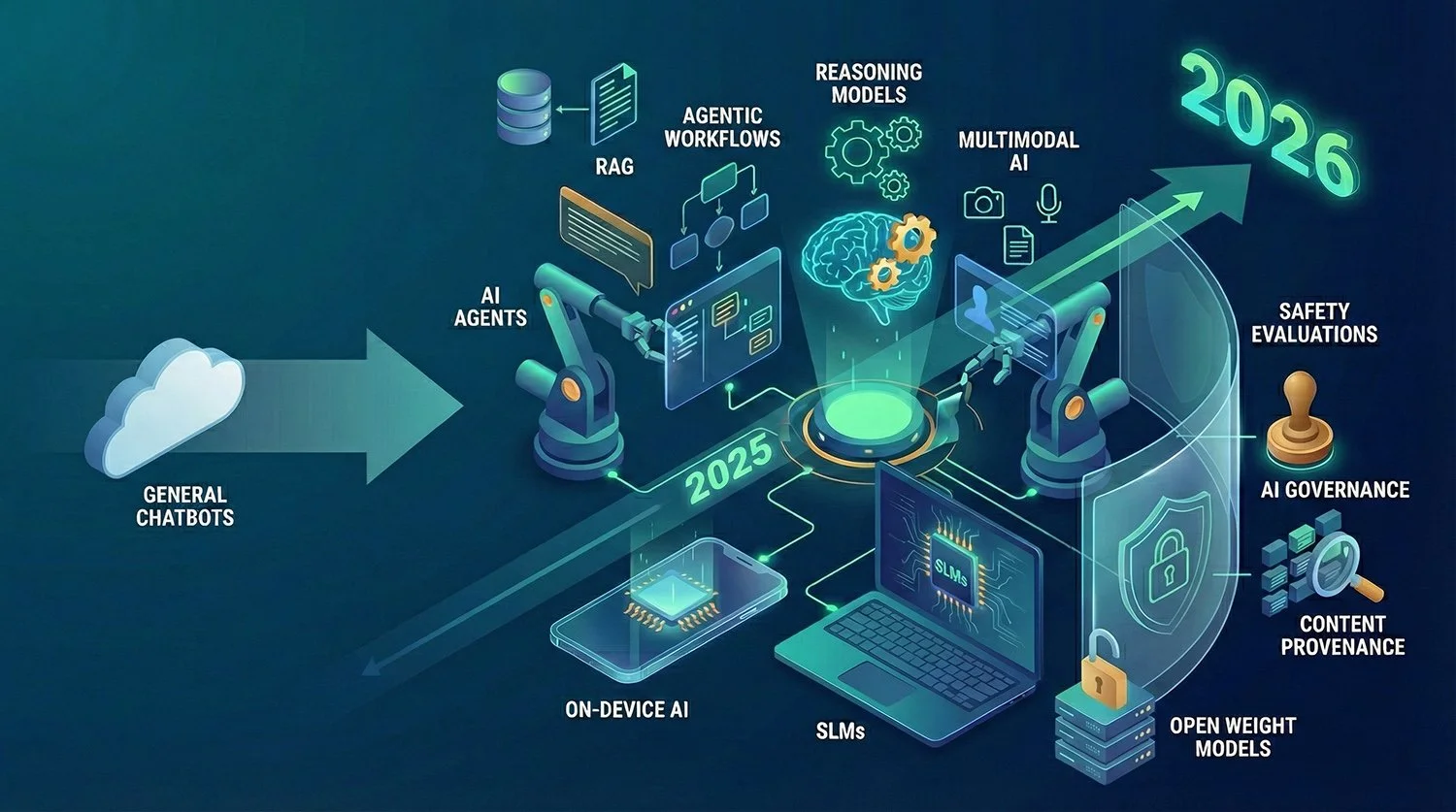






















On-Device AI Chip
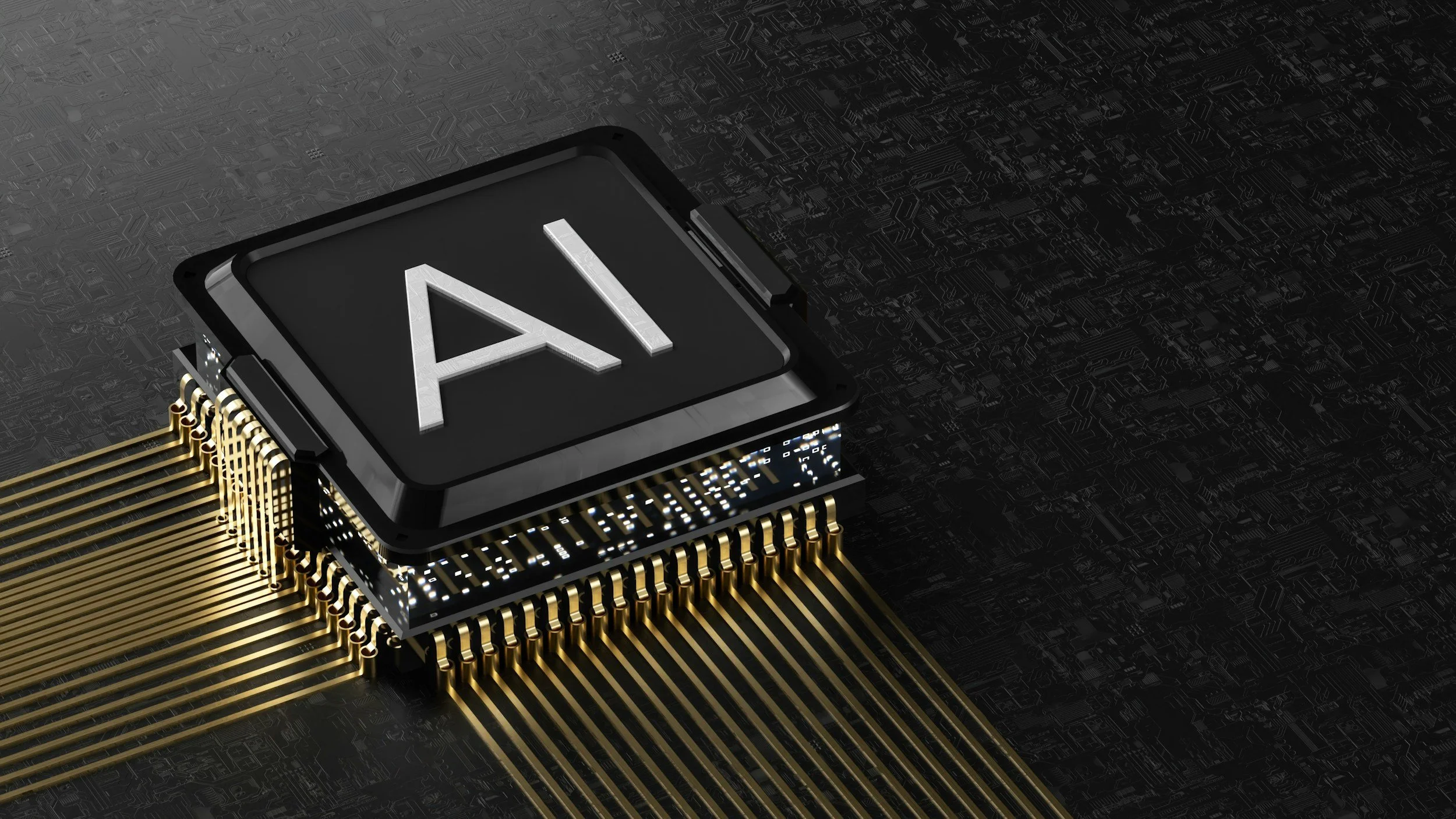
The CV7 is Ambarella’s latest step in pushing more computer vision and image processing onto the device itself, rather than relying on cloud processing or pairing multiple chips. Ambarella frames the CV7 as a highly integrated design that bundles an AI accelerator, image signal processing, video encoding, and Arm CPU cores into one package, which it contrasts with multi chip approaches.
In practice, that integration matters most in compact imaging products where size, heat, and battery life are hard constraints, particularly action cameras, 360 cameras, and portable conferencing cameras.

























Consuming 20% Less Power
Ambarella says the CV7 is powered by its third generation CVflow AI accelerator and delivers more than 2.5 times the AI performance of the previous generation CV5, while consuming 20 percent less power than its predecessor.
One detail worth noting for 2026 era imaging is that Ambarella explicitly calls out support for running convolutional neural networks and transformer networks in tandem. That is a sign of where edge vision is heading, since many newer vision systems are moving beyond classic detection toward transformer heavy pipelines, and in some cases vision language models for richer scene understanding.























Traditional ISP plus AI Enhancements
Camera buyers rarely see “ISP” on a spec sheet, but it is where a lot of the look and usability of a camera comes from. Ambarella says CV7 continues its image processing approach by combining traditional ISP techniques with AI enhancements, and lists key functions aimed at modern camera designs:
High dynamic range processing
Dewarping support for fisheye style cameras
3D motion compensated temporal filtering
Low light image quality down to 0.01 lux, as stated by Ambarella
AI is not only used for analytics like detection or tracking. It is increasingly baked into the pipeline that shapes the image itself, especially in low light and high contrast scenes.


























Video Processing Capabilities
Ambarella highlights simultaneous processing of multiple video streams up to 8Kp60.
For encoding, Ambarella says the CV7 has hardware accelerated H.264, H.265, and MJPEG encoding, with encode performance doubled versus CV5. It lists maximum encode configurations as a single 4Kp240 stream or dual 8Kp30 streams.
Ambarella also calls out multi camera security designs, saying the CV7 can support, running concurrently, over 4 times 4Kp30 with multiple streams, and can run transformer based AI networks and vision language models for that category.
























General Compute Upgrades
Beyond the AI accelerator and ISP, Ambarella says it upgraded general purpose processing to a quad core Arm Cortex A73, with 2 times higher CPU performance than the previous SoC, plus a 64 bit DRAM interface for higher available bandwidth compared with CV5.
Video pipelines are not just “encode and save”. Real products also run stabilisation, live preview, wireless streaming, multi-stream recording, device control apps, and increasingly some local AI features like smarter tracking and content tagging.






















Power Efficiency Enabled by Samsung’s 4 nm Process
Ambarella links the CV7’s lower power use partly to Samsung’s 4 nm process, and argues that reduced power can lower thermal management requirements, enabling smaller form factors and longer battery life.
A lot of the most visible AI features in camera devices, like tracking, enhanced low light processing, and multi stream analytics, are compute heavy. If a chip cannot do it efficiently, you end up with heat, fan noise, or a short battery life, none of which creators love.

























From CV5S to CV7: What Has Changed
Ambarella’s own product pages give a clean reference point for what CV7 is trying to move past. On its security product line up, Ambarella describes the CV5S as an 8K chip with video encoding and decoding plus CVflow computer vision, fabricated in 5 nm, and achieving power consumption below 4 W for 8K video recording at 30 fps. The same page lists 8Kp30 video encoding performance with multi streaming capability for CV5S.
So, the practical generational shift Ambarella is signalling with CV7 is not simply “more pixels”. It is more headroom for combining high resolution multi stream video with more modern AI workloads, while trying to keep power low enough for compact imaging gear.
























The Wider CES 2026 Imaging Trend
CES 2026 has been full of announcements that point to the same broad direction: more of the imaging stack is becoming AI native and more of it is happening locally.
Chips and Media and Visionary.ai have announced what they describe as an AI based full image signal processor, positioning it as a software defined imaging pipeline that can evolve after a device ships, rather than being locked into fixed function ISP hardware.
Reolink has showcased an AI Box aimed at keeping video analysis local for its security cameras, including natural language search and summarisation style features without requiring cloud subscriptions, according to The Verge’s CES reporting.
Ambarella’s CV7 sits on the silicon side of that same trend, where manufacturers want more AI capability directly in the camera pipeline, with tight control over latency, privacy, and operating cost.

















What to Watch Next
Ambarella says CV7 samples are available now, which means the next meaningful milestone is product adoption. The key questions for 2026 will be:
Which camera and creator hardware brands ship devices built on CV7, and in which categories
Whether “transformer capable” edge chips translate into noticeable user features, such as better tracking, better low light processing, or smarter local search of footage
How much of the AI value ends up in the chip itself versus the surrounding software stack and apps




























 TheDayAfterAI News
We are a leading AI-focused digital news platform, combining AI-generated reporting with human editorial oversight. By aggregating and synthesizing the latest developments in AI — spanning innovation, technology, ethics, policy and business — we deliver timely, accurate and thought-provoking content.