
AI Regulations May Undermine Defense Capabilities, Warns Atlantic Council Report

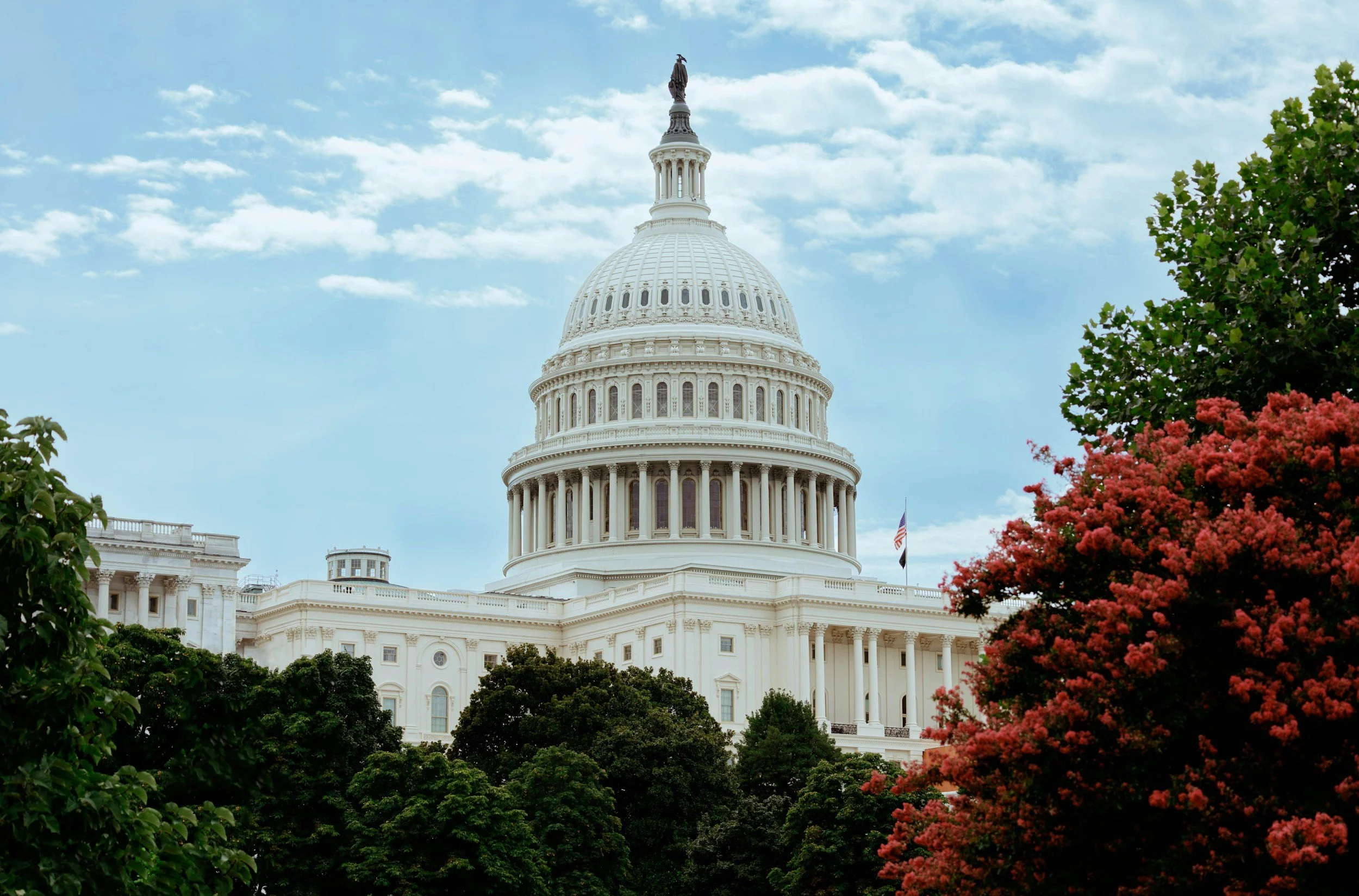
Image Credit: Winston Chen | Splash
A new report by the Atlantic Council warns that civil regulations on artificial intelligence could have significant unintended consequences for defense and national security, urging the defense community to engage more actively in shaping these policies.




























Civil AI Regulation and Defense Concerns
The report, titled "Second-order impacts of civil artificial intelligence regulation on defense: Why the national security community must engage", authored by Deborah Cheverton, emphasizes that while most civil AI regulations explicitly exclude military applications, the dual-use nature of AI technology means defense sectors cannot remain isolated. Released in June 2025 by the Atlantic Council’s Scowcroft Center for Strategy and Security, the report analyzes how regulations in the United States, European Union, United Kingdom, China, and Singapore, as well as international efforts by organizations like the United Nations, OECD, G7, and NATO, could indirectly affect defense capabilities.
The report identifies three key areas where civil AI regulations could impact defense: market-shaping policies that influence available tools and skills, judicial interpretations that may limit AI use in specific scenarios like counterterrorism, and increased costs or risks from complex compliance regimes and fragmented technical standards.



























United States
The U.S. adopts a patchwork approach to AI regulation, balancing innovation with public safety and civil rights. Federal regulations are technology-agnostic, focusing on use cases like data privacy and consumer protection, with voluntary industry arrangements and adaptations of existing laws. State-level efforts, particularly in California, Utah, and Colorado, emphasize consumer rights but vary significantly, complicating compliance for defense-related AI applications.

























European Union
The EU’s AI Act, effective since August 2024, is the world’s first comprehensive AI legislation, targeting high-risk and general-purpose AI systems with strict compliance requirements. While military uses are excluded, the report notes that the Act’s broad scope, including data and algorithm regulations, could affect dual-use technologies critical to defense.




























United Kingdom
The UK pursues an innovation-friendly, sectoral approach, with no immediate plans for comprehensive AI legislation under the new Labour government. The report highlights initiatives like the Financial Conduct Authority’s Regulatory Sandbox, which tests AI products in controlled environments, potentially influencing defense-related AI development through shared standards.























China
China’s top-down AI regulation focuses on algorithms and training data, with strict compliance enforced through politically flexible interpretations. The report suggests that vague regulatory language allows significant enforcement discretion, potentially impacting global AI markets, including defense technologies.





















Singapore
Singapore adopts a balanced approach, promoting innovation while addressing risks through frameworks like the Model AI Governance Framework for Generative AI. Its neutral stance between the U.S. and China positions it as a potential mediator in global AI governance, with its Digital and Intelligence Service integrating AI into defense operations.

























International Efforts
The report also examines international frameworks. The OECD’s AI Principles, adopted by 46 countries, influence national policies but are non-binding. The G7’s Hiroshima Process promotes responsible AI, potentially shaping defense-related standards. The UN focuses on ethical AI governance, while NATO’s 2021 AI Strategy and Data and Artificial Intelligence Review Board aim to establish responsible AI certification standards for military use.
























Recommendations for Defense Engagement
The report groups its recommendations into three categories: areas to support, be proactive in, and monitor closely. It urges defense leaders to align technical standards with civil sectors to reduce costs and enhance interoperability, adopt civil-sector risk-assessment tools for efficiency, and engage proactively in areas like data governance where future regulations could limit defense capabilities. The report also advises monitoring judicial interpretations and compliance regimes that could introduce unforeseen risks or costs.
Cheverton, a former UK Ministry of Defence official, emphasizes that private-sector AI firms, government offices, and legislative staff must use the report as a roadmap to influence civil AI regulation debates. The report underscores that failing to engage could limit the ability of the U.S. and its allies to leverage AI for military advantage, particularly in strategic competition with China.
The Atlantic Council, a nonpartisan think tank, stresses that the report reflects the author’s independent analysis, not necessarily the views of its donors or the organization. The full report is available at the Atlantic Council’s website.







































 TheDayAfterAI News
We are a leading AI-focused digital news platform, combining AI-generated reporting with human editorial oversight. By aggregating and synthesizing the latest developments in AI — spanning innovation, technology, ethics, policy and business — we deliver timely, accurate and thought-provoking content.