
Google Photos Adds AI Animation Tools, Upgrades to Veo 3 for Video Creation

Image Source: Google Deepmind
Google introduced two artificial intelligence features for its Google Photos app, allowing users to animate static images into short videos or restyle them artistically, as part of ongoing efforts to incorporate generative AI into everyday photo tools. The company upgraded the video generation capability to its Veo 3 model on Sept. 4, enhancing output quality amid rapid advancements in AI media creation.
These tools reflect Google's strategy to make advanced AI accessible to over 1.5 billion monthly users, while addressing concerns over content authenticity through built-in safeguards. The updates occur against a backdrop of increasing AI integration in consumer apps, where such features aim to boost engagement but prompt debates on the reliability of digital memories.












New Features and Functionality
The "Photo to Video" tool enables users to select an image and apply one of two prompts: "Subtle movement", adding minor animations like facial expressions or environmental effects, or "I'm feeling lucky", producing varied outcomes such as particle effects. It generates a short video clip.
The "Remix" feature converts photos into styles like anime, comics, sketches or 3D animations, with options to regenerate or rate results. Both are accessible via a "Create" tab, which also includes tools for collages and highlight videos.
Initially launched in the United States on Android and iOS devices, "Photo to Video" became available immediately, with "Remix" following in weeks and the "Create" tab in August. Features are free with usage caps and labeled experimental.
Google implements SynthID invisible watermarks and visible indicators on outputs for traceability, following internal testing to prevent misuse. The recent shift to Veo 3 improves realism in motion and details.












Background and Development
Google Photos debuted in May 2015 with AI-driven organization of images by content and location. Subsequent enhancements included automatic edits for lighting and color in 2017, and the Memories feature in 2019, which curates thematic collections using machine learning.
The new tools leverage DeepMind's Veo models, with Veo 2 initially powering the features from its December 2024 announcement. User feedback on earlier AI experiments, including over 40 million videos generated via Veo 3 in the Gemini app shortly after its release, influenced the integration.
Development focused on processing for broad accessibility, coinciding with similar AI expansions in YouTube Shorts on the same launch date.





Reasons for Introduction
The features respond to trends favouring video content on social platforms, enabling quick transformations without external software. Google seeks to retain users within its ecosystem by simplifying creative tasks traditionally requiring professional tools.
Technically, they democratize AI, building on prior models like Imagen for image generation. The U.S.-first rollout reflects a phased approach to deployment.
Individuals gain tools to enhance personal archives, fostering emotional connections through animated content. However, fixed prompts and regional limits may hinder flexibility, with global access pending.
Concerns arise over distorting original memories, potentially eroding trust in photos as factual records.



















Industry Implications
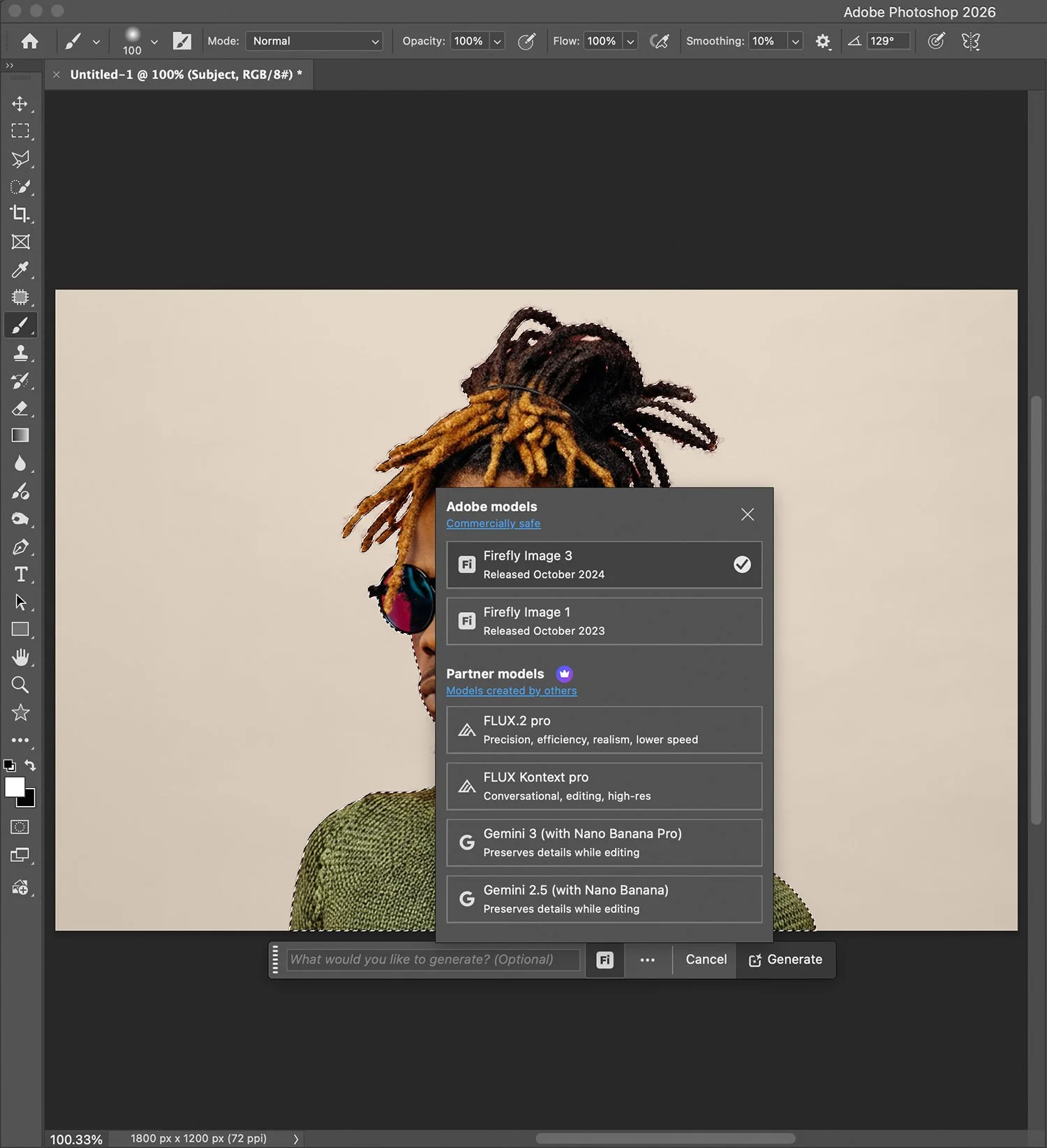
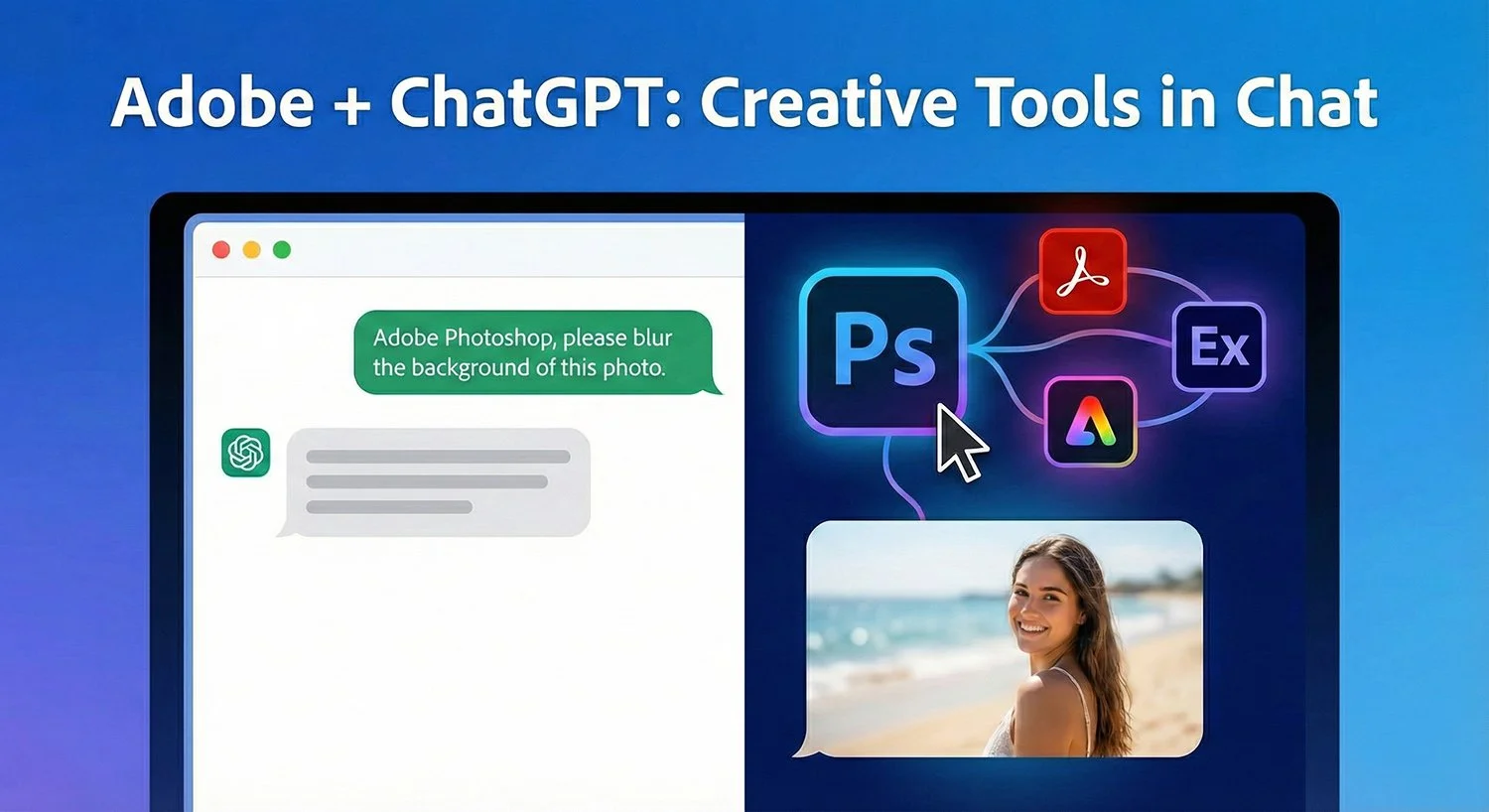
The rollout challenges competitors like Adobe by offering free AI alternatives, accelerating adoption in photo apps. It also drives demand for AI-capable hardware.
Wider effects include calls for standardized detection of AI-altered media to counter misinformation. Professionals may benefit from efficiency but face skill devaluation.














Source: Google Blog, Tech Crunch, Techbuzz, The Verge, Forbes, ZDnet






 TheDayAfterAI News
We are a leading AI-focused digital news platform, combining AI-generated reporting with human editorial oversight. By aggregating and synthesizing the latest developments in AI — spanning innovation, technology, ethics, policy and business — we deliver timely, accurate and thought-provoking content.