
AI Chatbot Showdown: 6 Top Models Predict PDD Stock Trends

Disclaimer: This article is for informational and educational purposes only. The predictions and analyses presented herein were generated by AI systems and should not be construed as financial advice, investment recommendations, or solicitations to buy or sell any securities. Stock prices are inherently unpredictable, and all investments carry risk of loss. Past performance does not guarantee future results. Readers should consult qualified financial advisors before making any investment decisions. TheDayAfterAI News and its contributors do not accept liability for any losses arising from reliance on this content.
At TheDayAfterAI News, we conducted a comprehensive experiment: tasking six of the most widely-used AI chatbots to analyze PDD Holdings (NASDAQ: PDD) and predict its stock price movement over a 5-day trading window from January 14 to January 21, 2026. Each AI was given the same parameters and asked to provide opening price predictions, closing price forecasts, estimated trading ranges, and probability assessments for price direction.
The results reveal fascinating divergences in how different AI models interpret the same market conditions. While all six chatbots analyzed identical technical indicators, macroeconomic factors, and market sentiment data, their conclusions ranged from cautiously bearish to moderately bullish, with predicted closing prices spanning a $13 range.














The AI Participants
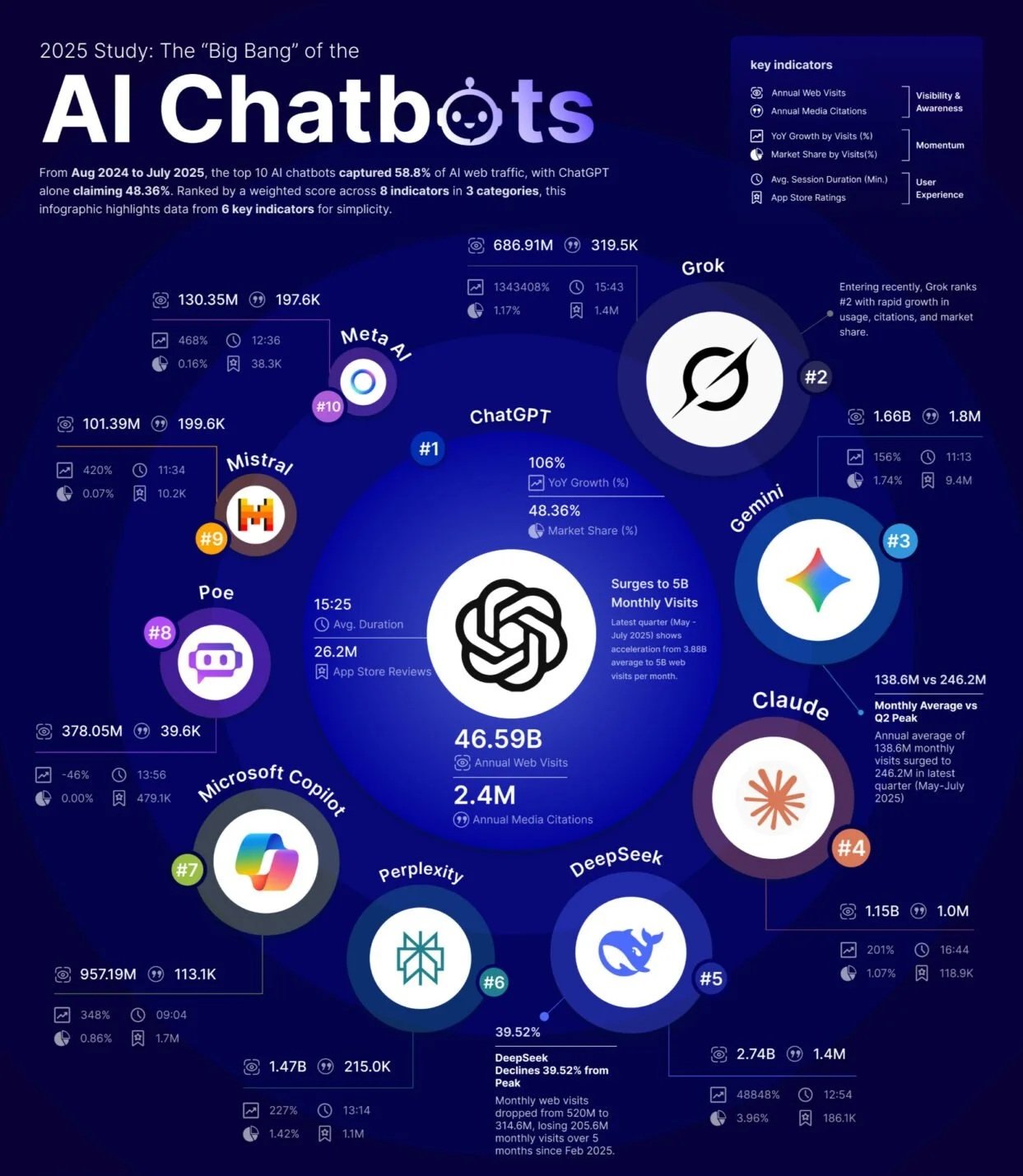
We selected six leading AI chatbots representing the current state-of-the-art in conversational AI and analytical capabilities:
Gemini (Google DeepMind) - Known for comprehensive research synthesis and detailed market analysis
Claude (Anthropic) - Recognized for balanced, nuanced analytical approaches
Grok (xAI) - Features real-time data integration and contrarian perspectives
ChatGPT (OpenAI) - The most widely-used AI assistant with broad analytical capabilities
Perplexity (Perplexity AI) - Specializes in real-time web research and source citation
Copilot (Microsoft) - Integrates with financial data sources and market analytics

























Prediction Summary: Head-to-Head Comparison
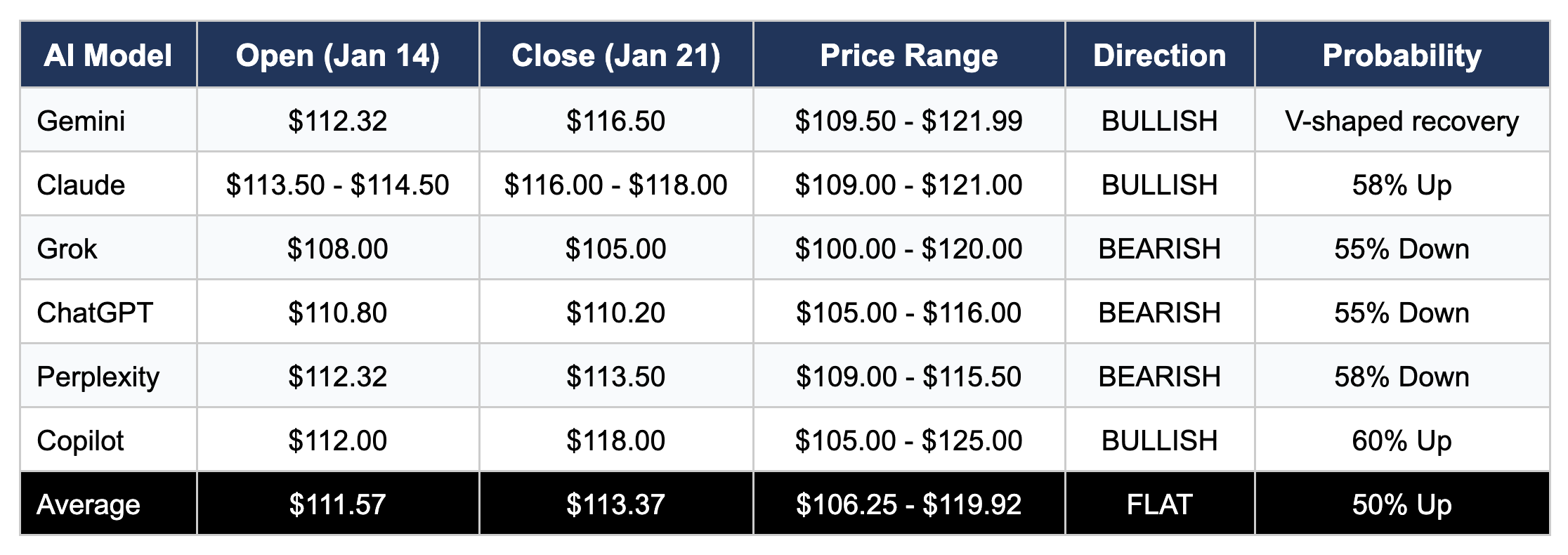
The following table presents each AI chatbot's key predictions side by side:

























Key Findings and Analysis
1. Directional Split: The Bulls vs. The Bears
The six AI models split evenly on directional bias, with three predicting upward movement (Gemini, Claude, and Copilot) and three forecasting downward pressure (Grok, ChatGPT, and Perplexity). This 50/50 split reflects the genuinely conflicted nature of PDD's current technical and fundamental setup.
Bullish Camp: Gemini, Claude, and Copilot emphasized the deeply oversold technical conditions (RSI near 25), strong options market support at the $115 strike price (Max Pain level), and attractive valuation metrics (forward P/E of approximately 11x) as reasons to expect a recovery bounce.
Bearish Camp: Grok, ChatGPT, and Perplexity focused on the technical breakdown below key moving averages, elevated selling volume, and the absence of immediate bullish catalysts. These models predicted continued consolidation or further weakness before any meaningful recovery.
2. Price Target Divergence: A $13 Spread
The predicted closing prices for January 21, 2026 ranged dramatically from Grok's bearish $105.00 to Copilot's bullish $118.00, representing a $13 (or approximately 12%) divergence. This substantial spread highlights the inherent uncertainty in short-term stock forecasting and the different weightings each AI assigns to various analytical factors.
3. Consensus on Support and Resistance Levels
Despite their directional disagreements, the AI models showed remarkable consensus on key technical levels:
Primary Support Zone: $105.00 - $110.66 was identified by all six models as the critical floor
Options Max Pain: $115.00 was consistently cited as the January 16 options expiration pin level
Key Resistance: $118.73 - $121.00 (the breakdown level and 50-day moving average zone)
Fibonacci Support: $107.14 (61.8% retracement) was flagged as a critical institutional stop level
4. Analytical Methodology Differences
Each AI demonstrated distinct analytical emphases that influenced their predictions:
Gemini produced the most comprehensive analysis (13 pages), incorporating options microstructure, gamma dynamics, and detailed day-by-day price scripts. It emphasized the "V-shaped recovery" thesis driven by options expiration mechanics.
Claude balanced technical and fundamental factors, highlighting the Chinese equity rally as a critical tailwind while acknowledging regulatory headwinds. It provided probability-weighted scenarios.
Grok took a more conservative, technically-driven approach, emphasizing overbought conditions and momentum cooling. It was the most bearish of all models.
ChatGPT focused heavily on macro catalysts (PPI, retail sales data) and options expiration timing, providing detailed day-by-day scenarios with conditional if/then frameworks.
Perplexity provided the most source-cited analysis with 74 references, emphasizing institutional positioning data and short interest metrics. It took a cautious base-case approach.
Copilot delivered the most concise analysis, focusing on key flow indicators (short interest, options activity, analyst targets) to support its bullish 60% probability call.




















Where All Six AI Models Agreed
Despite their divergent conclusions, the AI chatbots reached consensus on several critical points:
High Volatility Expected: All models predicted significant intraday swings, particularly around the January 14 PPI/Retail Sales releases and January 16 options expiration.
No Earnings Catalyst: Every model noted that PDD's next earnings report (expected March 2026) falls outside the forecast window, meaning technical and macro factors would dominate.
MLK Day Holiday Impact: All six identified the Monday, January 19 market closure as a factor affecting the trading week's dynamics.
Valuation Attractive: Every model acknowledged PDD's low forward P/E ratio (approximately 11x) as fundamentally attractive, regardless of short-term direction.
Regulatory Risk Overhang: All models cited US de minimis tariff exemption concerns and Chinese regulatory uncertainty as ongoing risk factors.
























What This Tells Us About AI Stock Analysis
This comparative analysis reveals both the promise and limitations of AI-powered stock forecasting. While all six models demonstrated sophisticated understanding of technical analysis, options market dynamics, and macroeconomic factors, they reached meaningfully different conclusions when synthesizing this information into actionable predictions.
The consensus average across all six models suggests a closing price of approximately $113.20 for January 21, 2026, representing a modest gain from the January 13 close of $112.32. However, the wide dispersion of individual predictions ($105 to $118) underscores the uncertainty inherent in short-term market forecasting.
Key Takeaway: AI chatbots can provide valuable analytical frameworks and identify key technical levels, but investors should treat their specific price predictions as one input among many rather than definitive forecasts. The divergence among models highlights that even sophisticated AI systems weigh the same information differently.
We will follow up with actual results after January 21, 2026 to evaluate which AI model's predictions proved most accurate. Stay tuned for our performance scorecard!
For the complete breakdown — including day-by-day price targets, specific option strikes to watch, and detailed institutional flow analysis — please refer to the Full Report.

























License This Article








 TheDayAfterAI News
We are a leading AI-focused digital news platform, combining AI-generated reporting with human editorial oversight. By aggregating and synthesizing the latest developments in AI — spanning innovation, technology, ethics, policy and business — we deliver timely, accurate and thought-provoking content.