
Taste the Future: SYNC Launches AI-Personalized Seltzer in SA
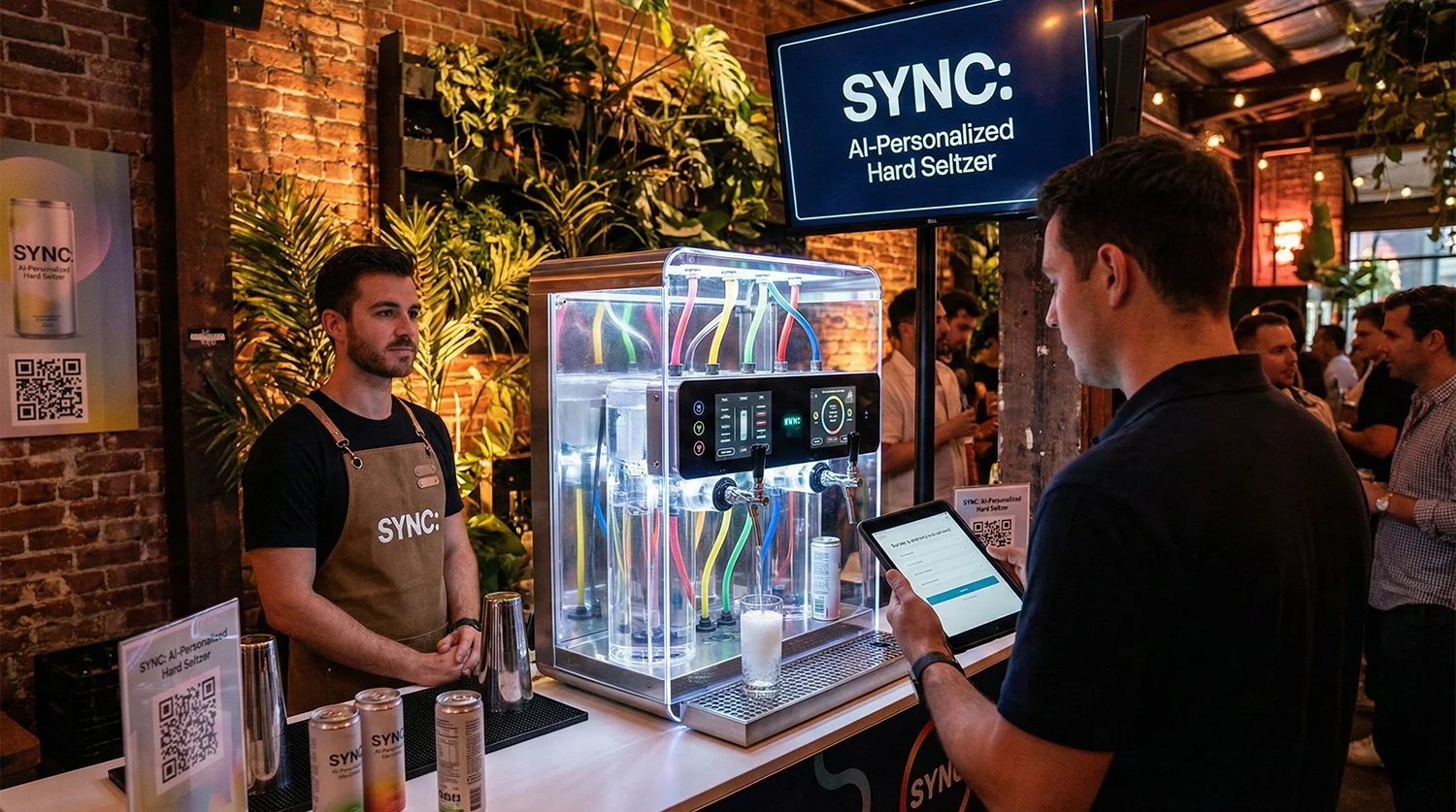
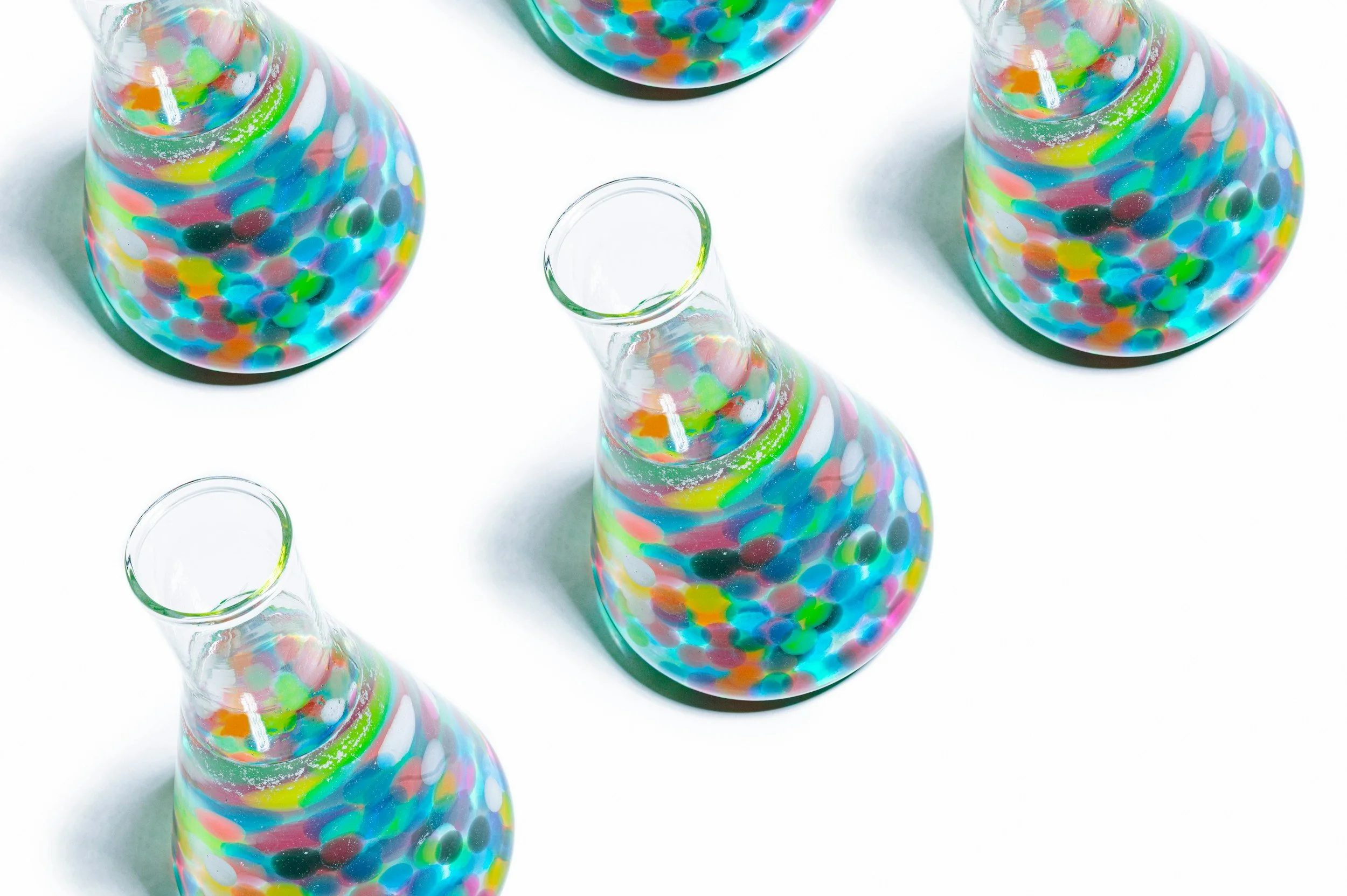
AI-generated Image for Illustration Only (Credit: Jacky Lee)
A new South Australia based hard seltzer brand, SYNC, is positioning itself around an AI enabled feedback loop that links customer taste preferences to flavour development, alongside a pop up “AI bar” experience that mixes a personalised drink after a short questionnaire. The concept was outlined in InDaily’s December 2025 reporting and amplified by the Australian Institute for Machine Learning (AIML).











What Was Reported
InDaily describes SYNC as a sugar free alcoholic seltzer range that blends flavour science, customer feedback and AI to steer what flavours are produced and refined. In the same report, customers are said to be able to submit feedback online or by scanning a QR code on the product packaging, with additional flavours expected to be driven by that input.
InDaily also reports an “AI bar” style activation, where customers answer a short questionnaire and receive a tailored flavour on the spot. The article does not detail the model type, training approach, or how recommendations are evaluated, so the most defensible description is that the system uses AI and customer feedback at a high level, rather than any specific technique.





















Who Is Behind SYNC
InDaily reports SYNC was founded in 2021 by Denham D’Silva and Trent Fahey. InDaily describes Fahey as a third generation publican and also states he has a background in computer systems and engineering, then later spent time in hospitality and pub management.
InDaily also links the AI angle to D’Silva’s earlier work, reporting he developed an AI assisted beverage in 2020 through collaboration with AIML while running Barossa Valley Brewing.





















What AIML Highlighted about The AI Angle
AIML’s LinkedIn post echoes the InDaily report and frames SYNC as an example of machine learning applied to real world product design, emphasising customer feedback and positioning the concept around customer control and responsible data use.
That framing matters for trust. In consumer facing AI products, it is not just about whether the model can recommend a flavour. It is also about whether customers understand what data is collected, what is optional, and what happens to that data after the experience.














What Is Not Yet Clear from Public Reporting
Across the open sources above, SYNC’s AI is described in broad terms. The reporting does not specify:
What data fields are collected in the questionnaire and QR feedback
Whether the inputs are anonymous or linked to identifiable profiles
How long any data is retained
What testing is used to check recommendation quality and consistency
These are the practical details that separate a strong applied AI implementation from an eye catching demo.





















How This Compares with Similar Personalisation Efforts
SYNC sits in a growing category where AI is used to personalise food and beverage experiences, but the market includes several distinct approaches.
Coca Cola Freestyle: AI generated custom mixes at the dispenser
In early 2025, Coca Cola ran “Share a Coke on Freestyle”, described as using AI powered recipe technology to generate a bespoke drink mix at Freestyle dispensers, with The Verge reporting the campaign window as April 1 to June 2, 2025. This is personalisation at the moment of pouring, and the AI is part of the interactive experience.
Pepsi Spire: high choice customisation, not necessarily AI
PepsiCo’s Spire platform has long offered touchscreen driven drink customisation. PepsiCo’s own release describes Spire 1.1 enabling up to 40 combinations and Spire 2.0 enabling up to 500 combinations. This is personalisation via configurable options. It does not require machine learning to deliver variety, even if data analytics might sit behind operations.
Symrise: AI tools aimed at formulation teams, not consumers
At the formulation layer, Symrise announced in November 2025 that it expanded Symvision AI with AI assisted tools for formula prediction, aiming to predict the impact of formula changes and accelerate taste development. This kind of AI is designed for R and D and flavourists, rather than a customer facing bar experience.




















Why SYNC’s approach is economically interesting
If SYNC’s feedback loop works as described, it points to a strategy smaller brands are increasingly exploring: shorten product iteration cycles using direct preference data, and use AI systems to translate that data into clearer signals for what to release next.
For South Australia specifically, the repeated linkage to AIML also reflects a broader pattern where applied AI projects move from research collaboration into commercial trials, particularly in sectors like food, beverage and hospitality that have large, measurable consumer preference data.















License This Article








 TheDayAfterAI News
We are a leading AI-focused digital news platform, combining AI-generated reporting with human editorial oversight. By aggregating and synthesizing the latest developments in AI — spanning innovation, technology, ethics, policy and business — we deliver timely, accurate and thought-provoking content.