
Japan's B Alert System: AI-Powered Cameras Speed Up Bear Sighting Warnings
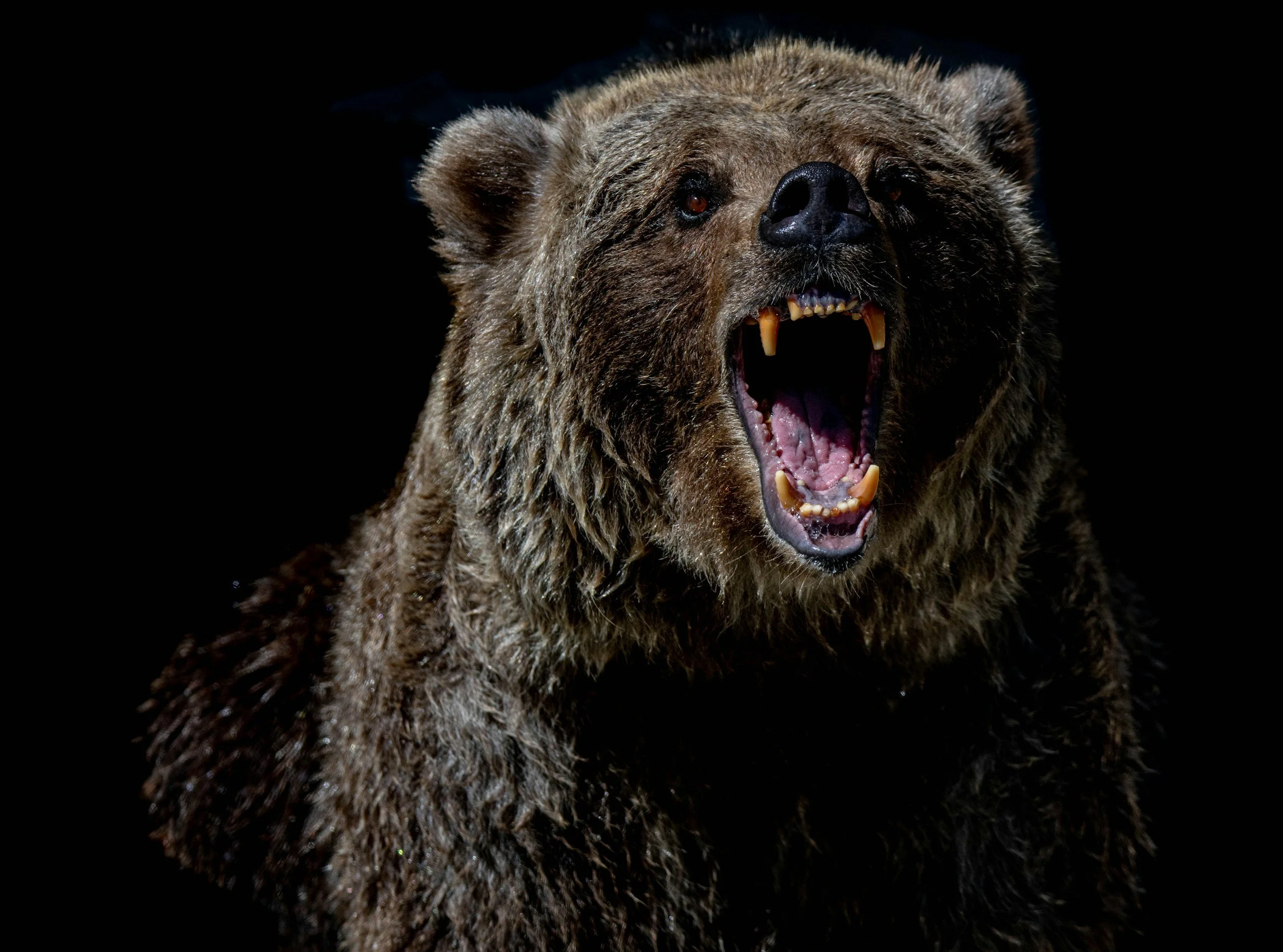
Image Credit: mana5280 | Splash
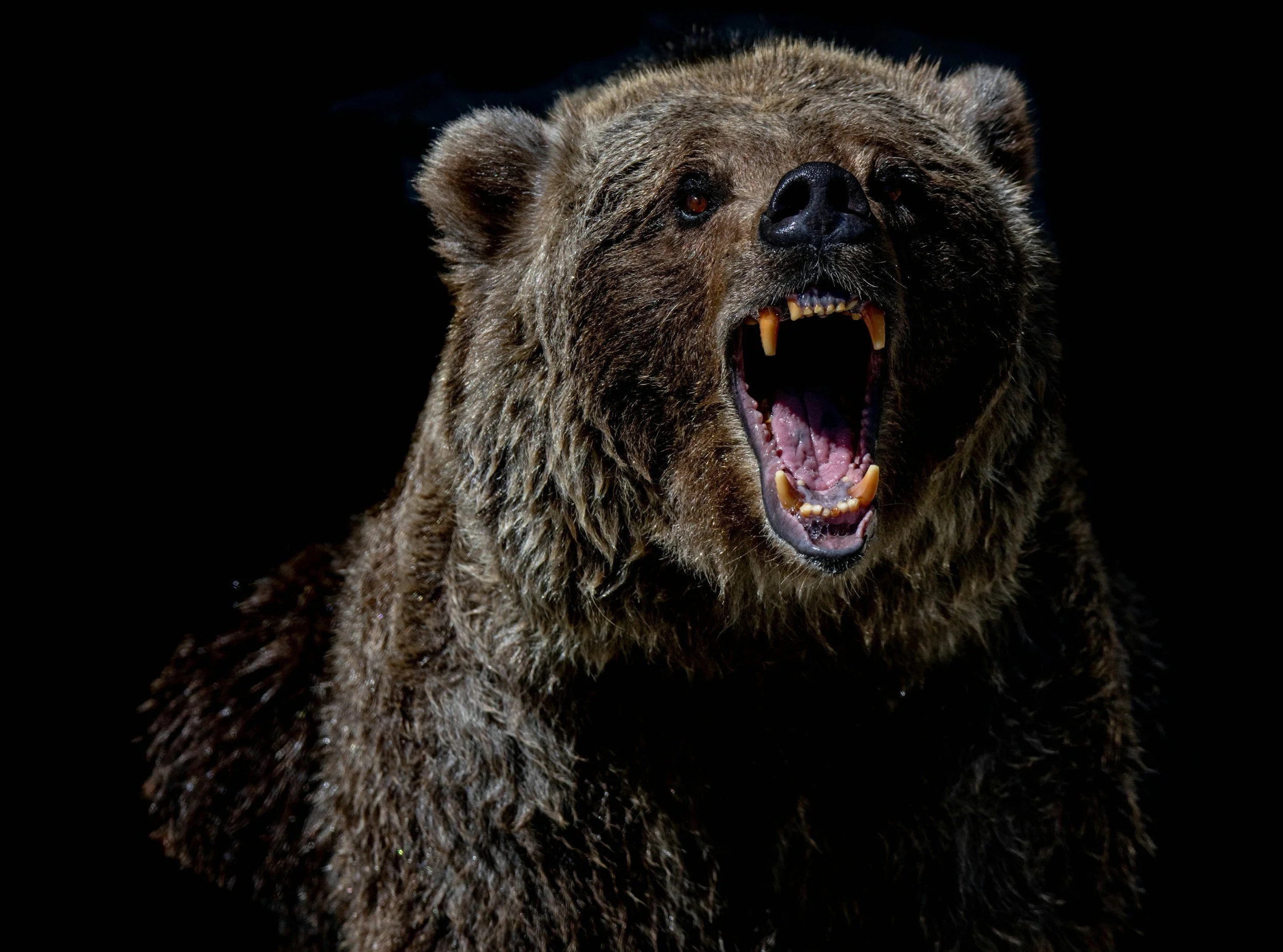
Late December reporting from Kyodo News Agency describes a growing rollout of a bear warning workflow in Japan that puts AI image filtering between wildlife cameras and local officials, so warnings can be issued sooner and with less manual checking. The system is being introduced in multiple prefectures including Toyama, with the aim of reducing risky human bear encounters near homes and public spaces.

















An AI Assisted Detection and Notification Pipeline
The platform is formally named the AI Based Automatic Detection and Notification System for Harmful Animals, and is commonly referred to as B Alert. Kyodo based reporting says it was jointly developed by Hokuriku Electric Power and Hokutsu.
The key design choice is not the camera itself, but the workflow: a cloud AI layer filters incoming images so officials see fewer irrelevant frames, then receive the relevant images by email when a bear is detected.


















Heat Triggered Cameras Plus Cloud Triage
Kyodo based coverage describes cameras installed near residential areas that capture images when triggered by heat or movement, then transmit a large volume of images. Cloud based AI filters out unnecessary data and focuses on identifying bears. When a bear is detected, images are automatically sent via email to relevant parties including local government officials.
A Japanese government case study on the same family of deployments frames the operational benefit more bluntly: trail cameras are useful, but they generate a lot of non bear images, so AI is used to narrow alerts down to what responders actually need.





















Why Toyama?
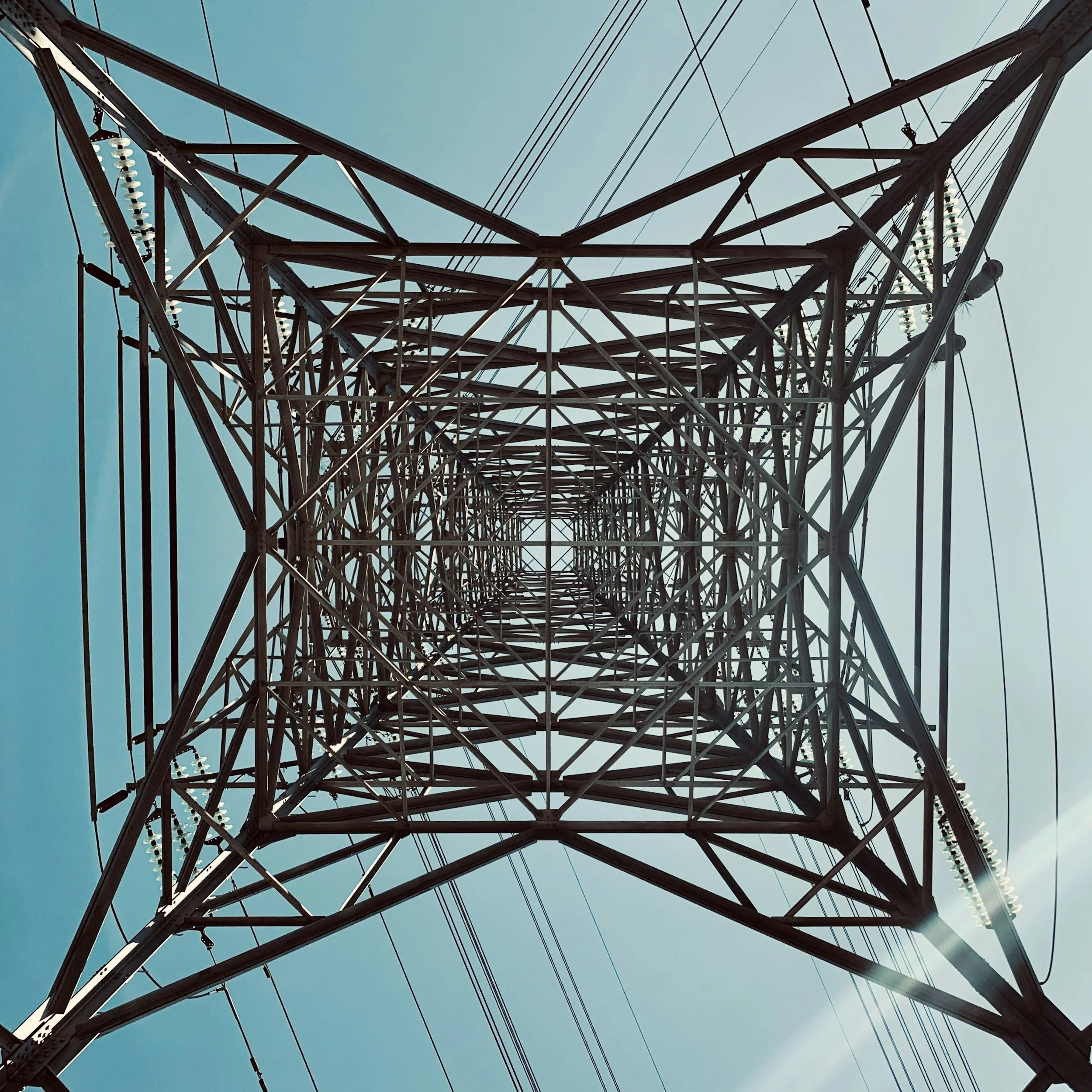
Kyodo based reporting links the development push to a 2019 incident in Toyama where a Hokuriku Electric maintenance worker was attacked by a bear while working on a power transmission tower in Kurobe, and says the company later shared concerns with Toyama Prefecture. The prefecture then allocated funding for a proof of concept, which helped trigger development.
In a separate government hosted presentation tied to Toyama’s “bear countermeasures DX”, partners also describe sustained pressure from bear sightings and the practical constraints on local responders, especially during peak months.















Performance Claims
Reporting states the AI was trained using about 60,000 photographs, including bears and other wildlife.
The same reporting says identification accuracy reportedly improved to 99.9 percent through repeated testing and refinement. Because this number is reported rather than independently audited in public documents, it should be presented as “reported” and tied to the specific source.
A Cabinet Secretariat case study for DigiDen Koshien 2023 says the approach shortened time by about one hour compared with sighting information in a FY2021 Toyama demonstration. That is a different measurement context, and should be presented as a trial result from that program.














From Email to Public Warning Channels
One clear sign this is moving from “tech demo” to “operations” is integration with established public warning infrastructure.
Hokutsu and PR TIMES describe a Toyama City trial that automatically links B Alert detections to the city’s disaster administrative radio broadcasts, with the trial starting 22 July 2025 and the intent to alert nearby residents sooner than the previous manual workflow. The materials state the goal is to issue warnings 30 minutes or more earlier, while reducing the need for staff to travel first for confirmation.
Toyama City’s mayoral press conference notes the same concept, discussing expectations and operational considerations as the city moved toward more regular use.
















Three Parallel AI Paths Japan Is Testing
Japan is effectively running several “living systems” detection patterns at once, each with different trade offs in infrastructure and response style.
Passive camera networks with cloud filtering (B Alert style)
Strength: low friction monitoring, smaller data payloads, and a workflow that scales as camera numbers grow. Challenge: depends on connectivity and still needs governance around thresholds, false alarms, and response procedures.
Local 5G plus IP cameras with messaging alerts (Kuma miru AI)
A separate late December report describes a local 5G verification of “Kuma miru AI” involving IP cameras and LINE alerts. This pattern can support richer streams, but it is more infrastructure heavy than trail cameras and may suit specific sites rather than broad regional coverage.
Active search using drones with sensors and AI
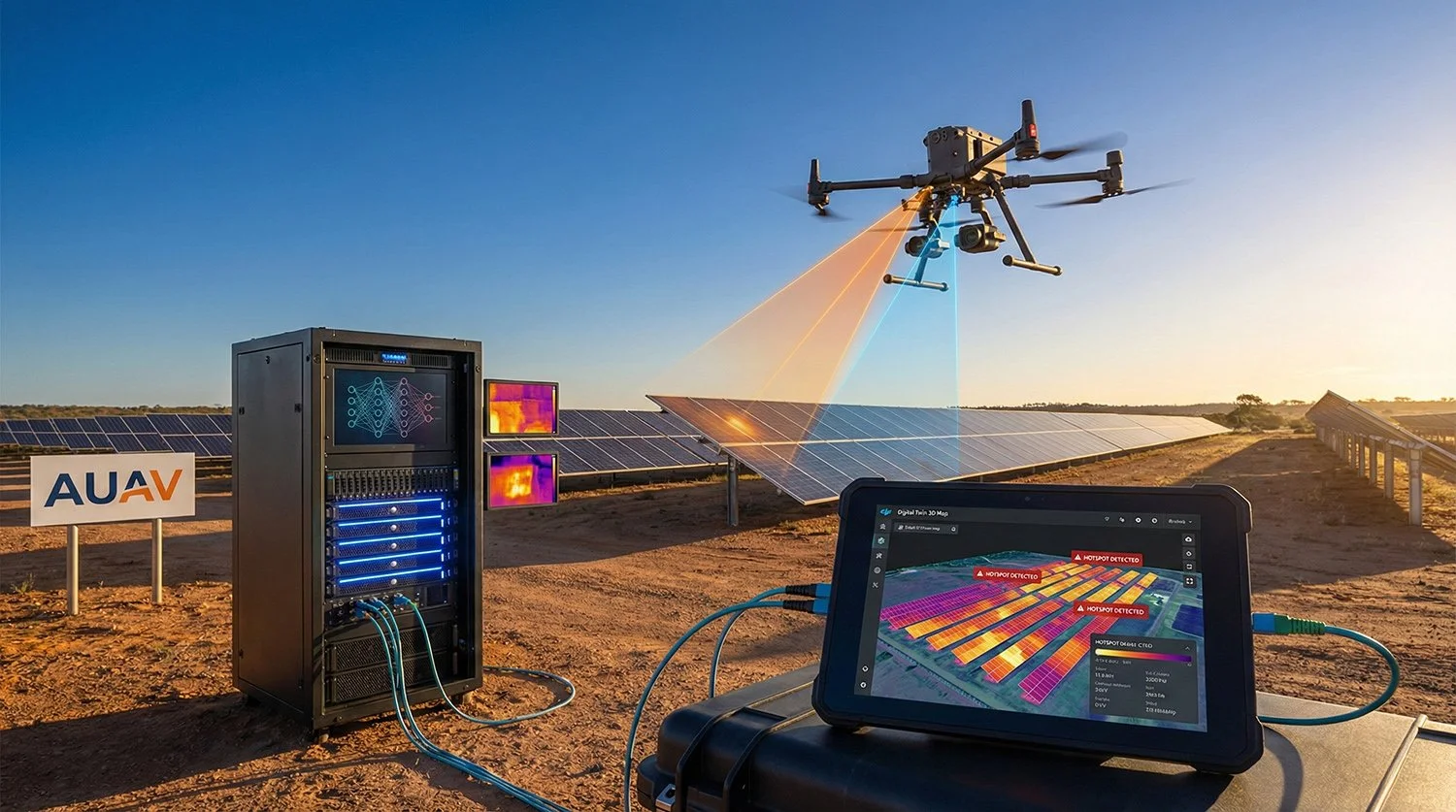
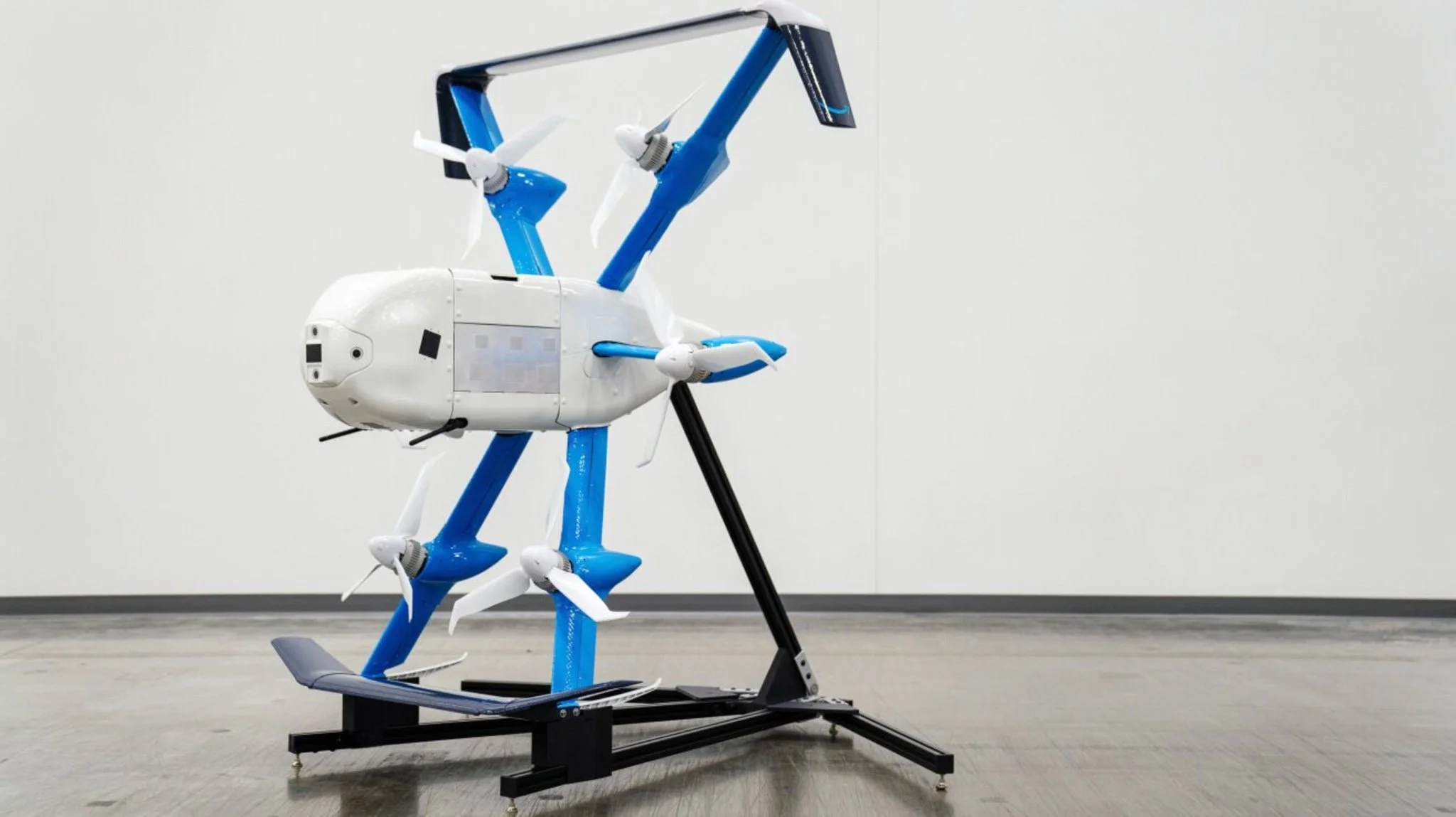
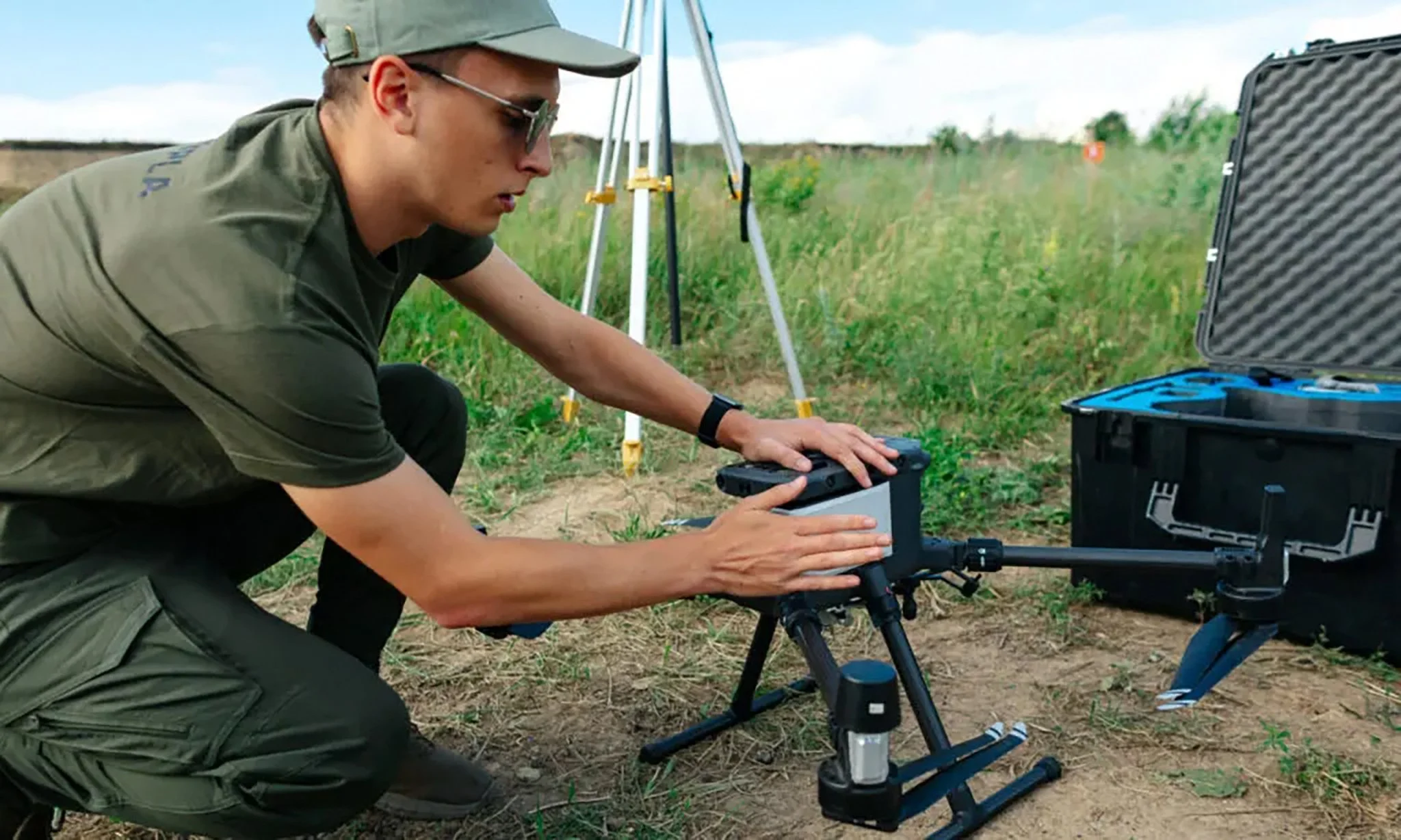
Recent reporting describes an AI enabled drone concept in Akita Prefecture using night vision and infrared cameras, with the goal of detecting bears that may be hard to see and sharing locations via smartphones. This is less about always on monitoring and more about targeted search and tracking once there is a concern.



















Trustworthy Alerts Depend on Information Hygiene
Even if detection improves, local governments still need clean processes around what gets published and how. In late November, Japan Times reported an Onagawa Town advisory was retracted after an image used in an official bear warning post was found to be AI generated, showing how quickly public anxiety can be amplified when imagery is not verified.
That matters here because systems like B Alert shift public safety teams toward faster, more automated decision cycles. The technical win only holds if the communications chain remains disciplined.




































 TheDayAfterAI News
We are a leading AI-focused digital news platform, combining AI-generated reporting with human editorial oversight. By aggregating and synthesizing the latest developments in AI — spanning innovation, technology, ethics, policy and business — we deliver timely, accurate and thought-provoking content.