
Scientists Discover Human Cell-Based 'Anthrobots' Capable of Tissue Repair and Age Reversal
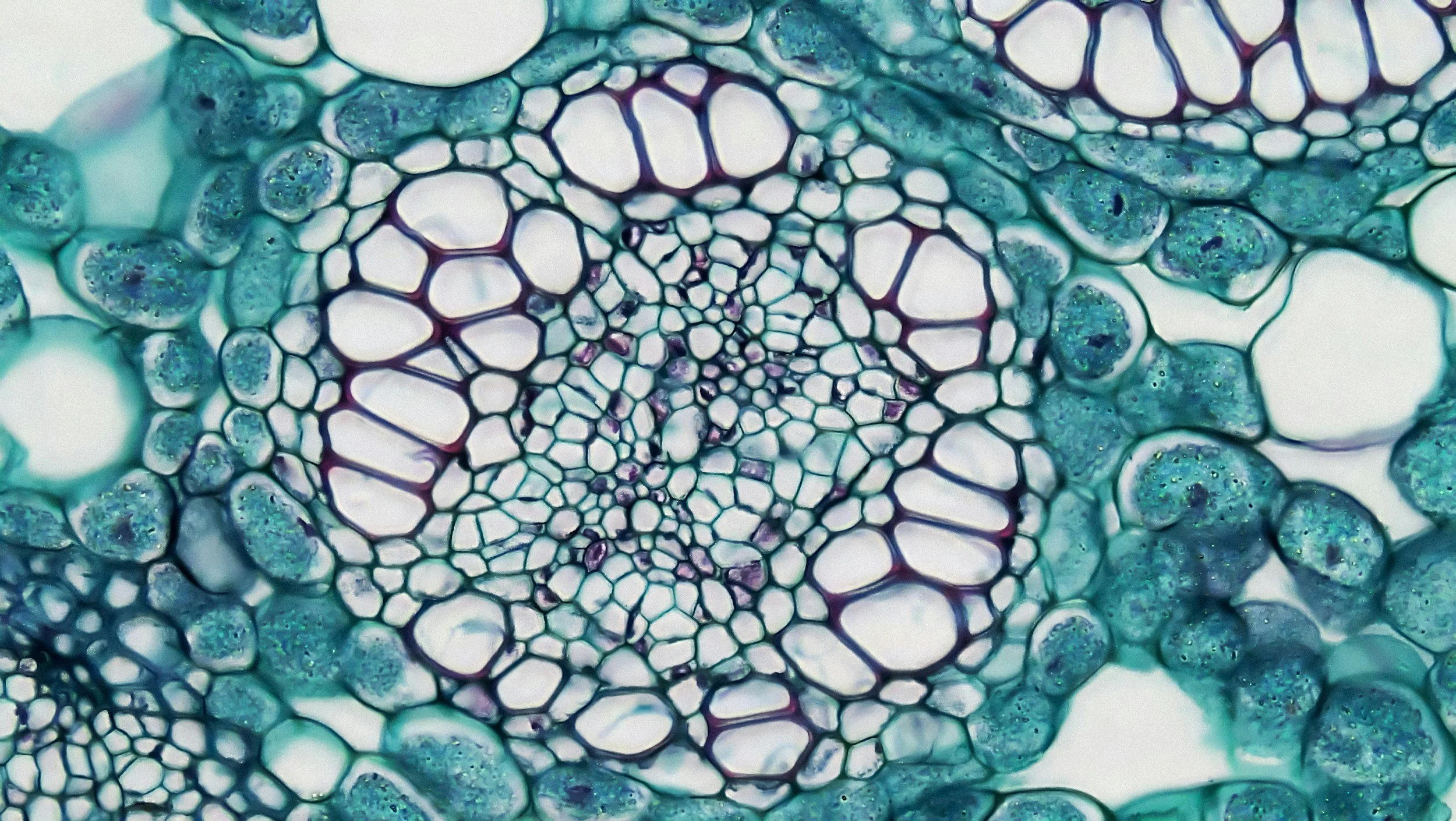
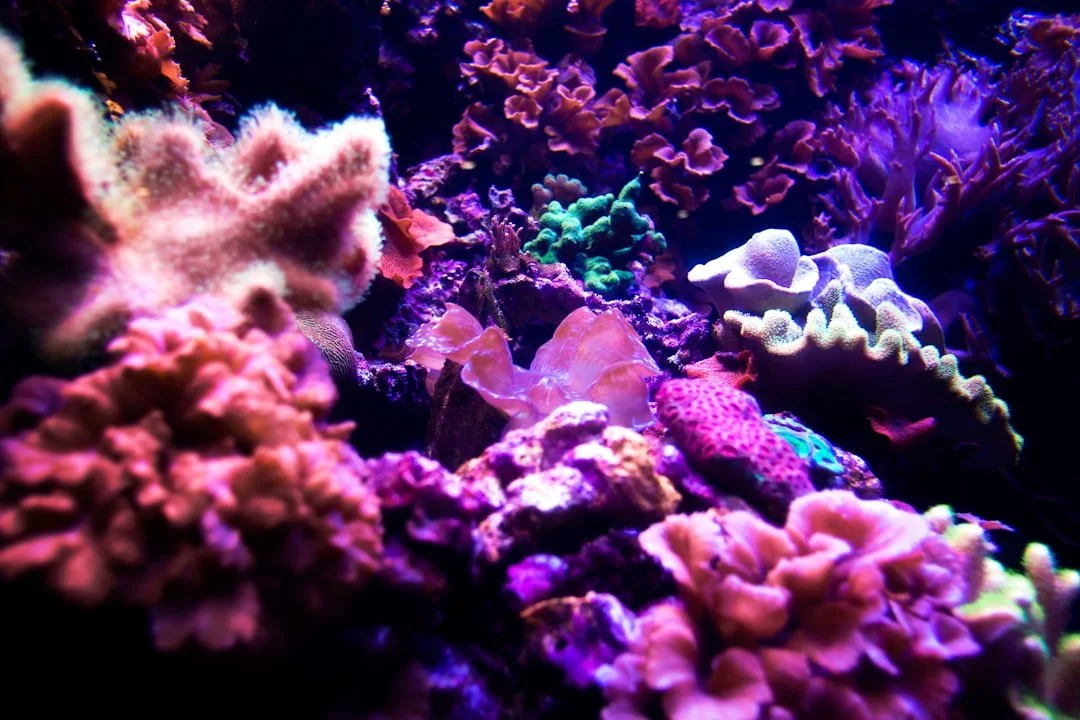
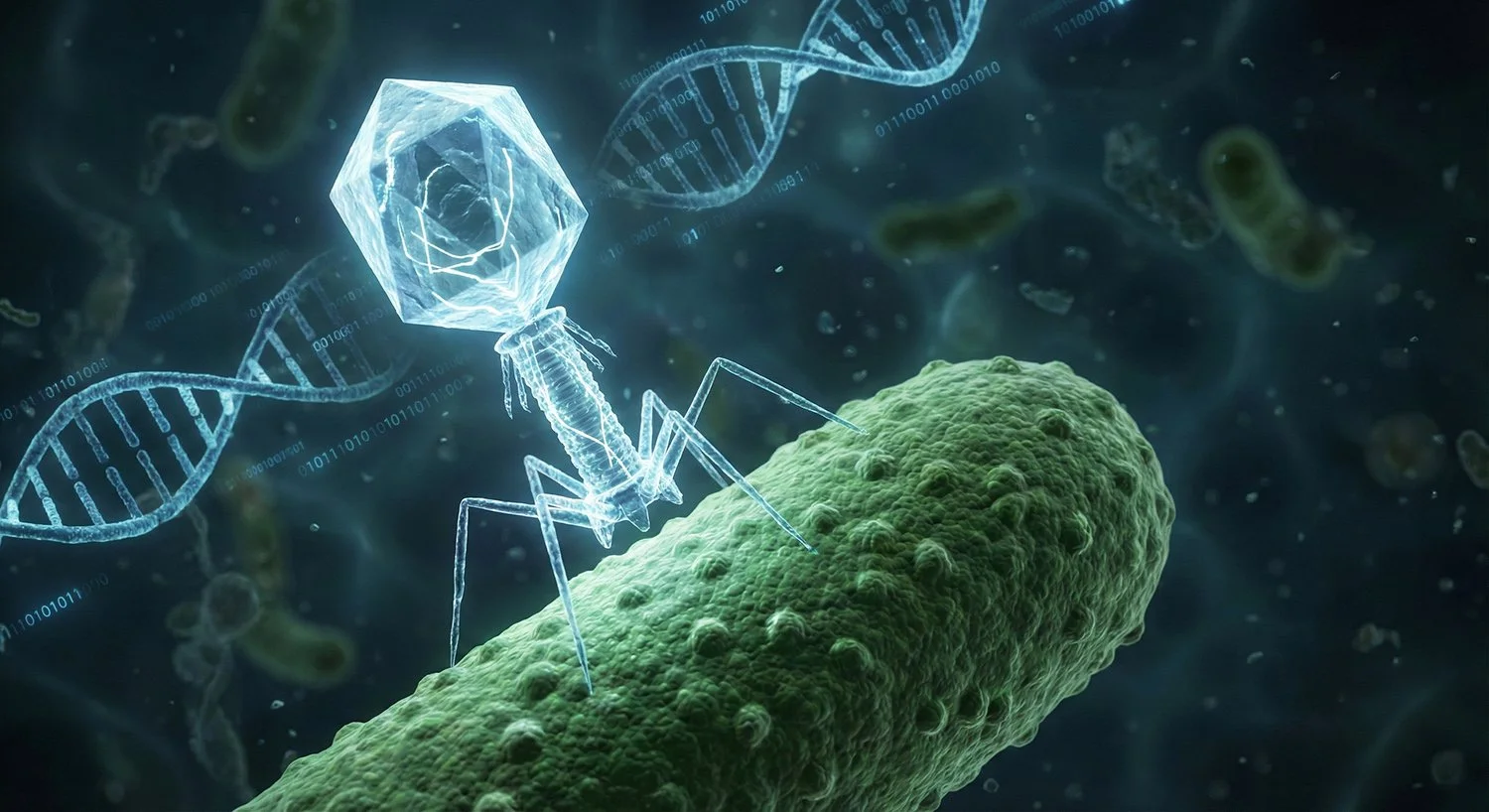
Image Credit: Bioscience Image Library by Fayette Reynolds | Splash (for illustration only)
Researchers at Tufts University have uncovered new properties in tiny, self-assembling biological constructs called Anthrobots, made from human tracheal cells, including their ability to repair damaged neural tissue and reverse signs of cellular aging without genetic alterations.
The findings, detailed in a study published on June 6, 2025, build on initial work from 2023 and highlight potential shifts in bioengineering by demonstrating how ordinary adult cells can reorganize into functional, motile entities with emergent behaviors.
















Origins and Development
Anthrobots emerged from experiments led by Michael Levin, a biology professor at Tufts University in Medford, Massachusetts, and Gizem Gumuskaya, a former doctoral student with an architecture background who contributed to the design of the cellular environments.
The project began in 2023 when the team cultured adult human airway epithelial cells—typically found lining the trachea and equipped with hair-like cilia for clearing debris—from anonymous donors. By placing these cells in a supportive lab matrix and then gently dissolving it, the cells spontaneously formed multicellular spheroids ranging from 30 to 500 micrometers in diameter. Unlike traditional organoids, the cilia faced outward, enabling the structures to propel themselves through fluid at speeds up to 10 micrometers per second in patterns such as straight lines, circles or wiggles, depending on cilia distribution.
This approach drew from earlier research on Xenobots, frog-cell constructs developed by Levin and collaborators in 2020, where artificial intelligence simulated optimal shapes for tasks like movement. However, Anthrobots rely on the cells' inherent plasticity rather than AI-guided design, marking a step toward understanding self-organization in human tissues.
The 2025 study expanded this by mapping the Anthrobots' full life cycle, from formation to dissolution over 45 to 60 days, revealing discrete pathways: some arise from single proliferating cells, others from mergers of smaller bots, and a third type remains dormant.


















Key Scientific Findings
Analysis showed Anthrobots express over 9,000 differentially regulated genes—nearly half the human genome—compared to their original tracheal cells. This includes activation of embryonic genes involved in body patterning, such as those for layering and symmetry, and ancient genes shared with single-celled organisms, despite no evolutionary pressure for such traits in lung tissue.
A notable discovery was epigenetic age reversal: Using DNA methylation clocks, researchers found Anthrobots from a 21-year-old donor's cells, biologically aged to 25 years, reset to an equivalent of 18.7 years— a 25% reduction. This occurred solely through self-assembly and environmental cues, without chemical or genetic interventions, suggesting cellular reorganization can counteract aging markers like DNA damage accumulation.
Functionally, Anthrobots demonstrated repair capabilities in lab tests. When placed near scratched layers of human neurons, clusters called "superbots" bridged gaps by promoting neuron growth, forming connections as thick as surrounding tissue within days. The exact signaling mechanism remains unclear, but it points to innate abilities to influence nearby cells.
They also exhibited self-healing, reforming original shapes after mechanical cuts, and could incorporate foreign materials during formation.




















AI Intersection and Broader Context
Anthrobots underscore parallels between biological self-assembly and AI-driven emergent systems. Levin's prior use of AI in Xenobots to model morphologies highlights how computational tools could enhance future biobot designs, simulating cellular behaviors to predict outcomes in human systems. This convergence may accelerate bio-AI hybrids, where machine learning decodes the "morphogenetic code" guiding cell collectives, akin to neural networks processing data into patterns.
The work challenges genetic determinism, showing environment and shape alone drive massive transcriptomic shifts, offering a model for AI to analyze vast biological datasets for patterns in aging or disease.

















Potential Benefits and Drawbacks
Advantages include patient-specific applications: Derived from a person's own cells, Anthrobots could avoid immune rejection in therapies for spinal injuries, retinal damage or arterial plaque removal. Their biodegradability reduces long-term risks, and the absence of genetic edits minimizes safety concerns like unintended mutations.
However, challenges persist. Critics argue Anthrobots resemble standard organoids, with movement arising predictably from cilia physics rather than novel agency, potentially overstating their robotic nature. Unpredictable behaviors, scalability issues and unknown in vivo effects pose hurdles. Ethical questions arise over creating living entities without clear purpose or control, echoing debates in synthetic biology.


















Implications and Future Outlook
The research suggests new paradigms in understanding living systems, where cells act as "information-processing agents" interpreting cues beyond DNA, potentially explaining birth defects or cancer through disrupted self-organization.
In bioengineering, it could enable drug screening on lung models or in vitro organ sculpting. For aging, the reversal hints at therapies targeting epigenetic clocks via lifestyle or structural changes, though scaling to whole tissues requires more study.
Future trends point to integrating AI for precise control, expanding to other cell types like heart muscle, and testing in animal models. Levin's team plans to explore memory, adaptability and broader healing, while emphasizing the need for frameworks addressing biobots' agency.
Levin noted: "The Anthrobots are mostly spherical, so at this point it’s hard to say without further study what role each of these embryonic genes played in their bodies’ construction."
Gumuskaya added: "The fact that these bots become biologically younger than the adult cells they’re made from suggests that the process of organizing into a new shape alone can reset the cellular aging clock."





























 TheDayAfterAI News
We are a leading AI-focused digital news platform, combining AI-generated reporting with human editorial oversight. By aggregating and synthesizing the latest developments in AI — spanning innovation, technology, ethics, policy and business — we deliver timely, accurate and thought-provoking content.