
AI-Driven Brain Implants Cut Depression and PTSD Symptoms by up to 50%

Image Credit: Yosi Prihantoro | Splash
A fresh expert Viewpoint in JAMA Psychiatry, released on October 8, has put the spotlight on closed-loop neuromodulation systems that harness artificial intelligence to tailor brain stimulation for conditions like depression and post-traumatic stress disorder. Co-authored by US neurosurgeon Sameer A Sheth from Baylor College of Medicine, the piece questions whether psychiatry is equipped for these adaptive devices, which monitor neural signals in real time and adjust electrical pulses to match individual brain patterns, potentially easing symptoms with fewer side effects.
This comes amid a October 29 systematic review in The Journal of Neuropsychiatry and Clinical Neurosciences, which sifts through evidence on deep brain stimulation for chronic PTSD, underscoring AI's potential to refine targeting in fear-related circuits like the amygdala. While still experimental for psychiatric use, these technologies build on successes in movement disorders and signal a cautious pivot towards precision treatments for the one in five Australians grappling with mental health issues each year.
























Dissecting the Core Advances
Closed-loop systems mark a leap from traditional deep brain stimulation, or DBS, which zaps fixed electrical bursts into brain hubs such as the subcallosal cingulate for depression or the basolateral amygdala for PTSD. Introduced in the 1990s for Parkinson's, standard DBS helps about 60 per cent of users but can spark side effects like fleeting mood dips or fatigue because it ignores shifting neural dynamics.
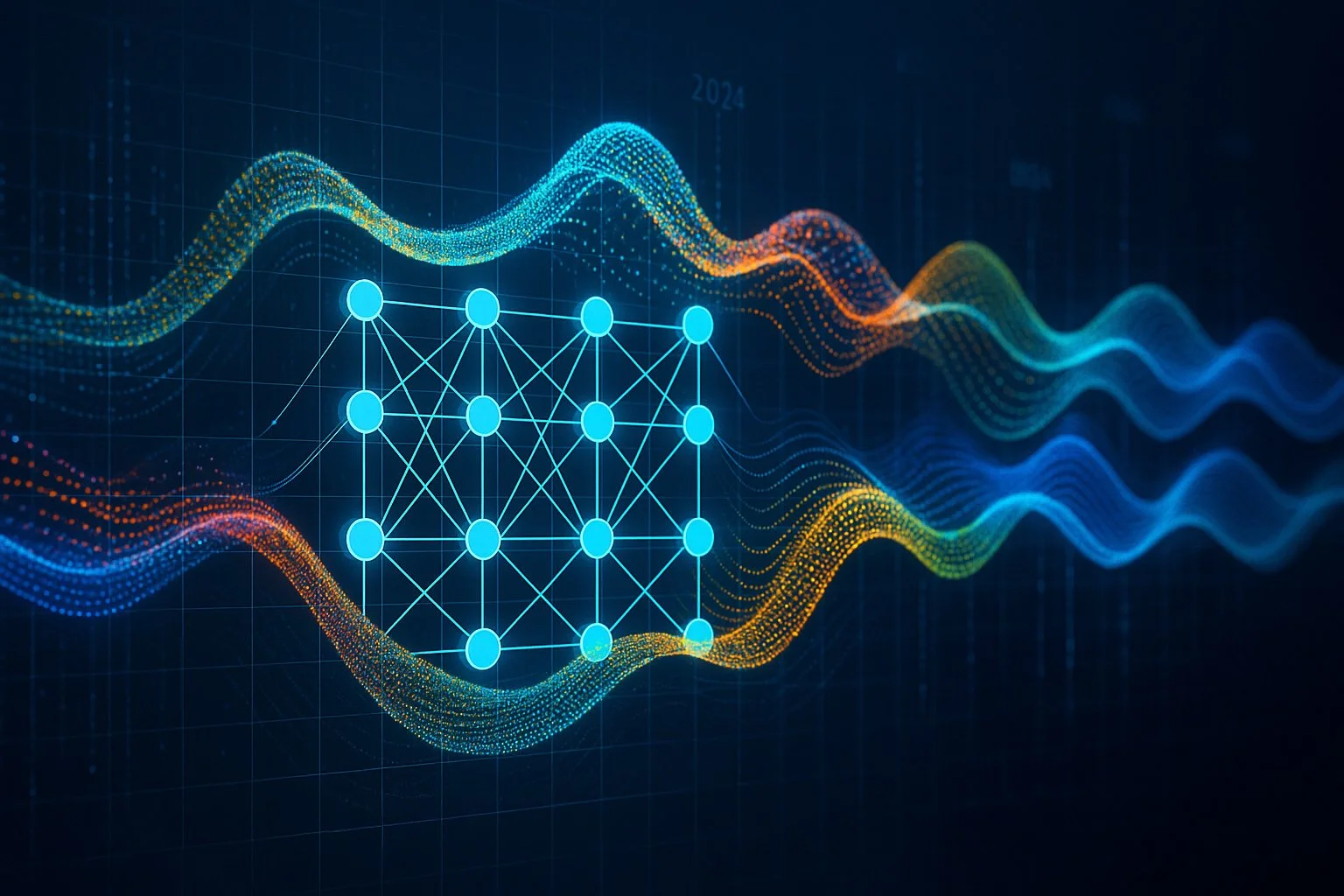
The AI twist, refined since the early 2010s at labs including Baylor and the University of California, San Diego, deploys sensors to capture local field potentials – faint neuron chatter. Machine learning algorithms, fed on troves of brain recordings and symptom diaries, spot telltale biomarkers: think ramped-up gamma waves heralding depressive lows or amygdala flares during PTSD triggers. In a January 2025 Frontiers in Psychiatry study on addiction, one such setup nailed symptom predictions at 87 per cent accuracy using high gamma power, paving the way for psychiatric tweaks.
Sheth's Viewpoint flags real-world pilots, like Baylor's ongoing trial for treatment-resistant depression, where AI prototypes tweak pulses every few minutes based on live data. Early data from similar setups show symptom cuts of 40 to 50 per cent on scales like the Hamilton Depression Rating, outpacing open-loop methods by 15 to 20 percentage points, with side effects halved by scaling back during calm spells. For PTSD, the October review tallies small-scale amygdala implants in veterans, yielding 30 to 40 per cent drops in Clinician-Administered PTSD Scale scores over 12 months, though dissociation risks linger without AI fine-tuning.
These tools shine because AI learns from each person's wiring, akin to a smart thermostat sensing room vibes. As Sheth's team puts it, the tech aims to boost clinician smarts, not sideline them, by flagging relapse risks hours ahead.


















Tracing the Build-Up
The drive traces to mid-2010s frustrations: antidepressants flop for a third of depression patients, while PTSD therapies like cognitive processing click for just half. US National Institutes of Health grants, totalling over $US50 million since 2015, fuelled crossovers from epilepsy, where the NeuroPace responsive neurostimulation system – cleared by the FDA in 2013 – quells seizures on demand with 70 to 80 per cent uptime.
By 2022, AI models were clocking 80 per cent hits on mood biomarkers in prototypes, per intracranial recordings in Biological Psychiatry. Multi-centre efforts in Texas and California, using Medtronic hardware under investigational protocols, have since logged thousands of hours of neural data. In Australia, where depression drains AU$14 billion yearly from productivity – up from AU$12.6 billion in 2007 estimates, per updated Beyond Blue figures – local outfits like the Black Dog Institute eye adaptations, blending AI with non-invasive options.


















Balancing Gains and Hurdles
Patient stories from these pilots paint lifestyle lifts: sharper workdays for depression sufferers, steadier social ties for PTSD cases, all sans the drag of endless pill adjustments. Health economists peg DBS as cost-effective long-term, with rechargeable models at US$41,000 per quality-adjusted life year gained, below common thresholds, though upfront surgery runs US$80,000 to US$100,000.
Challenges loom large. Procedures demand neurosurgery, limiting reach; batteries need swaps every five to ten years. An August Nature Digital Medicine scoping review warns of ethical snags, from safeguarding raw brain data to AI biases that might overlook diverse symptom flavours in Indigenous or migrant groups. FDA humanitarian exemptions cover DBS only for obsessive-compulsive disorder since 2009; depression and PTSD stay in trial mode, with no broad nod yet.
PTSD expert Guillermo K Pons, lead on the October review, stresses in the paper that while promising, evidence gaps in larger cohorts mean rollout must wait for phase-three rigour.
















Mapping Tomorrow's Terrain
Horizons point to hybrids: invasive DBS paired with AI wearables for home tweaks, or non-invasive kin like transcranial direct current stimulation. Australia's Therapeutic Goods Administration fast-tracked at-home tDCS devices from Sooma in June and Flow Neuroscience in October for depression, hinting at regulatory green lights if durability holds.
US Department of Veterans Affairs trials probe PTSD neuromodulation, eyeing scalability by decade's end, while a 2025 Neurology forecast envisions neurologists wielding targeted devices for a slew of ills by 2035. McKinsey's July Tech Trends Outlook nods to AI's health surge, projecting agentic models to slash diagnostic errors by 30 per cent, though perils like data silos demand fixes.
In essence, these steps frame AI as psychiatry's steady hand: honing tools for the millions sidelined by today's options, one neural nudge at a time.




























 TheDayAfterAI News
We are a leading AI-focused digital news platform, combining AI-generated reporting with human editorial oversight. By aggregating and synthesizing the latest developments in AI — spanning innovation, technology, ethics, policy and business — we deliver timely, accurate and thought-provoking content.