
UMG & NVIDIA Announce "Responsible AI" Partnership for Music Discovery
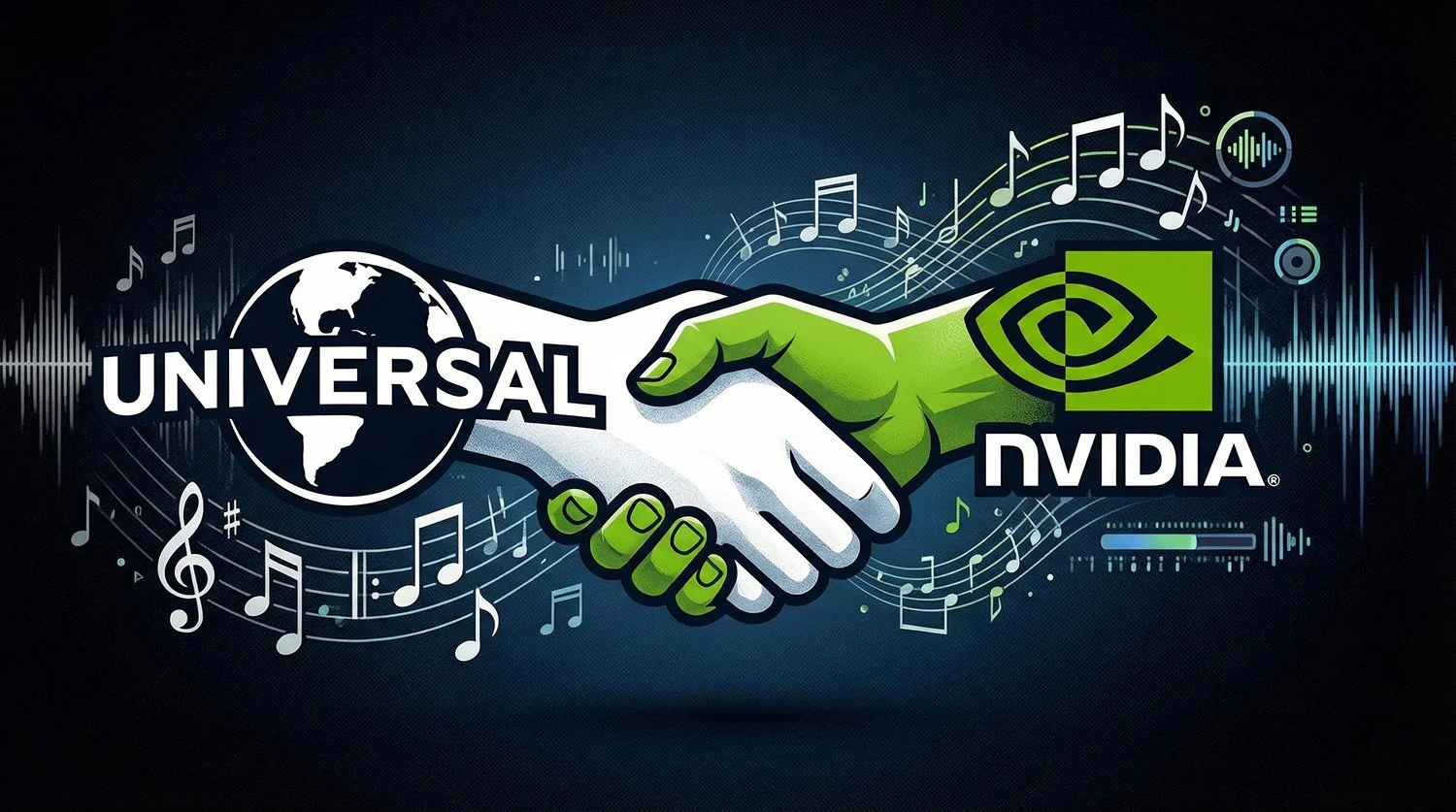
Image Credit: Jacky Lee
On 6 January 2026, Universal Music Group, UMG, announced a collaboration with NVIDIA that it says will focus on responsible AI for music discovery, creation, and engagement, using NVIDIA AI infrastructure and UMG’s music catalogue.
UMG frames the goal as moving discovery and engagement beyond today’s search and personalisation patterns, while also using AI to protect artists’ work and ensure proper attribution of music based content.



















Setting up Creative Laboratories
UMG and NVIDIA say the collaboration will combine their research capabilities and set up creative laboratories that include input from artists, songwriters, labels and publishers. UMG also explicitly references leveraging its studio operations, including Abbey Road Studios in London and Capitol Studios in Los Angeles, as part of this effort.
UMG also notes that its Music and Advanced Machine Learning Lab, MAML, previously trained its models using NVIDIA’s AI infrastructure, suggesting there is an existing technical relationship being expanded.






















Trained on 2 Millions Songs
The partnership centres on extending NVIDIA Music Flamingo, which UMG describes as being built on NVIDIA’s Audio Flamingo architecture and designed to process full length tracks up to 15 minutes. UMG says this enables more detailed interpretation of musical elements such as harmony, structure, timbre, lyrics, and cultural context, and it claims strong performance across a range of music understanding tasks.
NVIDIA’s research page provides the most concrete technical detail. It describes Music Flamingo as trained on MF Skills, a dataset of about 2 million full songs, with about 2.1 million long captions and about 0.9 million question and answer pairs, spanning 100 plus genres and cultural contexts. NVIDIA also states the model processes about 15 minute audio inputs with a 24k token context window for full track reasoning, and supports on demand reasoning traces via MF Think and reinforcement learning.









More Than Music Generation
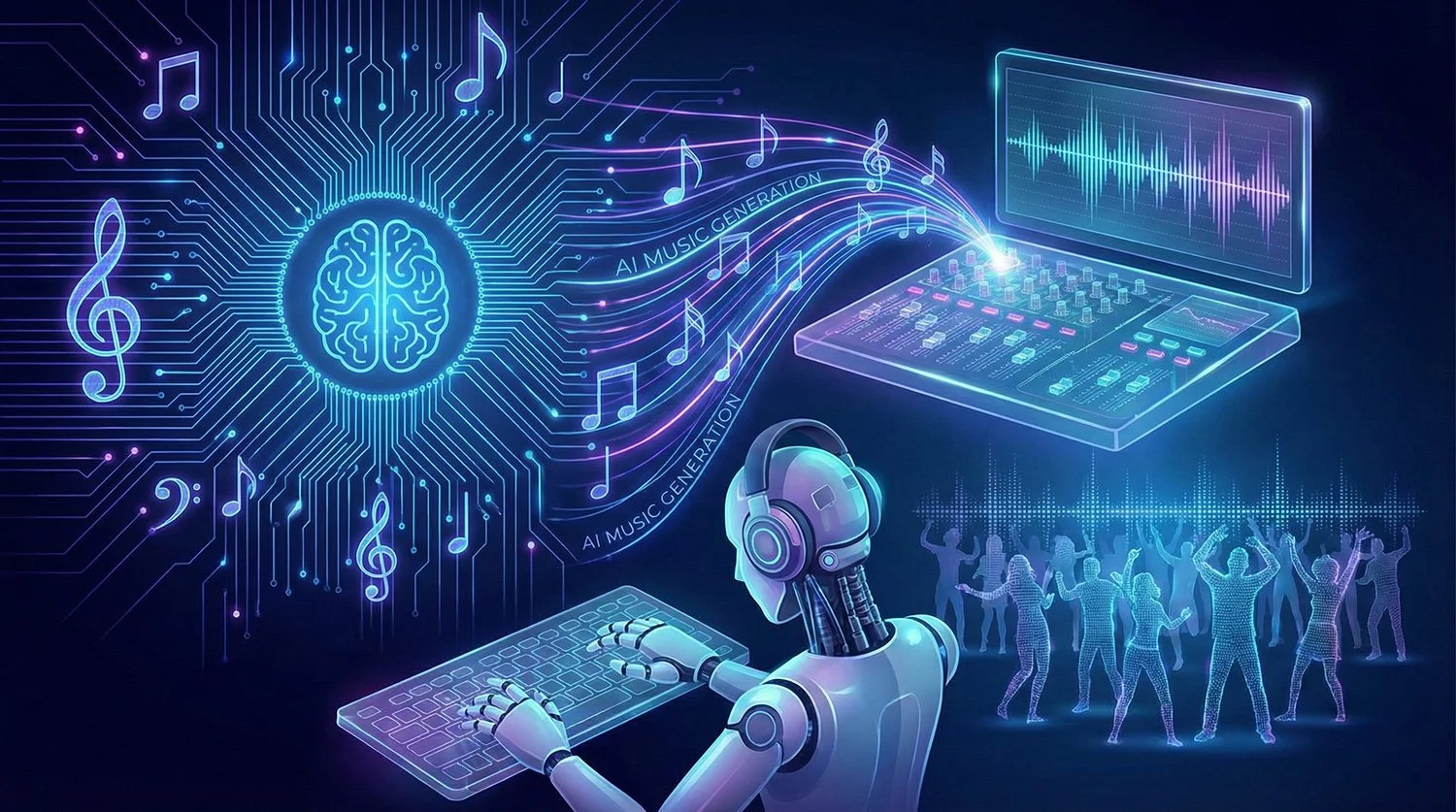
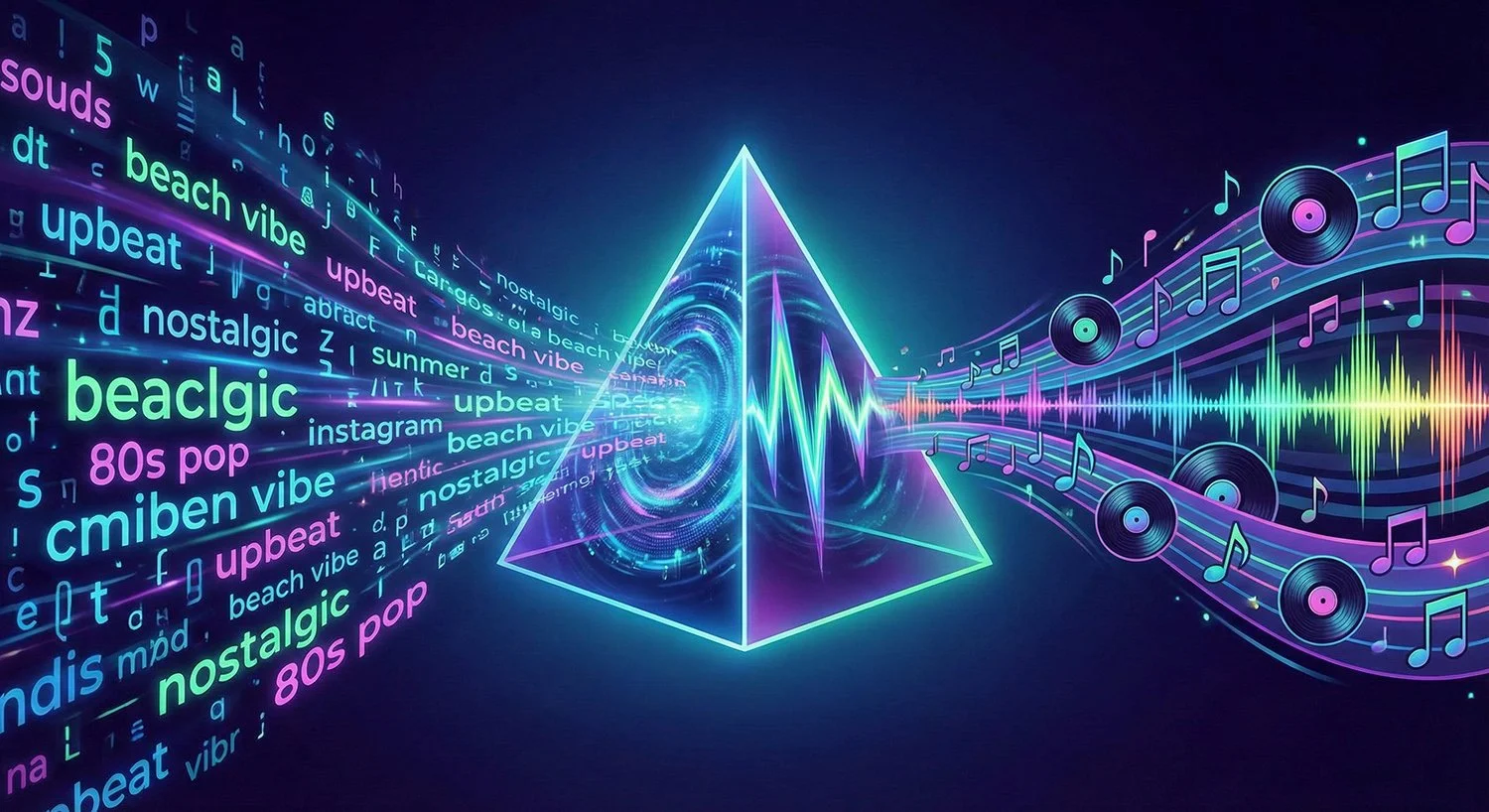
This announcement is notable because it leans into music understanding rather than just music generation.
If a model can interpret a song’s structure and meaning at full track length, it can support discovery features that go past genre and tempo, such as:
searching by themes or emotional arc rather than only artist name or style labels
richer recommendation logic that uses audio and lyrical cues, not only listening history patterns
more contextual curation workflows for catalog programming, where editorial teams need better ways to locate tracks that fit a specific narrative or audience moment
That said, UMG and NVIDIA have not announced any specific consumer product, broadcaster rollout, or deployment timeline. The current public detail is about research, model extension, and creative testing environments.














Responsible Use of AI
UMG explicitly positions this collaboration around safeguards, including protecting artists’ work and ensuring attribution. This emphasis aligns with ongoing industry pressure to address unauthorised training, unclear provenance, and the spread of low quality AI generated content across platforms.
A practical signal is the planned artist incubator, which the companies say will bring artists, songwriters, and producers into the design and testing of AI tools so they fit real creative workflows.


















Only One of Many Steps?
UMG has been building a broader AI posture across creation, licensing, and enforcement:
Splice: UMG and Splice announced collaboration on next generation AI music creation tools in December 2025.
Stability AI: UMG and Stability AI announced a strategic alliance in October 2025 to co develop professional AI music creation tools.
Udio: UMG and Udio announced strategic agreements in October 2025, including settling litigation and collaborating on a licensed AI music creation platform, with launch plans stated for 2026.
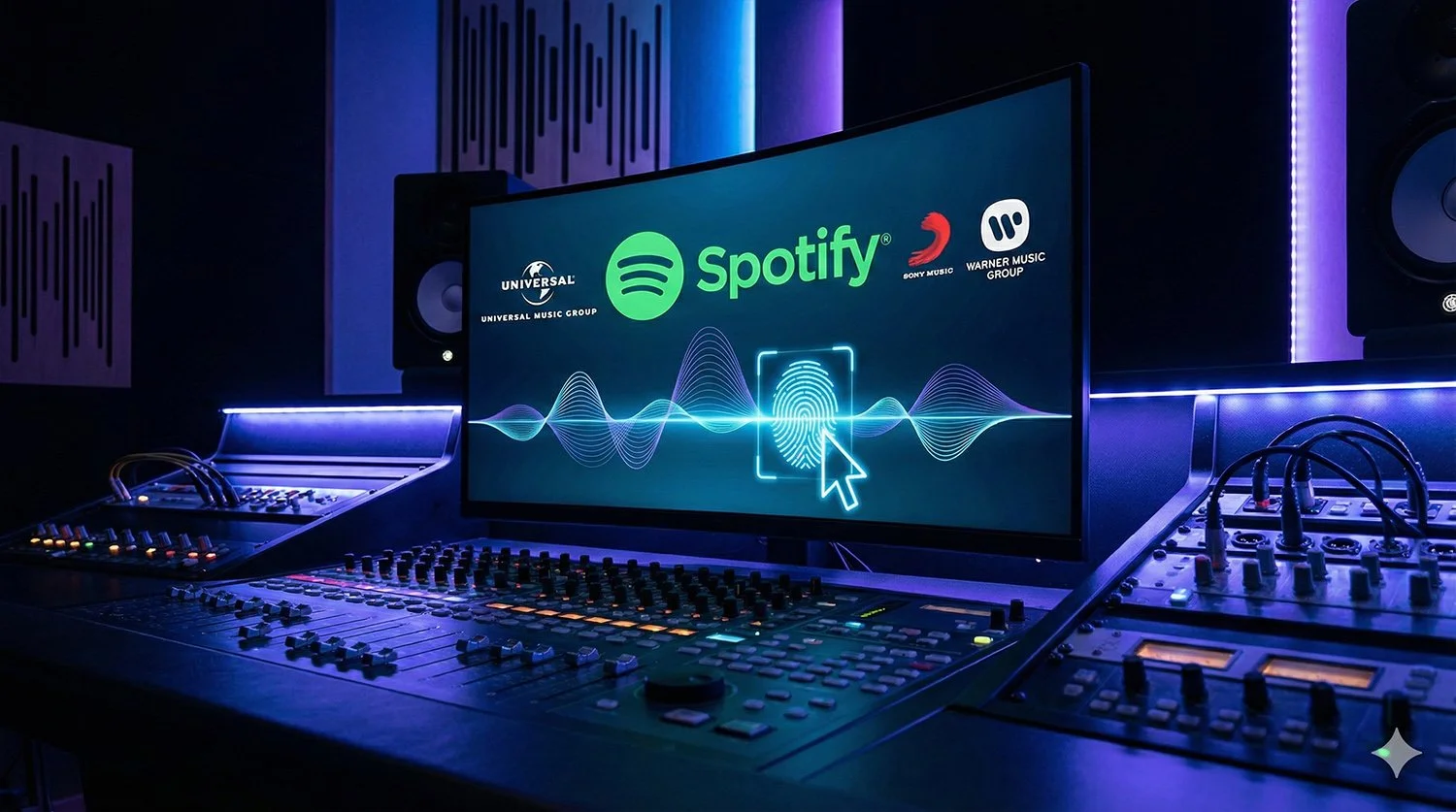
SoundPatrol: UMG and Sony Music announced work with SoundPatrol in September 2025 around neural fingerprinting for copyright infringement detection, including AI generated works.
Compared with those, the NVIDIA partnership reads more like an infrastructure and catalogue intelligence play, focused on discovery, engagement, and the systems that could sit behind future music search and curation experiences.























 TheDayAfterAI News
We are a leading AI-focused digital news platform, combining AI-generated reporting with human editorial oversight. By aggregating and synthesizing the latest developments in AI — spanning innovation, technology, ethics, policy and business — we deliver timely, accurate and thought-provoking content.