
SEO TitleEven G2 Launch: $599 Smart Glasses, 36g Weight & 50% Off Ring Deal
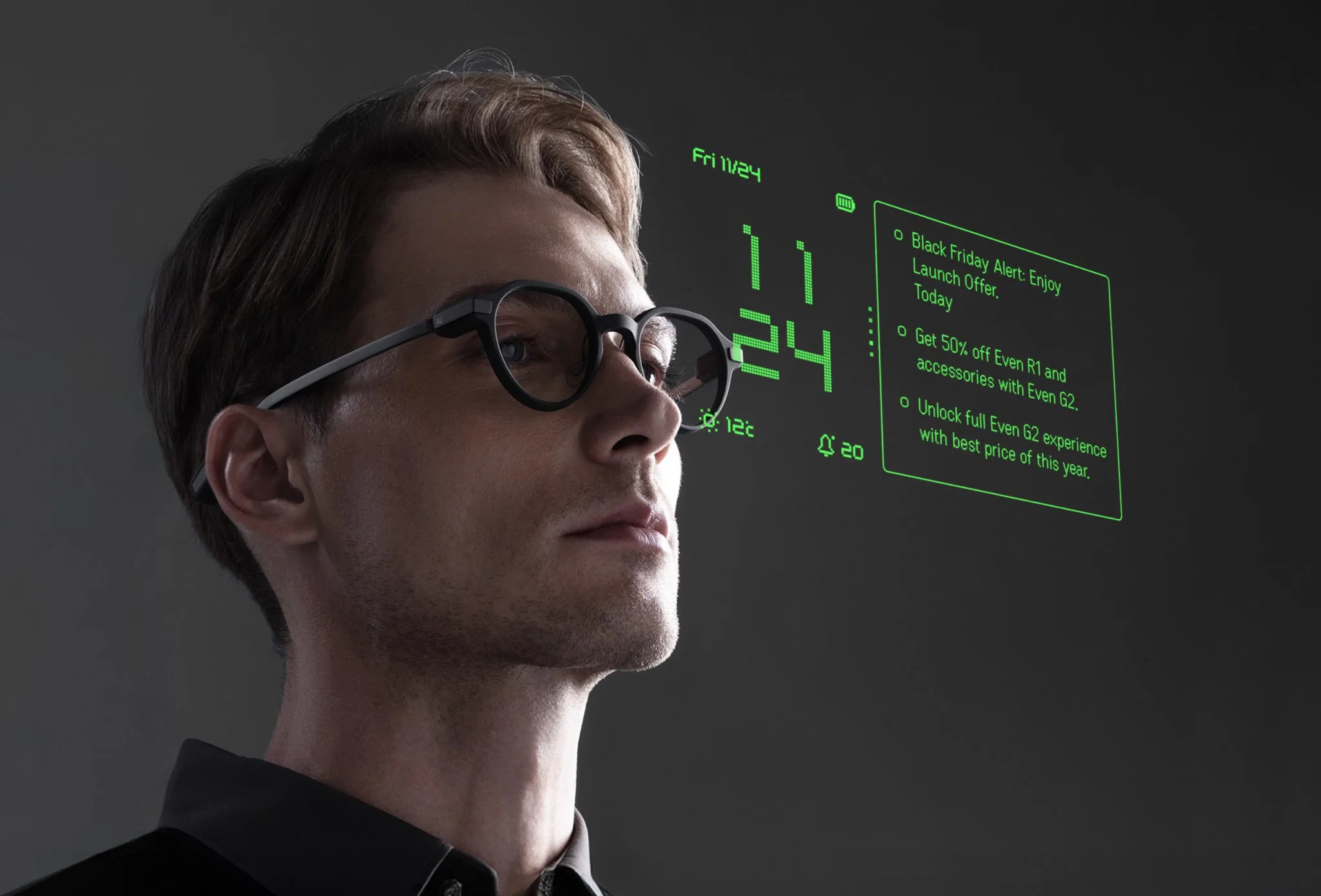
Image Source: Even Realities
Even Realities, a Shenzhen-based eyewear startup, has launched its second-generation smart glasses, the Even G2, together with its first smart ring, the Even R1. The pair is positioned as a camera-free, speaker-free alternative to audio- and video-centric rivals, using a lightweight display and on-device AI tools to surface prompts, translations and notifications from a connected smartphone. The G2 is priced at US$599 and the R1 at US$249, with a launch promotion offering 50 per cent off the ring when bought with the glasses until 26 December through the company’s website.
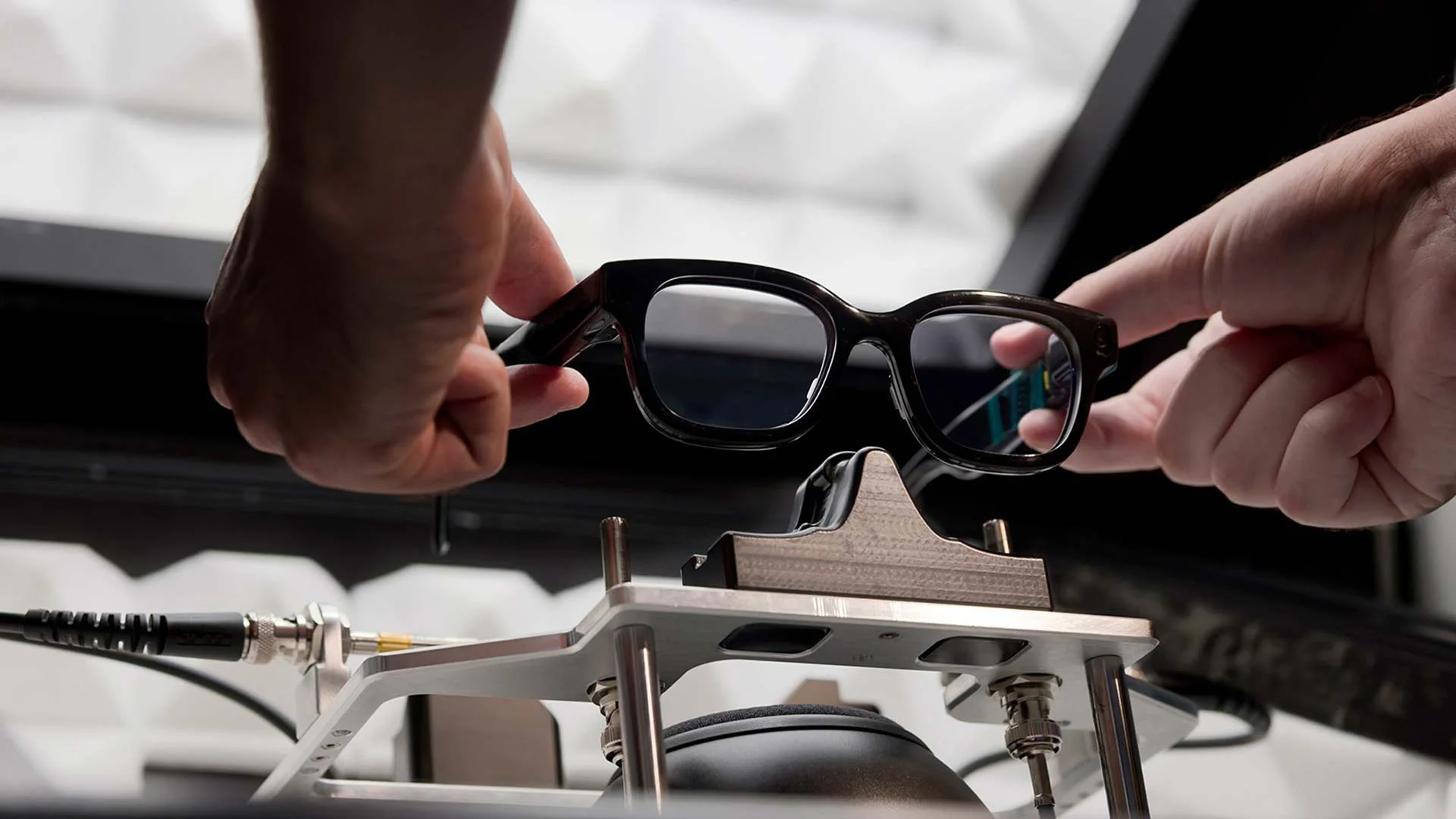
The G2 weighs 36g and uses a monochrome micro-LED system branded Holistic Adaptive Optics (HAO) 2.0. Tiny projectors and gradient waveguides create a layered, “floating” display that sits largely in the wearer’s peripheral vision rather than directly in the line of sight, an approach intended to keep text and icons unobtrusive during day-to-day use. The frame is built from magnesium alloy with titanium temples and carries an IP67 rating for dust and water resistance.
The Even R1 ring acts as both controller and wellness tracker. Made from zirconia ceramic and stainless steel, it provides swipe and tap input for the G2 while also monitoring heart rate, heart-rate variability, blood oxygen, temperature, activity and sleep, with summary data available in the companion app.
Both devices run on the company’s Even OS platform and connect via Bluetooth to iOS and Android phones. Core software features include Conversate, which uses the phone’s microphones to provide contextual prompts and explanations during conversations; Teleprompt, which scrolls scripts or speaking notes; Navigate for turn-by-turn directions; Translate, supporting 29 languages; and QuickList for simple voice-driven to-do lists.
Battery life for the G2 is advertised at a little over two days of typical use, with an IP67-rated charging case providing up to seven additional full charges. The R1 ring lasts around four days between charges.
Prescription support is a key part of the product strategy. Even fuses the prescription lens and display waveguide into a single optical unit and says the G2 can accommodate single-vision prescriptions from –12.00 to +12.00 diopters, a wider range than many competing smart glasses.




















Roots in Eyewear and “Eyewear-First” Design
Even Realities was founded in 2023 by CEO Will Wang, a former Apple designer, with a team drawn from companies including Apple, Samsung, Philips and high-end eyewear brands such as Mykita and Lindberg. The firm is headquartered in Shenzhen with design operations in Europe and has positioned itself as an eyewear company that adds digital capability, rather than a tech firm retro-fitting glasses.
The first-generation Even G1 launched in 2024 and has since been stocked in hundreds of premium optical stores worldwide, giving the company feedback on comfort, fit and early software issues before moving to a broader second-generation release.
By omitting outward-facing cameras and speakers, the G2 is explicitly framed as a response to concerns about being recorded in public, which have dogged products such as Google Glass and, more recently, camera-equipped consumer smart glasses.










How the System Works
Interaction happens through a combination of the glasses and ring. Users can tap the thicker section at the end of the G2’s arms or perform swipes and taps on the R1’s outer surface to scroll, select and move between apps. A system the company calls TriSync links the glasses, ring and smartphone into one ecosystem so that health metrics and notifications can be mirrored in the display.
Most basic processing is handled on the paired phone, with the glasses acting as a low-profile display and input surface. The AI features are designed around short, glanceable interactions: looking up a term during a talk, checking the next bullet in a speech, or translating a line of dialogue. Reviewers note that the monochrome display suits this role, but is less suitable for colour-dependent tasks such as detailed mapping.

















Early Reception
Early hands-on reports describe the G2 as one of the more discreet and comfortable smart glasses currently on the market, with several reviewers saying they feel closer to ordinary prescription eyewear than to a tech gadget.
Coverage from outlets including Gizmodo, Tom’s Guide and 9to5Mac broadly praises the sharpness of the micro-LED display, the subtle industrial design and the usefulness of tools such as Conversate and Teleprompt for prepared remarks and meetings. At the same time, reviewers flag that the software is still maturing, with intermittent connectivity issues and bugs, and that the ring’s gesture controls can take some getting used to.
Engadget and Android Central both highlight the G2 and R1 as a more privacy-minded alternative to camera-equipped consumer smart glasses, but note that the lack of audio output and reliance on a companion phone mean they sit closer to a notification and productivity accessory than a general-purpose computing device.










Positioning Against Meta and Xreal
Even’s launch comes as smart glasses shift from experiments to a small but growing consumer category. IDC expects worldwide shipments of AR/VR headsets combined with display-less smart glasses to reach about 14.3 million units in 2025, with the “simple smart glasses” segment forecast to roughly double between 2024 and 2025.
Meta’s Ray-Ban Meta line dominates much of the existing smart-glasses mindshare. The latest Ray-Ban Meta (Gen 2) AI glasses, which do not include a visual display, start around US$299–US$459 depending on model, and combine a 12-megapixel camera with speakers and Meta AI voice features.
At the higher end, Meta’s Ray-Ban Display adds an in-lens colour screen and a Neural Band wristband for EMG-based gesture control. That bundle launches at US$799, weighs around 70g, and is aimed at richer media functions including video calls, messaging and real-time translation.
By contrast, the Even G2 focuses on being lighter, prescription-friendly and camera-free, with a monochrome display tuned for ambient prompts rather than full-screen media. Xreal’s Air 2 glasses, another key competitor, are positioned mainly as virtual monitors for games and video; they weigh about 72g and use 1080p colour micro-OLED panels, but rely on external devices for content and do not include embedded AI assistants.









Outlook
Even Realities plans to expand its ecosystem with Even Hub, a developer platform intended to let third parties build additional widgets and applications for the G1 and G2, with an initial release targeted by the end of 2025.
For now, the G2 and R1 occupy a relatively narrow niche: they extend a smartphone’s AI and notification features into a discreet pair of glasses and a ring, rather than attempting to replace the phone outright. Reviews suggest that their success will depend on how quickly the software stabilises, how compelling the forthcoming app ecosystem becomes, and whether enough users are willing to pay premium eyewear prices for a privacy-focused, display-only take on smart glasses.





























 TheDayAfterAI News
We are a leading AI-focused digital news platform, combining AI-generated reporting with human editorial oversight. By aggregating and synthesizing the latest developments in AI — spanning innovation, technology, ethics, policy and business — we deliver timely, accurate and thought-provoking content.