
Smart Tourism: How AI, Robots and Data Are Reshaping Travel

Image Credit: Eva Darron | Splash
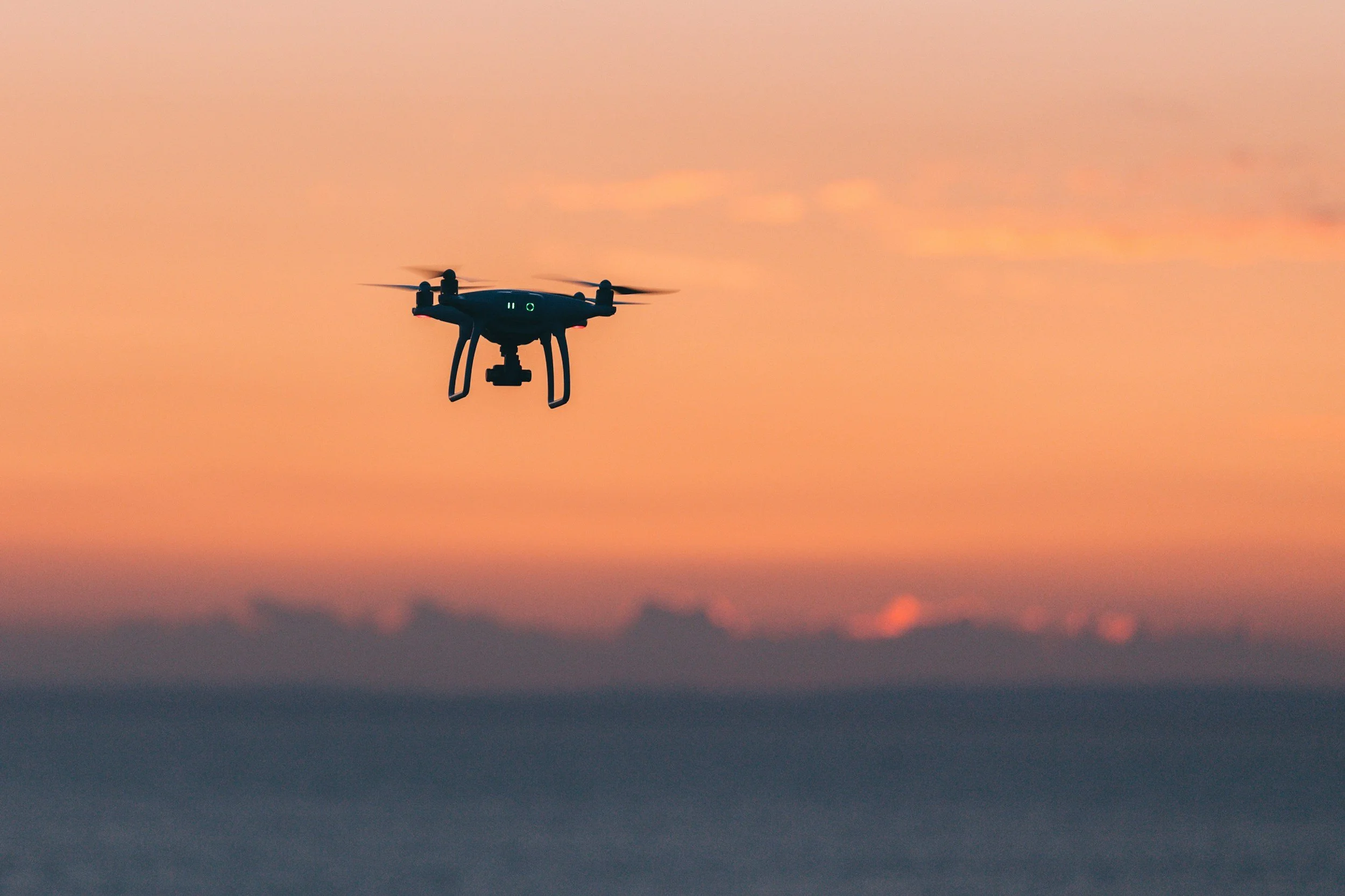
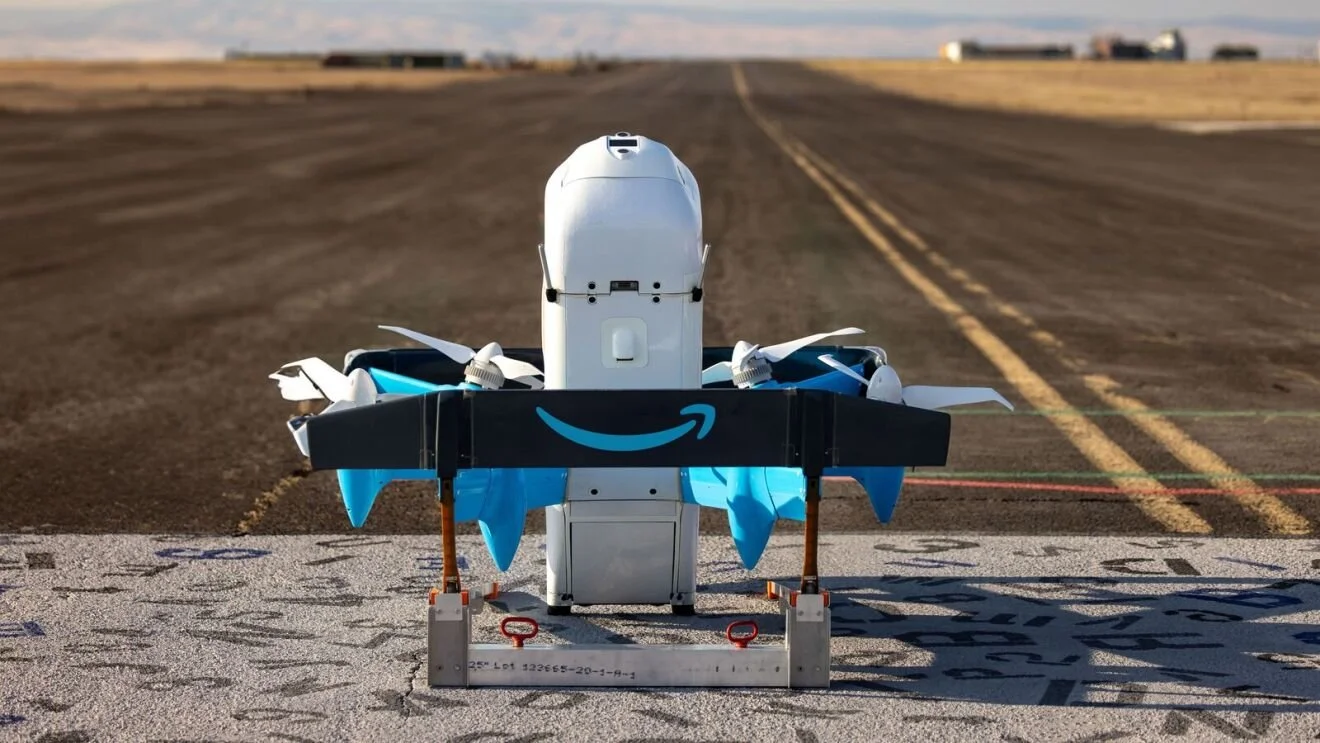
An ABC report published on 27 December 2025 describes how tourism and hospitality are increasingly blending robots, AI assistants, automation, and connected data into the visitor experience, a shift often grouped under “smart tourism”.
The article uses a recent example from Shanghai described by Mengni Fu, a PhD candidate at Griffith University, where hotel processes were handled end to end through technology: mobile check in, a porter robot delivering luggage, a digital key for room access, and an AI assistant used for in room tasks such as lights and curtains, plus nearby restaurant recommendations.
























A Concept Extended By Smart City
In the ABC piece, “smart tourism” is presented as an extension of “smart city” thinking, where large datasets from connected systems are used to understand and respond to crowd movement. ABC quotes academic Marianna Sigala describing inputs such as traffic control systems, public transport ticketing, mobile phone signals, museum ticket sales, and hotel stays, with AI used to analyse that volume of data faster and in real time.
ABC also describes destinations using apps to communicate with tourists, suggesting different routes, attractions, and visit times to help manage heavy visitor volumes.





















Not Everyone Wants “Zero Humans”
ABC links the push for automation to the everyday frictions of travel, and it points readers to a McKinsey and Co travel industry article that argues technology can ease “typical travel pain points such as queues, misunderstandings, or misinformation” while making the remaining human interactions more meaningful.
At the same time, the ABC report suggests consumer comfort is uneven. Fu told ABC her research surveying more than 1,000 people found many respondents preferred technology to replace tasks rather than workers, while job security fears were stronger among Australian respondents.

















The Trip Planning Battleground
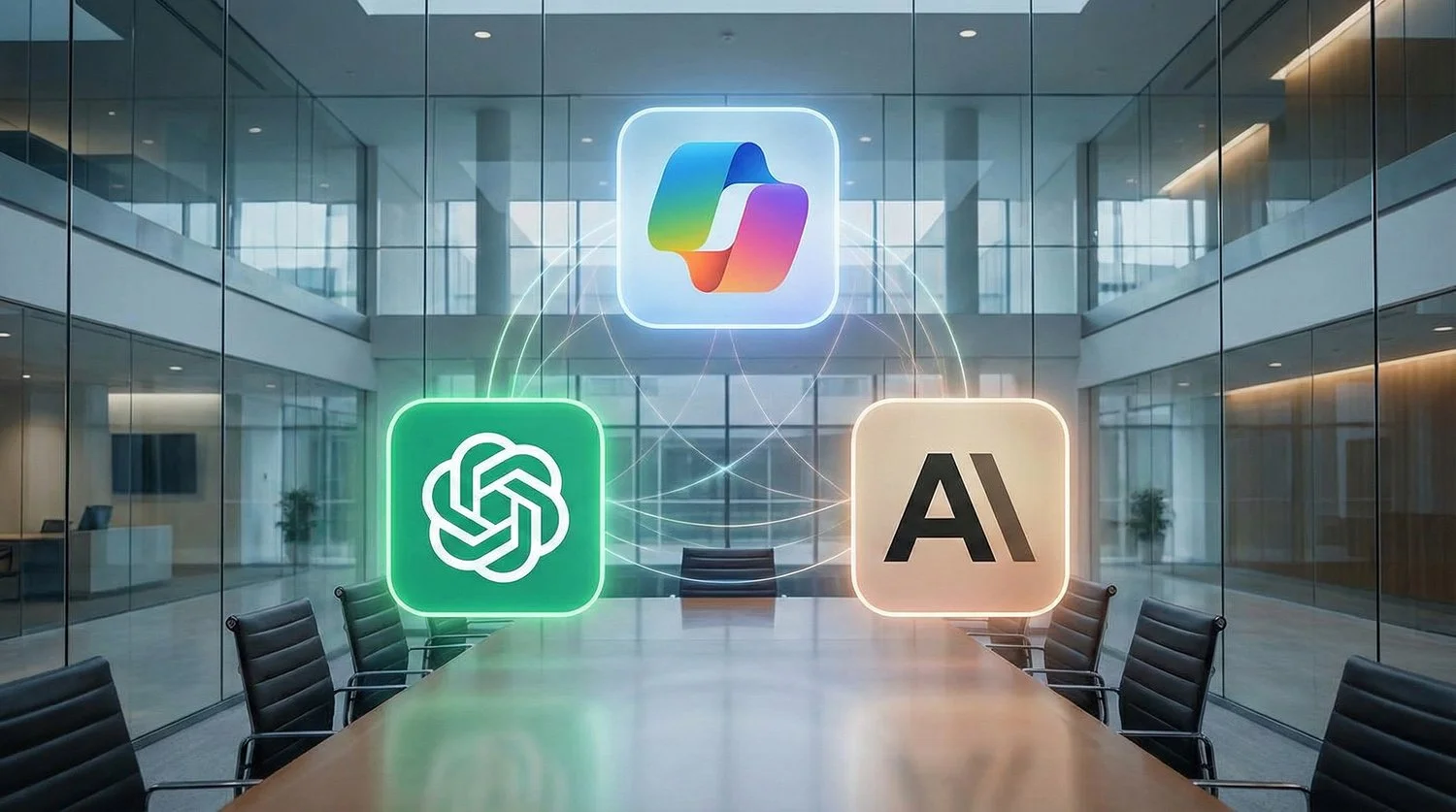
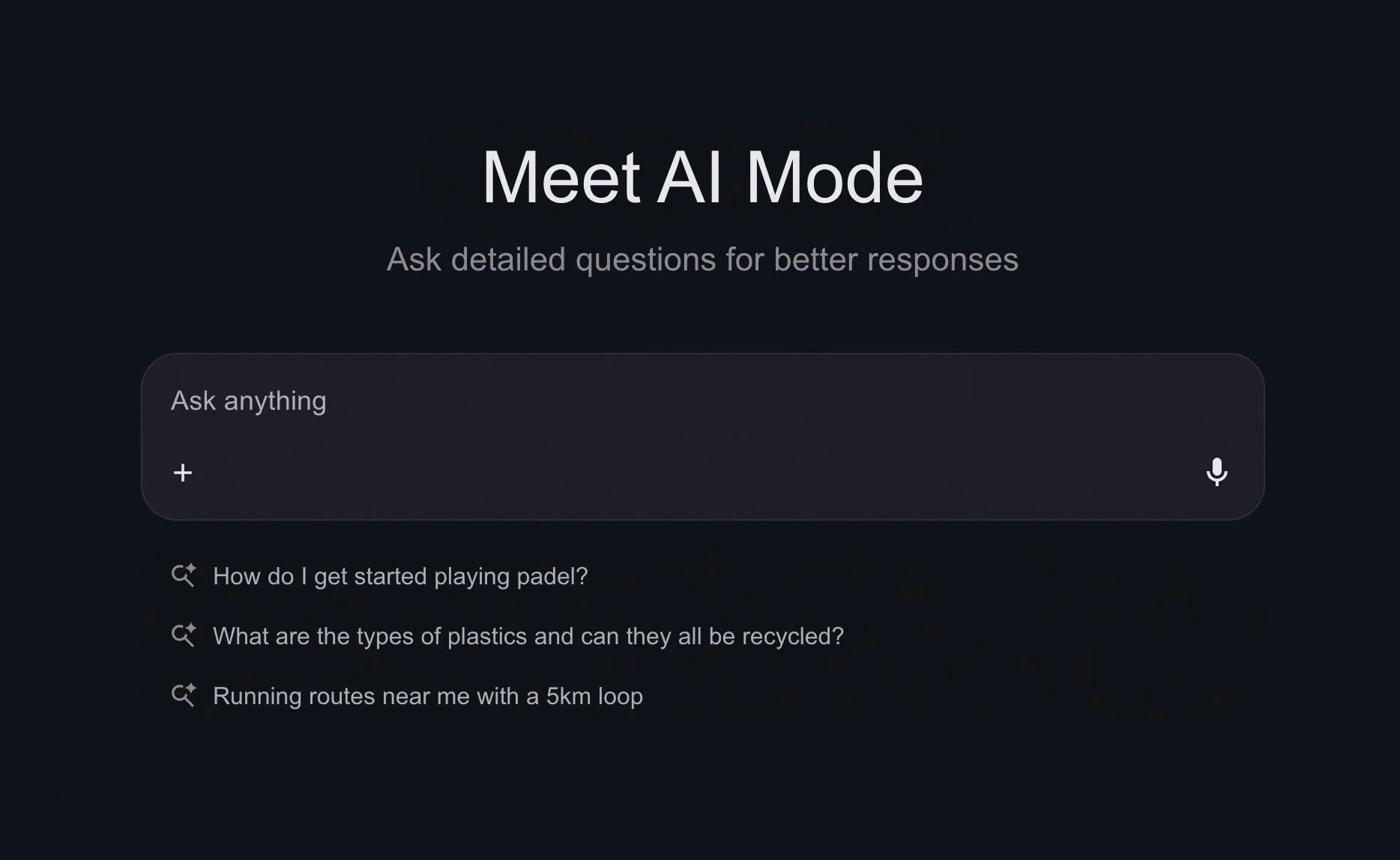
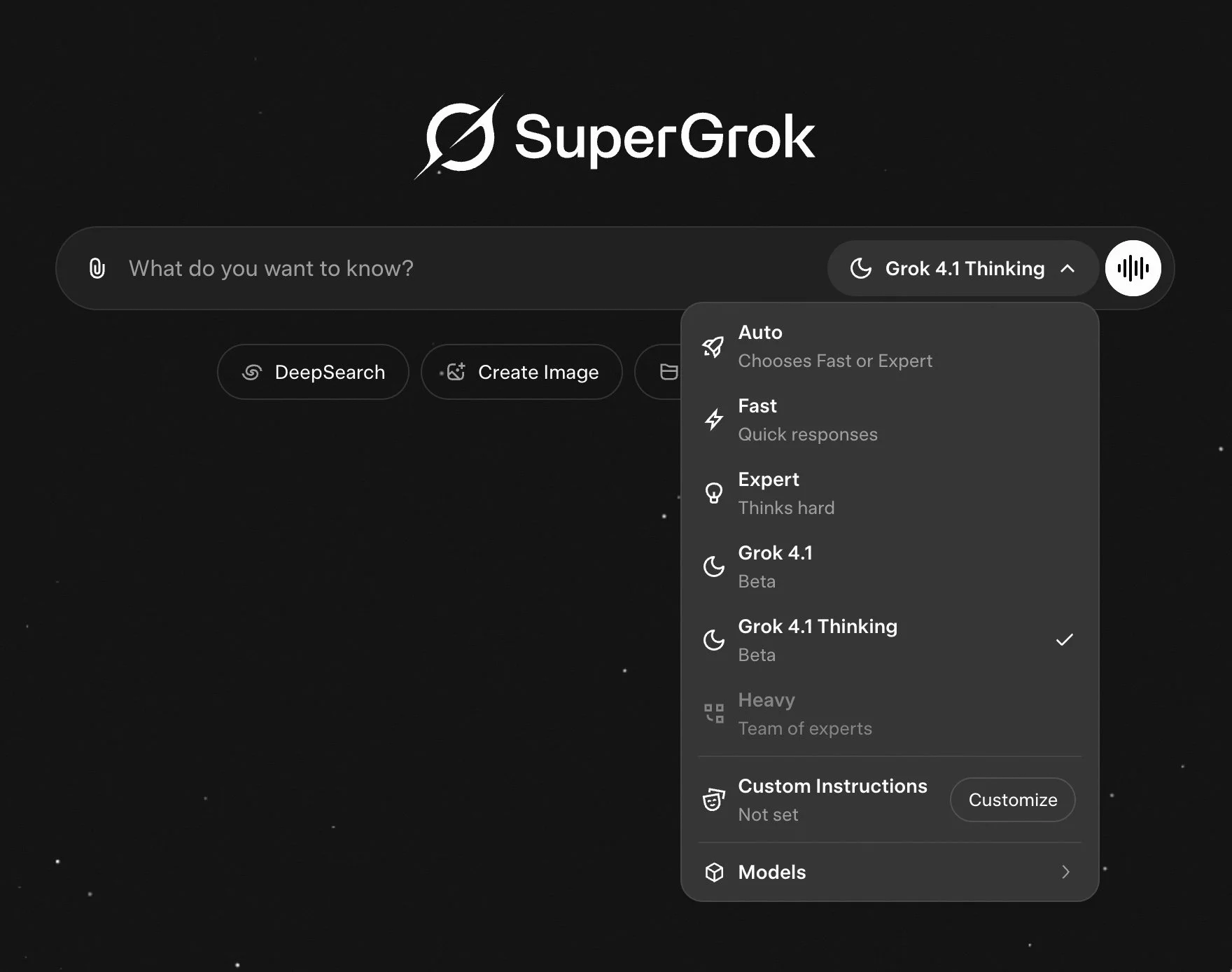
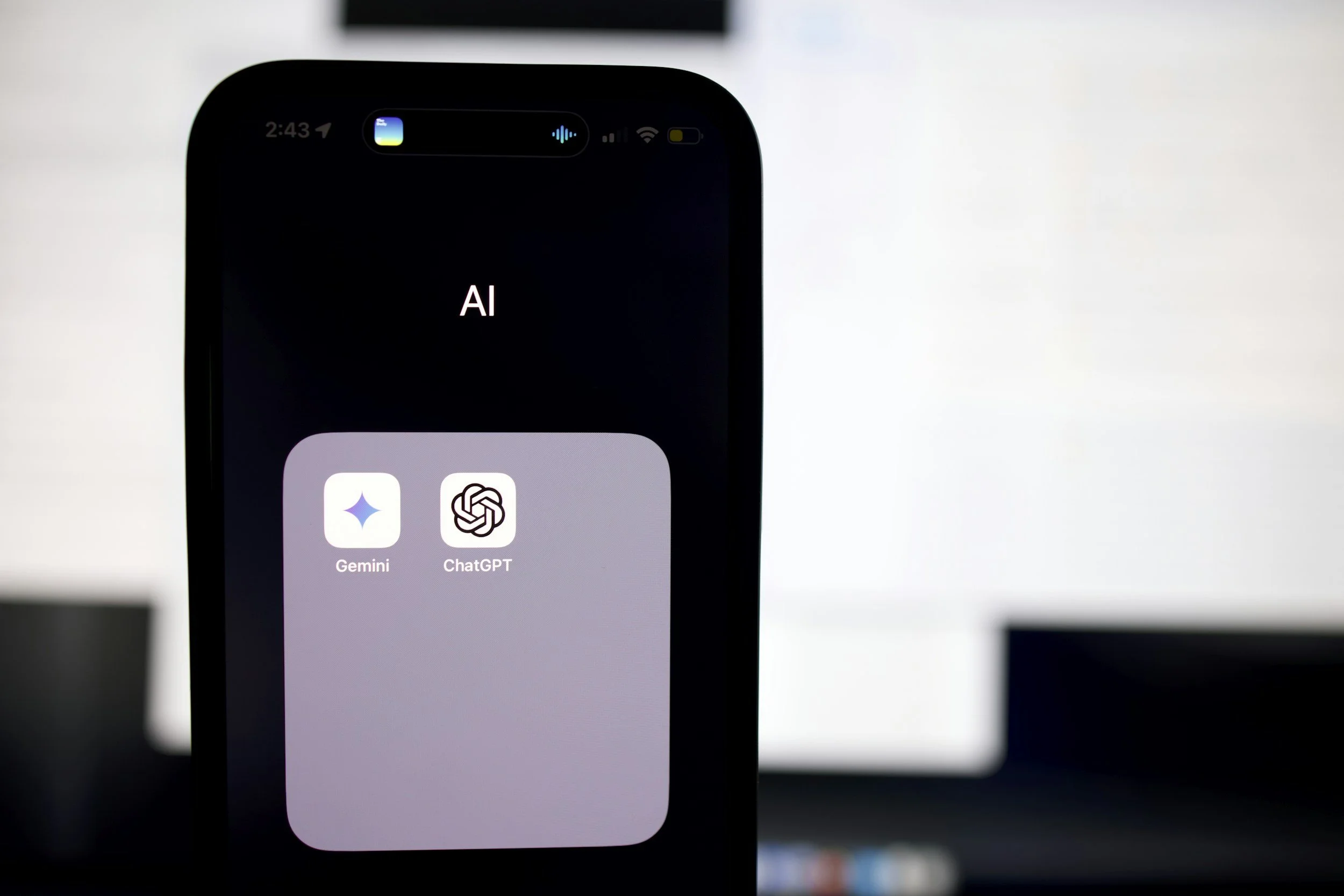
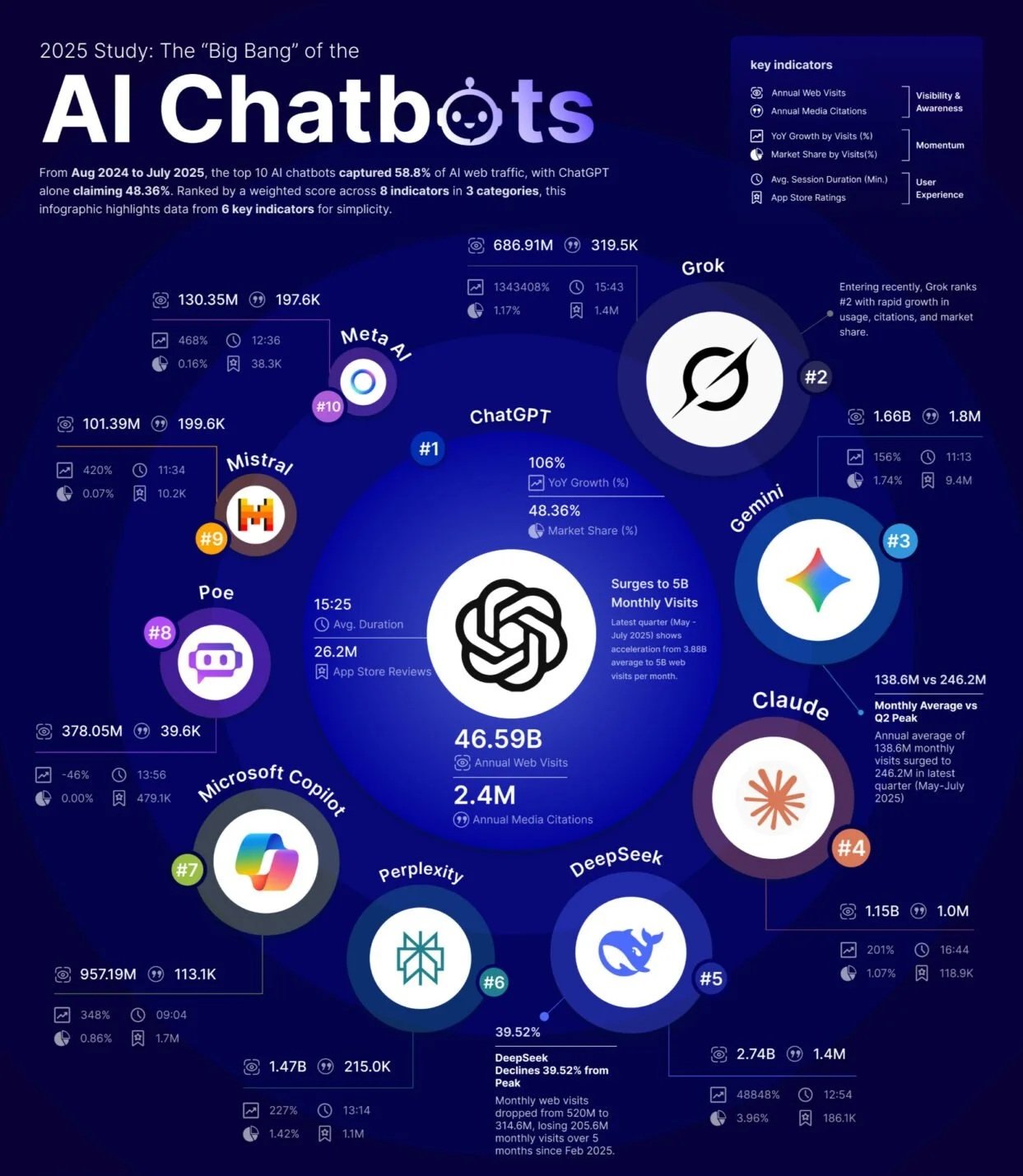
ABC notes more people are using large language model based chat tools for holiday planning and it mentions ChatGPT and Tripadvisor’s trip planning product. That aligns with how major travel platforms have been evolving their interfaces over the past few years.
Tripadvisor announced an AI powered itinerary generator for its Trips planning product in July 2023, and its “My trips” page now explicitly says travellers can “use AI to get custom recommendations”. Booking.com launched an AI Trip Planner beta in June 2023 and later said the tool expanded to markets including Australia via the mobile app. Expedia launched a ChatGPT powered in app trip planning experience in April 2023. Kayak launched “AI Mode” in October 2025, describing it as natural language search that combines Kayak’s data with ChatGPT.
Taken together, these moves show the AI layer becoming less of a separate chatbot and more of a front door into booking inventories, reviews, maps, and itinerary tooling.

























ChatGPT Was “Killing” Small Tour Businesses
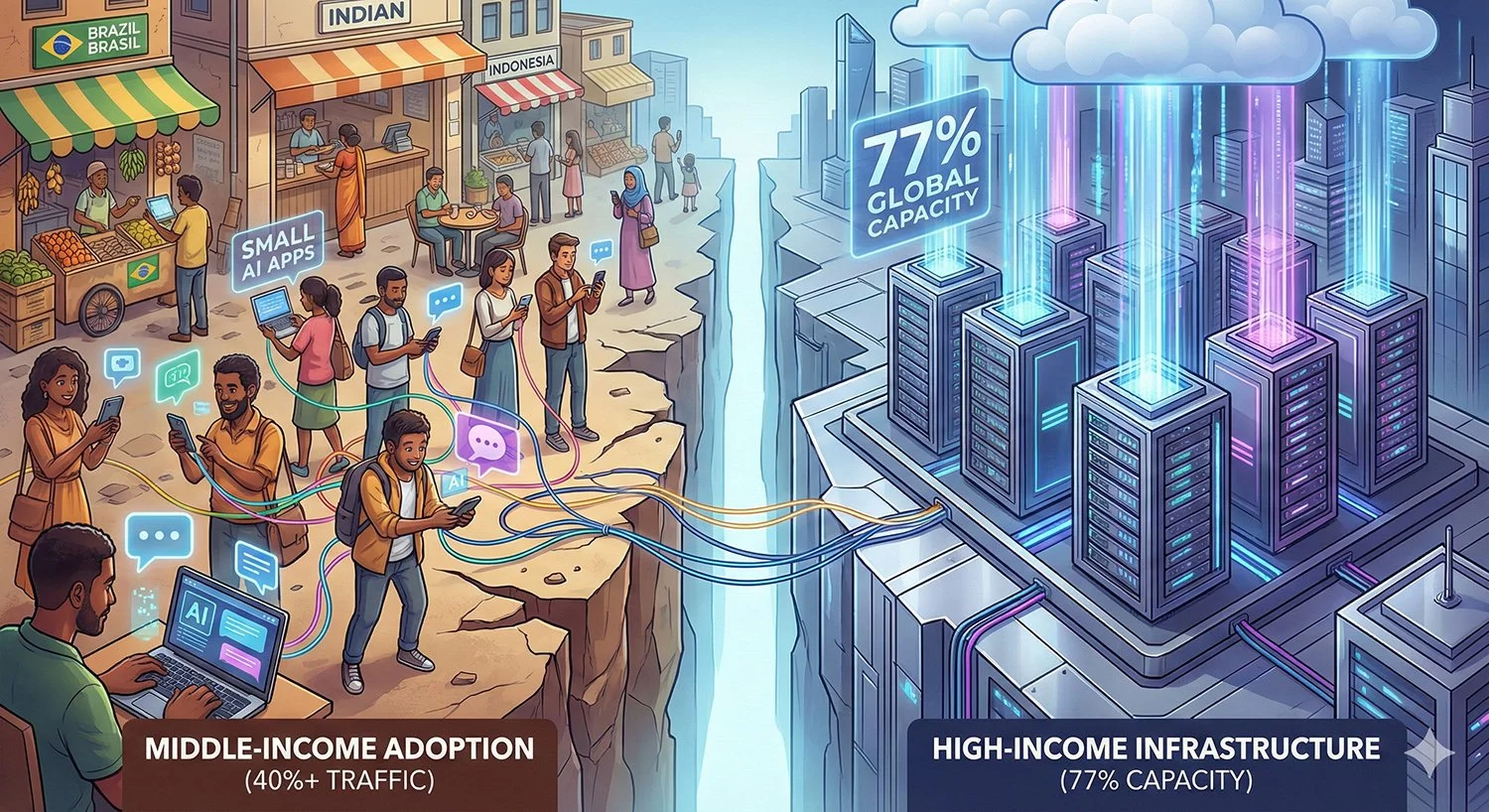
One tension highlighted by ABC is the risk that generative AI can concentrate attention on a smaller set of sources. ABC reports that the Norwegian tour business Guide to Lofoten posted on Instagram claiming ChatGPT was “killing” its small business, saying fewer people were visiting its website and that income and visibility were being affected.
That claim is not proof of a general market outcome, but it is a clear example of the distribution question: if travellers get their plan from a summary, local operators may need new ways to be discoverable inside the systems that generate those summaries.






















AI Assisted Crowd Management
For a broader comparison, an Associated Press report in November 2024 described the Vatican and Microsoft unveiling an AI supported digital twin of St Peter’s Basilica, built using 400,000 high resolution photos collected over four weeks, with goals that included managing visitor flows and identifying conservation issues. The project also introduced reservable entry times, showing how digital interfaces can be used to smooth demand in high traffic places.






































 TheDayAfterAI News
We are a leading AI-focused digital news platform, combining AI-generated reporting with human editorial oversight. By aggregating and synthesizing the latest developments in AI — spanning innovation, technology, ethics, policy and business — we deliver timely, accurate and thought-provoking content.