
Google Translate Adds Live Headphone Translation Powered by Gemini

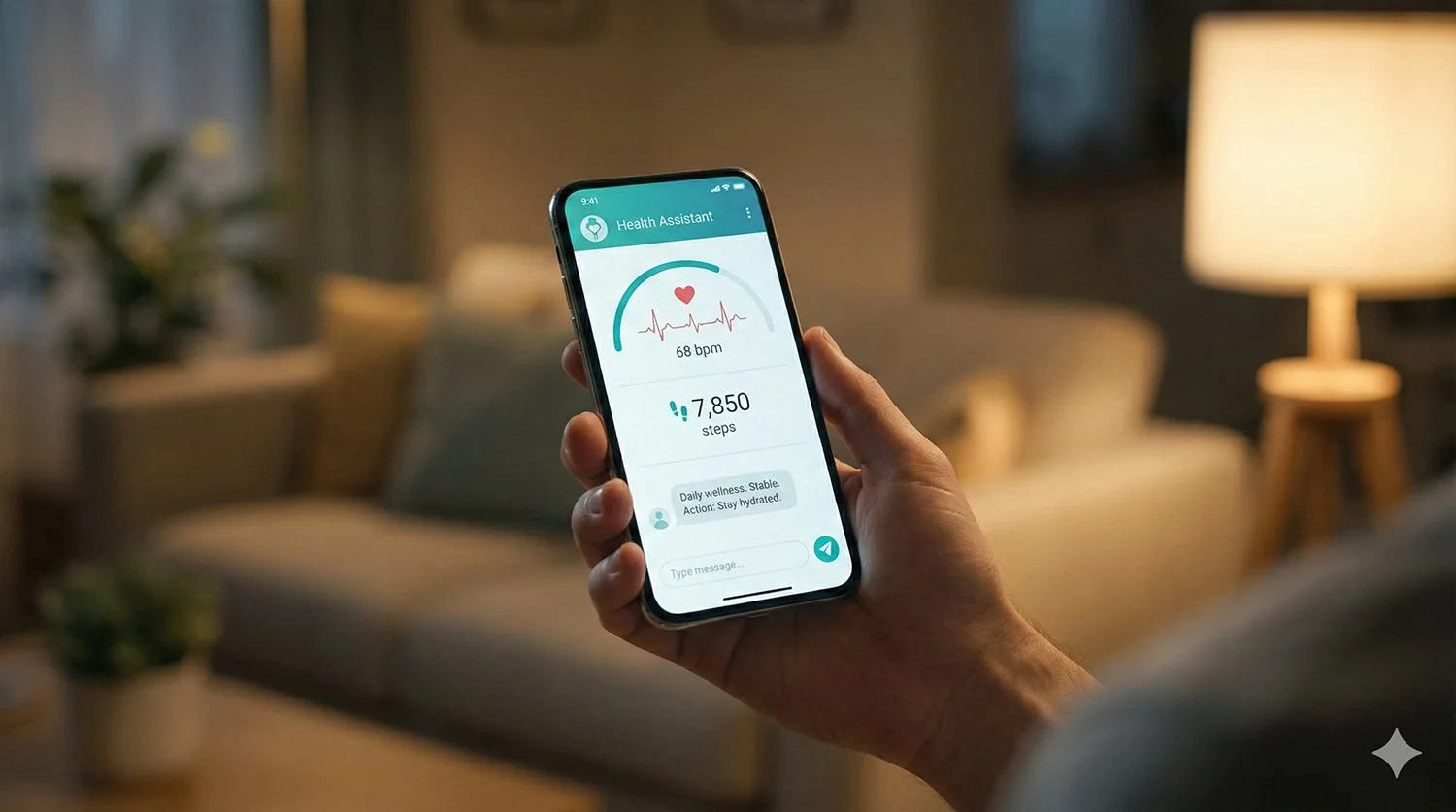
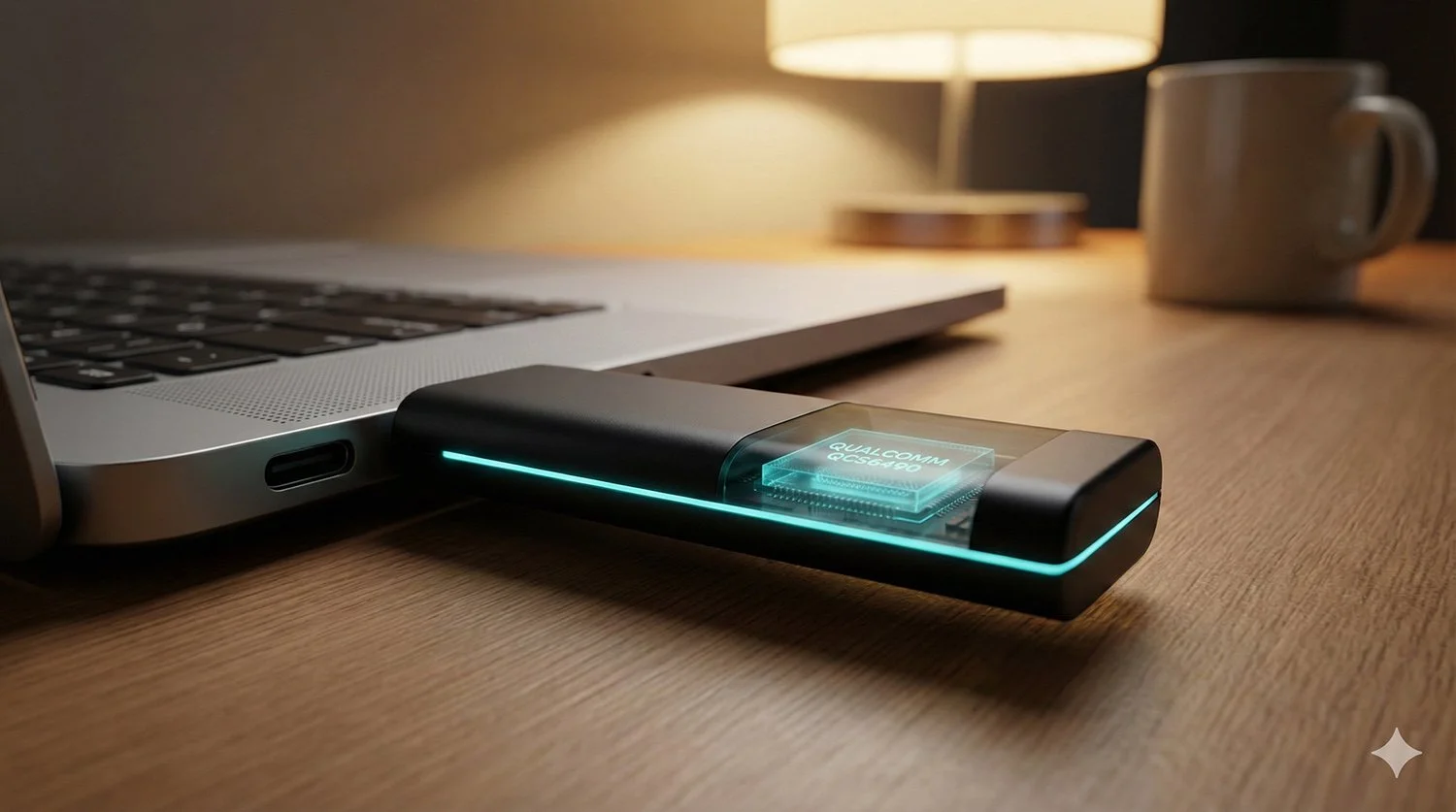
AI-generated Image for Illustration Only
(Credit: Jacky Lee)
Google has announced a new beta feature in the Google Translate app that lets users hear real time translations through headphones while someone else speaks. The update is positioned as part of Google’s broader effort to use Gemini’s speech and language capabilities to make translation sound more natural and easier to follow in everyday situations.


















What Google Launched
The new feature is described by Google as live speech to speech translation with headphones. In practice, it is designed to translate a speaker’s voice into the listener’s chosen language and play the translated audio in the listener’s headphones. Google says the goal is to preserve tone and emphasis better than older, more literal approaches.























Availability and Where It Matters for Australia
As of 15 December 2025, Google’s documentation says the headphone experience is available only on Android and only to users located in the United States, India, and Mexico. Google also says it plans to expand to iOS and more countries in 2026, but it has not listed Australia in the current availability.


























How It Works in The Translate App
Google’s help documentation sets out a simple flow: connect headphones to an Android phone or tablet, open the Translate app, tap Live translate, choose “Their language” and “Your language” then start listening.
The feature includes three modes:
Listening mode for continuous listening and translation to your headphones
Conversation mode for two way back and forth translation
Silent mode for on screen text without audio output
























Language Support and Practical Limits
Google states the headphone feature supports more than 70 languages, with supported languages listed in its help documentation. Like other machine translation systems, it is likely to be strongest for clear speech and common language pairs, and less reliable with heavy background noise, overlapping speakers, or highly specialised jargon. Google’s own materials focus on usability and supported languages rather than making absolute accuracy claims.


























The Gemini Upgrade Beyond Headphones
Alongside the headphone feature, Google says it is upgrading text translation quality using Gemini, targeting nuance such as idioms, local expressions, and slang. Google describes this as rolling out first in the United States and India, translating between English and nearly 20 languages across Android, iOS, the web, and Search translation surfaces.
Google also references leading performance on the WMT25 machine translation benchmark as part of its rationale for calling the approach state of the art, though it does not provide detailed breakdowns in the announcement post itself.

























Competitive Context: The Same Destination, Different Product Choices
Apple’s current documentation places Live Translation inside Apple Intelligence experiences across Messages, Phone, FaceTime, and AirPods, with language models downloaded to the device and processing performed on the iPhone. This is a tightly integrated approach that depends on Apple’s ecosystem and supported hardware.
Samsung’s Live translate is marketed mainly around phone call translation on Galaxy AI capable devices, with requirements such as language packs and a note that translation may not be accurate, and with availability varying by model, region, and language.
Microsoft Translator has long offered multi device translated conversations where participants join a shared session and receive translations on their own devices, which is closer to a meeting style workflow than an always on headphone listening experience.






















What to Watch Next
Google’s decision to emphasise “any brand of headphones” signals an attempt to make live translation less dependent on premium earbuds and more like a standard smartphone capability. The current limitation is rollout scope: for now it is a beta feature restricted to a small set of countries, so Australians looking for this specific headphone experience will need to wait for Google’s promised 2026 expansion.












































 TheDayAfterAI News
We are a leading AI-focused digital news platform, combining AI-generated reporting with human editorial oversight. By aggregating and synthesizing the latest developments in AI — spanning innovation, technology, ethics, policy and business — we deliver timely, accurate and thought-provoking content.