
Bill Gates & OpenAI Launch $50M "Horizon1000" Medical AI Pilot in Rwanda
Image Credit: Levart | Splash
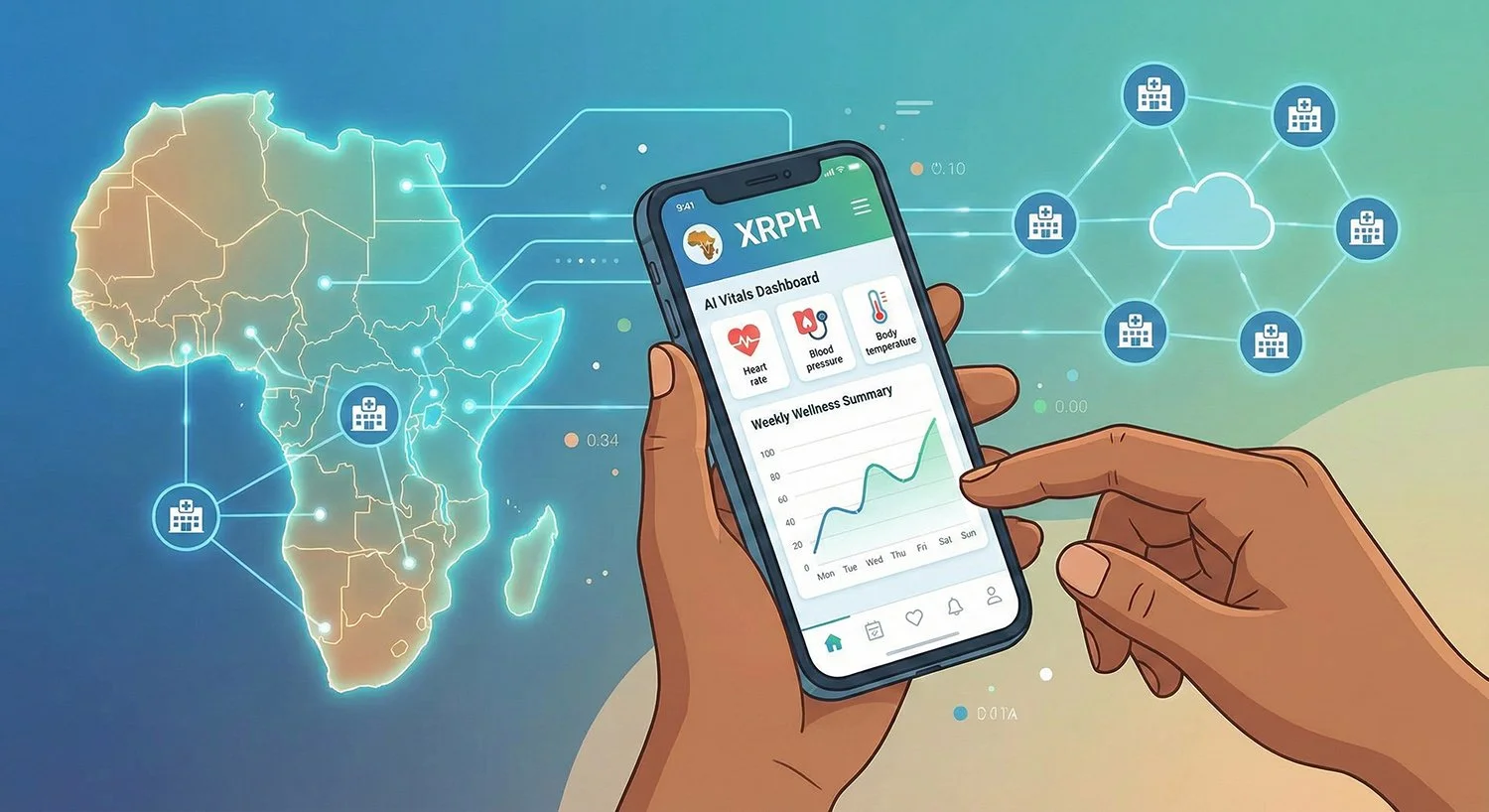
A new Gates Foundation and OpenAI partnership called Horizon1000 has been announced to support the use of medical AI in primary healthcare clinics across several African countries, starting with Rwanda. The partners say the program’s goal is to reach 1,000 primary healthcare clinics and surrounding communities by 2028, with a US$50 million commitment that includes funding, technology, and technical support.



























What Was Announced
Reuters (21 Jan 2026, Davos) reports the partnership is positioned as a practical response to health system constraints and recent aid pressures, and that it will “work with African leaders” on deciding where AI fits best, beginning in Rwanda. Reuters also reports Bill Gates said early focus areas are likely to include care for pregnant women and HIV patients.
The Associated Press (22 Jan 2026) reports Rwanda will test AI powered technology in more than 50 clinics, and describes the funding as US$50 million over two years. AP also frames the tools as intended to support clinical judgement rather than replace it.
























Why Rwanda First
Reuters notes Rwanda established an AI health hub in Kigali last year, which helps explain why it is being treated as the initial launch pad.
AP adds the very real operational driver: Rwanda is working with a stretched workforce and reports a ratio of one health care worker per 1,000 patients, compared with a “globally recommended” ratio of about four per 1,000. In other words, even a modest reduction in admin load per consultation could matter, if the tools are safe and usable.



























How the Medical AI is Expected to be Used
Based on Reuters and Gates’ own write up, the intended use is less “AI diagnoses your illness” and more workflow support across the care journey:
Before the clinic visit: Reuters reports Gates expects AI could provide guidance to patients before they arrive, especially where language differences make communication harder.
At the clinic: Reuters reports AI is expected to reduce paperwork and help link patient histories and appointments more effectively. Gates also told Reuters he expects visits could become faster and better quality, but that remains an aspiration rather than an independently verified outcome.
Documentation and summaries: Gates describes a pattern already familiar in higher income health systems: tools that transcribe and summarise visits, then help with follow up paperwork, so clinicians can spend more time with patients.




















Why This is Happening Now
Reuters links the timing to two converging pressures:
Workforce shortages. Reuters cites an estimate of around six million missing health workers in sub Saharan Africa.
Tighter aid budgets. Reuters reports Gates argued international aid cuts were followed by the first rise in preventable child deaths this century, and also reports a Gates Foundation estimate that global development assistance for health fell by just under 27% last year compared with 2024.
The IT takeaway is straightforward: when systems are under load, the first AI deployments that get political and operational support are often the ones that promise throughput and consistency, not the ones that try to replace clinicians.





















Deployment Risks That will Decide Whether it Works
Language and usability: AP reports local concerns that many AI tools operate primarily in English, which is not widely spoken in Rwanda. AP quotes a local digital leader warning that lack of Kinyarwanda support would be a serious barrier, and notes efforts to develop AI technologies in Kinyarwanda.
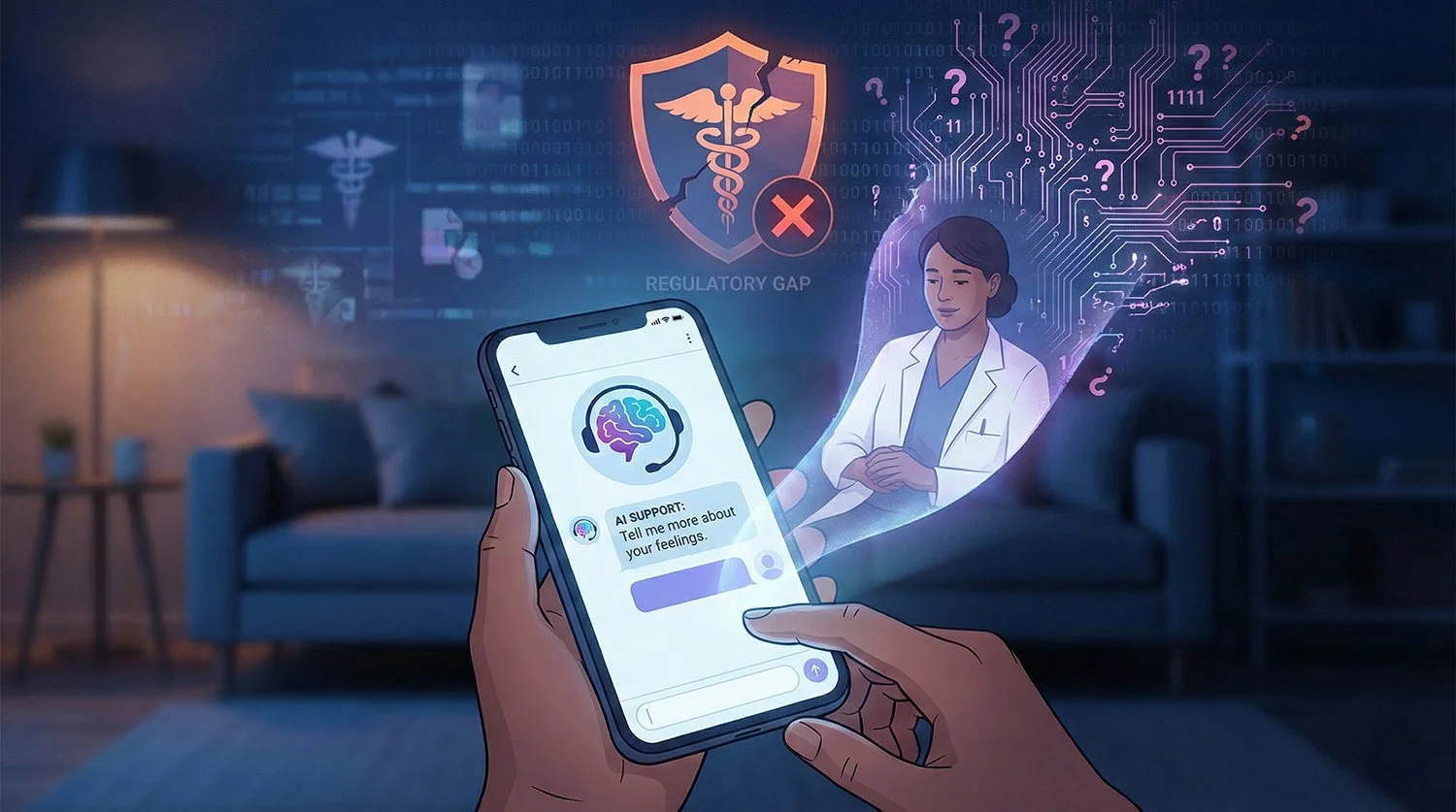
Safety, governance, and accountability: The World Health Organization has published guidance on the ethics and governance of generative AI for health, including large multimodal models, emphasising the need for oversight and controls as these systems move into real clinical settings. For Horizon1000, the credibility test will be whether pilots clearly define: what the tool does, what it must not do, how errors are handled, and what monitoring is in place.



























Other Similar Medical AI Rollouts
In England, NHS England has published a national registry of 19 suppliers for “ambient voice” tools that capture clinician patient conversations and generate transcriptions and clinical summaries, with claimed time savings of two to three minutes per consultation, alongside requirements around clinical safety and data protection.
Horizon1000 appears to be pursuing a related productivity logic, but in a lower resource context where language coverage, connectivity, and governance capacity can be more variable. That makes local adaptation and evaluation less optional, and more the main event.



















License This Article











 TheDayAfterAI News
We are a leading AI-focused digital news platform, combining AI-generated reporting with human editorial oversight. By aggregating and synthesizing the latest developments in AI — spanning innovation, technology, ethics, policy and business — we deliver timely, accurate and thought-provoking content.