
ElevenLabs Releases "The Eleven Album" to Showcase Creator-Controlled AI Music
Image Source: Eleven Labs
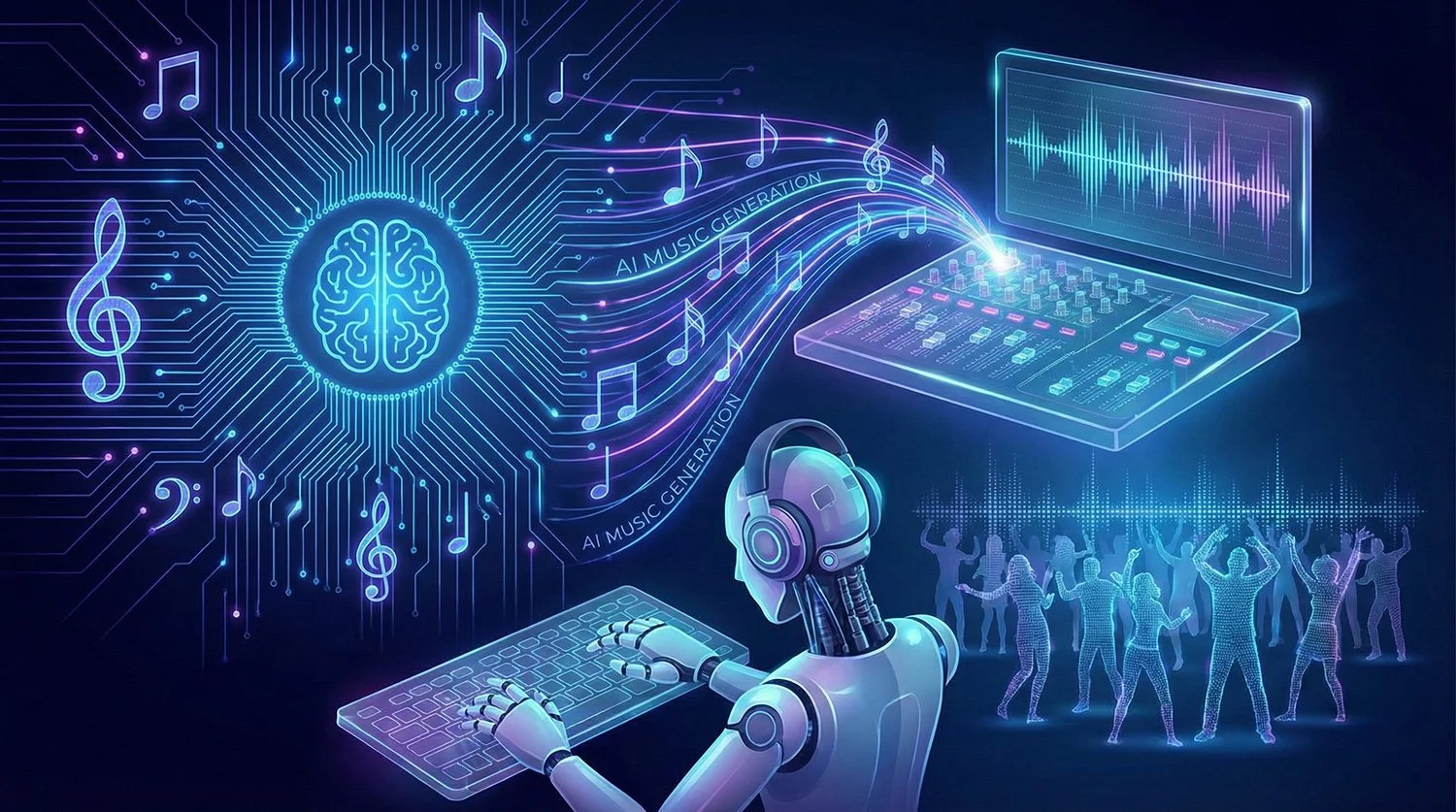
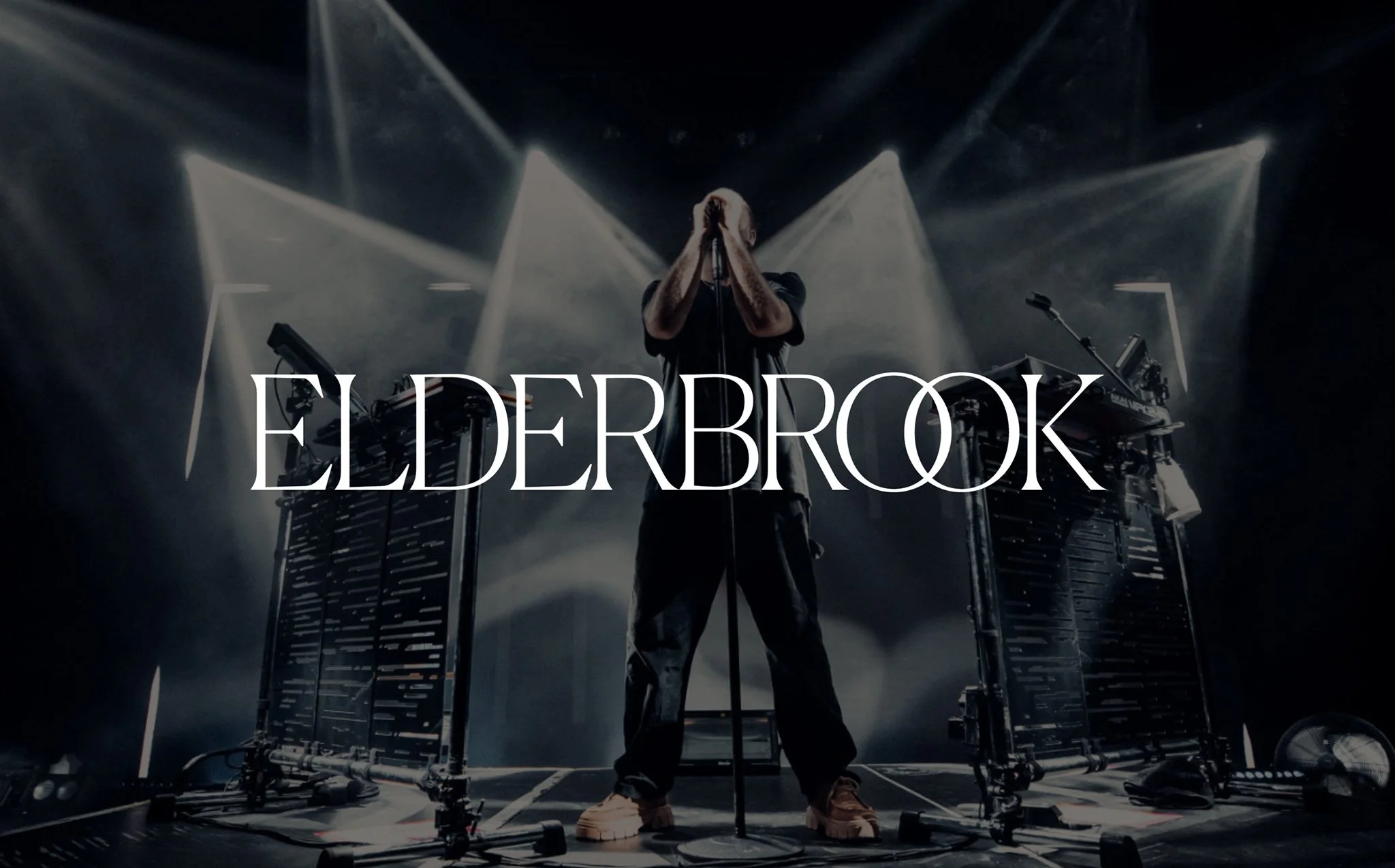
On 21 January 2026, ElevenLabs released The Eleven Album, a compilation intended to showcase its generative music model, Eleven Music, through collaborations with a mixed lineup that includes Liza Minnelli, Art Garfunkel, Michael Feinstein, and several producers and creators.
The company’s framing is that the project demonstrates artists using AI as a production and ideation tool while keeping authorship and commercial rights with the creator. Reporting on the release likewise describes it as a product demonstration for ElevenLabs’ music generator, rather than a conventional label driven album campaign.




















The Creator Rights Pitch
ElevenLabs says the tracks are “fully original” compositions created in collaboration with participating artists, with the intent of showing a workflow where human creative direction remains central.
Independent coverage has commonly used wording like “AI generated songs” or “co created” to describe the same outcome. In practice, these can both be true depending on what you emphasise: the tracks are produced using an AI generation system, but the project is structured around invited creators making the final artistic decisions.
A key commercial claim reported by The Verge is that each participating artist retains ownership of their work and receives 100 percent of streaming revenue for their track. That is a strong differentiator in a market where AI music tools are often criticised for unclear provenance and weak creator compensation.






























Eleven Music plus the Iconic Marketplace
The album sits alongside two adjacent ElevenLabs initiatives:
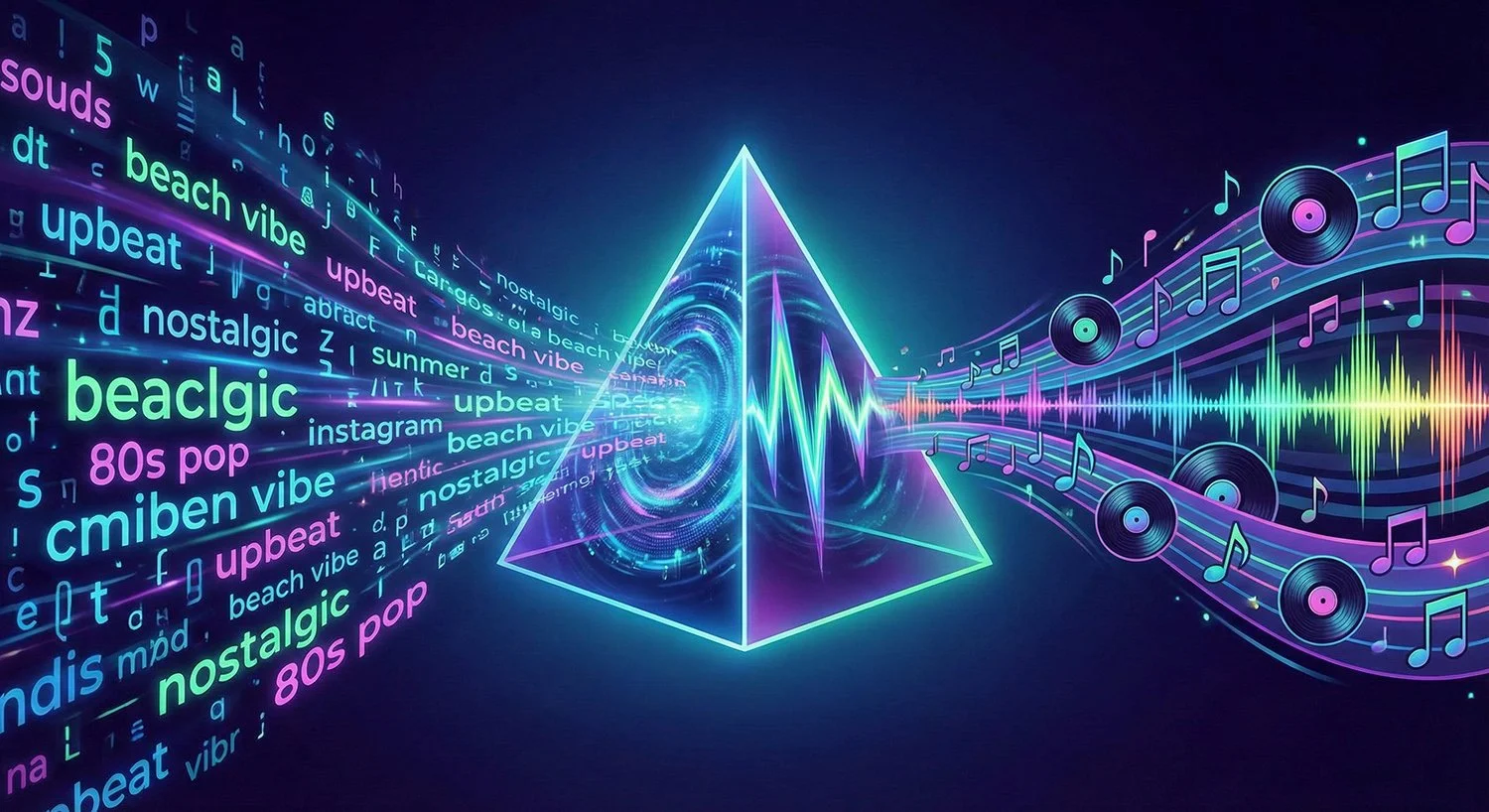
Eleven Music: ElevenLabs’ model and product surface for generating full compositions from prompts, positioned for both creator use and developer integration via API.
Iconic Marketplace: a permission based marketplace that ElevenLabs describes as connecting requesters with relevant rights holders for licensed use of “iconic talent” and related intellectual property, with ElevenLabs acting as an intermediary. ElevenLabs’ album announcement says several participating artists are also on the Iconic Marketplace.
This matters because ElevenLabs is trying to argue for an “authorised by design” approach: instead of scraping music or voices and dealing with disputes later, it is building product rails that assume explicit permissions and defined commercial terms upfront.











Under the Hood
From a developer perspective, ElevenLabs exposes music generation through a “compose” endpoint that can take either a plain language prompt or a structured “composition plan” object for more controlled generation.
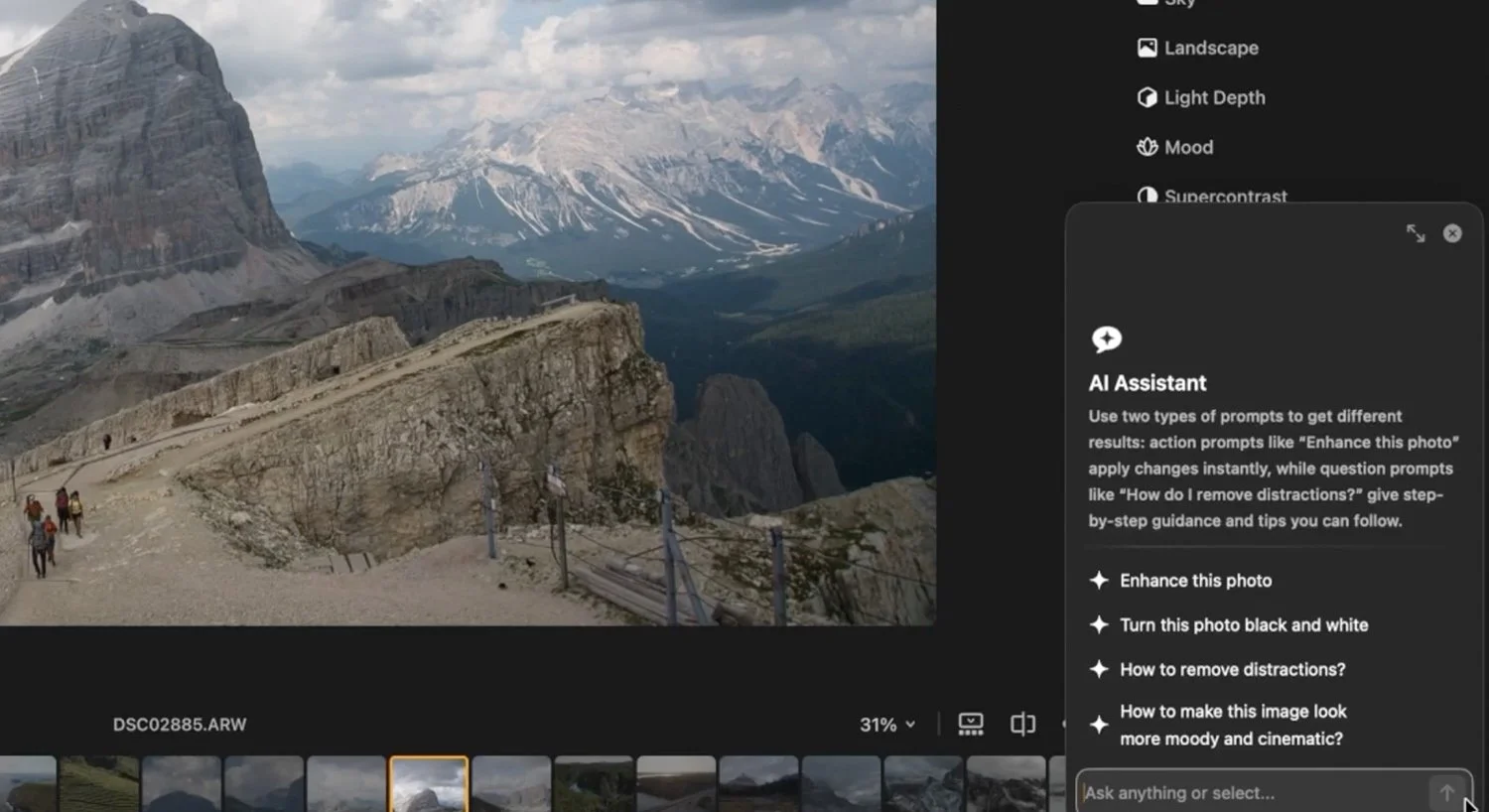
The company has also been pushing editing oriented workflows, not only “generate a song once” prompting. In early January 2026, ElevenLabs described updates that include an inpainting API designed to modify or regenerate specific sections, extend or trim passages, change lyrics, create loops, and transform style and structure.
That focus on iterative editing is important for industry implications, because it aligns AI music tools more closely with familiar production practices (draft, revise, mix) rather than a single click replacement for human composition.














Stems and Editing Controls
There are two separate places where “stems” are now documented clearly:
In the album post, ElevenLabs says Eleven Music enables users to “download up to six studio quality stems” for mixing and arrangement.
In the product update post, ElevenLabs describes a stems feature in the UI, including options for 2 stems, 4 stems, and 6 stems, and it links developers to the API endpoint.
In the API reference itself, the stem separation endpoint includes a
stem_variation_idwith allowed valuestwo_stems_v1andsix_stems_v1(withsix_stems_v1shown as the default).
So, unlike earlier uncertainty some people raised, “six stems” is not just marketing language anymore. It is explicitly reflected in ElevenLabs documentation.

















Output Formats
ElevenLabs documentation for its music product states that generated audio is provided in MP3 at 44.1 kHz with 128 to 192 kbps quality settings, and it notes that other formats are planned.
From an IT review standpoint, that is a pragmatic choice for fast distribution and broad compatibility, but it also signals that a portion of the “studio quality” promise is about workflow convenience and editability (stems, inpainting, timing control) rather than only about delivering lossless masters by default.







Licensing and Compliance
ElevenLabs’ own FAQ for Eleven Music says commercial use is available on paid plans, but it explicitly calls out exclusions, including streaming and certain enterprise distribution use cases (such as TV and radio) depending on plan.
In the Eleven Music v1 terms, ElevenLabs defines “streaming” as making outputs available on third party music streaming platforms. That definition matters because it draws a line between common creator uses (background music for content, demos, internal projects) and public distribution on streaming services.
This is part of why the album release is strategically interesting: the album itself is on Spotify, but that is a curated, project specific release with named collaborators, not the default permission set for every user on every plan.




















The Industry is Shifting from Lawsuits to Licensing
The Eleven Album lands in a period where major music companies have increasingly moved from pure legal confrontation toward licensing and partnership structures for AI music.
Examples reported by major outlets include:
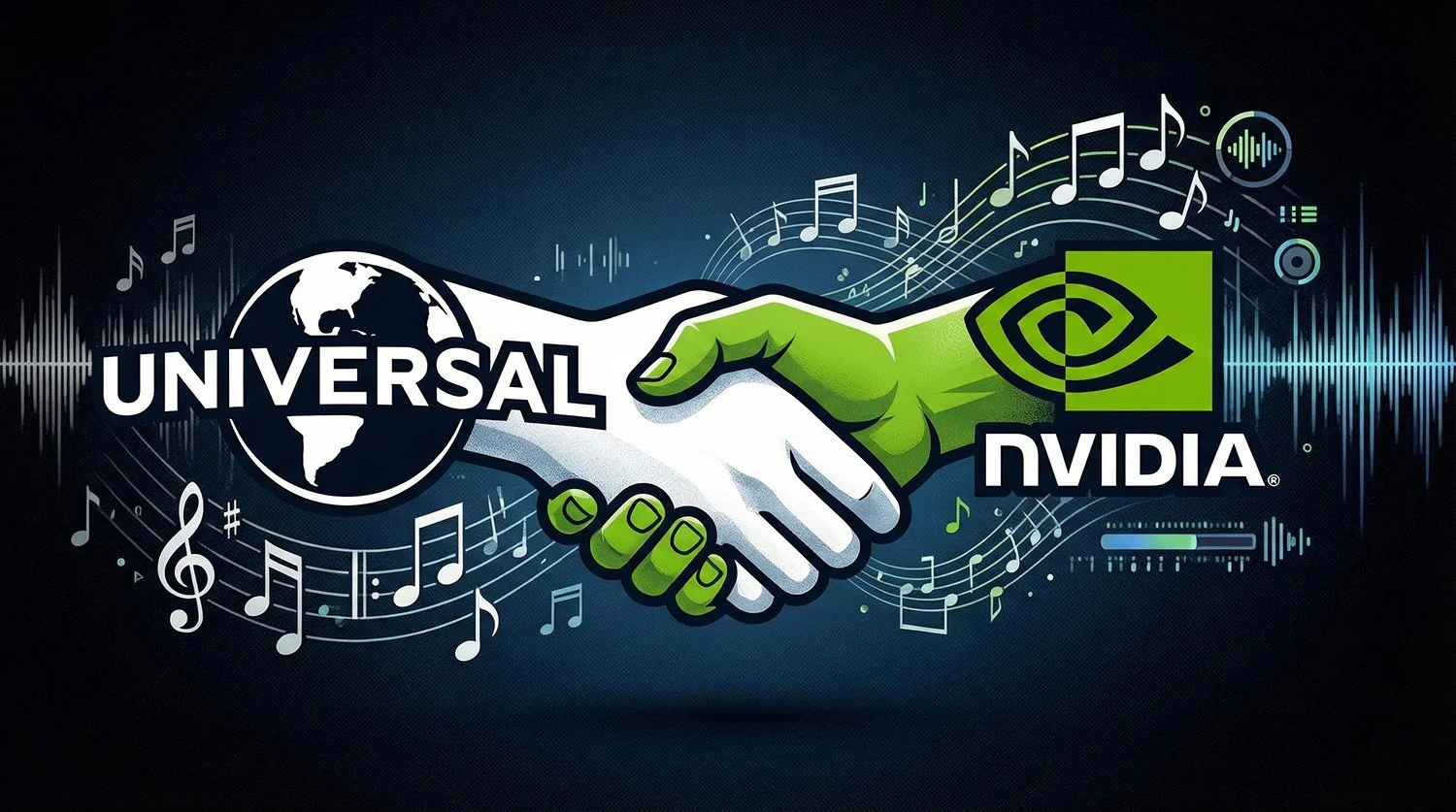
Universal Music Group and Udio settling litigation and announcing collaboration on a licensed AI music creation and streaming experience, with UMG also publishing its own announcement about the agreement.
Warner Music Group settling with Udio and planning a joint AI powered platform for 2026.
Warner Music Group settling with Suno and enabling licensed AI models, reported by Reuters.
The three major labels signing licensing agreements with Klay, reported by AP and Reuters.
In that context, ElevenLabs’ message is essentially: consent based collaboration can be a product feature, not just a legal requirement. Whether the industry accepts that framing will depend on how consistently these licensing and revenue models hold up at scale.

























What This Could Mean
For creators: The practical shift is toward AI systems that behave more like production tools than novelty generators. If inpainting, timed lyric controls, and stem separation become standard, creators may treat AI output as editable source material rather than a finished track.
For platforms and labels: The competitive frontier is moving to “licensed inputs and auditable permissions”. Deals like Klay’s label agreements, and settlements that convert disputes into licensed products, suggest rights holders want AI revenue channels that they can govern, not just block.
For consumers and trust: One long running issue is attribution and authenticity: who made this, whose voice is it, and who is paid. ElevenLabs is bundling that question into product positioning through both music generation and its rights holder marketplace approach.





















What to Watch Next
The clearest near term signal will be whether more music AI products copy this structure: named collaborators, explicit licensing language, and editing centric toolchains that look like modern DAW workflows rather than text only novelty.
The practical takeaway is simple: the “AI music” category is splitting into two tracks, open models with ongoing disputes, and licensed models built around opt in catalogues and negotiated commercial terms. The Eleven Album is ElevenLabs’ bid to be identified with the second camp.












 TheDayAfterAI News
We are a leading AI-focused digital news platform, combining AI-generated reporting with human editorial oversight. By aggregating and synthesizing the latest developments in AI — spanning innovation, technology, ethics, policy and business — we deliver timely, accurate and thought-provoking content.