
MCA Sydney’s Data Dreams: Major Exhibition Explores Art and AI
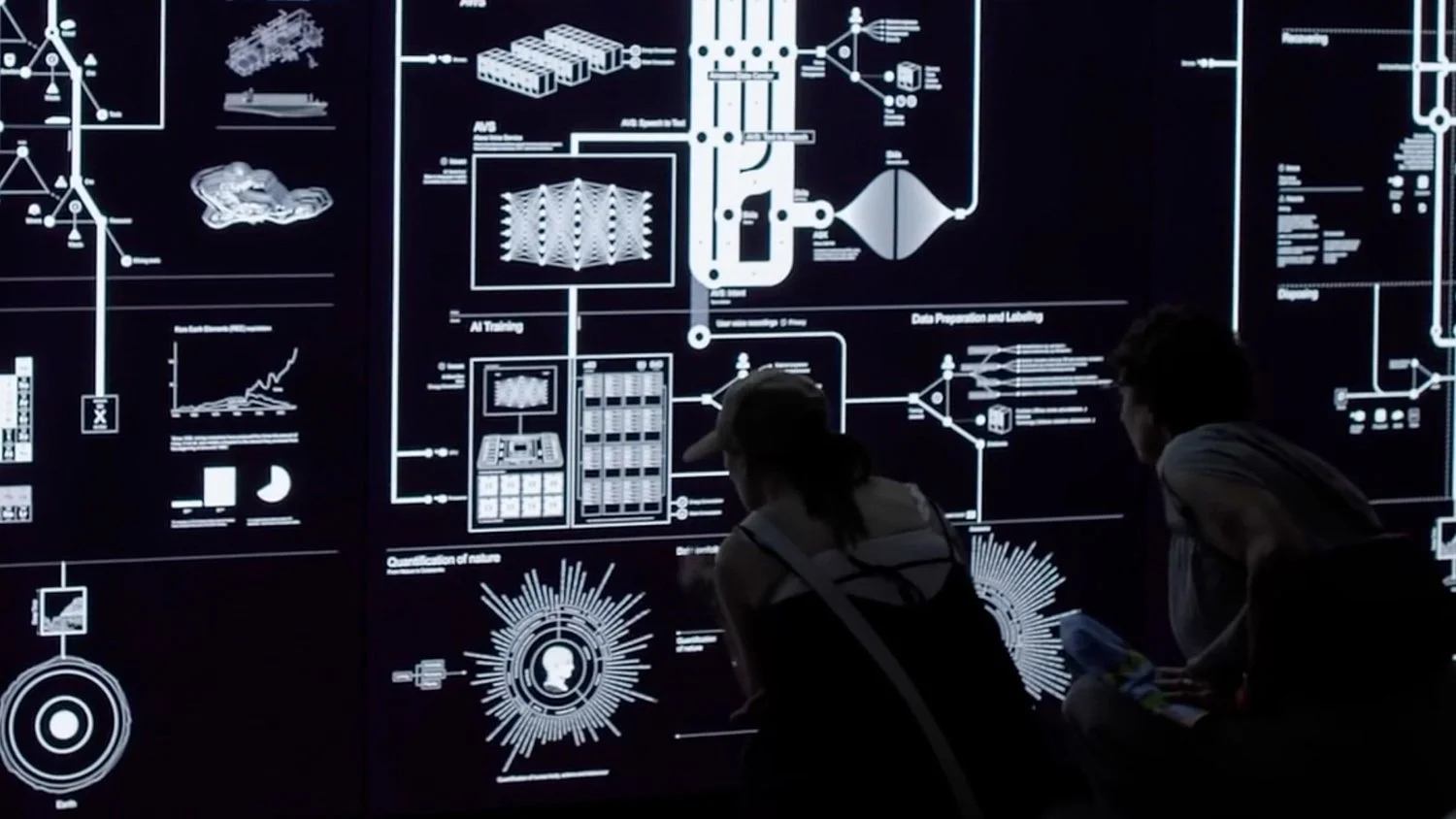
Image Source: MCA
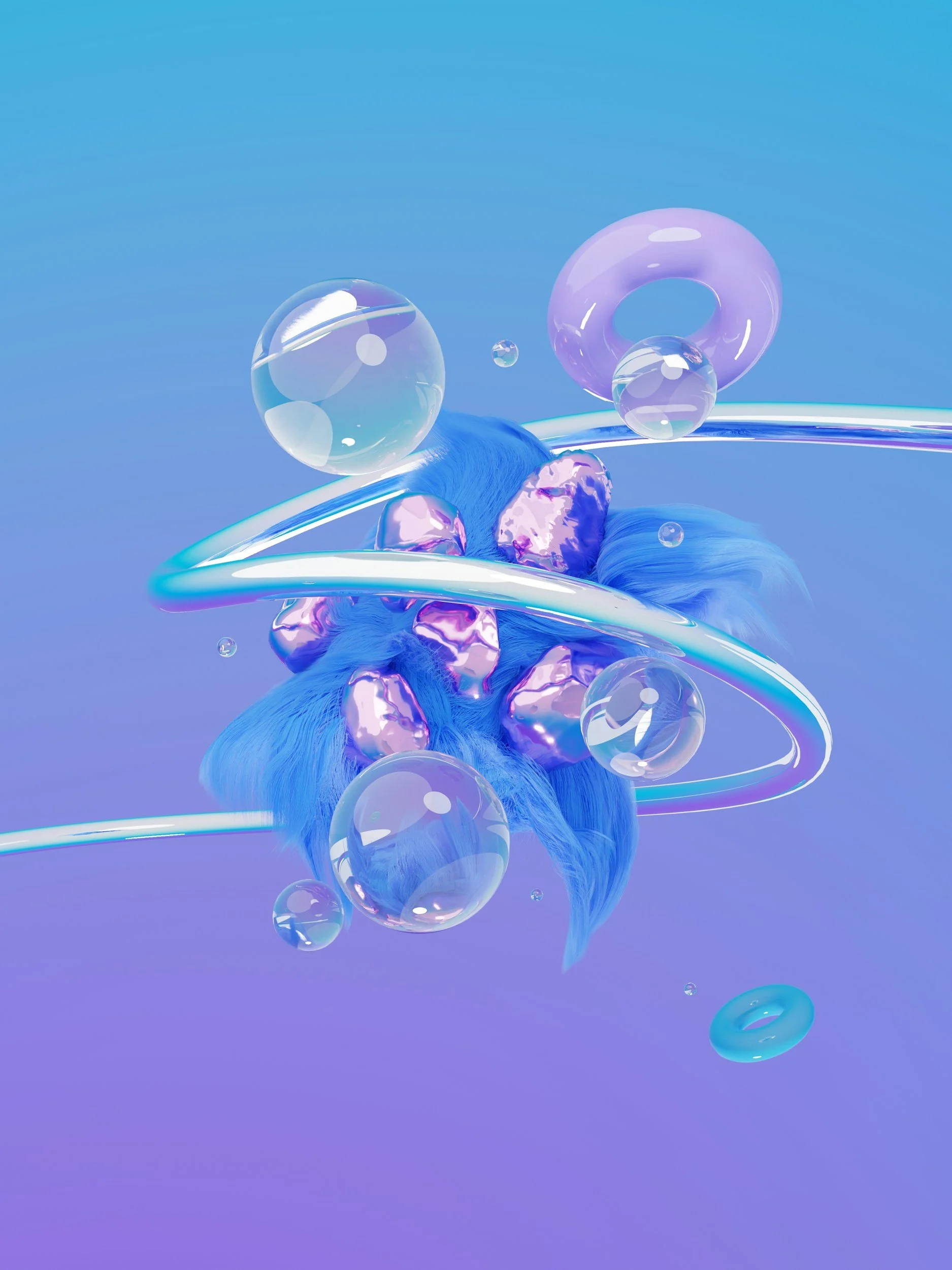
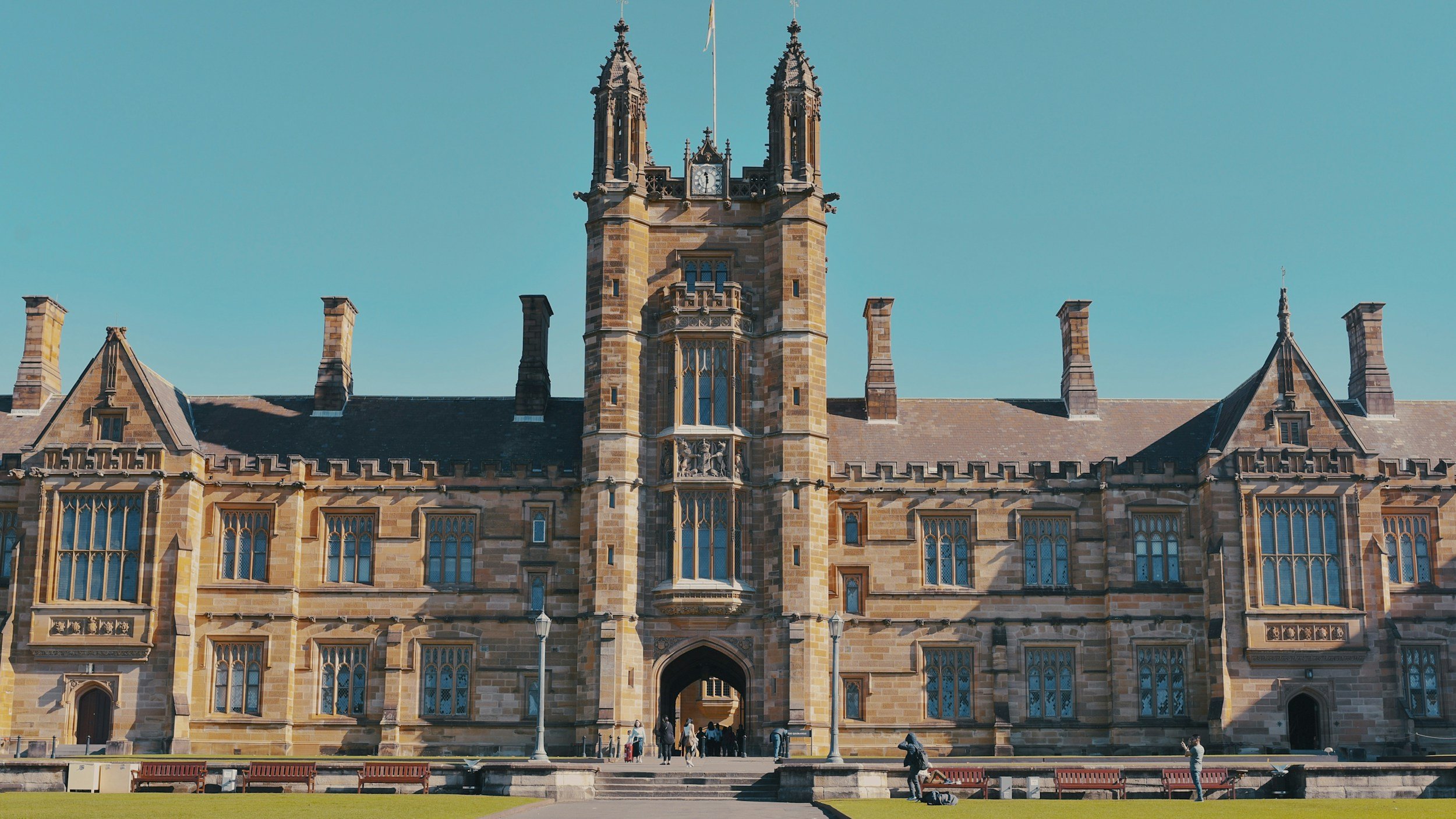
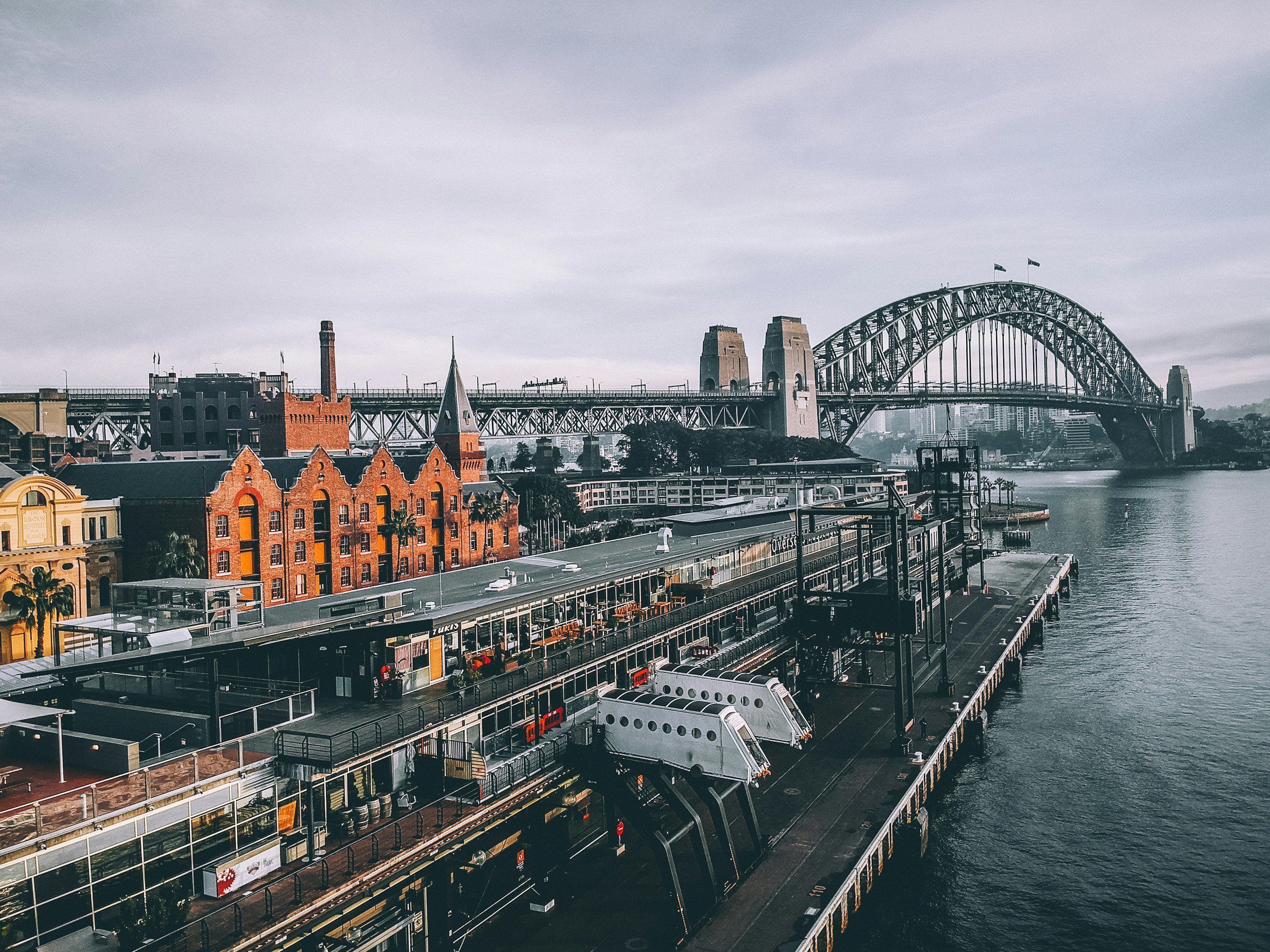
One of the most visible Australia based developments in art and AI has been renewed attention on Data Dreams: Art and AI, the Museum of Contemporary Art Australia’s major exhibition exploring how contemporary artists are working with and pushing back on AI systems. The show is on at the MCA in The Rocks, Sydney, running from 21 November 2025 to 27 April 2026.










Dreaming with Data
Data Dreams is positioned as a large scale institutional survey of artist–AI practice, framed around AI’s impact on contemporary life and creative work. It is presented as part of the Sydney International Art Series 2025 to 26, and official listings describe it as a first of its kind exhibition to be staged by an Australian institution at this level of visibility.
Rather than treating AI as a single tool, the exhibition structure treats it as a stack: data collection, model behaviour, interfaces, and downstream social effects. That matters for visual art and photography audiences because it shifts the conversation from “AI style” to “AI systems”, including where training data comes from, how outputs can be made persuasive, and what that does to trust in images.























Collaboration with Ten Artists
The MCA and partner listings describe ten participating artists, spanning Australia and international practices:
Angie Abdilla; Kate Crawford and Vladan Joler; Fabien Giraud; Lynn Hershman Leeson; Agnieszka Kurant; Christopher Kulendran Thomas; Trevor Paglen; Hito Steyerl; Yasmin Smith.
















Just a Tool to Generate Image?
Several works foreground AI as a live system that can remix, infer, and manipulate meaning, not just generate pictures.
AI as live media engine: ABC’s recent coverage highlights Christopher Kulendran Thomas’s The Finesse as a work that continuously auto edits using content scraped live from social media, combining documentary footage with AI generated elements and an avatar narration. It is a practical demonstration of how synthetic and sourced media can be blended into something that still feels documentary.
AI as infrastructure, labour, and extraction: Commentary around Kate Crawford and Vladan Joler’s work frames AI through supply chains and material costs, pushing viewers to think about what sits behind seemingly frictionless image and text generation. In exhibition terms, this is innovation through reframing: the “art object” becomes an evidence based map of how AI is built and maintained.
AI as knowledge translation and cultural method: Writing on Angie Abdilla’s Meditation on Country describes the work engaging machine learning across generations of techniques while bringing Indigenous knowledge systems into conversation with Western scientific narratives. The innovation here is not only aesthetic output, but method: using AI systems as part of a wider storytelling and epistemic process.
AI as institutional interface: A notable operational detail is the MCA trial of Artbot, described in partner release material as an MCA designed and built experimental AI chatbot that provides natural language responses to share curatorial and behind the scenes information in real time. It is a concrete example of museums testing AI as a visitor facing layer, not just a back of house tool.






















The Truth in The AI Age
The show’s core relevance to photography is not simply that AI can generate images, but that it changes how images earn credibility. ABC’s framing of The Finesse leans into the question of truth in the AI age, which maps directly onto current concerns about synthetic media, provenance, and audience interpretation.
This also reflects a wider institutional shift: galleries are increasingly curating AI as a socio-technical phenomenon, not only as a novelty medium. That shift tends to produce more useful public literacy outcomes, because it makes room for discussions about data sourcing, automation pipelines, and the incentives behind the tools people use every day.













Other Notable International Exhibitions
Globally, major institutions have been building “art and AI” programming for several years, but with different emphases:
MoMA and AI as data driven visual spectacle and institutional dataset: MoMA’s Refik Anadol exhibition Unsupervised is listed by MoMA as running from 19 November 2022 to 29 October 2023, and became a reference point for AI artwork tied directly to a museum collection as a dataset. Compared with that model, Data Dreams reads as broader and more plural: less about one system’s aesthetic, more about multiple artists interrogating AI’s social role and side effects.
Barbican and AI as a cross discipline cultural survey: Barbican’s AI: More than Human began in London in 2019 and has since toured internationally, presenting AI through both creative and scientific developments. Data Dreams sits closer to today’s generative AI reality, where questions of scraped data, synthetic media, and the credibility of images are no longer abstract.

















 TheDayAfterAI News
We are a leading AI-focused digital news platform, combining AI-generated reporting with human editorial oversight. By aggregating and synthesizing the latest developments in AI — spanning innovation, technology, ethics, policy and business — we deliver timely, accurate and thought-provoking content.