
AI Respiratory Monitor AeviceMD Receives TGA Approval for Australian Market
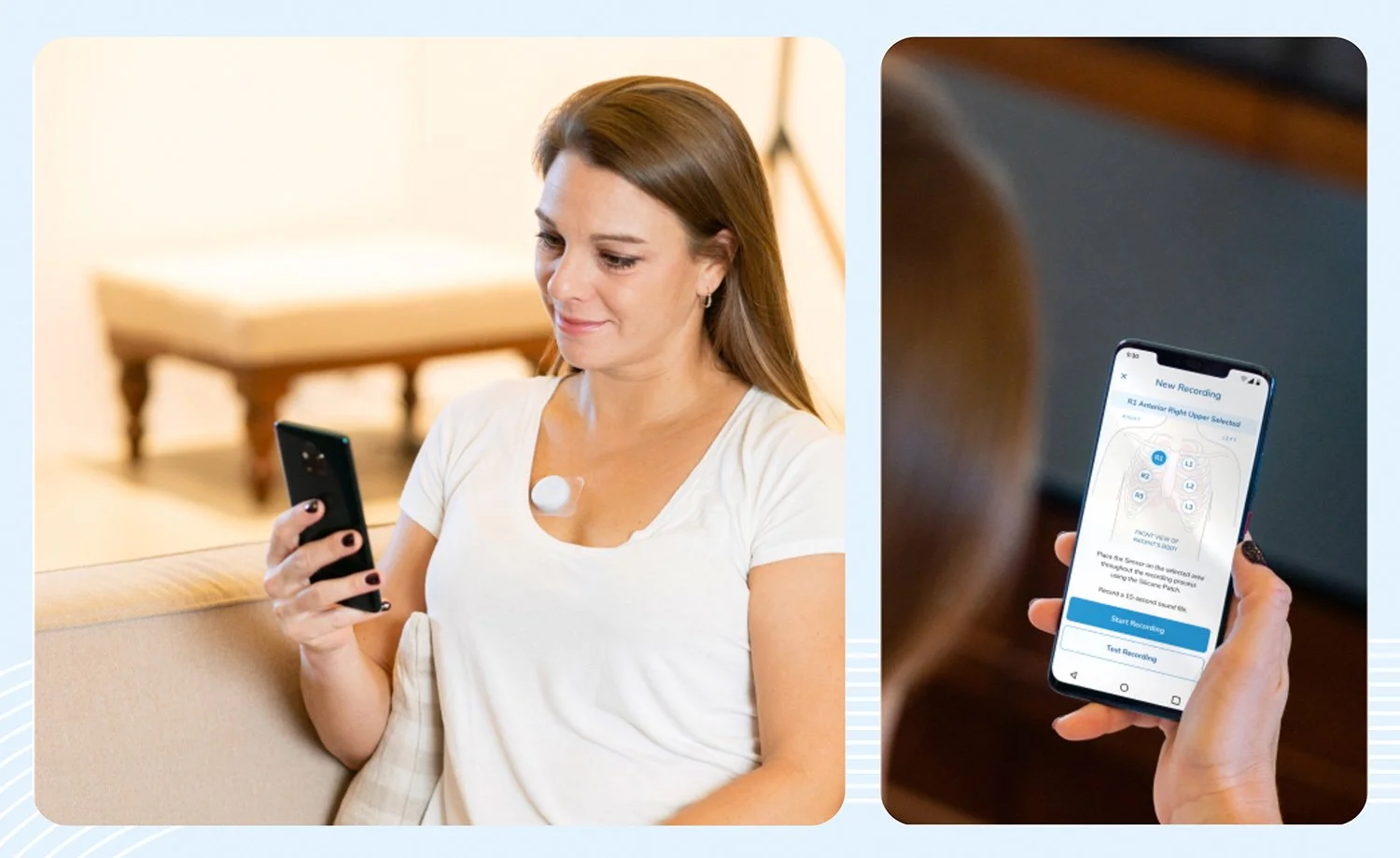
Image Source: Aevice Health
Aevice Health’s AeviceMD Monitoring System has been added to Australia’s Register of Therapeutic Goods (ARTG), a regulatory step that allows the device to be supplied locally for its approved medical purpose. The ARTG entry shows it as a Class IIa medical device, sponsored in Australia by Qualtech Consulting Corporation Pty Ltd, with Aevice Health Pte Ltd listed as the manufacturer.
The listing appears in the ARTG with a start date of 10 December 2025. Industry publication MobiHealthNews reported the Australia clearance on 19 December 2025, describing AeviceMD as an AI enabled respiratory monitoring system and outlining Aevice’s plans to explore pilot deployments and clinical workflow integration with local services.





















What The Device Does
The TGA public summary describes AeviceMD as a non invasive system intended to longitudinally acquire, record and store chest sounds. It is intended to detect and record abnormal breath sounds reported as wheeze, and to provide continuous measurement of heart rate and respiratory rate. The summary also states that data can be viewed by users in a mobile app, and later played back, reviewed and analysed by healthcare professionals in a web app. The intended population includes patients aged 3 years and above.
The key point is that this is not just a digital stethoscope that amplifies sound during a clinic visit. The ARTG description centres on ongoing capture, storage, and review of respiratory signals, which is the foundation needed for remote monitoring and clinical follow up outside the consultation room.


























Where the AI Fits
The ARTG entry and public summary do not describe the specific AI methods or model type used in the system. What is publicly confirmed through the TGA summary is the clinical function the software supports, including wheeze detection and trend style review via mobile and web applications.
This matters because “AI in healthcare” can mean very different things. The TGA’s own guidance explains that AI can be regulated as a medical device when it is used for diagnosis, prevention, monitoring, prediction, prognosis, treatment, or alleviation of disease. The same guidance notes that medical device software may run on phones or watches, may be part of an ecosystem with cloud components, and includes examples such as cloud analytics that predict patient deterioration.
In other words, the credible AI story here is regulated software analysis used to support clinical monitoring workflows, rather than consumer wellness features or generative chat style functions.





















Regulatory Pathway
MobiHealthNews reported that Aevice used an expedited registration route, saying the TGA recognises Singapore’s Health Sciences Authority as a comparable overseas regulator and that this helped Aevice access the Australian market.
The TGA has published guidance describing how overseas market authorisation evidence from comparable regulators can be used to support certain medical device applications for ARTG inclusion. That framework is designed to reuse credible assessment evidence where appropriate, while still bringing the device under Australian regulatory controls once it is supplied locally.
























Why This Matters in Australia
Respiratory disease burden is a practical driver for remote monitoring tools. The Australian Institute of Health and Welfare estimates around 2.8 million people, about 11 percent of Australians, were living with asthma in 2022.
Against that backdrop, MobiHealthNews reported that Aevice expects discussions with local hospitals, respiratory specialists and clinical teams to focus on integrating respiratory monitoring into outpatient asthma management pathways and remote monitoring programmes.
If those pilots proceed, the main IT questions will be less about the sensor itself and more about operations, including how data flows into clinical review routines, how clinicians are prompted to act, and how the system fits governance requirements for regulated medical device software.






















How AeviceMD Compares with Similar Smart Auscultation
The “smart stethoscope” market is crowded, but products often sit in different categories.
Remote monitoring system with a wearable component: FDA 510(k) summaries describe AeviceMD as an electronic stethoscope designed to acquire and record lung sounds for healthcare professionals to review, and they include a wearable characteristic in the classification comparison. The TGA summary also emphasises ongoing monitoring, storage, and web based clinician review.
Handheld remote exam plus AI decision support: TytoCare’s Tyto Insights for Wheeze Detection is described in an FDA 510(k) summary as an AI enabled decision support software system that analyses lung sounds recorded by a compatible stethoscope to identify recordings suggestive of wheeze in adults and children aged 2 years and older. That is a different workflow shape, typically focused on discrete recordings taken during a remote exam rather than continuous monitoring.
Digital stethoscope focused on amplification and transfer: Eko’s CORE 500 digital stethoscope is described in an FDA document as intended to electronically amplify, filter and transfer body sounds. In practice, this category is often about improving capture and sharing, with advanced analytics sometimes offered as separate software features.
The practical distinction for Australian buyers is use case fit. AeviceMD’s ARTG described function points toward longitudinal monitoring and trend review, while other products may be better aligned to point in time examination or auscultation enhancement.


















 TheDayAfterAI News
We are a leading AI-focused digital news platform, combining AI-generated reporting with human editorial oversight. By aggregating and synthesizing the latest developments in AI — spanning innovation, technology, ethics, policy and business — we deliver timely, accurate and thought-provoking content.