
How Google’s Gemini Double-Check Tool Fights AI Hallucinations: A User Guide
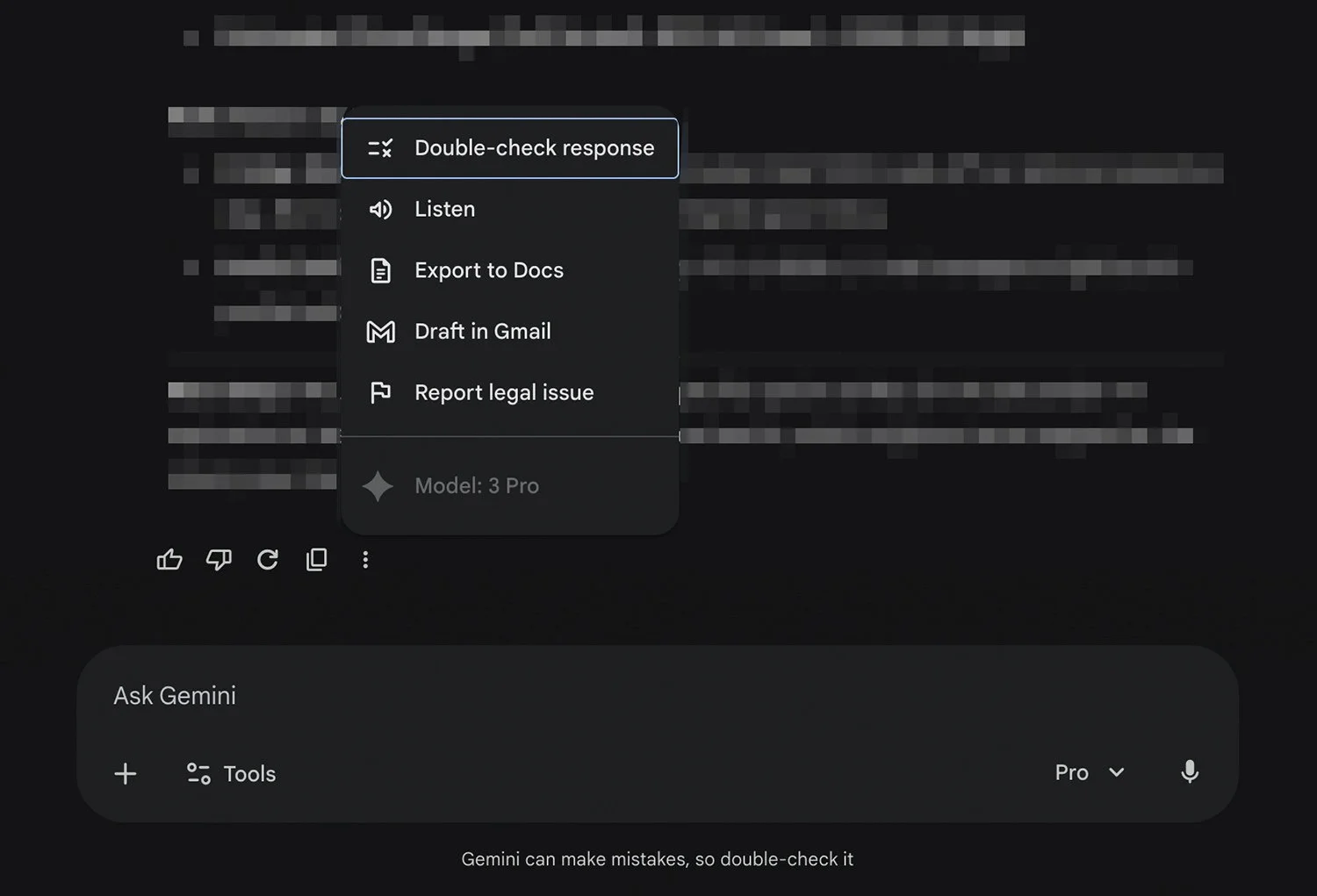
Image Source: Google Gemini
Google’s Gemini apps include a feature called Double check response that lets users review an answer after it is generated and compare specific claims against what Google Search can find on the open web.














What the Feature Does
When you trigger Double check response, Gemini highlights statements in its answer and labels them based on Search results:
Green highlight: Google Search found content that is likely similar to the statement (a link is shown, but Google notes it is not necessarily the source Gemini used).
Orange highlight: Google Search found content that is likely different, or it did not find relevant content (a link may be shown).
No highlight: there is not enough information to evaluate, or the text is not intended as a factual claim.
Google describes this as part of its effort to reduce hallucinations, by showing which statements appear corroborated or contradicted on the web and letting users dig into sources themselves.












Where You Will See It and When It Runs
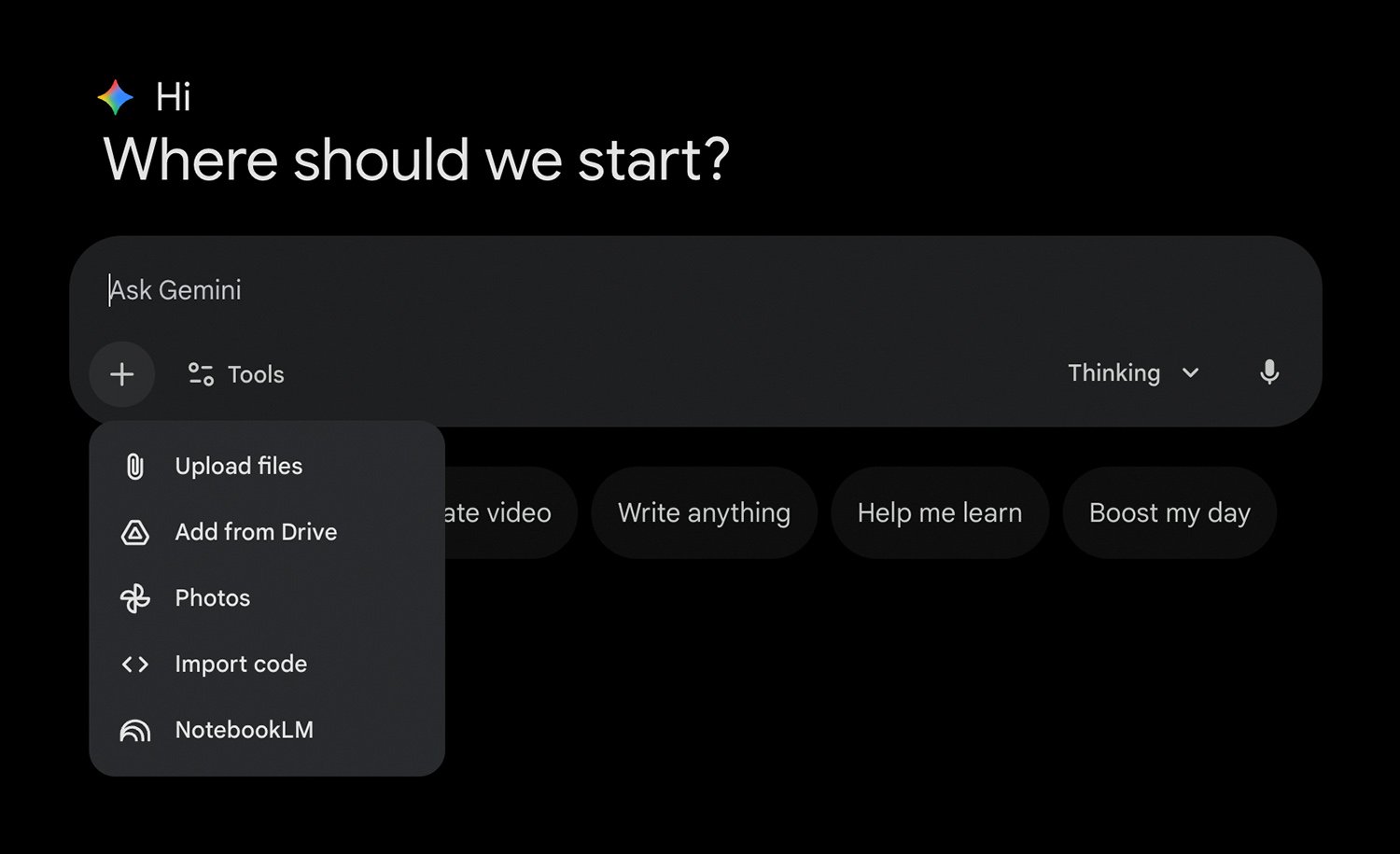
For most users, it is a manual, post response action: under a Gemini answer, you tap More and then Double check response.
There is one important exception Google documents for younger users: in the teen onboarding experience, the first time a user asks a fact based question, the double check step can run automatically, powered by Google Search.






















Limits Google Calls Out
Double check response is helpful, but it is not a guarantee of truth.
Google explicitly warns that Gemini can still get things wrong, even when sources or related content are shown.
The feature is not available for some content types such as code and markdown tables, and generally requires the user to be signed in.






















Why This Matters for AI Credibility
Google is baking verification steps into the user experience because large language models can present incorrect information confidently. The pressure is not theoretical. In early 2025, Google faced criticism around a Super Bowl ad featuring Gemini, including a widely questioned statistic about gouda cheese that was later removed from the ad, and broader questions about how the ad represented Gemini output.
This is the practical value of Double check response: it encourages readers to treat AI output as a starting point, then verify claims through sources.















How Gemini’s Approach Compares With Other AI Assistants
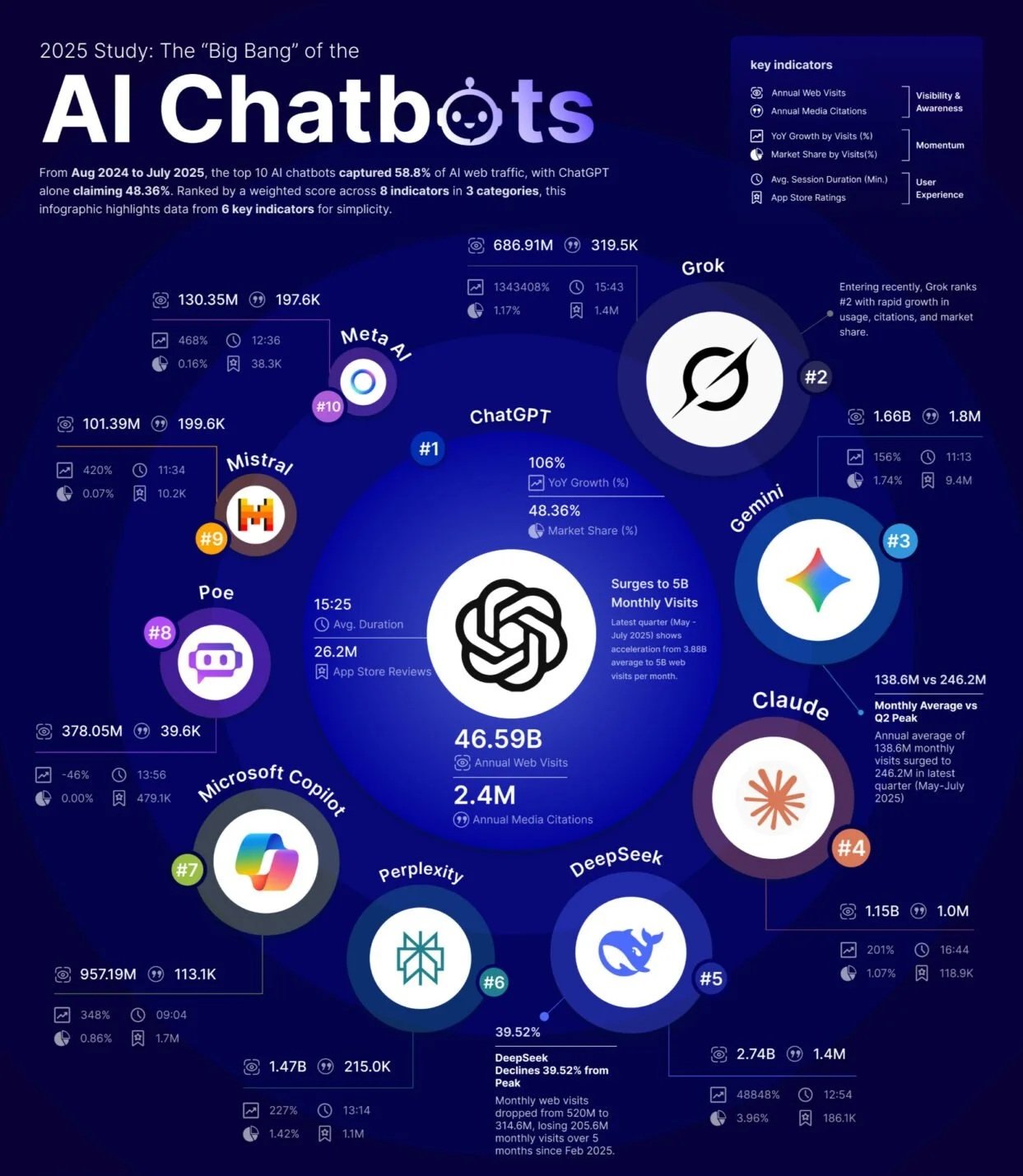
Gemini’s approach is unusual in that it can add a search based checking pass after the answer is written. Other assistants more often emphasise citations during the answer:
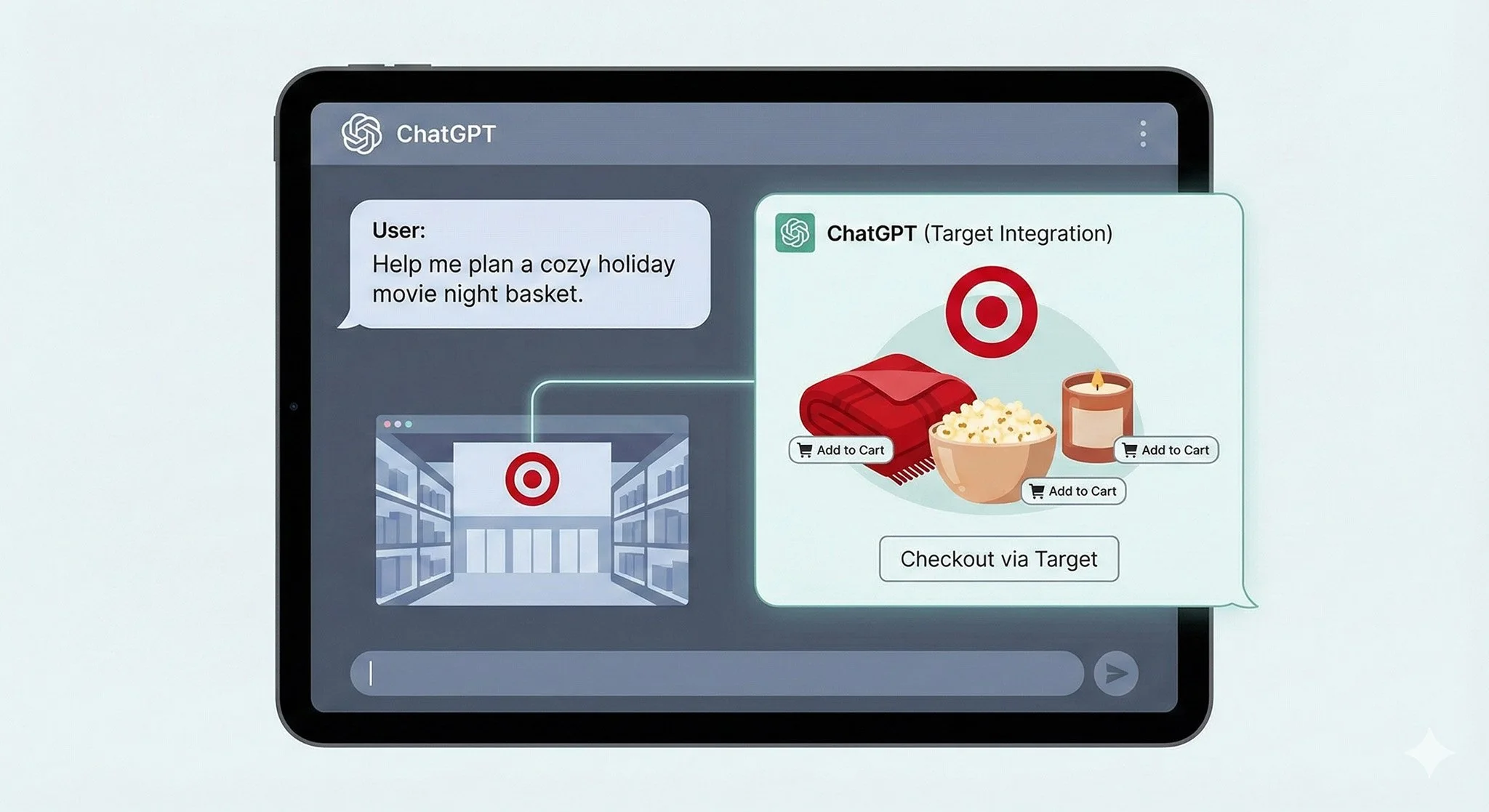
ChatGPT Search: OpenAI says search based answers include inline citations and a Sources button to review references.
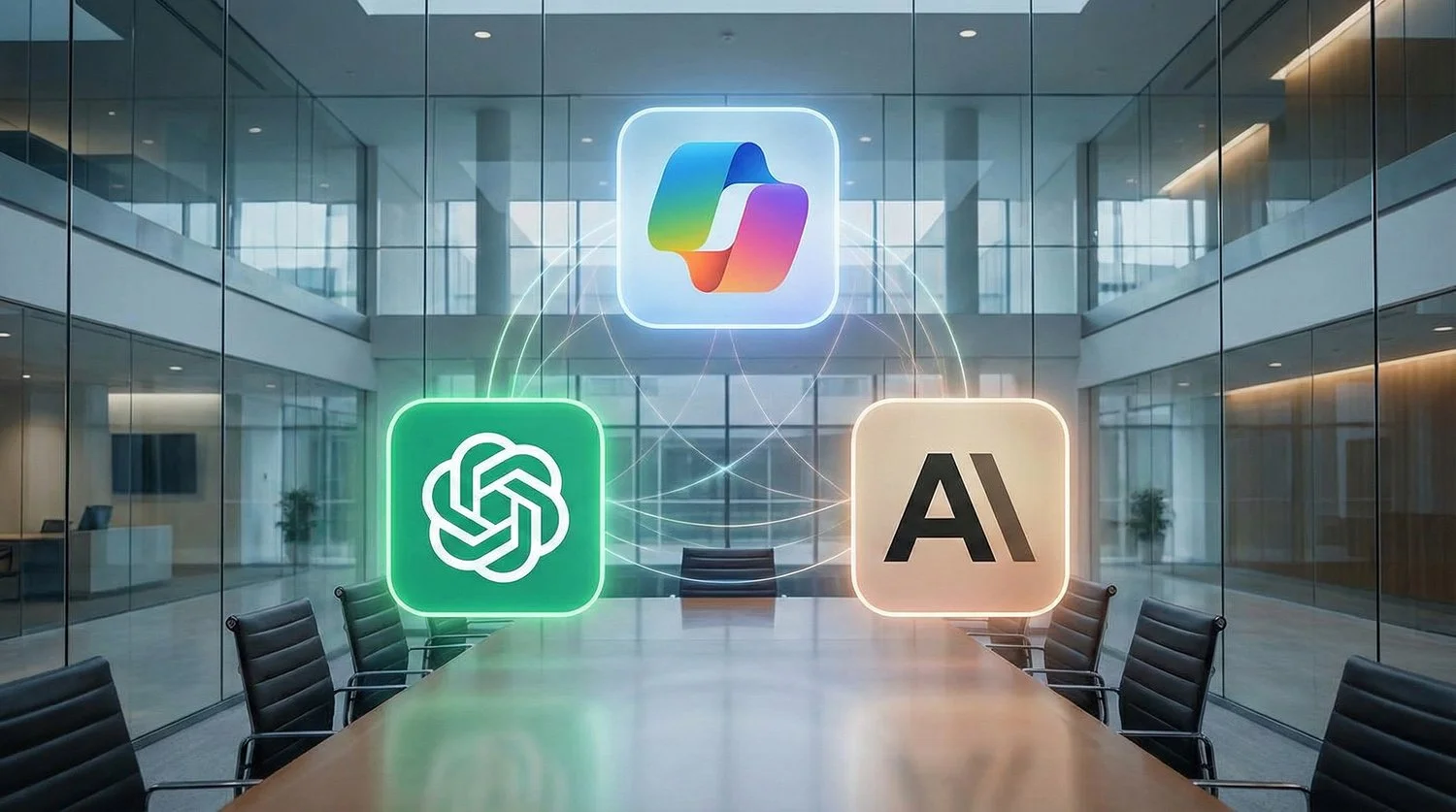
Microsoft 365 Copilot Chat: Microsoft says Copilot Chat provides linked citations so users can explore sources.
Perplexity: Perplexity says each answer includes numbered citations linking to original sources.


































 TheDayAfterAI News
We are a leading AI-focused digital news platform, combining AI-generated reporting with human editorial oversight. By aggregating and synthesizing the latest developments in AI — spanning innovation, technology, ethics, policy and business — we deliver timely, accurate and thought-provoking content.