
AI to Add US$15.7 Trillion to Global Economy by 2030, But Challenges Remain

Image Credit: Nedret Binici | Splash
Artificial Intelligence is reshaping industries worldwide, enabling businesses and governments to boost efficiency and competitiveness. From healthcare diagnostics to financial fraud detection, AI’s influence is expanding, with significant economic growth projected by 2030. Yet, challenges like data privacy and workforce shifts loom as adoption accelerates.
























AI Market Surges Globally
The global AI market, valued at $279.22 billion USD in 2024, is set to reach $390.90 billion USD in 2025 and $1.81 trillion USD by 2030, growing at a 35.9% compound annual rate, according to Grand View Research. Machine learning, natural language processing, and generative AI drive this growth, powering tools like virtual assistants and fraud detection systems.
Australia is advancing AI in finance and healthcare, with Commonwealth Bank deploying AI to spot fraudulent transactions in real-time. In Hong Kong, banks like HSBC have used AI for transaction monitoring and customer service since at least 2018, supported broadly by the city’s HK$3 billion Innovation and Technology Fund in 2024. The U.S. leads with a $66.21 billion USD market in 2025, while China is expected to hold 47% of global AI software revenue by 2030, per ABI Research. However, with 60% of AI patents filed in the U.S. and China in 2021, per the World Intellectual Property Organization, smaller markets like Australia and Hong Kong must invest heavily in local talent to avoid reliance on global leaders.


























AI’s Economic Boost by 2030
AI could add $15.7 trillion USD to global GDP by 2030, a 14% increase, with China leading at 26.1%, followed by North America at 14.5% and the UAE at 13.5%, PwC estimates. In Australia, AI is projected to contribute AUD$315 billion to the economy by 2030, per Deloitte, driven by sectors like finance and agriculture. Hong Kong’s GDP could rise by 12%, fuelled by fintech and logistics advancements.
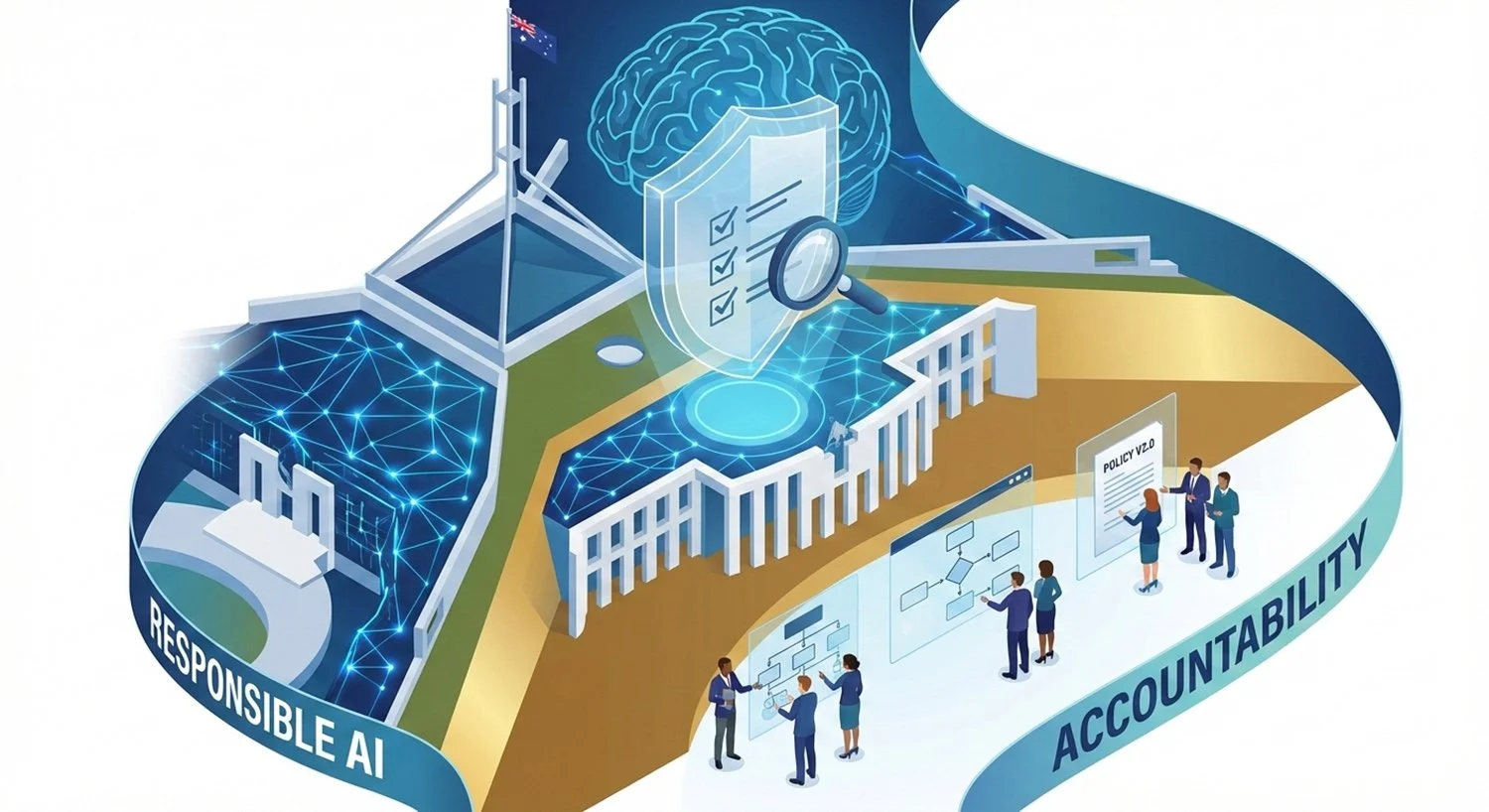
For example, French food company Danone cut forecast errors by 20% using AI-driven demand planning, Forbes reports. Yet, limited infrastructure in developing nations risks widening economic gaps, the OECD warns. Australia’s AI ethics framework and Hong Kong’s tech hub investments aim to ensure inclusive growth, but scaling training programs remains critical.

























AI in Everyday Life
AI is embedded in 77% of devices globally, from smartphones to smart speakers, per Exploding Topics. Nearly 96-98% of smartphone users rely on AI-powered Google Assistant or Siri, with 41% using voice search daily, Creative Strategies reports. In 2024, 8.4 billion AI assistant software instances operated across devices worldwide, surpassing the global population, Statista notes.
In Australia, about 36.6% of consumers use voice assistants, while Hong Kong’s high smartphone penetration drives even wider adoption. Yet, only 34% of global consumers recognize they use AI, despite 84% interacting with AI-powered devices, per a 2018 Pegasystems study. Privacy concerns persist, with 75% of Australians worried about AI-generated misinformation, KPMG finds, underscoring the need for public education and regulations like Australia’s AI ethics guidelines.





















AI Reshapes Key Sectors
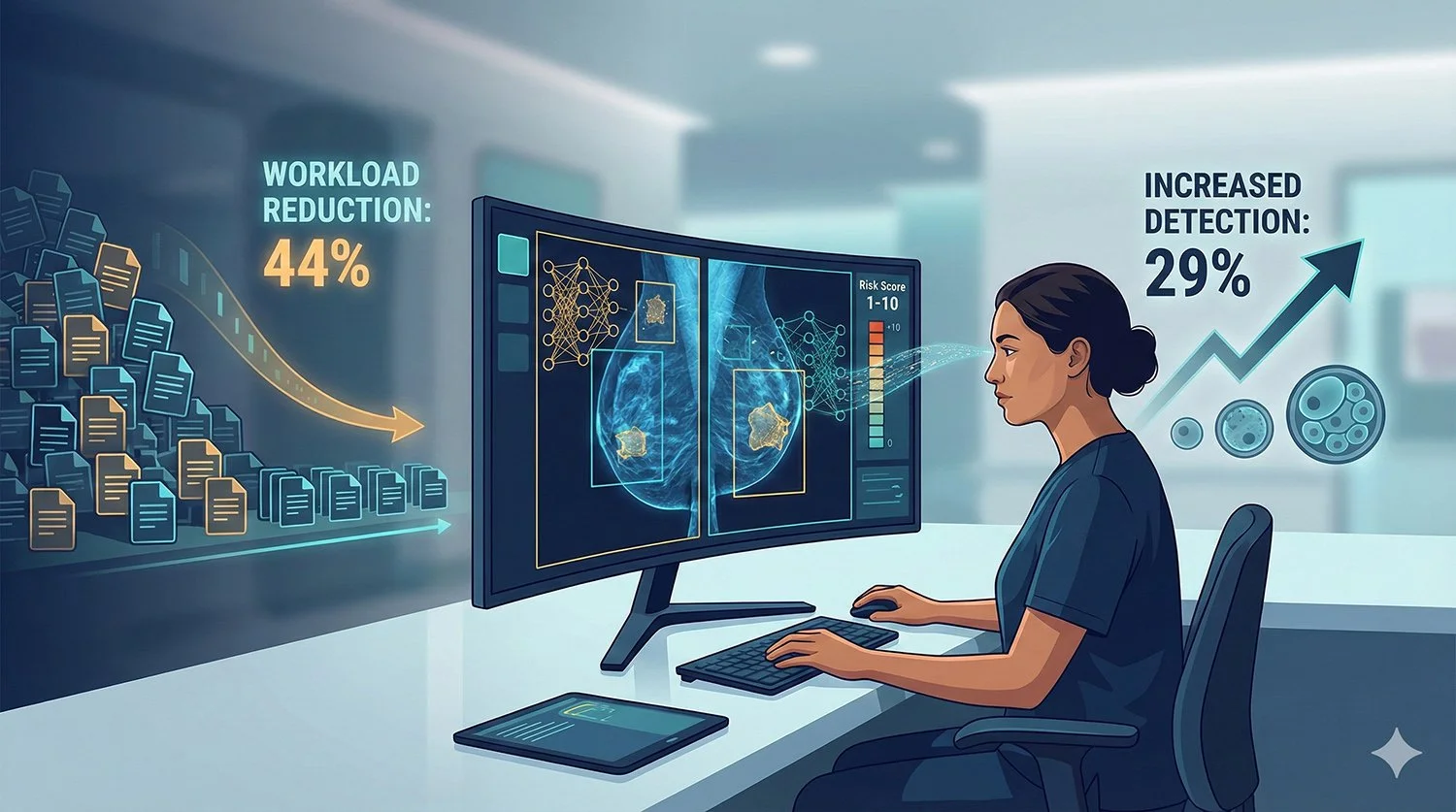
AI is transforming industries. In manufacturing, 29% of AI applications predict equipment failures to cut downtime, Capgemini reports. Retailers use AI for dynamic pricing, while automotive firms could boost profits by 16% through AI-optimized supply chains. In healthcare, AI diagnostics reduced processing times by 41% in trials, a model Australia is exploring.
These advancements drive innovation, like faster drug discovery, but high costs and a 73% employer-reported AI talent shortage, per Vena, challenge smaller businesses. Investment in training is essential to sustain progress.




























AI’s Path Forward: Opportunities and Hurdles
By 2025, 75% of executives expect AI to drive growth, per MIT Sloan. The generative AI market is projected to reach $220 billion USD by 2030 at a 29% growth rate, ABI Research estimates, while on-device AI will grow at 15.5% annually through 2033, per Global Market Insights. Advanced chatbots could handle 95% of customer interactions, Gartner predicts, enhancing efficiency.
Yet, 34% of business leaders cite data privacy concerns, Hostinger reports, and AI could displace 300 million jobs globally by 2030 while creating 97 million, per Goldman Sachs, though McKinsey estimates 100-200 million jobs automated. Reskilling programs are vital to manage workforce transitions.












































 TheDayAfterAI News
We are a leading AI-focused digital news platform, combining AI-generated reporting with human editorial oversight. By aggregating and synthesizing the latest developments in AI — spanning innovation, technology, ethics, policy and business — we deliver timely, accurate and thought-provoking content.