
techAU’s Jason Cartwright Releases AI-Assisted Debut EP via Suno v5 and Google Gemini
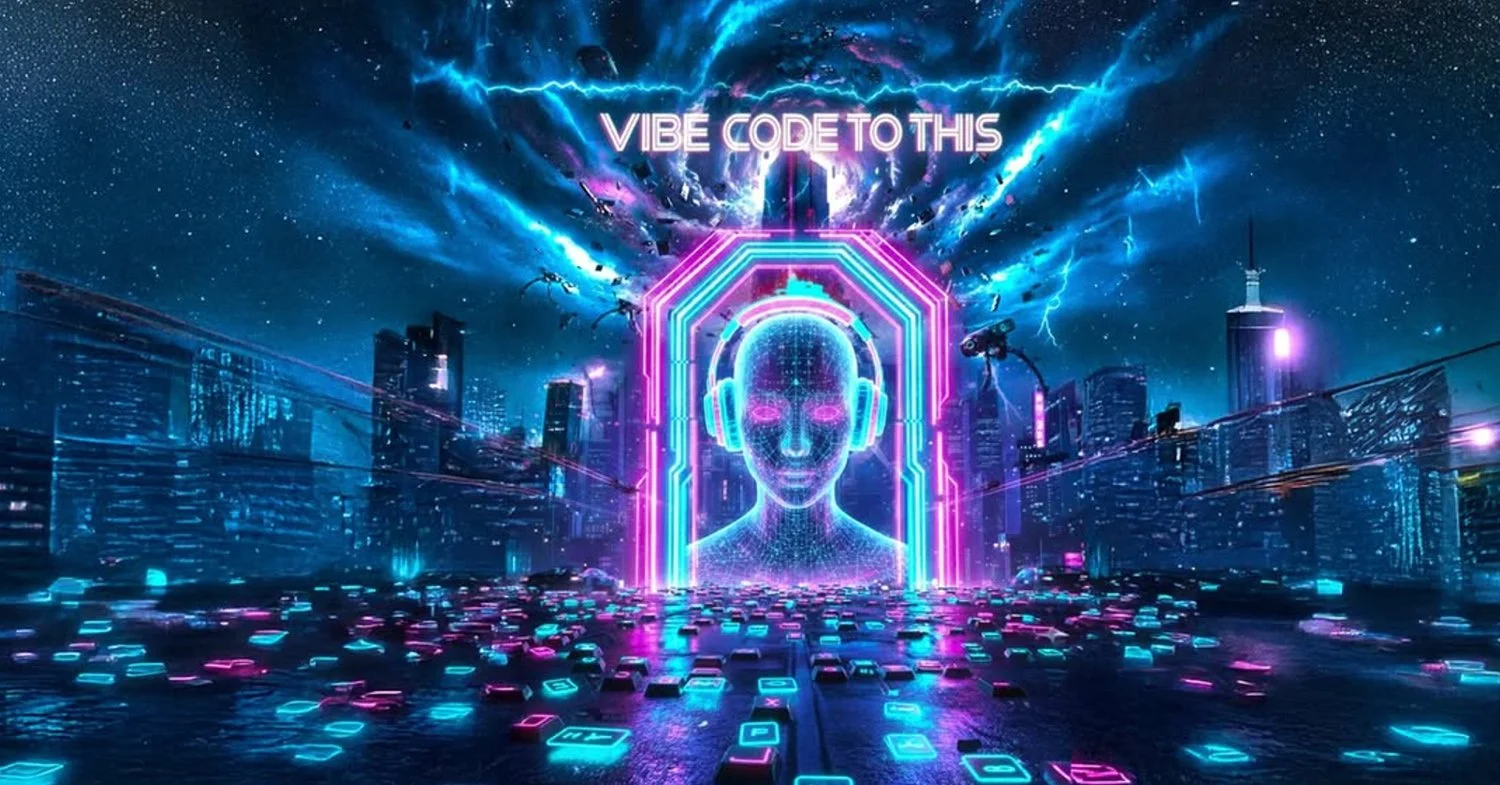
Image Source: TechAU@IG
In a post dated 25 December 2025, Jason Cartwright (writing for techAU) says he used Suno v5 to generate tracks for his debut EP “Vibe Code to This”, then used Amuse to distribute the release to major streaming services.
Cartwright positions the project as a practical test of how far consumer GenAI tooling has come for music creation, from prompt driven composition through to release logistics like metadata and distribution.



















A Human Directed, Model Executed Loop
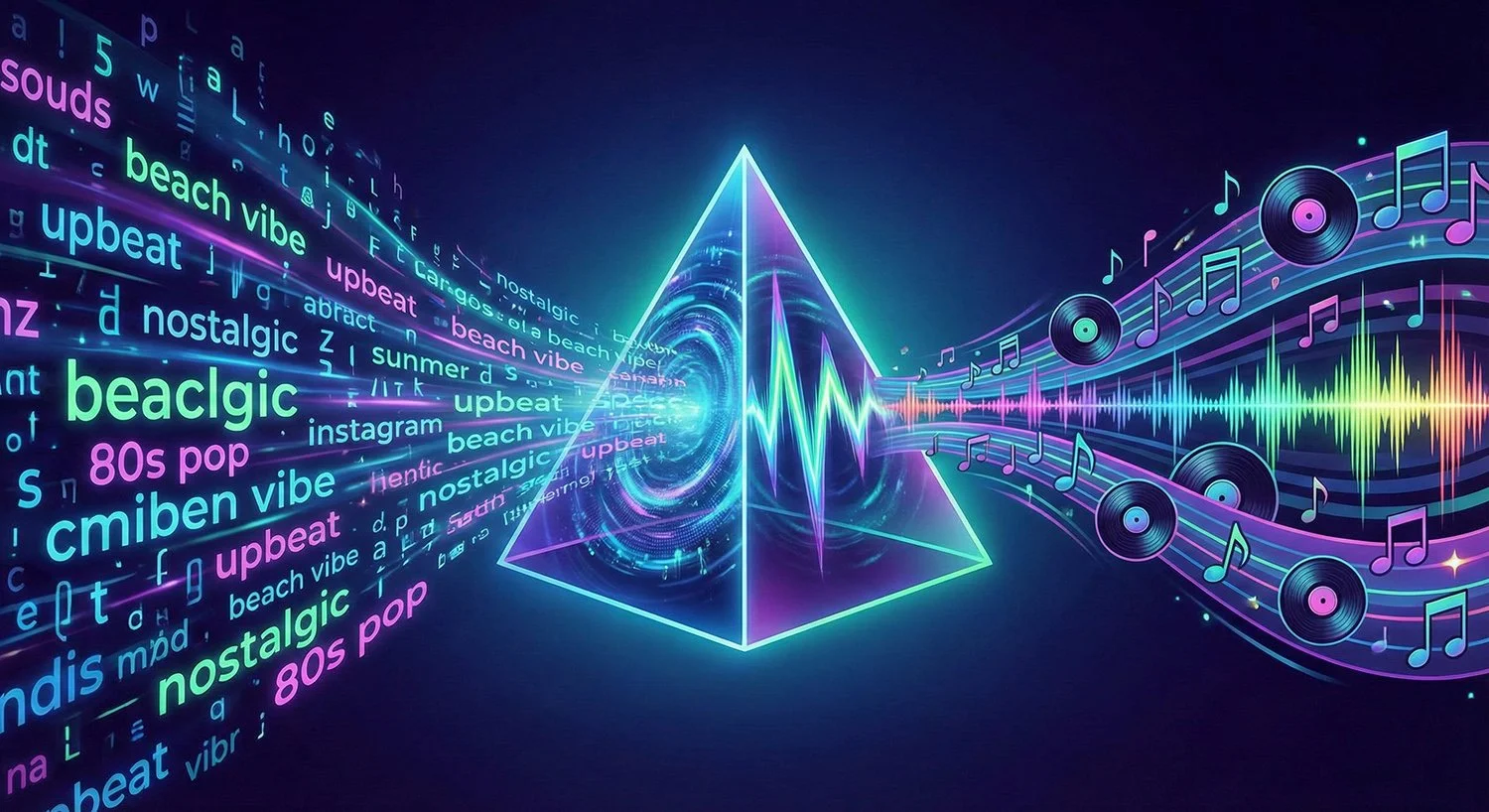
Cartwright’s description reads less like “press a button” and more like repeated cycles of:
Set creative constraints (style, tempo, vocals, lyrical intent)
Generate candidates
Listen, critique, revise the prompt or lyrics
Repeat until the output matches the target
He describes using structured prompts (including tempo and genre constraints) and iterating both the audio generations and the lyrics to keep technical references coherent while still satisfying rhyme and song structure.
The collaboration is not with another human artist, but with multiple AI systems that each take a role in the pipeline (music generation, text iteration, image generation, and release tooling).



























The AI Stack and What Each Part Did
Suno v5 for music generation
Cartwright says Suno was the core music engine for the project, and that he generated songs by feeding Suno prompts that were refined over repeated runs.
From Suno’s own documentation, v5 is described as Suno’s latest model and (as of its help article) is available to Pro and Premier users, with features such as faster generation, an “intelligent arrangement engine,” and more granular control parameters.
Google Gemini “Gems” for reusable prompting and iteration
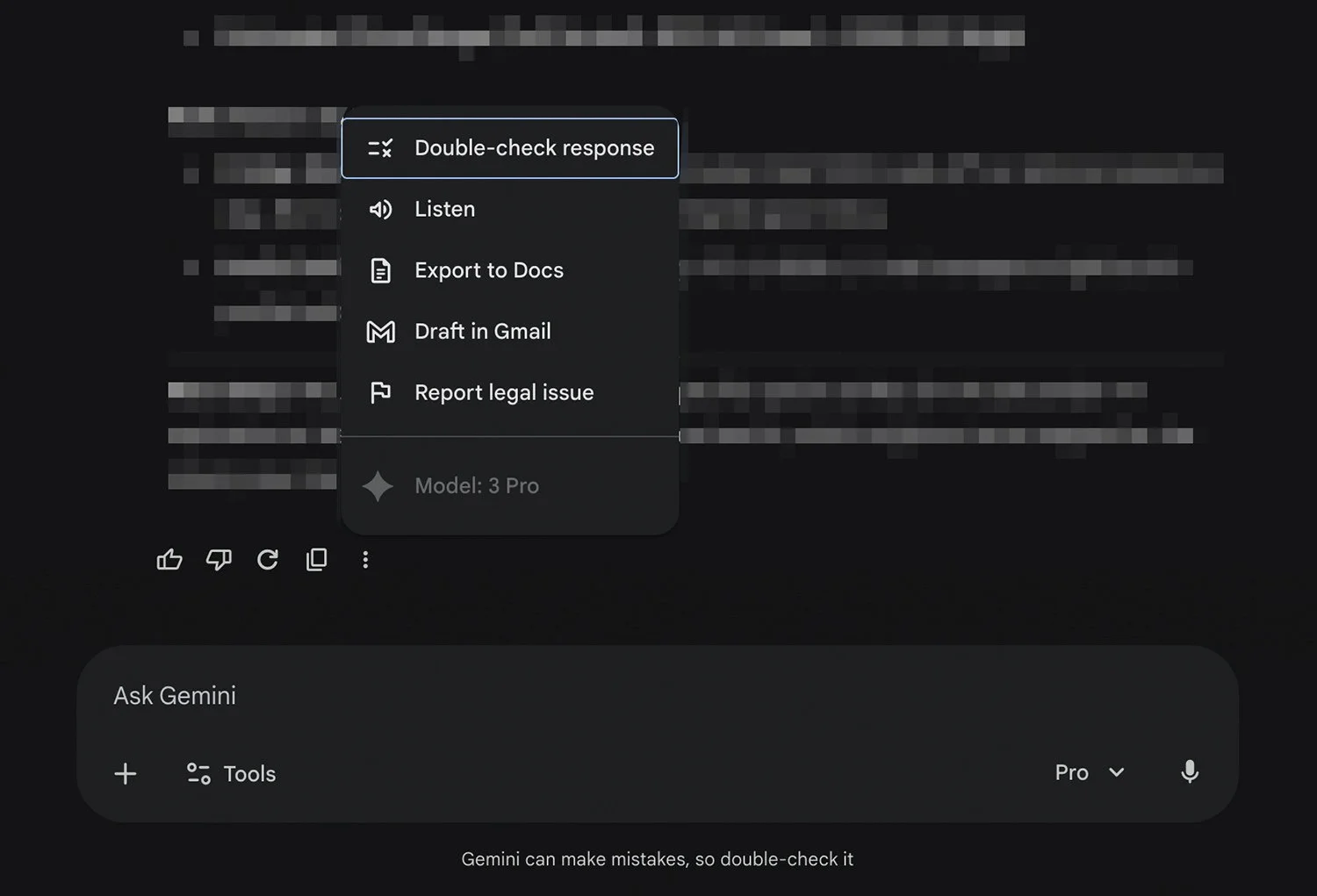
Cartwright says he used Google Gemini’s Gem feature to store an instruction set and speed up repetitive tasks, and that he created a reusable “MusicGen Gem” to help produce structured prompts and lyrics content that he then pasted into Suno.
Google positions “Gems” as customisable helpers you can create in Gemini, aimed at repeatable workflows.
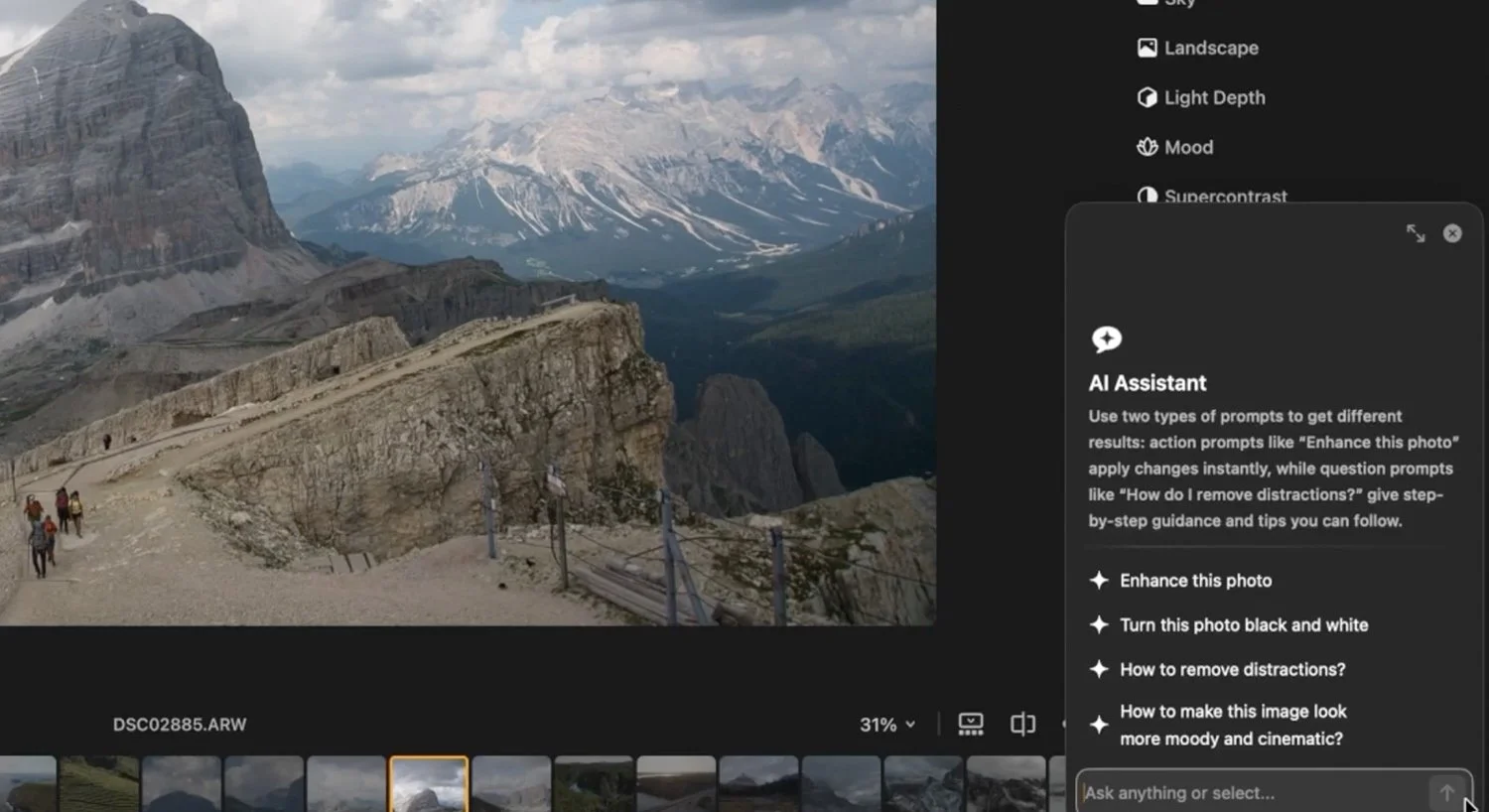
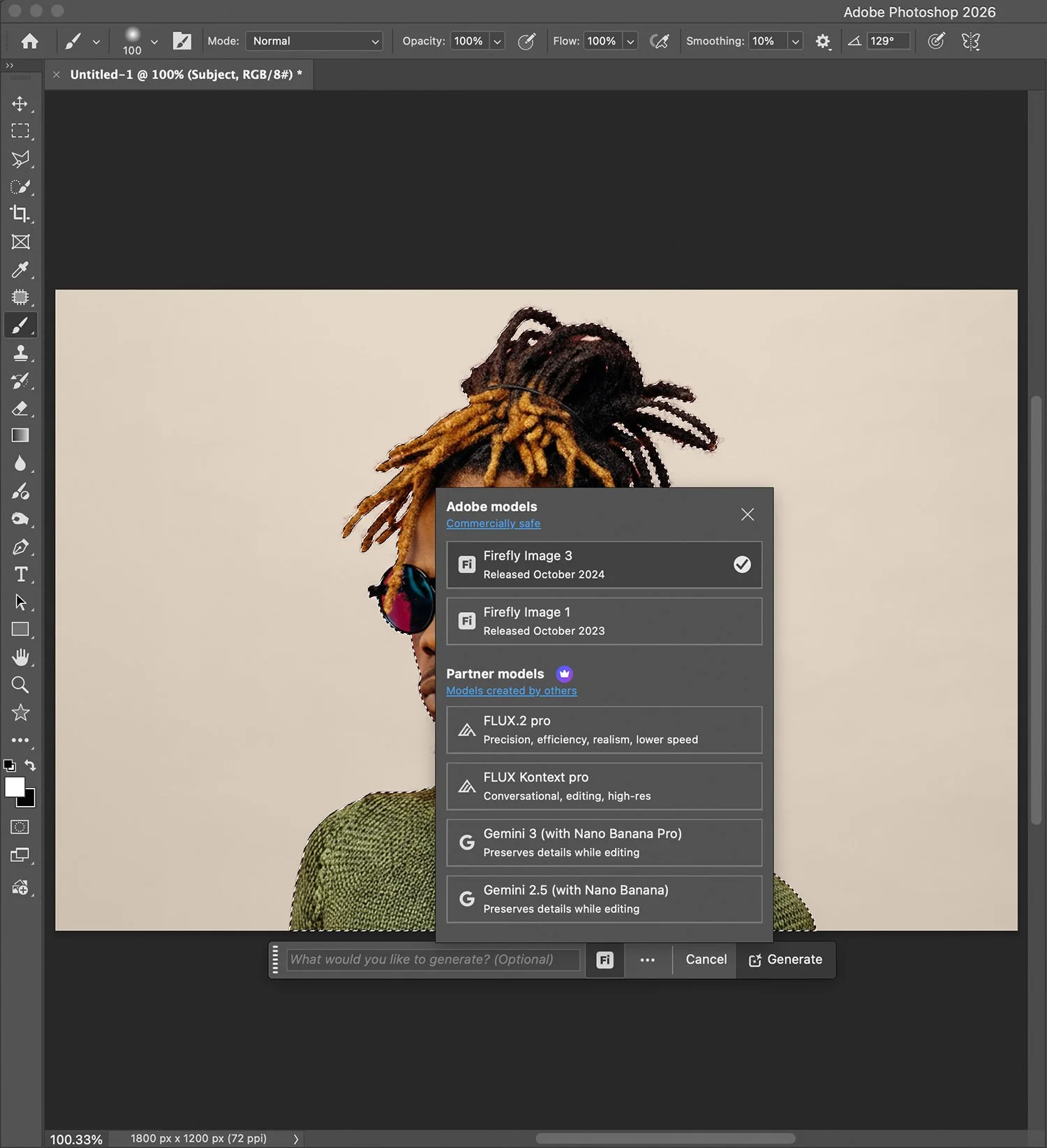
Gemini Nano Banana for cover art style images
Cartwright also says he used Gemini Nano Banana to generate cover art by taking lyrics and iterating on prompts, and even created another Gem to streamline image generation across songs.
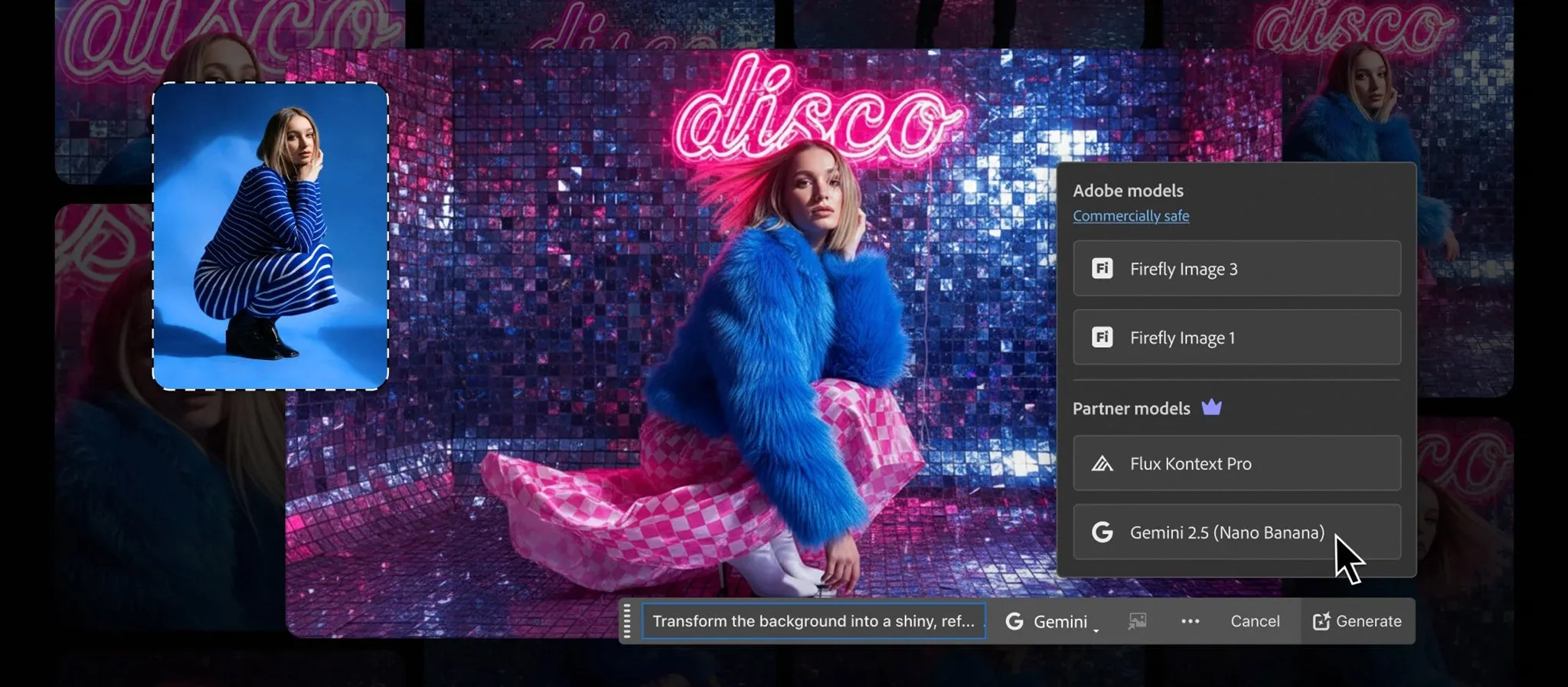
Google’s developer documentation describes “Nano Banana” as an image generation model family offered through the Gemini API (commonly referenced as Gemini 2.5 Flash Image in Google docs).
Amuse.io for distribution
Cartwright says he used Amuse as the distributor to push tracks to major services, and notes that Amuse appears on Spotify for Artists’ provider directory.
Amuse’s current public pricing page (as of the version we viewed) lists annual plans named Artist, Artist Plus, and Professional with pricing shown in USD, and includes a “keep your rights and your royalties” marketing claim alongside commission related caveats for some features.














Rights and Royalties
Suno: free plan vs paid plan rights
Suno’s own help centre says free plan songs are intended for personal, non commercial use and cannot be monetised.
Suno also says songs made while subscribed are granted commercial use rights, and explicitly notes that this does not guarantee copyright protection, since copyright qualification depends on your jurisdiction.
On distribution, Suno states you can distribute songs made while subscribed (Pro or Premier) via a distributor of your choice, while songs made on the free plan cannot be monetised and do not get a retroactive licence if you subscribe later.
On ownership, Suno says “generally, yes” it owns the output in a technical sense, but grants commercial use rights if you created the songs while subscribed, and it says it retains ownership for songs generated on the free plan (while allowing non-commercial use).
Suno platform changes already flagged for 2026
Separately from Cartwright’s post, Warner Music Group’s announcement about its partnership with Suno states that in 2026 Suno plans to introduce new licensed models and that downloading audio will require a paid account, with free tier songs becoming playable and shareable but not downloadable.
That matters because many “AI music to Spotify” workflows depend on exporting WAV or FLAC for distribution, which will be constrained if download policies tighten.
Amuse: “100% royalties” depends on plan status and feature use
Cartwright writes that he chose an Amuse “Pro” tier and quoted an approximate A$35.99 per year cost, and he frames the setup as retaining rights and royalties.
Two updates are important for accuracy:
Amuse says it replaced Boost and Pro with Artist, Artist Plus, and Professional plans starting in summer 2025, so “Pro” is not presented as a current plan for new sign ups on Amuse’s own “new plans” announcement.
Amuse’s terms indicate that if you do not have an active subscription (or your subscription does not renew) it may deduct a commission from royalties, and it also describes a split commission scenario for royalty splits when a subscription is not active.

















Where This Trend Is Heading
Cartwright’s write up is a good snapshot of where music creation is heading for independent creators: multi tool AI workflows that compress production time, and distribution platforms that lower release friction.
At the same time, the most visible industry direction is toward licensed models and explicit rights frameworks, especially as major music companies push for opt in and compensation mechanics. Warner Music Group’s statement about its partnership with Suno explicitly frames “licensed models” and opt in controls for artists and songwriters as core principles, and points to upcoming platform changes tied to that direction.
For audiences, that likely means more AI enabled releases appearing on mainstream platforms, but also more platform level rules around provenance, downloads, monetisation rights, and how creators represent authorship.




























 TheDayAfterAI News
We are a leading AI-focused digital news platform, combining AI-generated reporting with human editorial oversight. By aggregating and synthesizing the latest developments in AI — spanning innovation, technology, ethics, policy and business — we deliver timely, accurate and thought-provoking content.