
Iron Beam Delivered: Israel Adds High-Power Laser to Air Defense Network

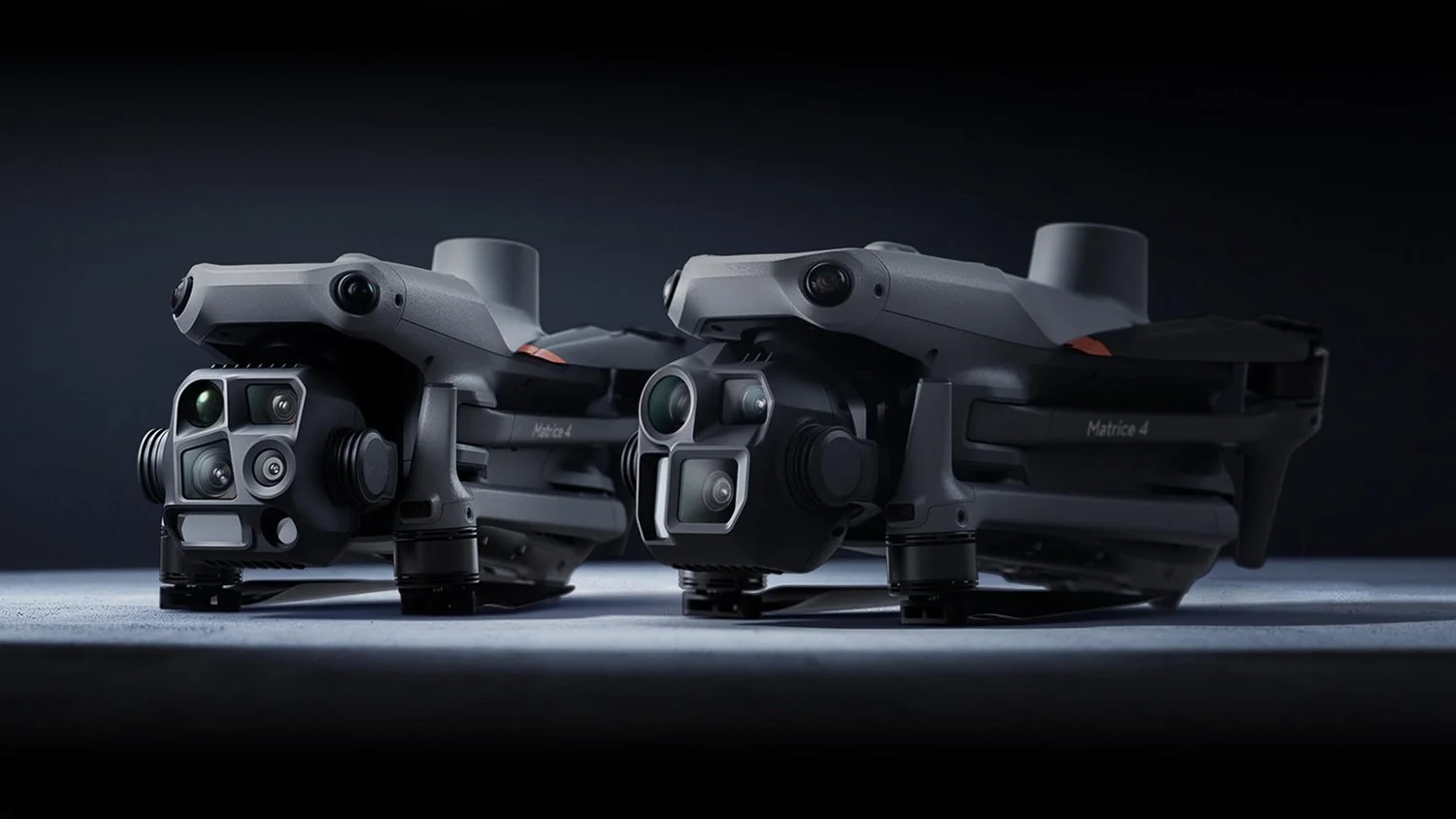
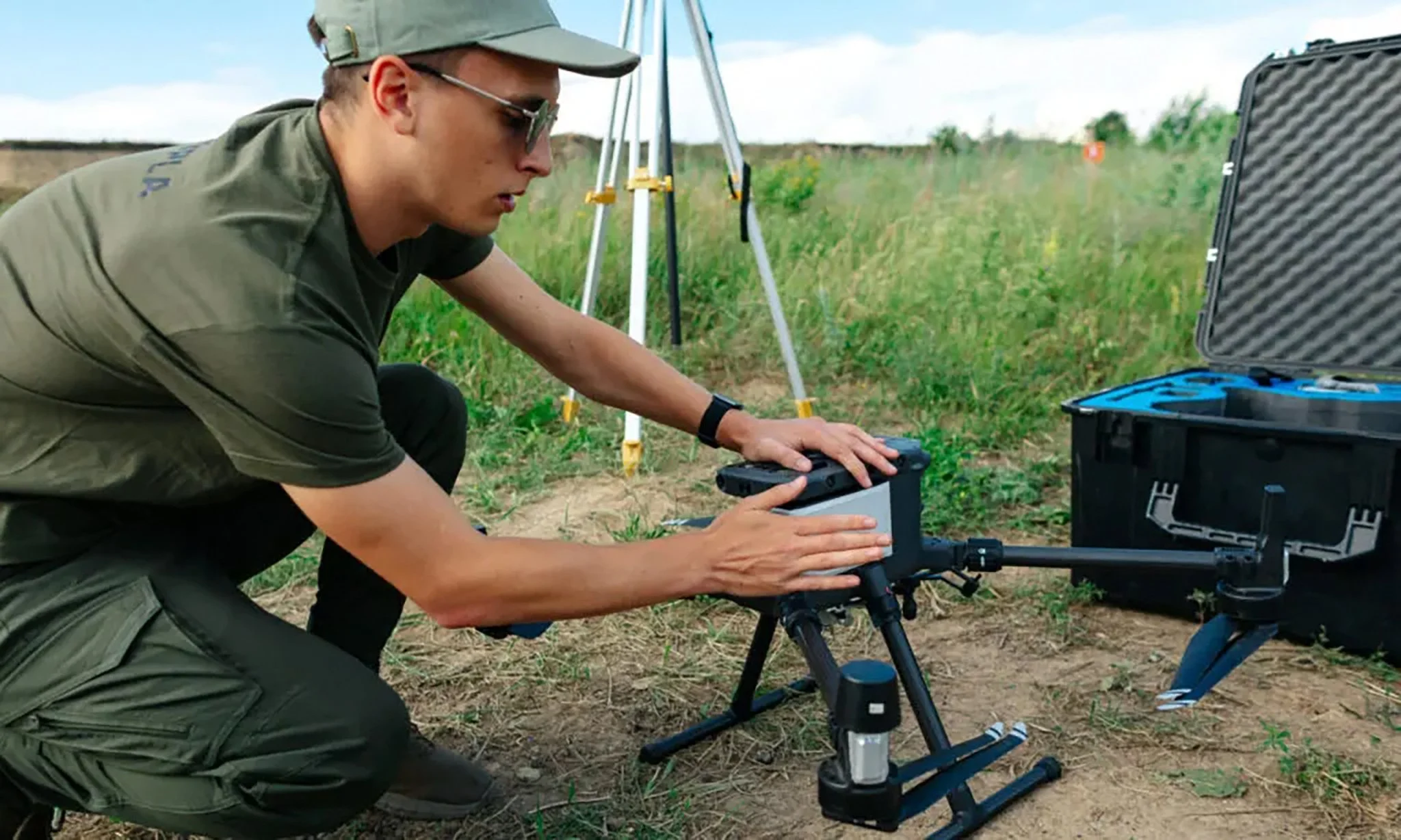
Image for Illustration Only (Credit: Logan Voss | Splash)
Israel’s Ministry of Defence says the Israel Defense Forces have received the first operational Iron Beam high power laser interception system, following an official handover ceremony on 28 December 2025 at Rafael’s headquarters. Janes reports the event was attended by Defence Minister Israel Katz and Israeli Air Force Commander Maj Gen Tomer Bar, among other senior officials.



























Targeting Rockets, Mortars and UAVs
According to Janes, the Ministry’s Directorate of Defense Research and Development and prime contractor Rafael Advanced Defense Systems handed over the system after what the Ministry described as extensive trials that intercepted rockets, mortars and unmanned aerial vehicles. Janes also reports the IDF has named the system Or Eitan after Capt Eitan Oster, who was killed in southern Lebanon in October 2024, and notes his father helped develop the system.
Defence News reports Iron Beam is expected to be integrated into Israel’s multi layered air defence alongside Iron Dome, David’s Sling and Arrow, and is expected to enter operational service in early 2026.

























More Than a Laser Beam
A directed energy interceptor is not only “a laser”. It is an end to end real time computing system that has to detect, track, prioritise and keep a beam on a fast moving target long enough to achieve an effect. That makes Iron Beam a useful case study for how modern defence systems are increasingly shaped by software, sensing and automation, especially against drones where targets are small, cheap, and often arrive in numbers.
Defence News describes Iron Beam as producing a laser beam of about 100 kilowatts, designed to operate up to 10 kilometres, and says it can sight in using a thermal sensor before heating the threat to destroy it. Those steps highlight the core IT workload: sensor driven tracking, fire control loops, and engagement management under tight timing constraints.
What is publicly confirmed about “AI” specifically is more limited. However, Rafael has discussed AI as part of its next stage of laser defence development. In an October 2025 interview, Breaking Defense reported Rafael’s vision of tying laser weapons in with artificial intelligence so the system can calculate how to bring a threat down without excess debris, and framed this as a differentiator compared with kinetic interceptors where the engagement outcome is less controllable.



























Already Being Tested in War
The strategic problem Iron Beam is meant to address is widely understood: low cost drones and short range projectiles can pressure expensive interceptor inventories. A laser layer changes the cost curve by trading stored munitions for electrical power and time on target, while keeping missile interceptors for threats that are harder to handle with directed energy. This is why Defence News frames Iron Beam as an addition to a layered network rather than a replacement.
Defence News also notes Iron Beam was tested during the Iron Swords war, including reported interceptions of rockets, mortars and drones from Lebanon. If confirmed in operational reporting later, this matters because real world environments expose tracking, beam control and reliability issues that are hard to fully reproduce on test ranges.






























Weather Condition is The Key
Laser interception has constraints that software cannot simply wish away. Weather and visibility remain a key limitation for any laser system that relies on line of sight and stable beam propagation. Times of Israel has repeatedly noted that laser systems do not function well in low visibility, including heavy cloud cover and other inclement weather.
This is where the IT architecture becomes as important as the hardware: when conditions are poor, the system needs to hand off to other layers, and the broader network needs to manage engagement choices without overloading operators. Janes explicitly says Iron Beam will be integrated into the air defence network operated by the air force to complement Iron Dome, David’s Sling and Arrow.


























A New Kind of Gun?
Iron Beam is landing in a global wave of directed energy programs focused on counter drone defence.
United Kingdom: DragonFire moves from trials toward fleet fit out
The UK Ministry of Defence reported in November 2025 that DragonFire has shot down high speed drones in trials, and confirmed a £316 million contract to deliver DragonFire systems to the Royal Navy from 2027, with public statements also claiming a cost of £10 per shot. In practical terms, the UK messaging emphasises the same IT themes: tracking, targeting, and sustaining low cost engagements against drone style threats at scale.
United States: DE M SHORAD highlights the gap between test range and theatre conditions
The US Army’s directed energy DE M SHORAD prototypes use a 50 kilowatt class laser on a Stryker platform, intended to defeat group 1 to 3 unmanned aircraft systems among other threats, according to the US Department of Defense operational test reporting.
Breaking Defense reported the Army deployed four prototypes to the Middle East for real world evaluation, an approach that underlines a recurring issue for laser systems: environmental and operational factors can materially affect performance, which then feeds back into software, sensing and sustainment choices.
Against that international backdrop, Iron Beam’s immediate story is less about “a new kind of gun” and more about how Israel is trying to institutionalise software driven engagements inside an existing, mature, layered air defence network that already deals with mixed threat sets including drones.








































 TheDayAfterAI News
We are a leading AI-focused digital news platform, combining AI-generated reporting with human editorial oversight. By aggregating and synthesizing the latest developments in AI — spanning innovation, technology, ethics, policy and business — we deliver timely, accurate and thought-provoking content.