
IND Technology Announces A$50 Million Funding Commitment to Scale AI Driven Grid Fault Detection
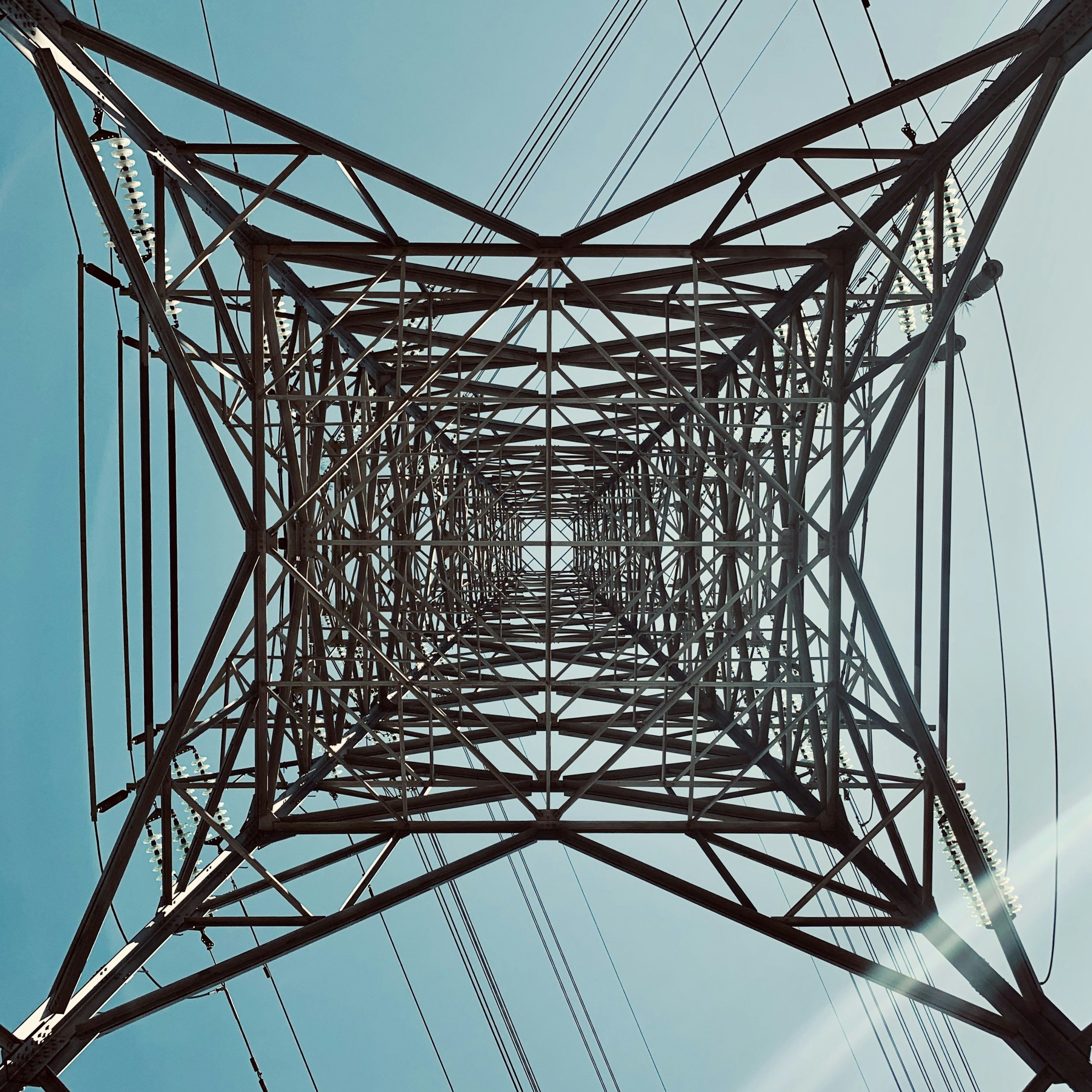
Image Credit: Xiang Xiao | Splash
Melbourne based IND Technology has announced a A$50 million funding commitment in its first institutional round, led by Angeleno Group and Energy Impact Partners, with participation from Edison International and Virescent.
The same round is also described as US$33 million “growth funding” in US coverage, which aligns with currency conversion differences across reports and timing of publication.




















Who is Backing It, and What The Money is for
IND says the new capital is targeted at global expansion, especially North America, and at growing its machine learning engineering team so the platform can better interpret complex fault data and turn it into actionable utility work.
Axios reports IND is already operating in about 10 US states, and has customers including PG&E in California and PPL in Pennsylvania, which helps explain why North America is a major focus for this raise.























What IND’s AI Does
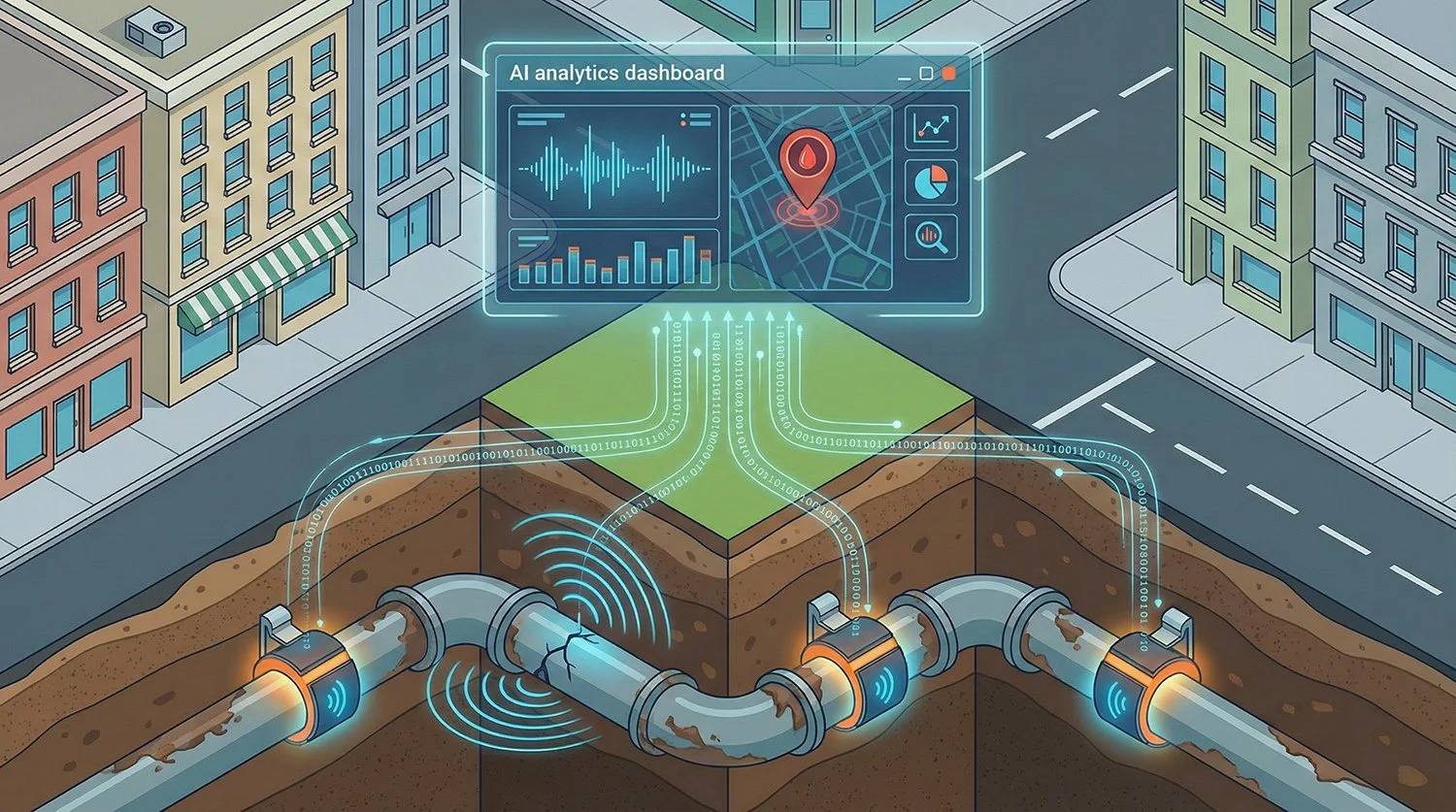
IND builds Early Fault Detection systems that combine distributed sensors with AI and machine learning to flag early warning signals on electricity networks before they escalate into outages, equipment damage, safety incidents, or fire risk.
The practical AI challenge here is separating genuine fault signatures from noisy background signals at scale. IND’s announcement says its system uses machine learning driven algorithms to detect partial discharge and other early stage faults on transmission and distribution lines.
Independent Australian reporting adds operational detail: sensors mounted on power poles capture radio frequency signals associated with stressed or failing components, with anomalies analysed in real time and localised to roughly within 10 metres. RenewEconomy also reports pole mounted sensors can be placed up to 5 km apart, with algorithms helping to identify issues such as vegetation contact, failing transformers, or damaged conductors.




















Why This Problem Keeps Coming up in Australia
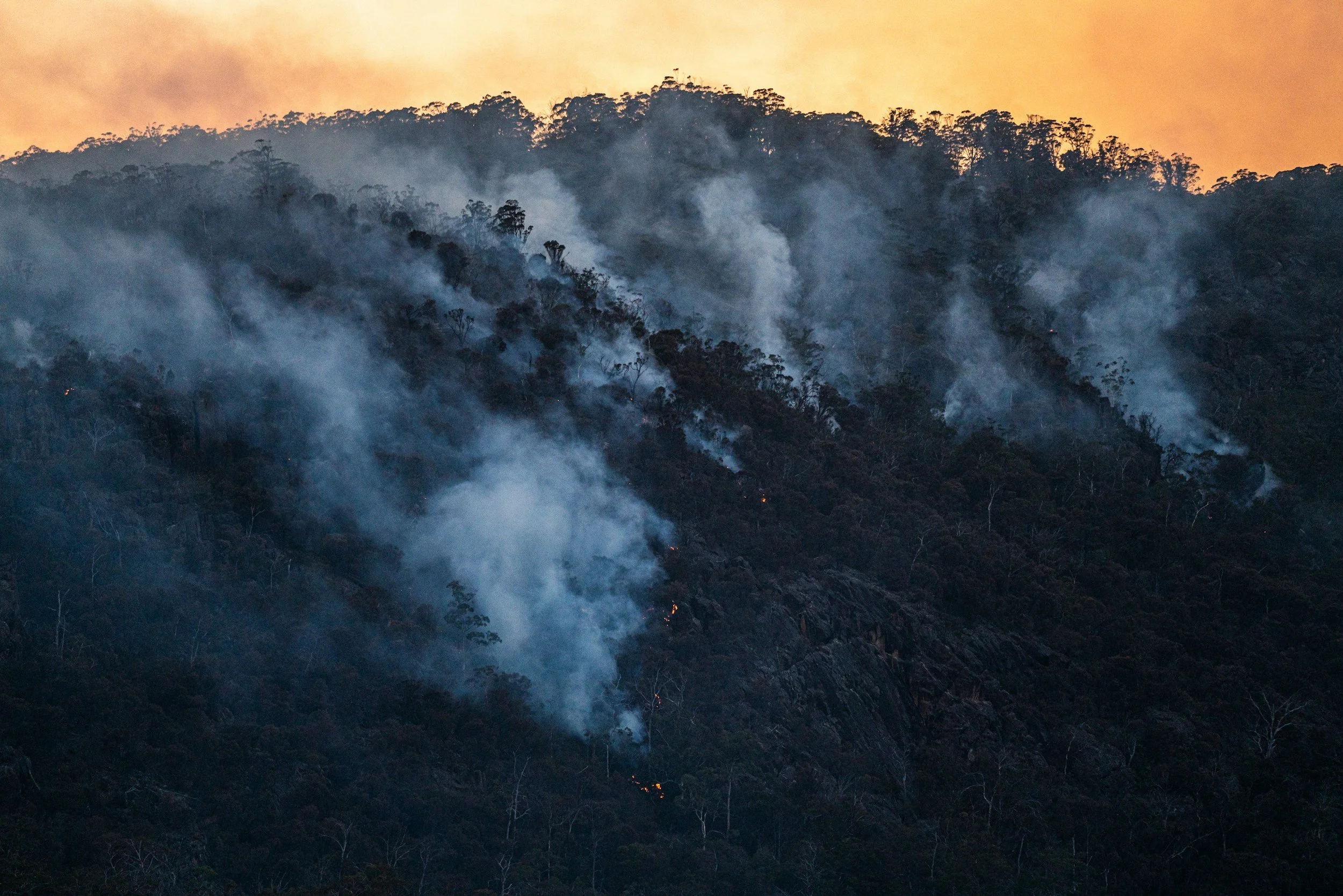
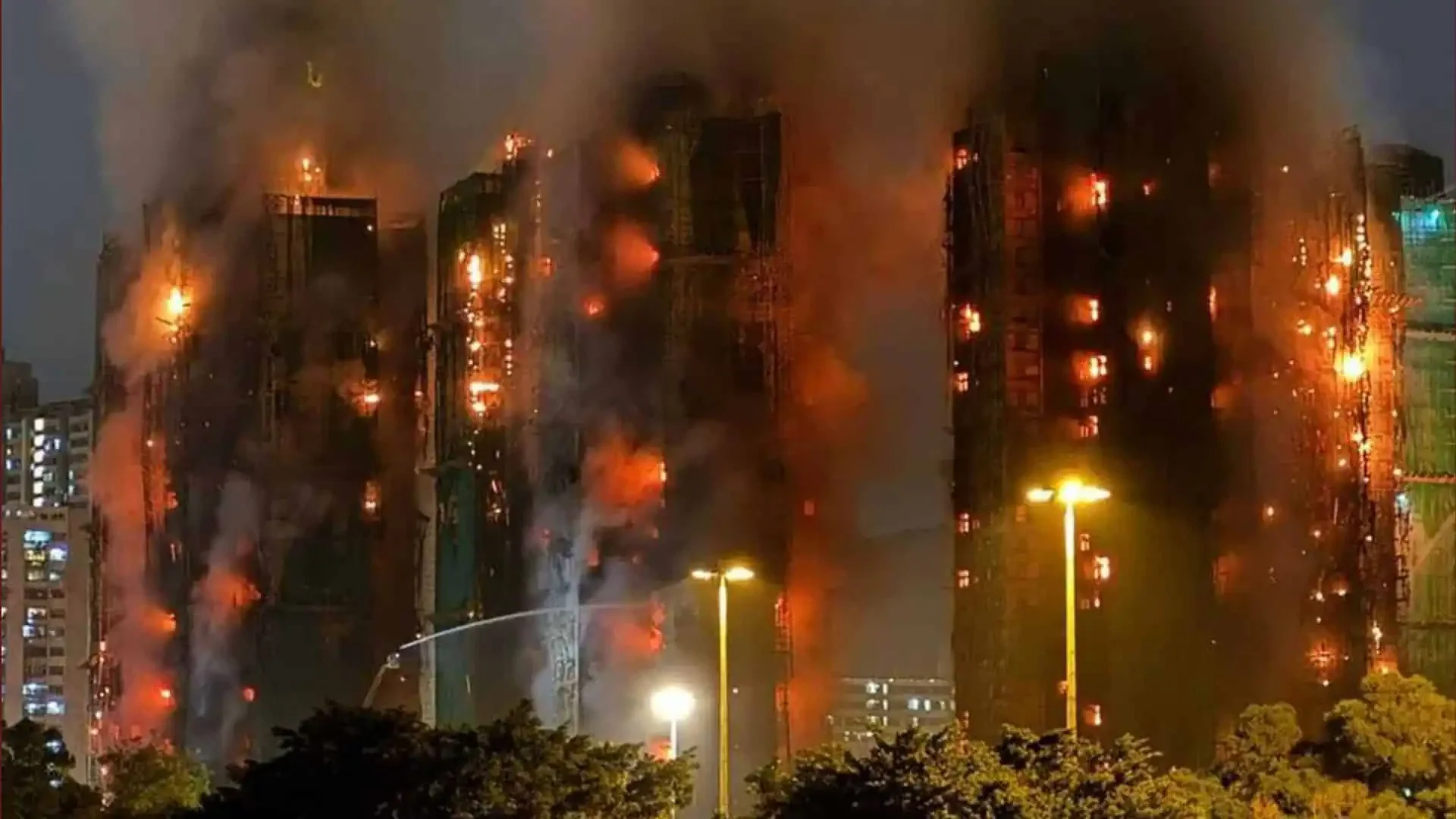
IND traces its origins to the aftermath of the 2009 Black Saturday bushfires, with multiple reports linking the company’s early mission to reducing ignition risk from electrical faults.
That context matters because Australian utilities and regulators have spent years tightening inspection, vegetation management, and risk reduction programs. AI powered early warning systems fit into that shift, not as a single solution, but as a way to improve what crews do next by prioritising where to look and what to fix.




















What is Confirmed
IND states it has sold more than 15,000 Early Fault Detection systems and operates across Australia, the United States, Canada, Europe, and Southeast Asia.
The company also states its platform has helped prevent more than 500 potential fire events worldwide. This figure is widely repeated in reporting, but it is best presented as company reported unless independently audited results are provided.























Why Investors Are Leaning into Grid Monitoring AI Right Now
Two pressures show up consistently across the reporting and investor commentary.
First, electrification is pushing more demand through existing assets. Axios notes that higher throughput can increase conductor temperatures and sag, raising the risk of faults and vegetation contact, which in turn increases the value of better sensing and earlier intervention.
Second, there is growing emphasis on wildfire mitigation plans and requirements. Axios reports that regulatory and operational expectations are pushing utilities to invest earlier, shifting spend from reactive repairs to prevention where possible.
From a business and strategy angle, this round sits in the “hard tech plus software” category: hardware creates the data stream, and the machine learning layer determines whether that stream becomes an operational advantage or just more noise.



























How IND Compares with Other AI Approaches Used around the Grid
Utilities are building layered toolkits, and IND covers one specific layer.
Early fault detection sensors (IND’s lane) focus on electrical fault precursors, using sensors plus AI and machine learning to triage faults and guide field response.
AI smoke detection cameras (example: Pano AI) use computer vision to detect smoke continuously, typically paired with human review before alerts are escalated.
Satellite based vegetation risk and planning (example: AiDash) targets hazard trees and vegetation management using satellite data and AI models to prioritise work.
Dynamic line rating (example: LineVision deployments) aims to increase usable capacity on existing transmission lines by using sensors and analytics to provide condition specific ratings, which is a different objective from fault detection but driven by the same need to do more with existing infrastructure.
Drone imagery analytics (example: Buzz Solutions) focuses on automating defect detection from inspection images using machine learning, which complements sensor based monitoring by reducing manual image review.
The takeaway is that “AI for the grid” is not one product category. It is a stack: sensing, vision, satellite, analytics, and workflow integration. IND’s funding round is a signal that investors see ongoing demand for always on monitoring and better fault triage, particularly in regions facing wildfire risk and ageing network assets.














License This Article
Source: Business Wire, AXIOS, Smart Company, Pano, AI Dash, National Grid, Buzz Solutions

















 TheDayAfterAI News
We are a leading AI-focused digital news platform, combining AI-generated reporting with human editorial oversight. By aggregating and synthesizing the latest developments in AI — spanning innovation, technology, ethics, policy and business — we deliver timely, accurate and thought-provoking content.