
AI Power Struggle: US Grid Rules Tighten as States Push Back
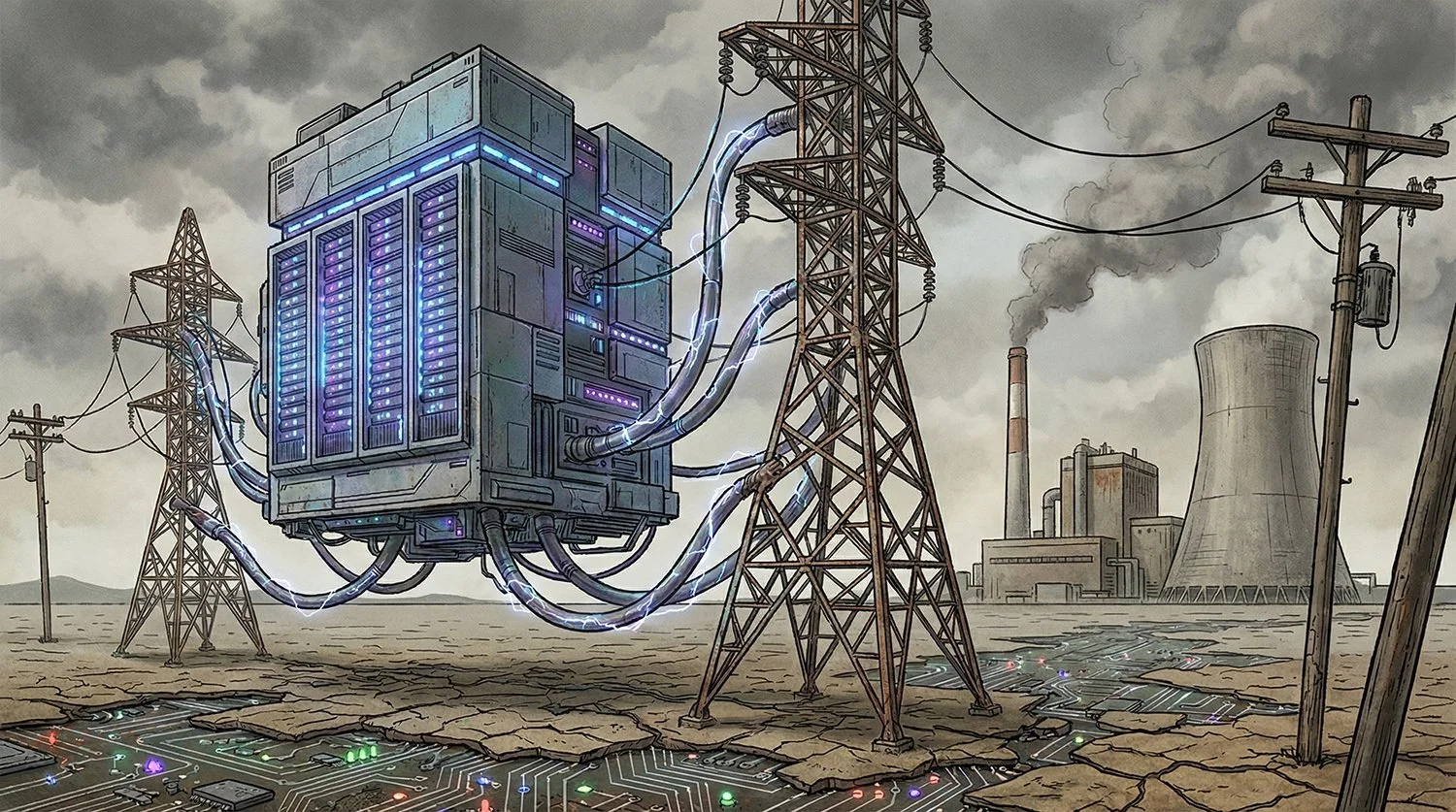
AI-generated Image for Illustration Only (Credit: Jacky Lee)
The rapid build out of AI data centres is now colliding with one of the most political parts of US infrastructure: who gets to set the rules for plugging huge new electricity users into the grid, and who pays when upgrades are needed. In recent weeks, federal agencies have moved to tighten and clarify connection rules for very large AI driven loads, while state level policymakers keep pushing their own protections aimed at reliability and household power bills.





























What Happened This Month
On 18 December 2025, the Federal Energy Regulatory Commission (FERC) directed PJM Interconnection, the largest US grid operator, to establish transparent rules for supplying AI driven data centres and other large loads that are co-located with generating facilities. FERC said the goal is to safeguard reliability and protect consumers across PJM’s footprint.
FERC’s action lands against a backdrop of rising system costs in PJM. PJM announced results from its 2027 to 2028 capacity auction on 17 December 2025, and Reuters reported that record high capacity prices signal higher bills ahead, with data centre load growth cited as a key driver.




























Why AI Is Front and Centre in This Dispute
AI data centres are pushing electricity systems in ways that look different from traditional growth. They can request very large blocks of power, often on tight timelines, and their demand tends to be continuous rather than seasonal. That combination is forcing regulators to revisit grid connection and pricing rules that were not designed for a surge of mega scale digital infrastructure.























The Federal Move: Clearer Rules for Co-located Loads
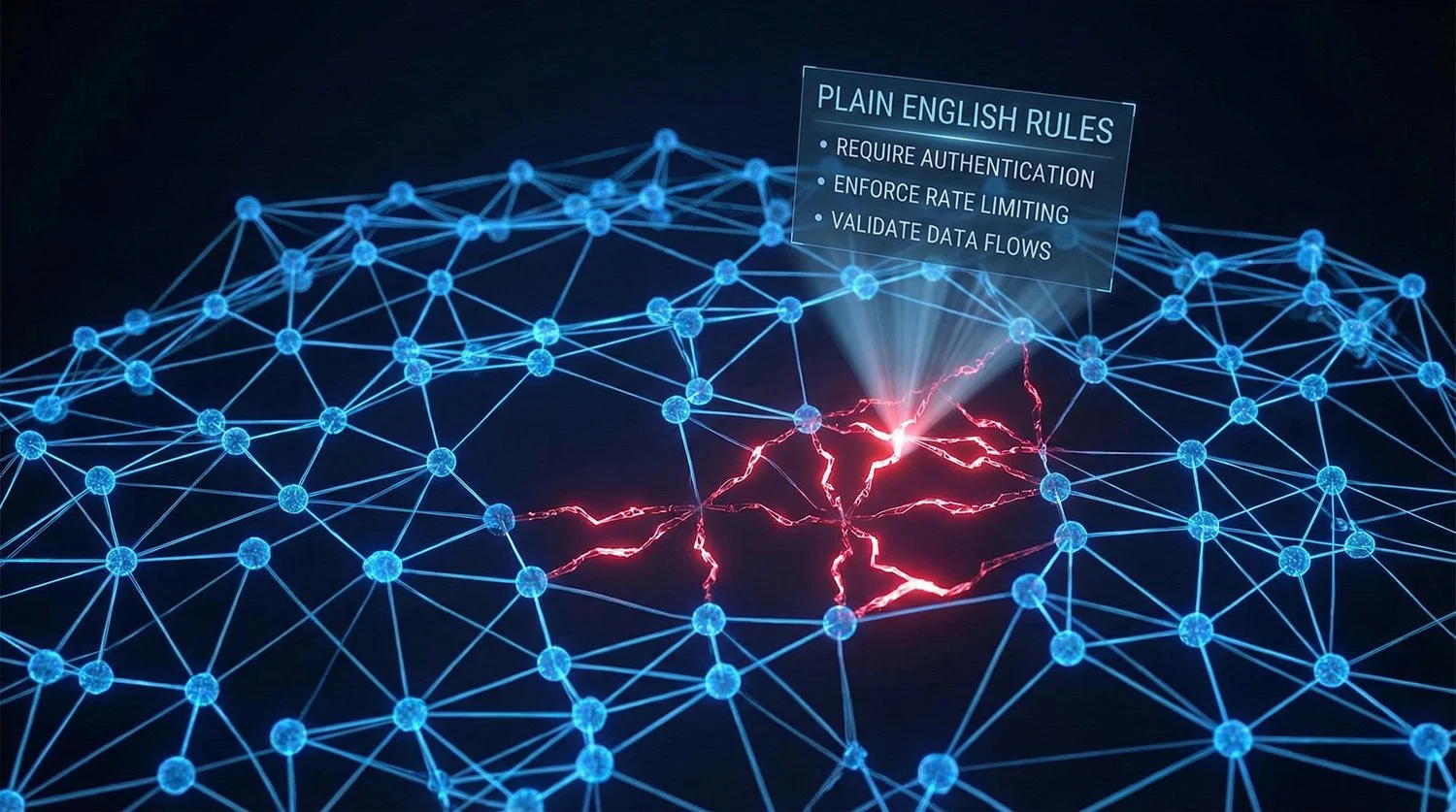
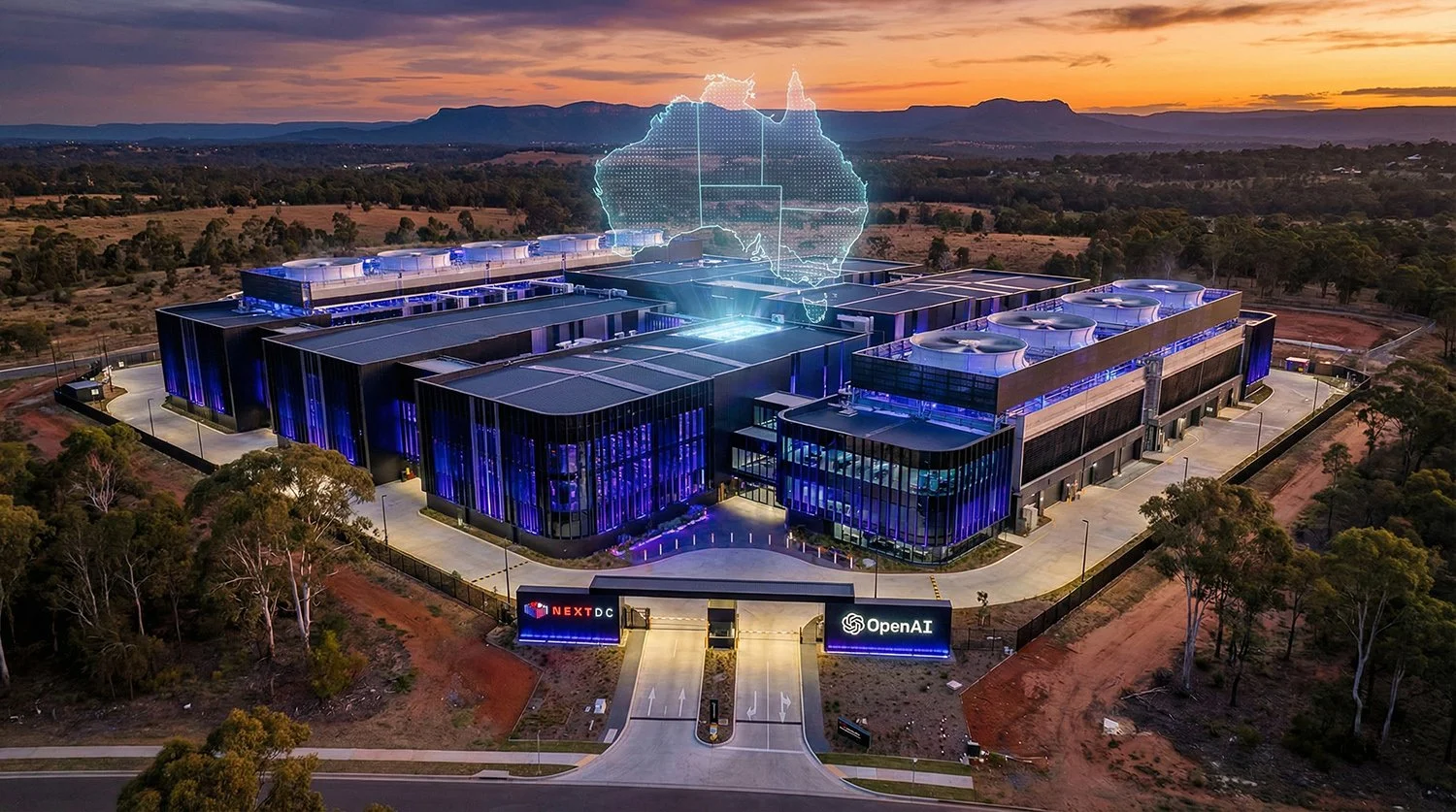
FERC’s PJM direction focuses on a specific arrangement that has become a flashpoint: data centres seeking power from generators next door, sometimes described as plugging directly into power plants. Reuters notes supporters argue co-location can reduce the need for new power lines, while critics warn it can reduce energy available for public supply and push costs onto other customers.
Associated Press reporting linked the dispute to a high profile co location proposal involving Amazon and a Pennsylvania nuclear plant, and described concerns from utilities and consumer groups about reliability and rate impacts if these arrangements are not tightly governed.





























DOE Invokes Section 403 on “Large Loads”
Separately, the US Department of Energy (DOE) has pressed FERC to consider a broader framework for large load interconnections to the interstate transmission system. In an October 2025 letter and attached advance notice of proposed rulemaking, DOE defined “large loads” as greater than 20 MW and explicitly referenced AI data centres as part of the demand surge it wants the grid to accommodate in a timely and orderly way.
FERC has already been processing this track as a formal rulemaking docket, including extending comment timing in November 2025.
The debate is not just engineering. It is also about jurisdiction. DOE’s approach argues for a stronger federal role in setting consistent interconnection rules for very large loads, while state aligned stakeholders often see grid planning, rate design, and consumer protection as areas where states should retain meaningful control.


























Cost and Accountability Rules
Even as Washington leans in, state level action is accelerating. Latitude Media reported that states enacted more than a dozen data centre laws in 2025, often aiming to ensure large projects pay for grid upgrades or to limit cost shifting onto households. Importantly for accuracy, the White House executive order on national AI policy issued 11 December 2025 explicitly exempts state laws tied to AI compute and data centre infrastructure from preemption, meaning this infrastructure fight is not neatly covered by the broader federal push against certain state AI rules.
























Rewriting the Rulebook for AI Scale Electricity Demand
PJM is not alone. In Texas, the ERCOT grid has published and updated guidance on its large load interconnection process, reflecting the same issue: a flood of requests from data centre and other power hungry projects is forcing more formal processes before loads can be energised.
In Virginia, regulators have moved toward treating very large customers differently through a new “GS 5” rate class starting in 2027 for customers at or above a 25 MW threshold, alongside minimum demand payment requirements aimed at protecting other ratepayers from rapid infrastructure build costs.
And in Georgia, AP reported state regulators approved a major generation expansion plan largely tied to data centre demand, with critics warning about the risk of ordinary customers carrying costs if growth forecasts fall short.






























Ethics and Societal Impact
For the general public, the societal impact is likely to show up in three ways.
First is bill pressure. PJM’s capacity market results and related reporting point to affordability becoming a key political test as AI infrastructure scales.
Second is reliability risk if rules are unclear or incentives misfire, which is exactly what FERC said it is trying to avoid in PJM.
Third is who bears local impacts. Reuters reported that surging AI data centre demand is contributing to keeping older peaker plants in service in some regions, raising concerns that pollution burdens can fall heavily on nearby communities.
FERC has put PJM on the clock to file tariff changes, and the compliance process will reveal how strict the final guardrails are on cost allocation, reliability studies, and priority access to generation when supply is tight.
In parallel, the DOE driven “large load” rulemaking track could shape whether the US ends up with a more uniform national template for interconnecting mega scale AI loads to interstate transmission systems, or continues with a patchwork where states and regional operators set many of the practical rules.























License This Article












 TheDayAfterAI News
We are a leading AI-focused digital news platform, combining AI-generated reporting with human editorial oversight. By aggregating and synthesizing the latest developments in AI — spanning innovation, technology, ethics, policy and business — we deliver timely, accurate and thought-provoking content.