
Your New Health Assistant? OpenAI Launches ChatGPT Health
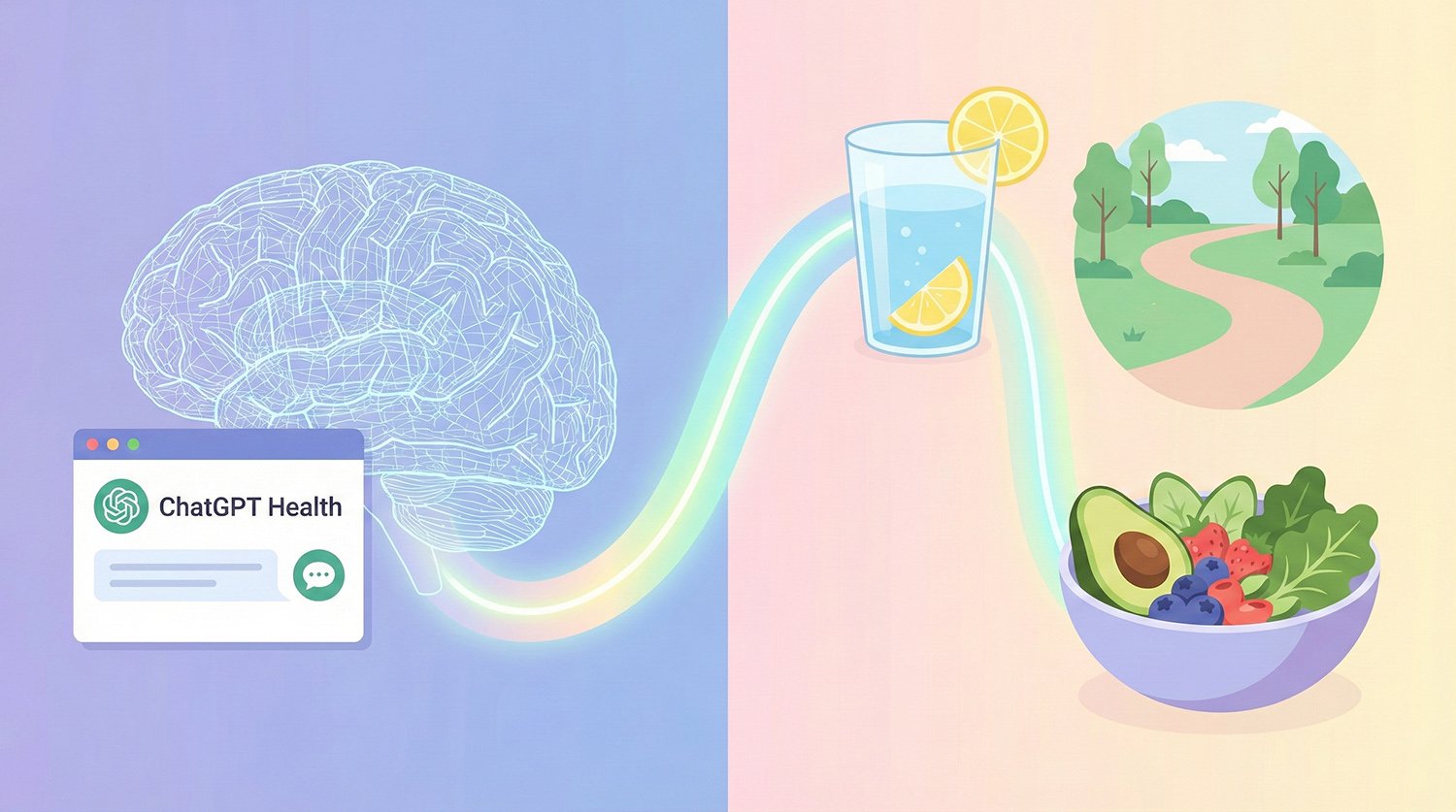
Image Credit: Jacky Lee
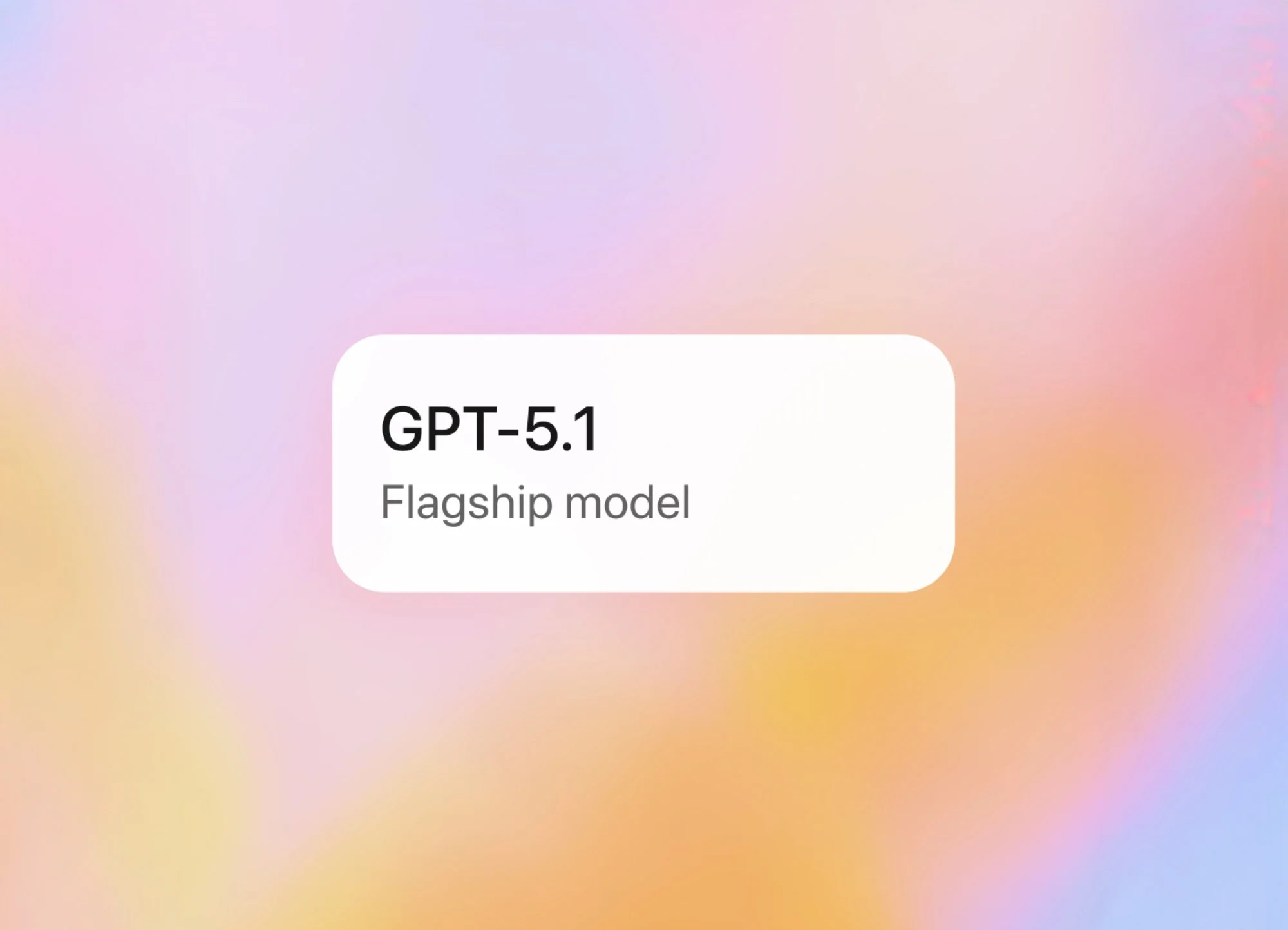
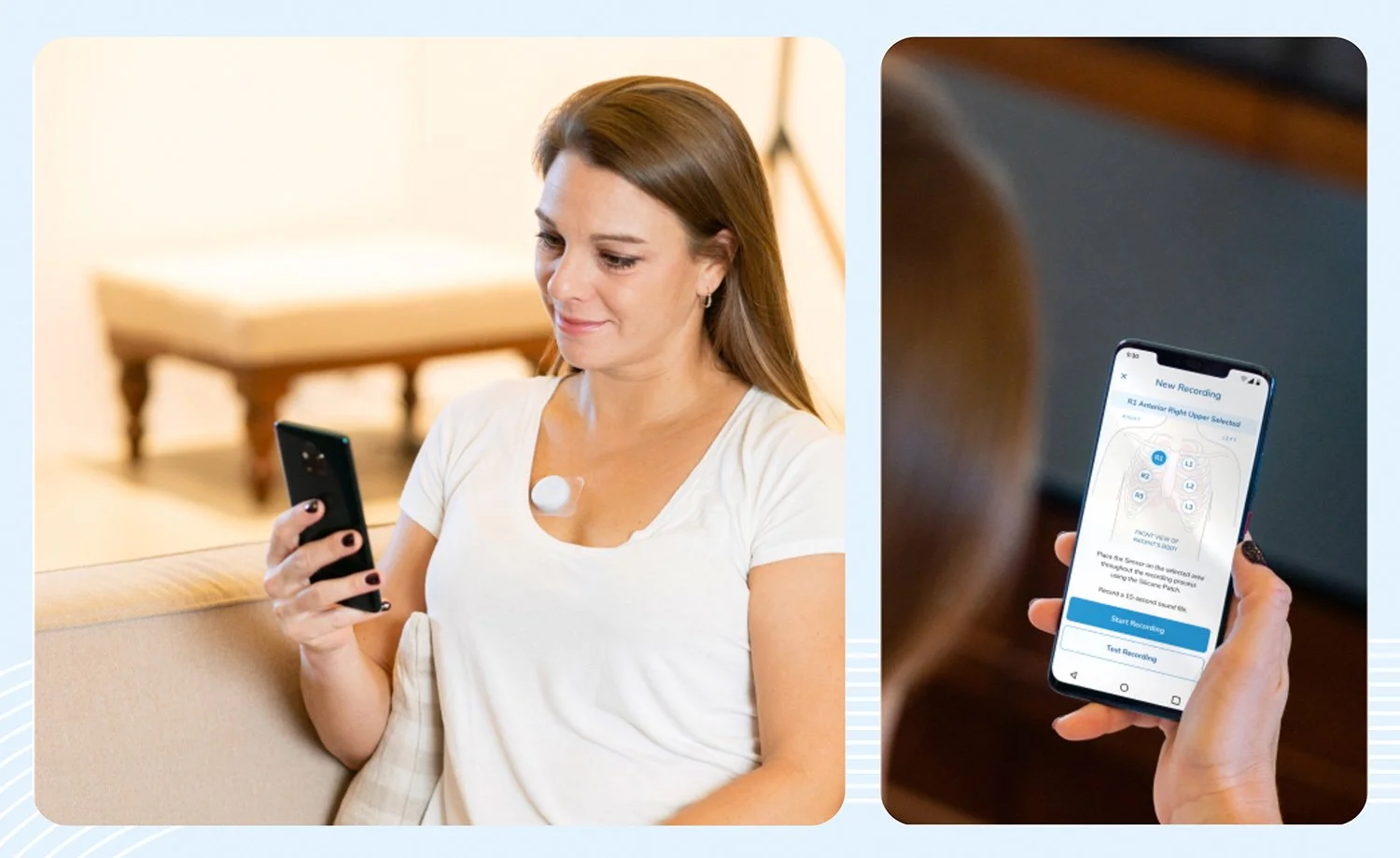
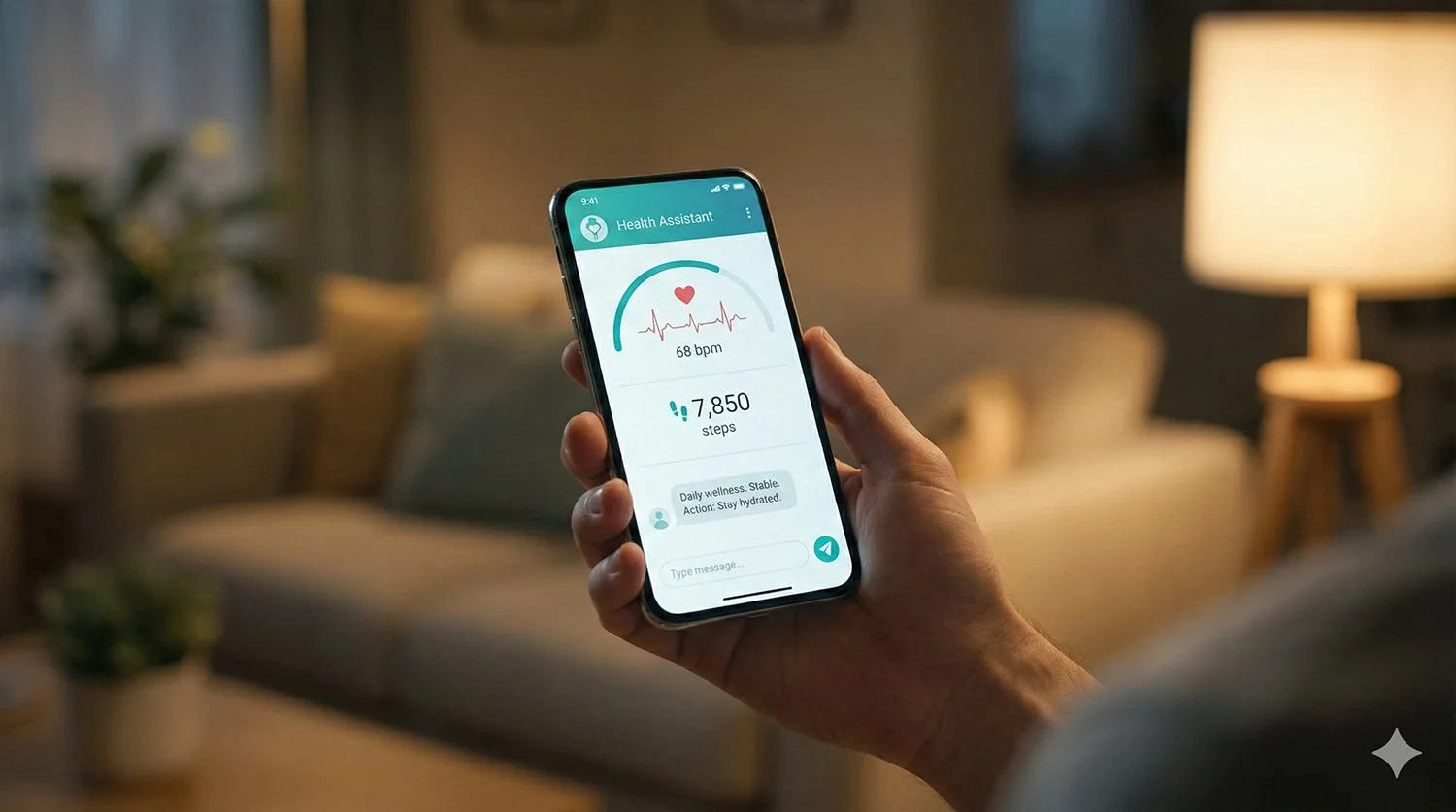
OpenAI has launched ChatGPT Health, a new Health tab inside ChatGPT that is designed for health and wellness conversations and can optionally use user provided context such as uploaded documents and connected apps. Reuters reported the launch on 7 January 2026, describing it as a dedicated space where users can upload medical records and connect wellness apps such as Apple Health and MyFitnessPal.


























What It Is Designed To Do
OpenAI positions Health as a support tool rather than a replacement for medical care. In its product announcement, OpenAI says it built Health with clinician input over more than two years, and shaped both capability and response behaviour such as clearer communication and when to encourage follow up with a clinician.
Reuters also outlined typical use cases, including understanding test results, preparing for appointments, diet and workout planning, and comparing insurance options based on individual patterns.






















Data Connections
OpenAI says Health can take context from:
Uploaded files (such as lab results, visit summaries and clinical history).
Medical Records connection (an electronic health record style connection).
Wellness app connections.
In the launch post, OpenAI lists initial app connections including Apple Health, Function, MyFitnessPal, Weight Watchers and AllTrails, alongside the new Medical Records option.
OpenAI’s Help Centre adds an important constraint: the optional Medical Records (EHR) feature is US only and requires the user to be over 18.




























Availability
Reuters said OpenAI is starting with a small group of early users across ChatGPT Free, Go, Plus and Pro plans, and initially excluding the European Economic Area, Switzerland and the UK, with broader access planned “in the coming weeks” on web and iOS.
OpenAI’s Help Centre matches the same geography exclusions and adds that Health is supported on web and iOS, with Android coming soon.
For Australia, the practical takeaway is that Australians in OpenAI supported countries remain eligible to join the waitlist unless they are in the excluded regions.



















Privacy Separation and Memory Controls
The core privacy claim is separation. Reuters quoted OpenAI saying Health “operates as a separate space with enhanced privacy”, and that conversations in Health are not used to train OpenAI’s foundation models.
OpenAI’s Help Centre expands on how the separation works:
Health chats, files and memories are not used to train foundation models.
Health information and memories do not flow back into main chats, though Health may use context from main chats when helpful.
If a user had previously connected an app to ChatGPT, they must re authorise it for Health, and can disconnect it in Settings.
On security, OpenAI’s enterprise privacy materials describe encryption at rest and in transit as part of its broader security architecture, and position a separate product, ChatGPT for Healthcare, as a secure workspace designed to support HIPAA compliance for organisations.
Separately, TIME reported that OpenAI’s chief information security officer Dane Stuckey described additional layered protections for Health such as enhanced isolation and data segmentation, beyond baseline encryption.























Why This Launch Matters
Health is one of the most common real world uses for general purpose chatbots. Reuters reported OpenAI saying more than 230 million people globally ask health and wellness questions on ChatGPT each week, and framed the Health tab as a way to give that use case a dedicated interface and data grounding options.
OpenAI also frames the product work as evaluation led: it says the model powering Health is assessed against clinical standards using HealthBench, an evaluation framework OpenAI created with input from practising physicians.
This is notable because it puts measurement and clinical rubric scoring closer to the product surface, rather than treating health as just another chat topic.
























Regulation Context
Reuters tied the launch to broader shifts in health tech oversight, noting comments from US FDA Commissioner Marty Makary that the agency would limit regulation of wearables and software designed to support healthy lifestyles.
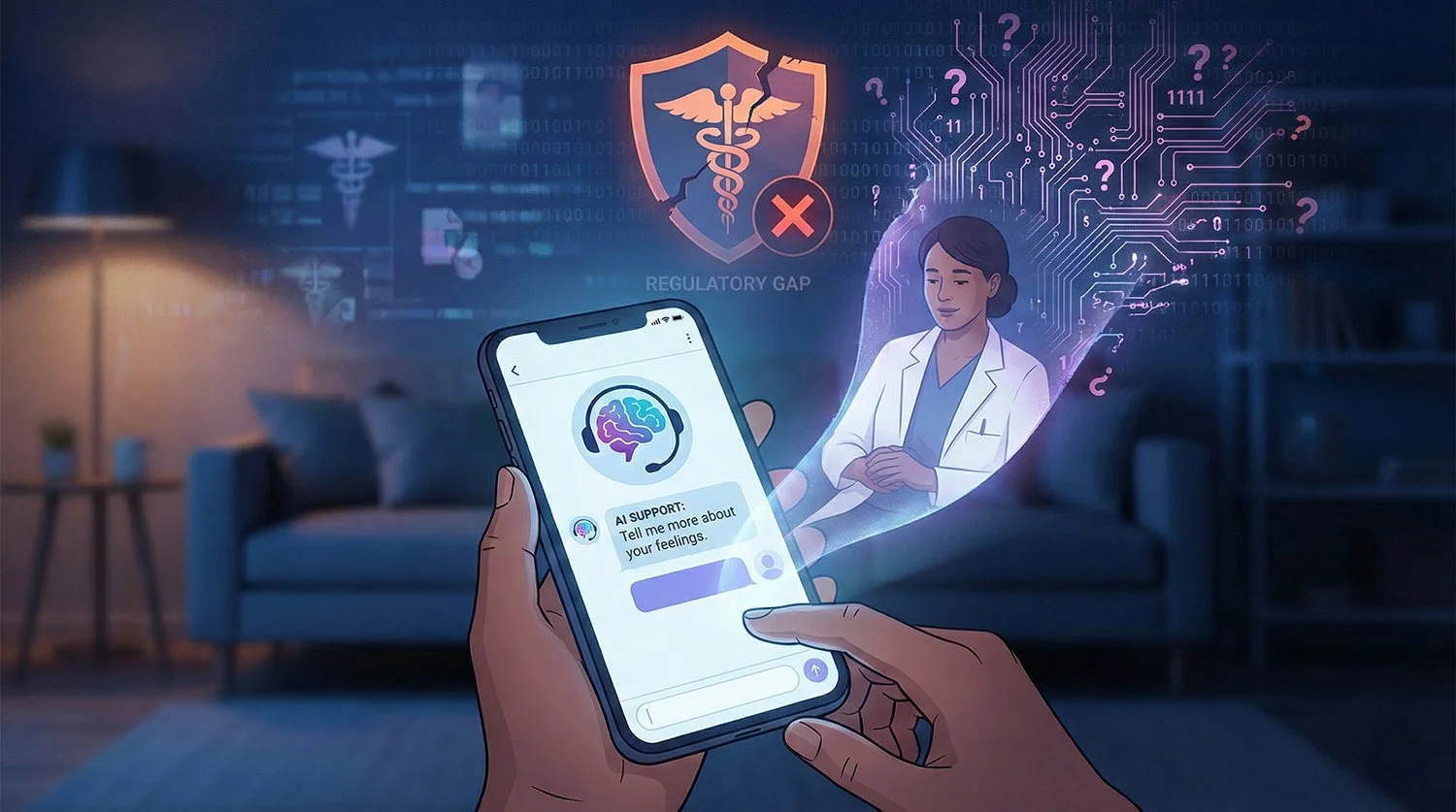
This matters because ChatGPT Health sits in a grey zone between consumer wellness advice and medically sensitive context, especially when users choose to connect records.
TIME also highlighted the governance gap: it reported that ChatGPT provides technology services that are outside the scope of HIPAA in many consumer scenarios, which is one reason OpenAI separates Health from its enterprise healthcare offering.


















The Wider Race to “Health Tabs” Inside Chatbots
This is not happening in isolation. Two adjacent moves help frame the direction of travel:
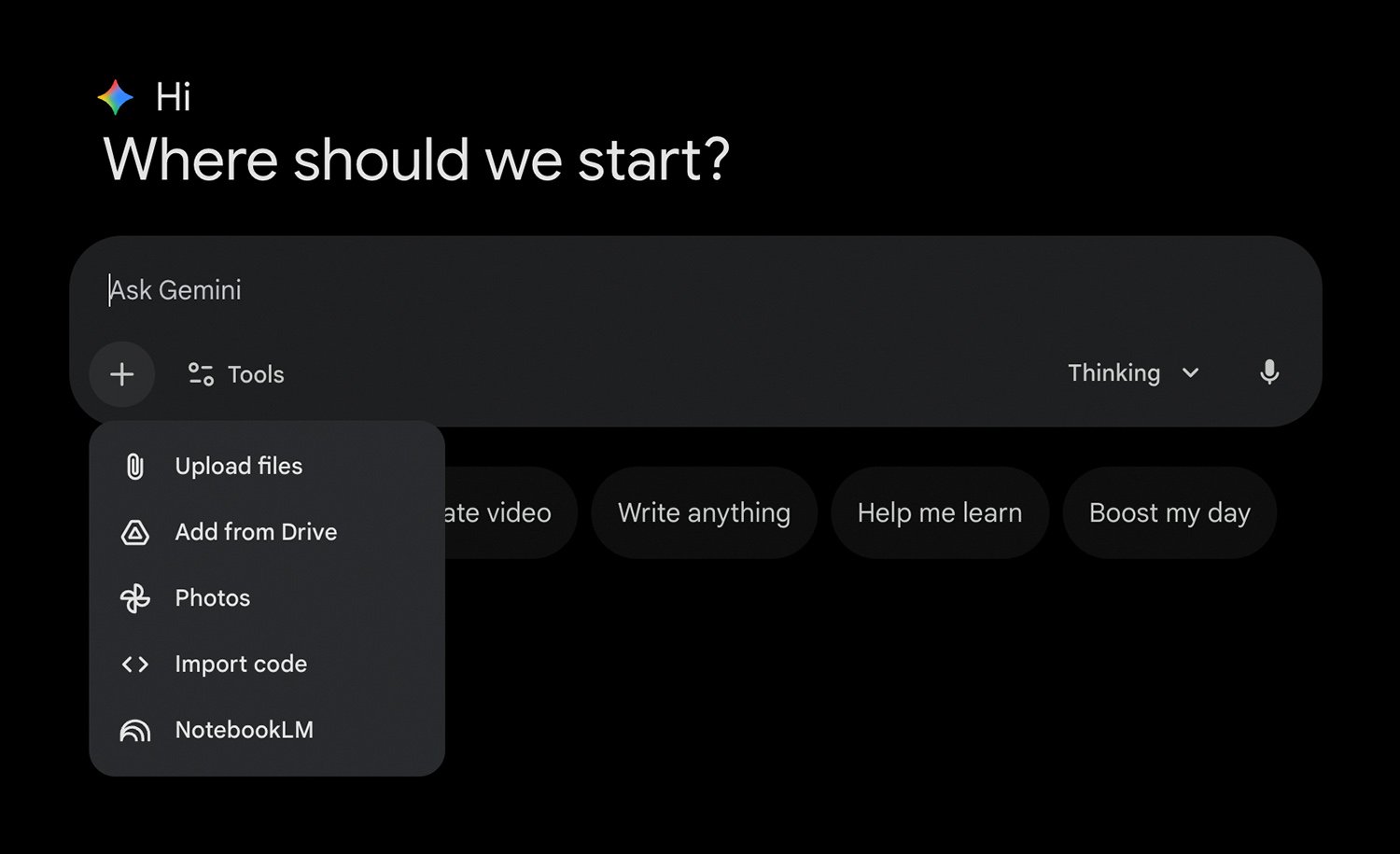
Google and Fitbit: a Gemini powered personal health coach
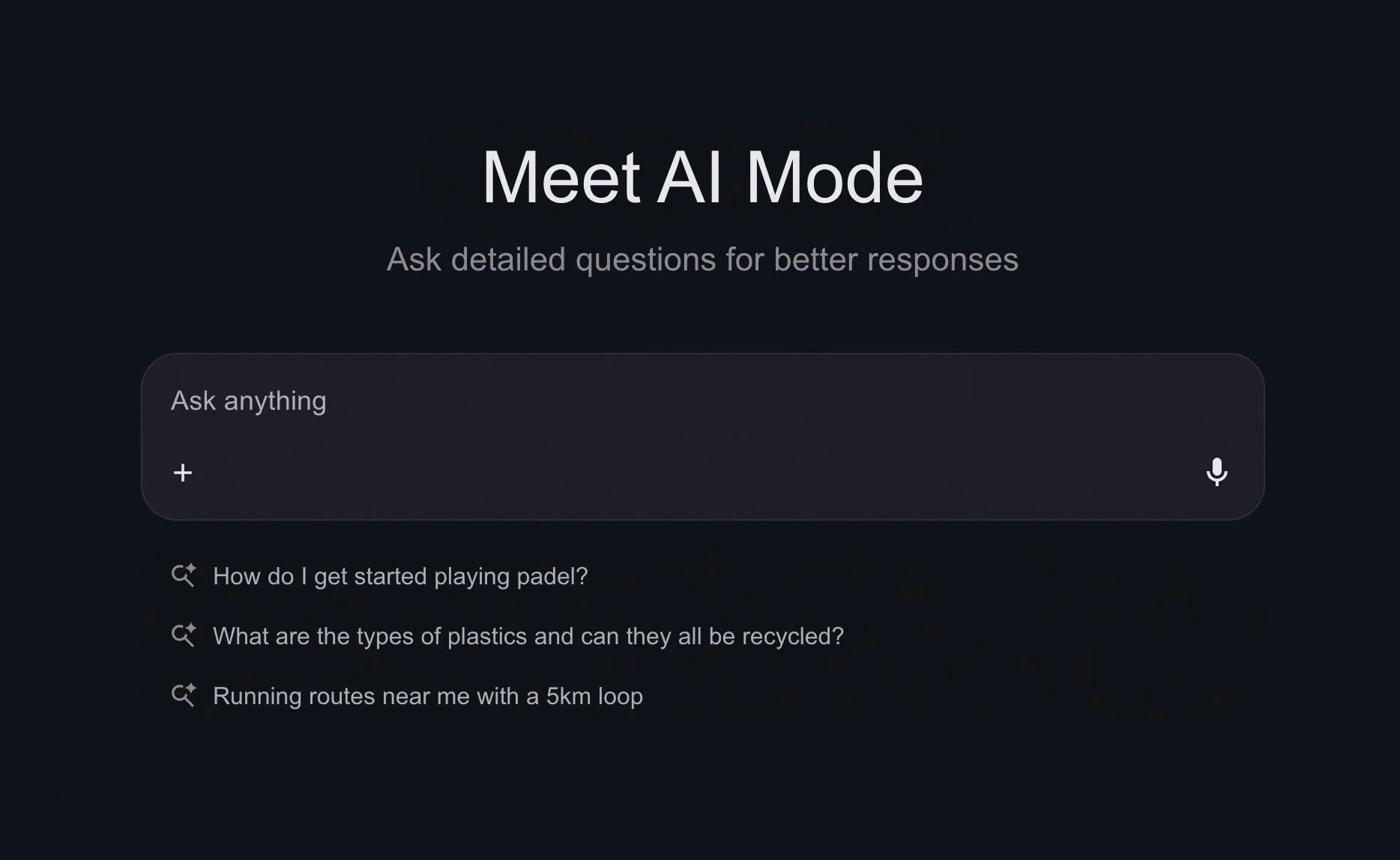
Google has promoted a “personal health coach” experience built with Gemini, oriented around everyday health guidance rather than medical record connections.
Anthropic: Claude in healthcare and life sciences
Anthropic announced an expansion focused on healthcare and life sciences, including connectors and workflows aimed at regulated environments and clinical operations.
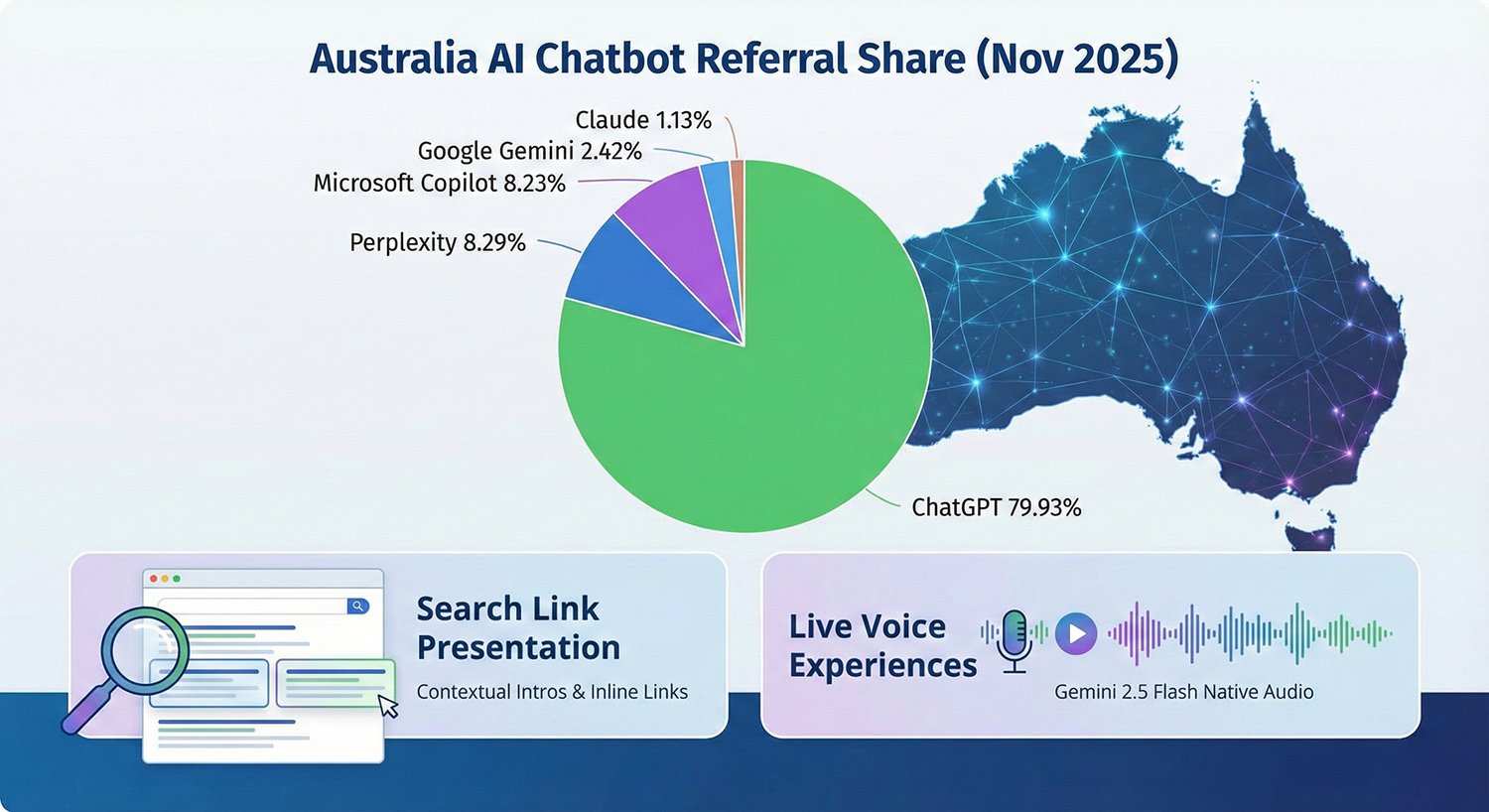
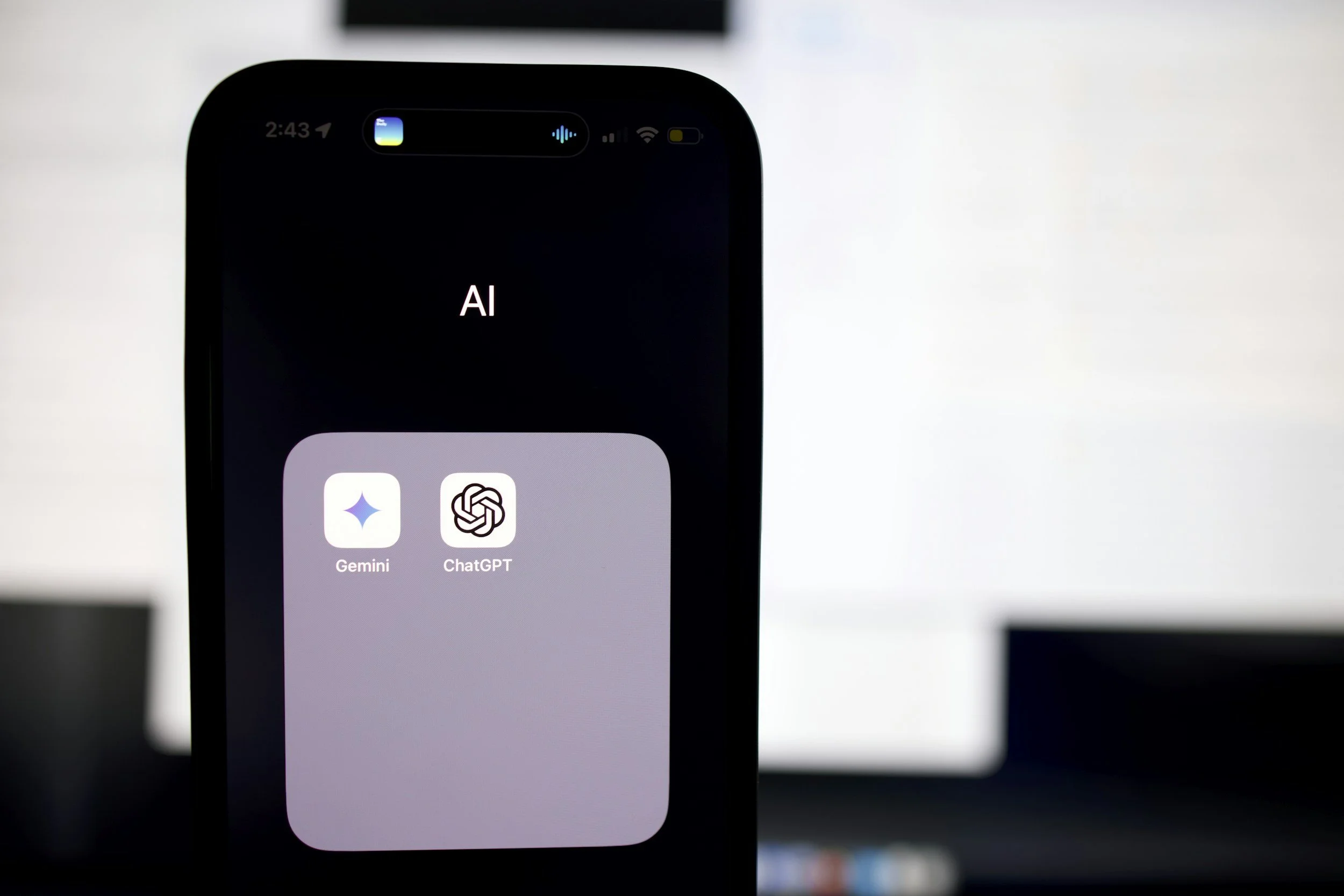
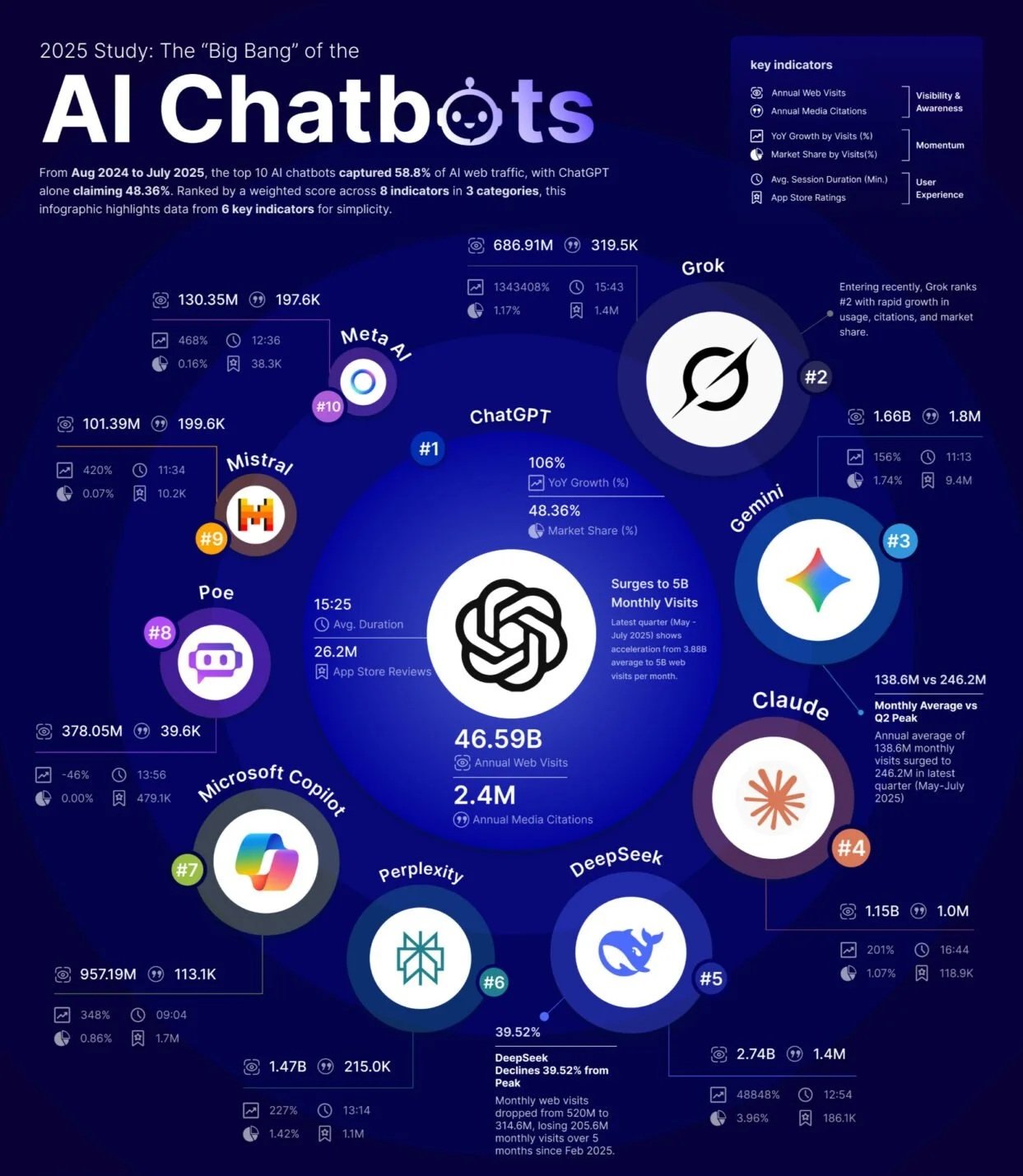
The common thread is that major AI vendors are pushing beyond generic chat into domain specific workspaces, with tighter privacy boundaries and more structured data connectors.
























License This Article












 TheDayAfterAI News
We are a leading AI-focused digital news platform, combining AI-generated reporting with human editorial oversight. By aggregating and synthesizing the latest developments in AI — spanning innovation, technology, ethics, policy and business — we deliver timely, accurate and thought-provoking content.