
OpenAI Launches ChatGPT Pulse: Daily Personalized Briefings for Pro Users

Image Credit: Pawel Czerwinski | Splash
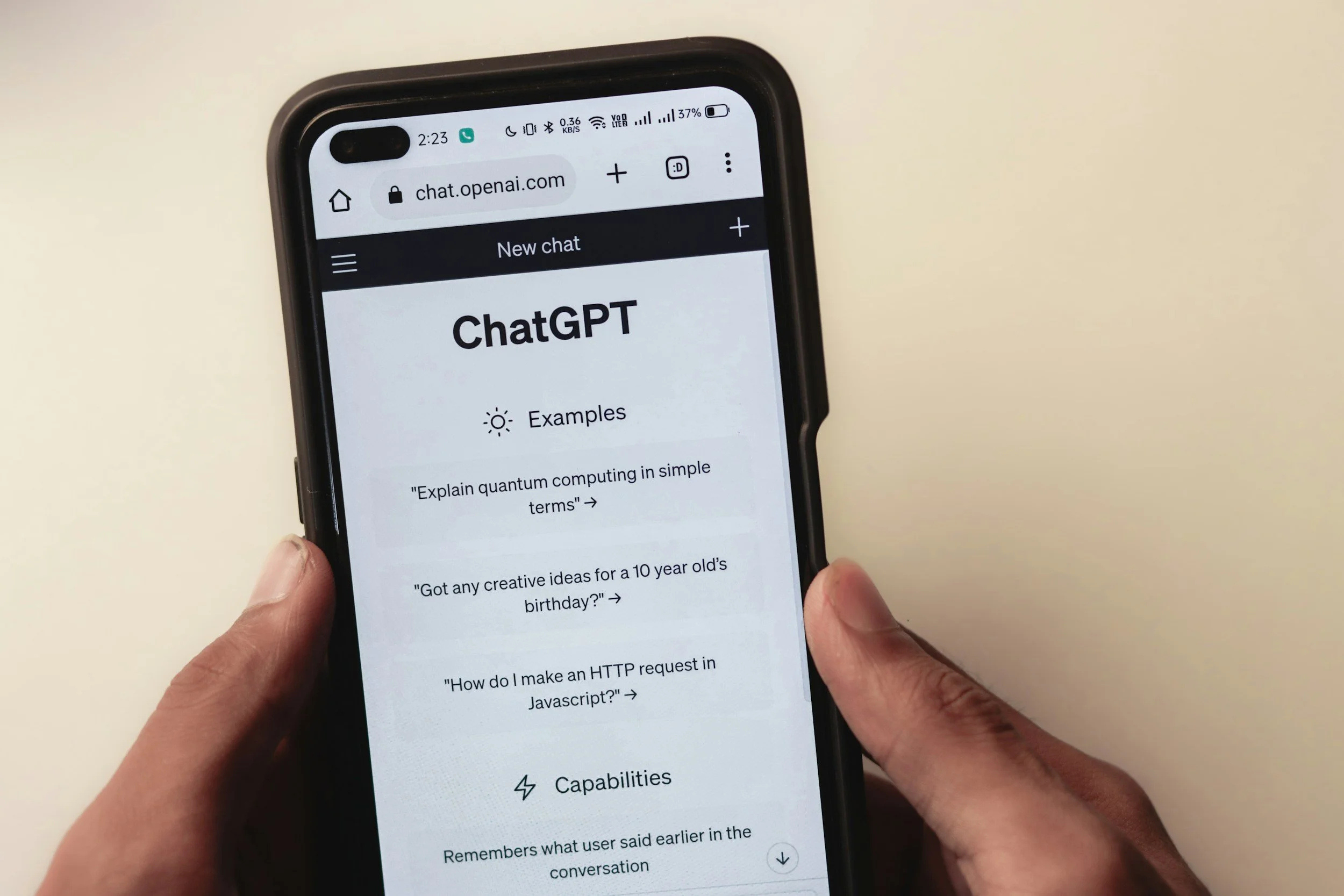
OpenAI has launched a preview of ChatGPT Pulse, a feature that moves artificial intelligence toward a more proactive role by delivering personalised daily updates to users based on their interactions.
The San Francisco based company introduced the preview on September 25, 2025, starting with Pro users on iOS and Android mobile apps. Pulse synthesises information from user chat history, stored memories and direct feedback, along with optional integrations to apps like Gmail and Google Calendar, to perform asynchronous research each night and compile tailored briefings.
These updates appear as scannable visual cards, offering quick overviews or options for deeper exploration on topics such as travel suggestions, hobby tips or calendar based reminders, with content refreshing daily to keep things focused. As a preview, it may not always hit the mark perfectly, such as suggesting ideas for already completed projects, but OpenAI plans to refine it through user input.

























Background on the Shift to Agentic AI
The rollout of Pulse reflects a growing trend in the AI sector toward agentic systems, where tools anticipate user needs rather than just responding to prompts, building on generative AI advancements since ChatGPT's 2022 debut. Features like memory retention, added earlier in 2025 to hold user preferences across sessions, and capabilities for independent research have paved the way for this proactive approach.
This development addresses a common challenge: users often struggle to frame the right questions, so AI firms are working to ease that load and integrate more seamlessly into everyday life. It aligns with industry wide efforts, including Google's Gemini, which incorporates agentic elements like reasoning through tasks and proactive assistance in areas such as planning, and Anthropic's Claude, which supports multi step agents for complex coding and analysis.
Agentic AI activity has doubled in recent months, signalling a broader evolution that could add trillions to the global economy by boosting productivity, though it requires careful management to avoid uncontrolled sprawl.

























How Pulse Operates and User Controls
Pulse activates when users enable memory features, drawing on past discussions to infer interests, like evolving gardening advice with the seasons or surfacing restaurant ideas ahead of a trip noted in a connected calendar. Integrations with Gmail and Google Calendar are optional and off by default, processed in the background once activated.
Users can shape the experience by giving thumbs up or down feedback, requesting curation for specific topics like local events or skill building tips, or deleting history to adjust preferences. Topics undergo safety checks to prevent harmful content, and updates vanish at day's end unless saved or expanded into chats.
Early feedback from college students in OpenAI's ChatGPT Lab highlights its utility, with one user noting it provided logical next steps for calendar management during a grant period in Taiwan, uncovering useful train and commute details.























Impact on Users and the AI Landscape
Pulse could transform how people interact with AI, shifting from on demand queries to anticipated support that streamlines routines, potentially challenging traditional search tools. For individuals, this means more relevant insights without effort, but it also sparks discussions on privacy, as relying on chat data and app connections might create echo chambers or raise data sharing worries.
In the competitive AI field, this preview positions OpenAI as a leader in agentic innovation, prompting rivals to accelerate similar capabilities, though initial limits to Pro users underscore scaling challenges amid rising demand. Analysts see it reshaping content strategies and online shopping, as proactive AI integrates deeper into commerce and decision making.



























Future Trends in Proactive AI
OpenAI aims to broaden Pulse to Plus subscribers soon, followed by free users and a web interface, as refinements improve efficiency. Plans include connections to more apps for fuller context and advanced automation, like pre meeting checks or timely resource suggestions.
This trajectory points to AI evolving into fully autonomous assistants that handle multi step tasks, driving competition and economic growth, while inviting scrutiny on ethics, such as mental health effects and equitable access. As agentic systems advance, they may redefine expectations, favouring foresight in user AI partnerships over the coming years.


























Source: OpenAI, Venture Beat, MM+M, Bright Edge, Kanerika, Forbes, EY








 TheDayAfterAI News
We are a leading AI-focused digital news platform, combining AI-generated reporting with human editorial oversight. By aggregating and synthesizing the latest developments in AI — spanning innovation, technology, ethics, policy and business — we deliver timely, accurate and thought-provoking content.