
AI-Generated Country Star Aventhis Hits 1M Spotify Listeners, Stirring Industry Debate

Image Source: AventhisMusic
An artificial intelligence-generated country music act known as Aventhis has surpassed 1 million monthly listeners on Spotify, highlighting the fast-growing presence of AI-assisted creators on major streaming platforms and intensifying discussion about how machine-generated content may reshape revenue distribution for human artists.
The milestone arrives as industry stakeholders continue debating the role of AI in creative production, with Spotify and other services increasingly hosting AI-influenced tracks alongside work from traditional musicians.























Background on Aventhis and the Rise of AI Music
Aventhis, positioned as an outlaw country artist, began appearing on major streaming platforms in early 2025. Across a span of roughly four months, the project released three albums — Dark Country Vol. 1, Vol. 2, and Vol. 3 — containing 57 tracks in total.
The act is created by David Vieira, who has publicly stated that he writes the lyrics while the voice and image are generated with the help of AI. The production process appears to involve additional AI-generated musical elements, reflecting a model where human authorship is combined with synthetic audio output.
A report by London-based AI-analysis firm Uhmbrella suggests that Aventhis’ songs contain contributions from systems such as Suno and Riffusion, though these findings rely on proprietary detection methods and are not independently verified.
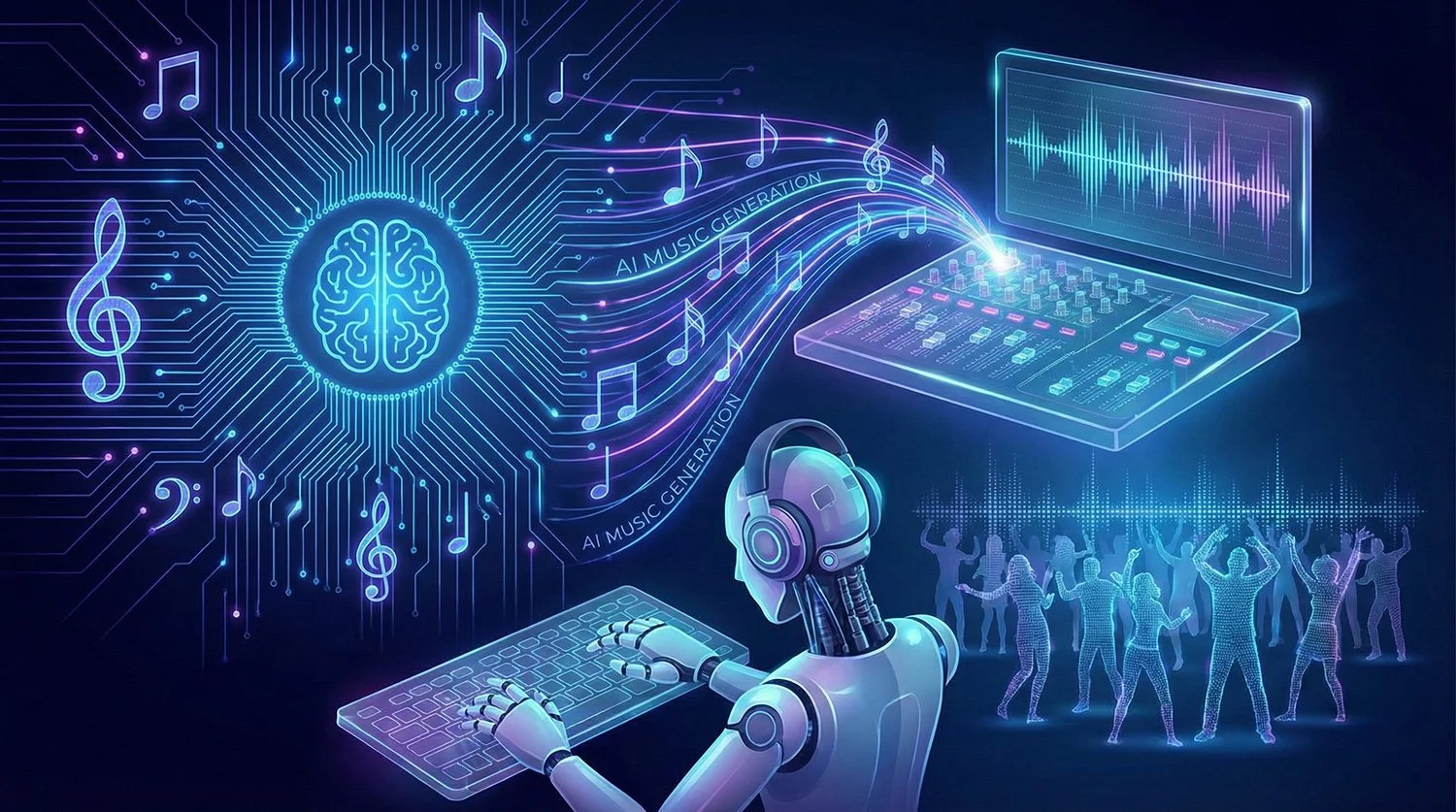
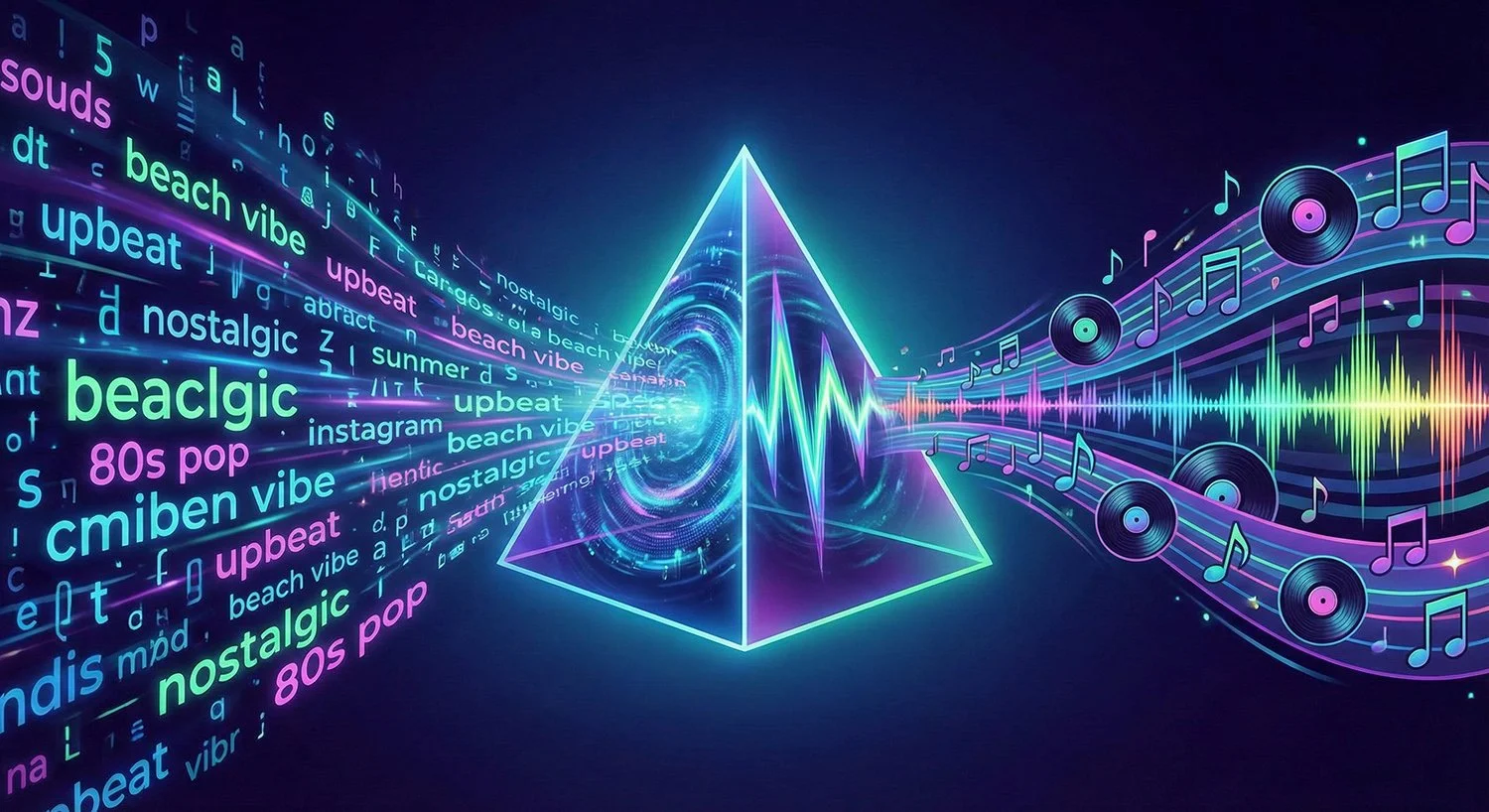
The rise of Aventhis echoes broader trends enabled by accessible AI platforms. Suno, launched in 2023, and Udio, launched in 2024, allow users to generate full songs from text prompts or pre-written lyrics. Tracks produced through these systems can be distributed via standard music aggregators to Spotify, Apple Music, and YouTube Music, lowering the technical and financial barriers to releasing music commercially.
Spotify, which reported 678 million monthly active users in its Q1 2025 earnings (up from 615 million a year earlier), has officially verified Aventhis on its platform. The service provides a “This Is Aventhis” playlist and has surfaced the act’s songs in algorithmic recommendations, contributing to its rapid audience growth.






























Production and Distribution of AI-Assisted Music
Aventhis’ catalogue blends human-written lyrics with AI-generated vocals, visual identity, and other musical components. According to Uhmbrella’s analysis, songs such as “Mercy On My Grave” and “I’m A Dead Man Walkin’” show substantial AI involvement, with estimates indicating combinations of Riffusion and Suno contributions. These percentages are based on Uhmbrella’s internal model and should be interpreted as estimates rather than confirmed technical breakdowns.
Stream-count estimates cited by Uhmbrella — including more than 2.4 million plays for “Mercy On My Grave” and over 400,000 for “I’m A Dead Man Walkin’” — align with figures from third-party tracking services, though Spotify does not provide real-time exact numbers publicly.
Distribution follows standard industry channels, using digital music distributors to place tracks on streaming platforms and user-curated playlists. Industry reports note a wider emergence of similar acts, including The Devil Inside (around 700,000 monthly listeners) and The Velvet Sundown (over 550,000 monthly listeners), reflecting growing adoption of AI tools among independent creators.
Legal ambiguity remains a central issue. The U.S. Copyright Office requires “sufficient” human authorship for works containing AI-generated material, assessing submissions case by case.
Meanwhile, Riffusion’s terms of service limit free-tier outputs to non-commercial use, while paid subscribers receive commercial usage rights. The company also retains a broad licence to user content and outputs, which can complicate how creators think about ownership, distribution, and long-term rights management.



















Impact on Royalty Streams and Human Artists
The rapid proliferation of AI-generated music highlights concerns about royalty dilution within Spotify’s pro-rata payout model, where total available royalties are divided according to each track’s share of overall streams. Projects such as Aventhis, releasing large catalogues of music at high speed, illustrate how AI could increase the number of tracks competing for listener attention, potentially reducing revenue shares for human musicians.
Uhmbrella CEO Drew Lemoine Belardo has warned that AI-generated songs are entering streaming platforms at significant scale and that the industry lacks consistent detection, attribution, and accountability mechanisms.
Spotify’s average payout, commonly estimated at US$0.003 to US$0.005 per stream, means even large listener numbers may translate into modest earnings after distributor fees and revenue splits. Aventhis’ actual earnings remain undisclosed, but the project’s scale demonstrates the growing commercial viability of AI-generated content, even if returns are proportionally smaller than audience size might suggest.
Concerns also extend to algorithmic promotion, with some artists and analysts arguing that AI-generated tracks may divert plays away from human creators. At the same time, legal tensions continue as major record labels pursue lawsuits against Suno and Udio, alleging unauthorized use of copyrighted recordings in model training.



















Advantages and Drawbacks of AI in Music
AI tools offer significant benefits to creators without access to studios, session musicians, or production budgets. This democratizes music-making, enabling wider experimentation and potentially diversifying genres and styles available on streaming platforms.
However, the rise of AI music also introduces challenges. Listeners may question the authenticity of AI-generated acts, especially those without live performance capabilities. Traditional music professionals, including producers, instrumentalists, and vocalists, face potential displacement as AI systems automate parts of the creative pipeline. Cultural commentators also warn that if AI-generated tracks saturate streaming platforms, the visibility and perceived value of human artistry may further erode.



























Future Trends in AI Music Development
Analysts expect AI-driven music to expand quickly as models improve and platforms refine their policies. Future developments may include:
AI-content labelling or detection systems, giving listeners clearer visibility into which tracks contain synthetic components.
Licensing agreements between AI developers and rights holders, potentially standardizing copyright practices.
Regulatory updates clarifying the status of AI-assisted works and the scope of human authorship required for protection.
Spotify has not commented specifically on Aventhis but continues to emphasize creator support in its broader public messaging. As AI becomes increasingly embedded in music production, the industry faces an ongoing challenge: balancing technological progress with artistic integrity and equitable revenue distribution.

































 TheDayAfterAI News
We are a leading AI-focused digital news platform, combining AI-generated reporting with human editorial oversight. By aggregating and synthesizing the latest developments in AI — spanning innovation, technology, ethics, policy and business — we deliver timely, accurate and thought-provoking content.