
Emergence of the Agentic Internet: AI Agents Reshape Online Interactions

Image Credit: JJ Ying | Splash
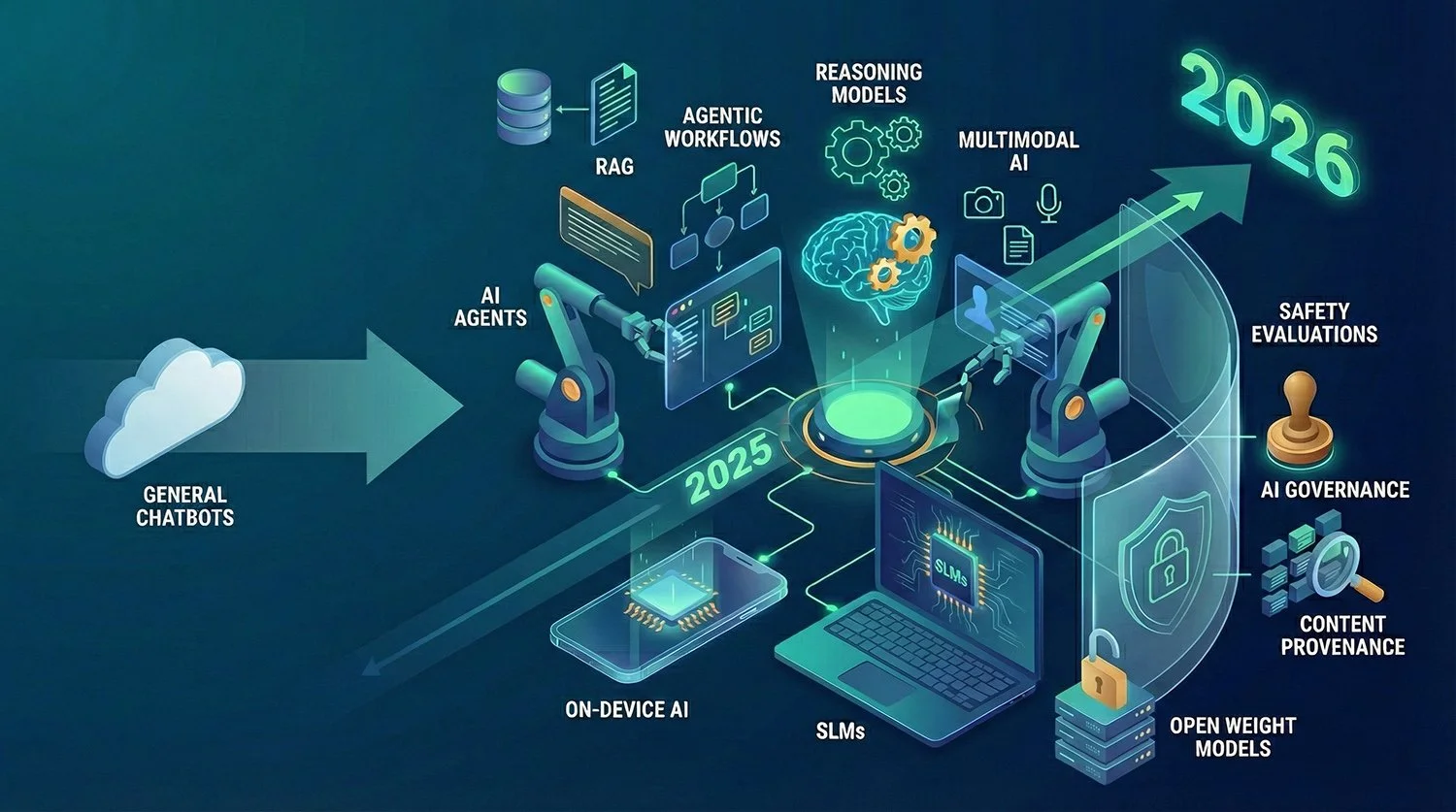
The "agentic internet", a framework where AI agents autonomously handle tasks and decisions for users, has emerged as a significant development in 2025, driven by advancements from companies like Microsoft and supported by open protocols.
























Defining the Agentic Internet
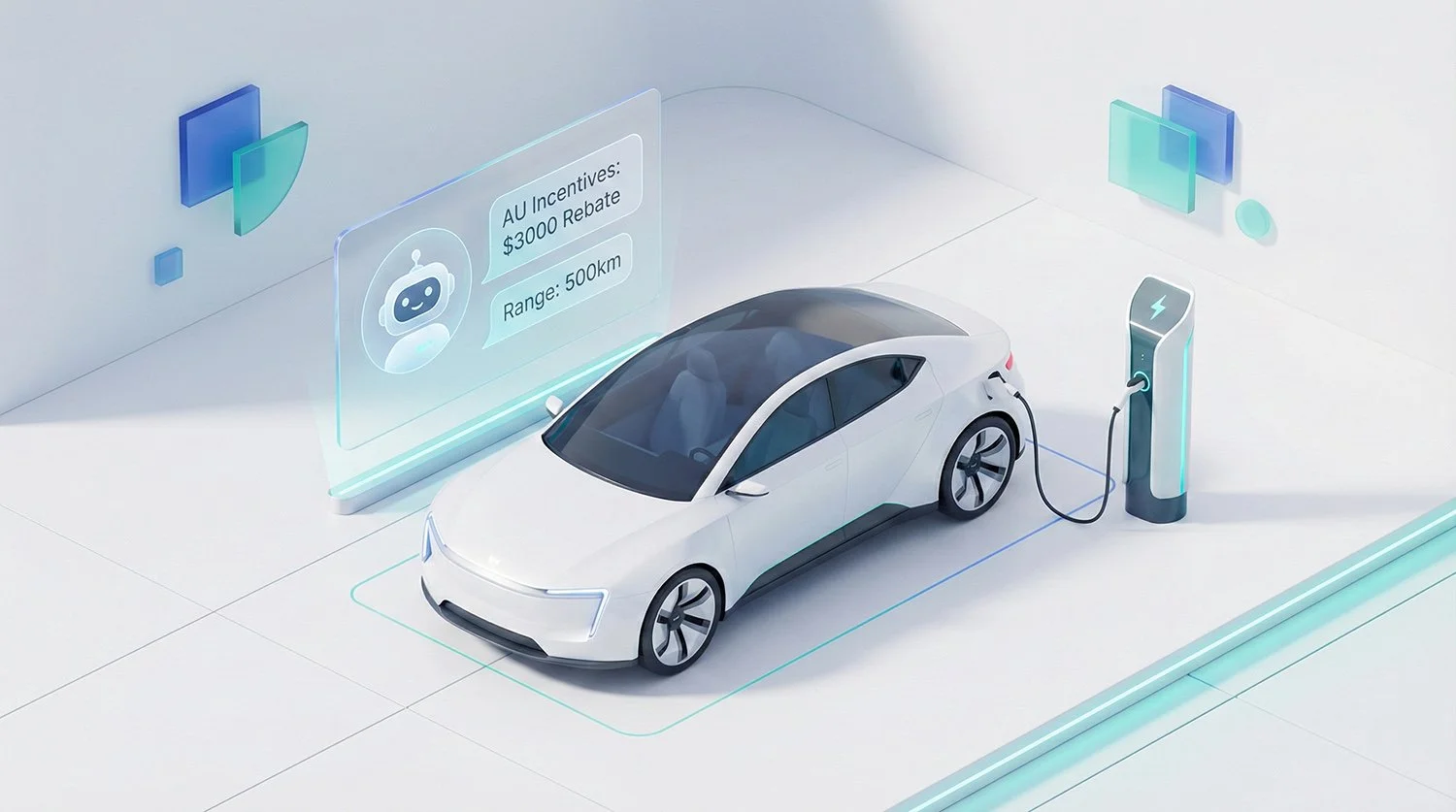
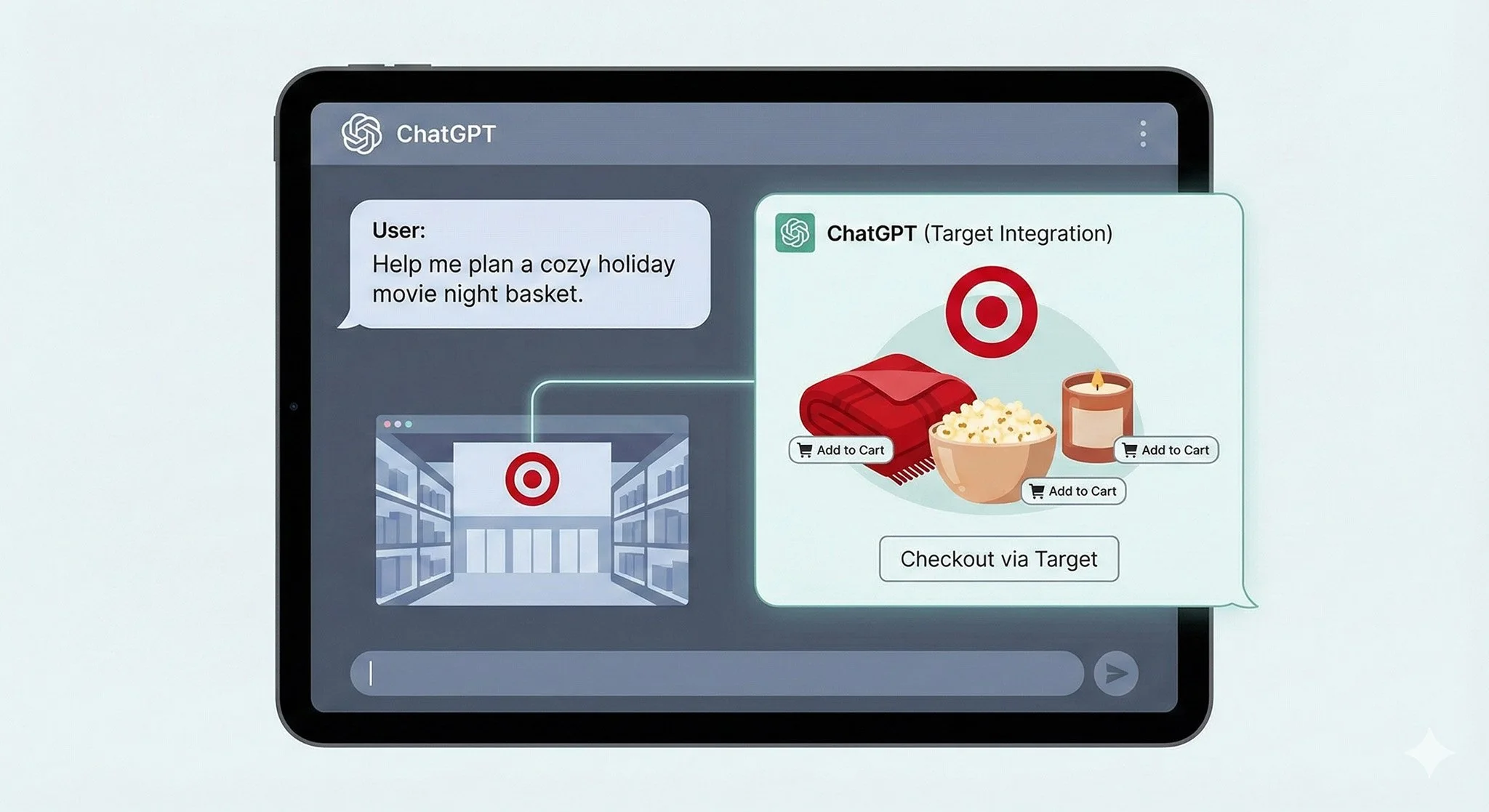
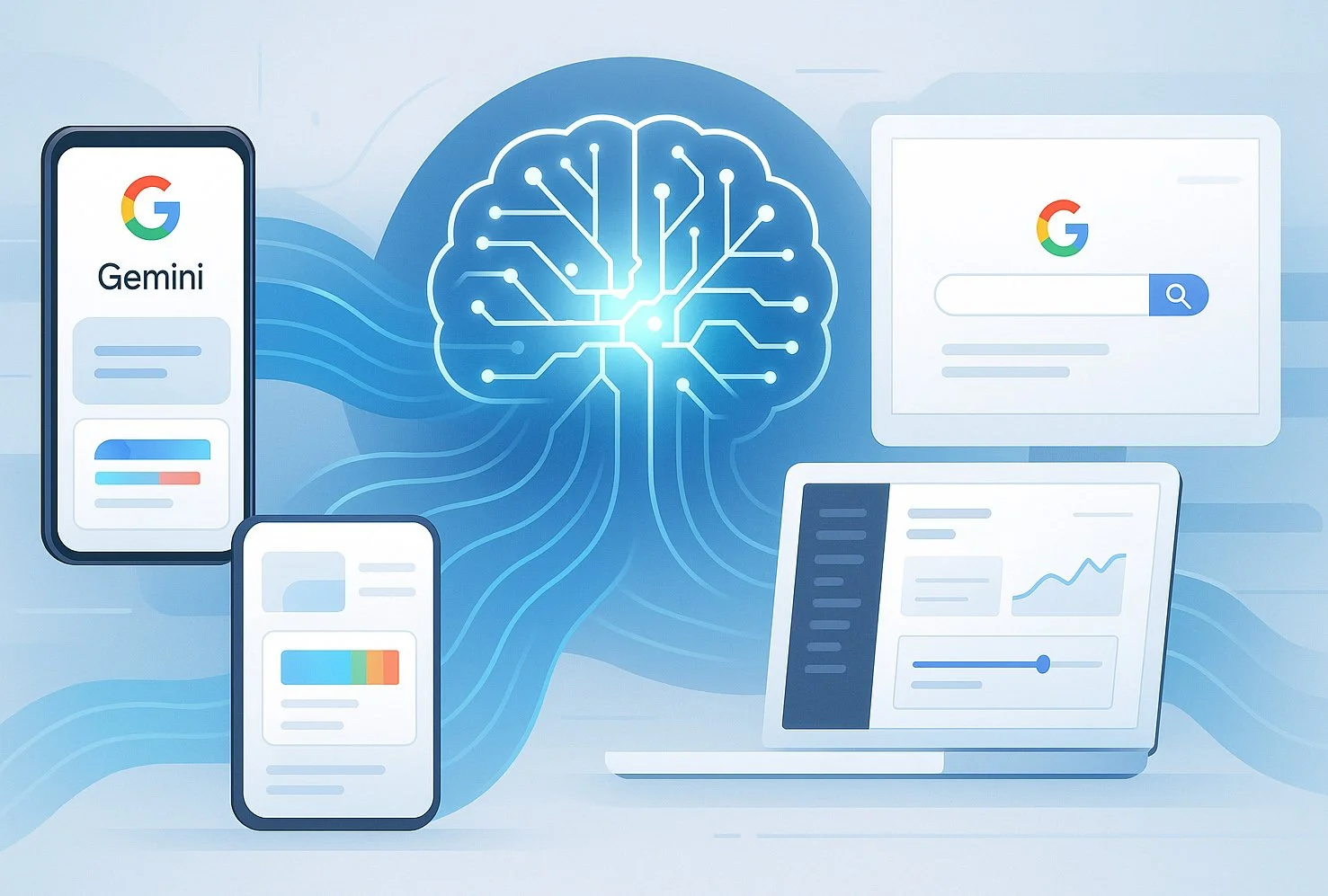
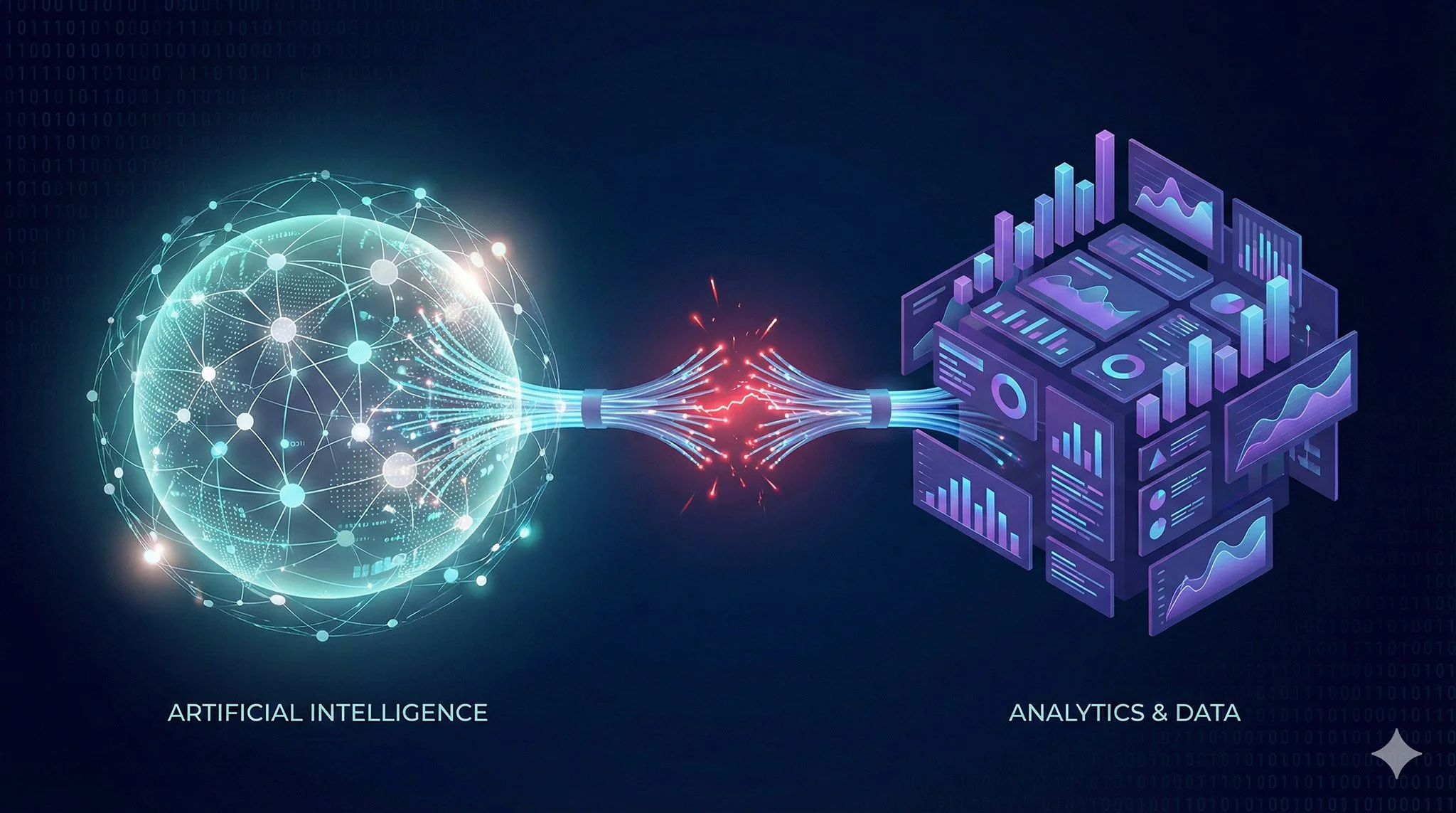
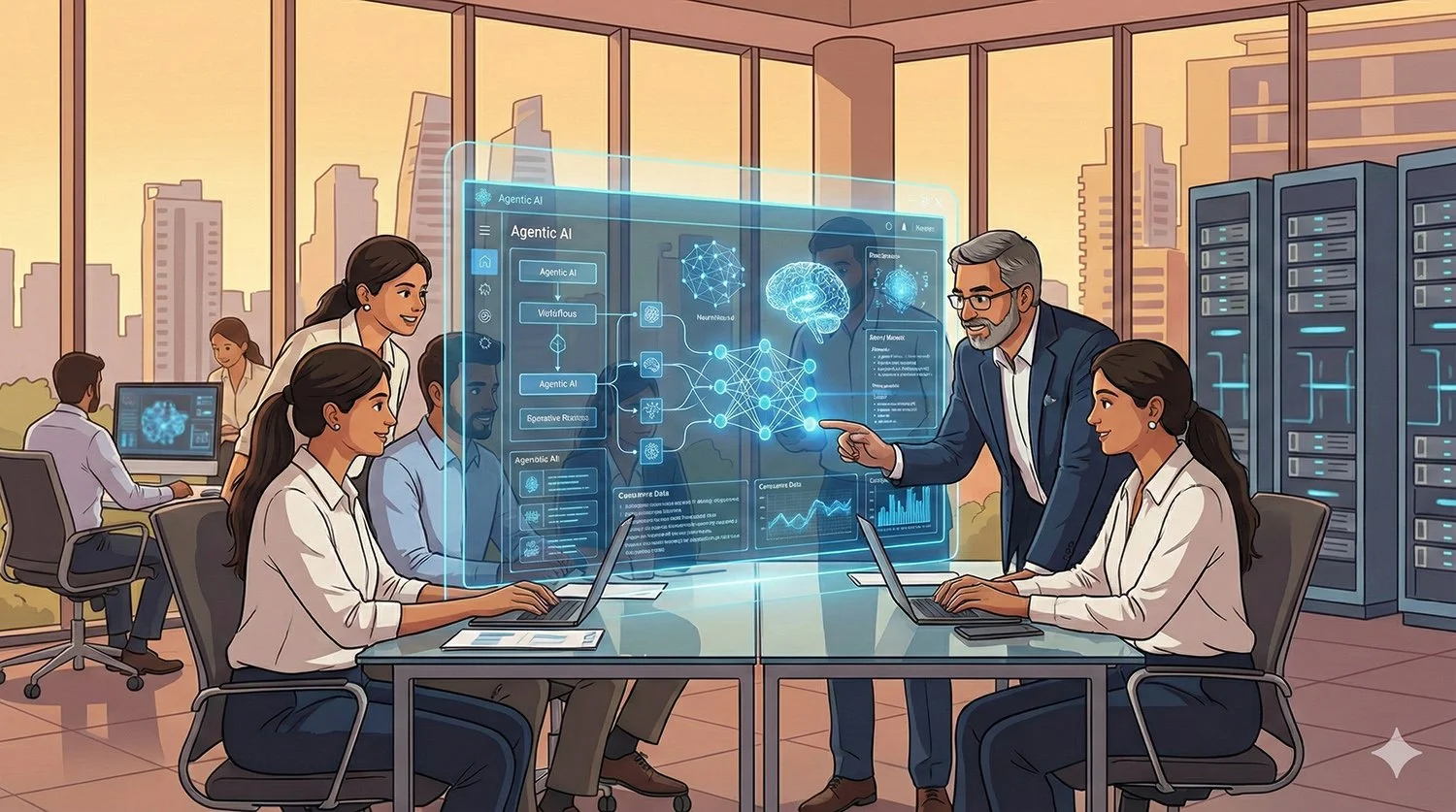
The agentic internet, also termed the agentic web, describes a distributed ecosystem where autonomous AI agents, powered by large language models, perform actions such as commerce transactions, information retrieval and task automation with minimal human input. These systems differ from traditional generative AI by pursuing multi-step goals through reasoning, planning and interaction across platforms, evolving the web from passive to proactive. Agents act as intermediaries, enabling seamless collaboration in areas like e-commerce and research.












Historical Background and Motivations
Discussions on agentic AI gained prominence in late 2024, with experts viewing it as the next phase in human-AI interaction, emphasizing decentralized protocols for agent communication. By 2025, the concept solidified amid rising AI adoption, motivated by the need to overcome limitations of isolated AI tools and fragmented software ecosystems. Because building and running state-of-the-art models can be expensive—frontier training costs run into the tens or hundreds of millions, while fine-tuning domain models is far cheaper—organizations are exploring scalable agent systems to enhance productivity in business and daily operations. The drive stems from enabling AI to manage routine processes, allowing humans to focus on higher-level strategy.





















Key Developments in 2025
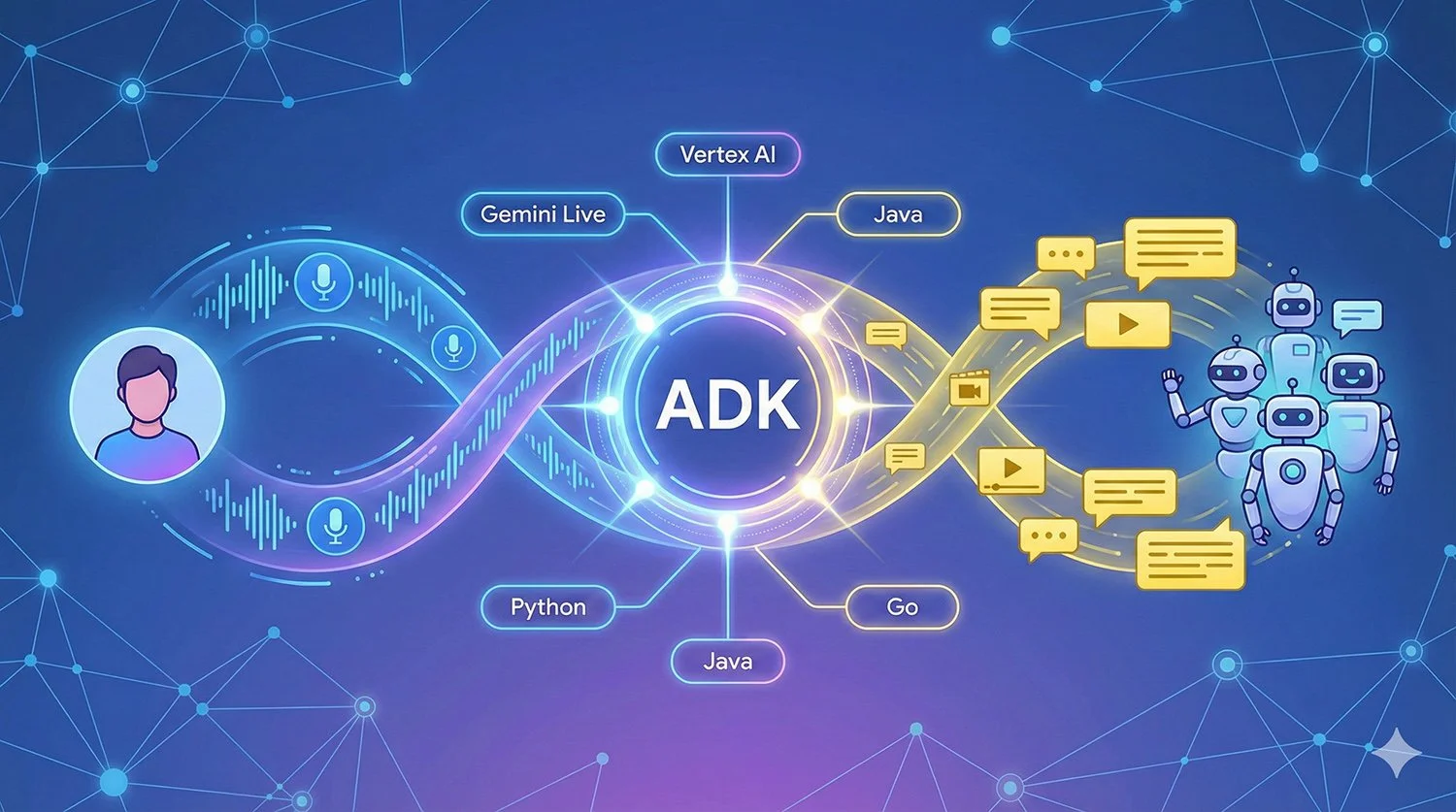
At Microsoft's Build conference on May 19, 2025, the company unveiled its vision for an "open agentic web", introducing NLWeb, an open project to create natural language interfaces for websites. NLWeb simplifies conversational access to site content using structured data. Microsoft also highlighted over 50 AI tools for building autonomous agents, including integrations with the Model Context Protocol (MCP), an open standard from Anthropic for connecting AI to external data sources, now supported in agent ecosystems. Azure AI Foundry added models like xAI's Grok 3 for multi-agent tasks in software development and enterprise processes. Separately, the Agent Network Protocol (ANP), an open-source standard, emerged for secure, decentralized agent interactions.
























Impacts on Business and Society
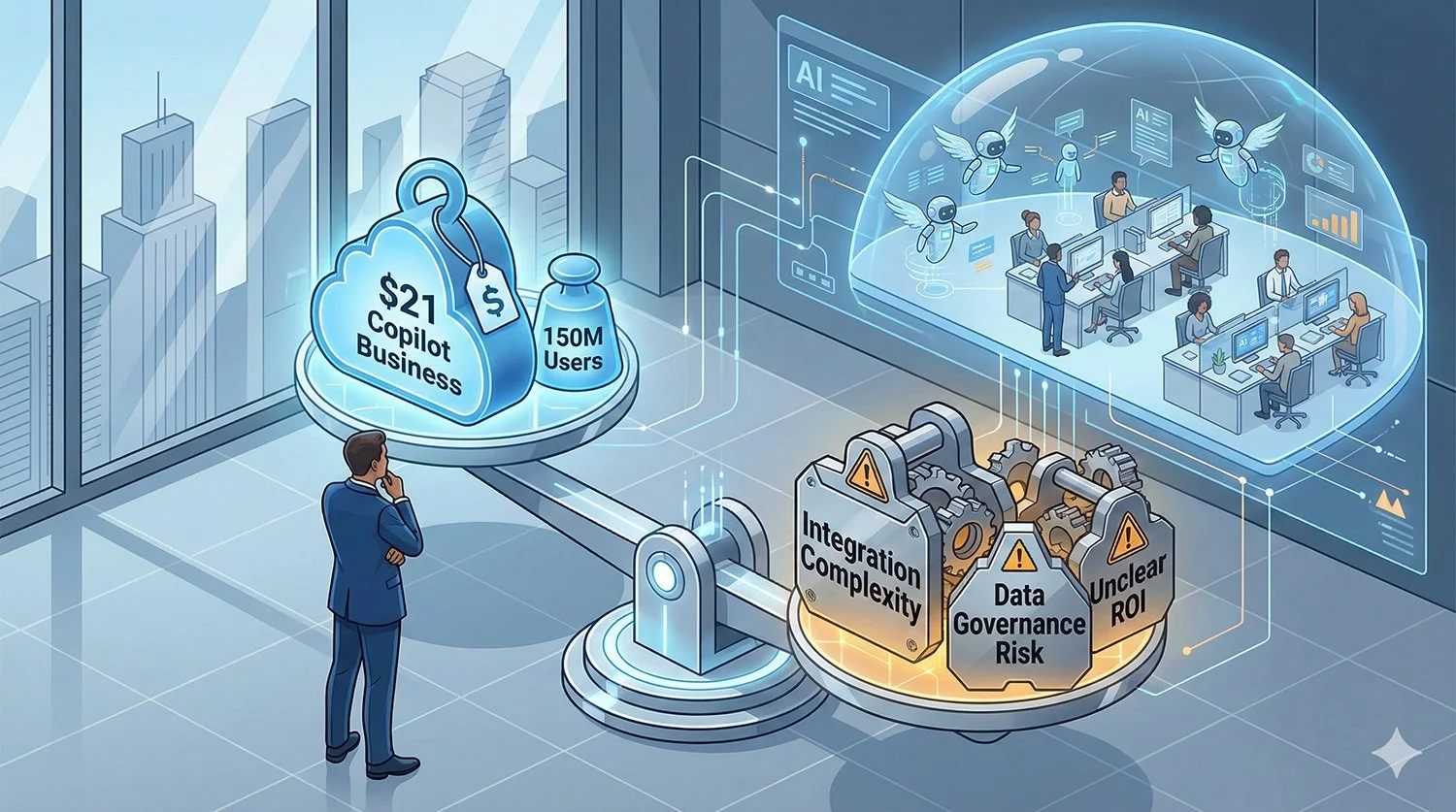
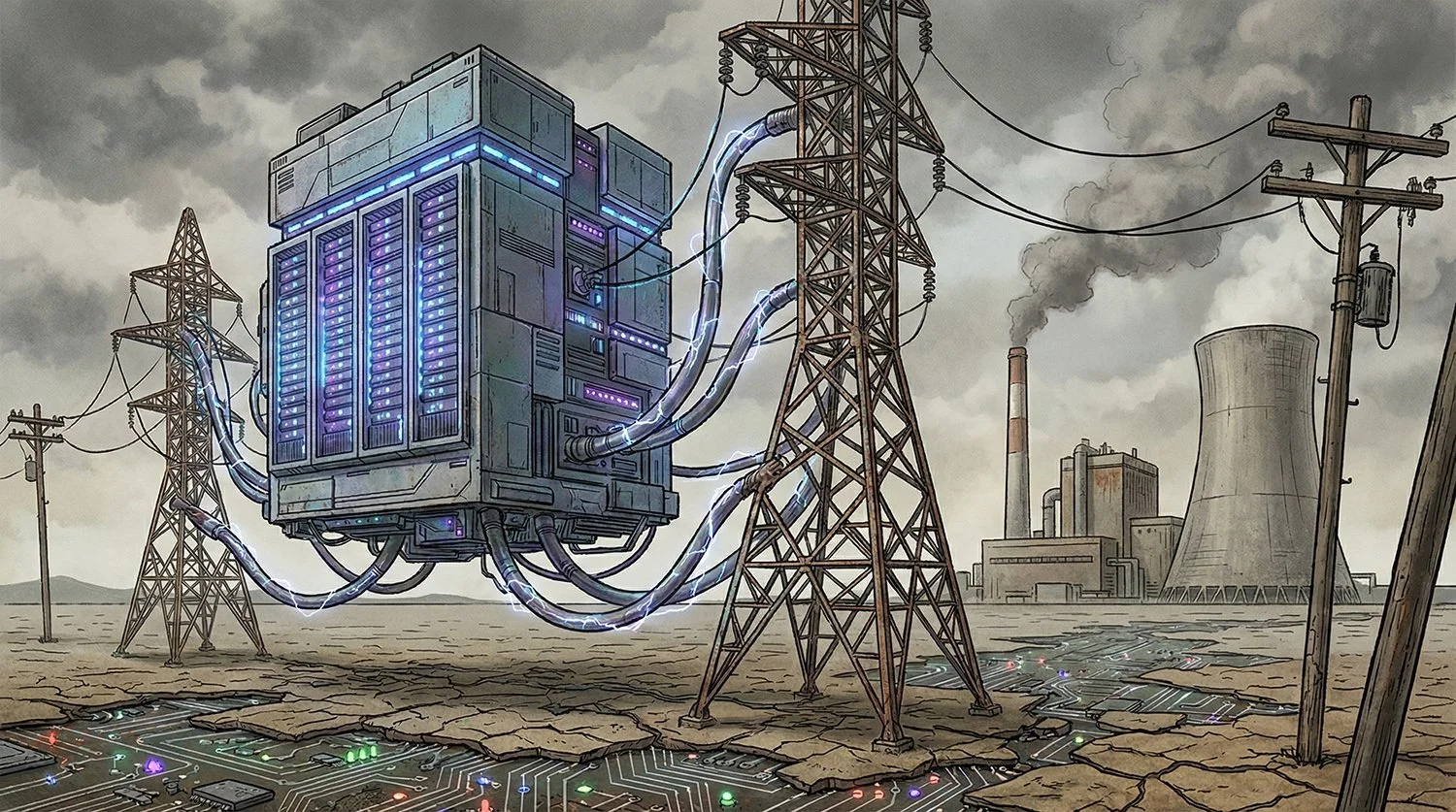
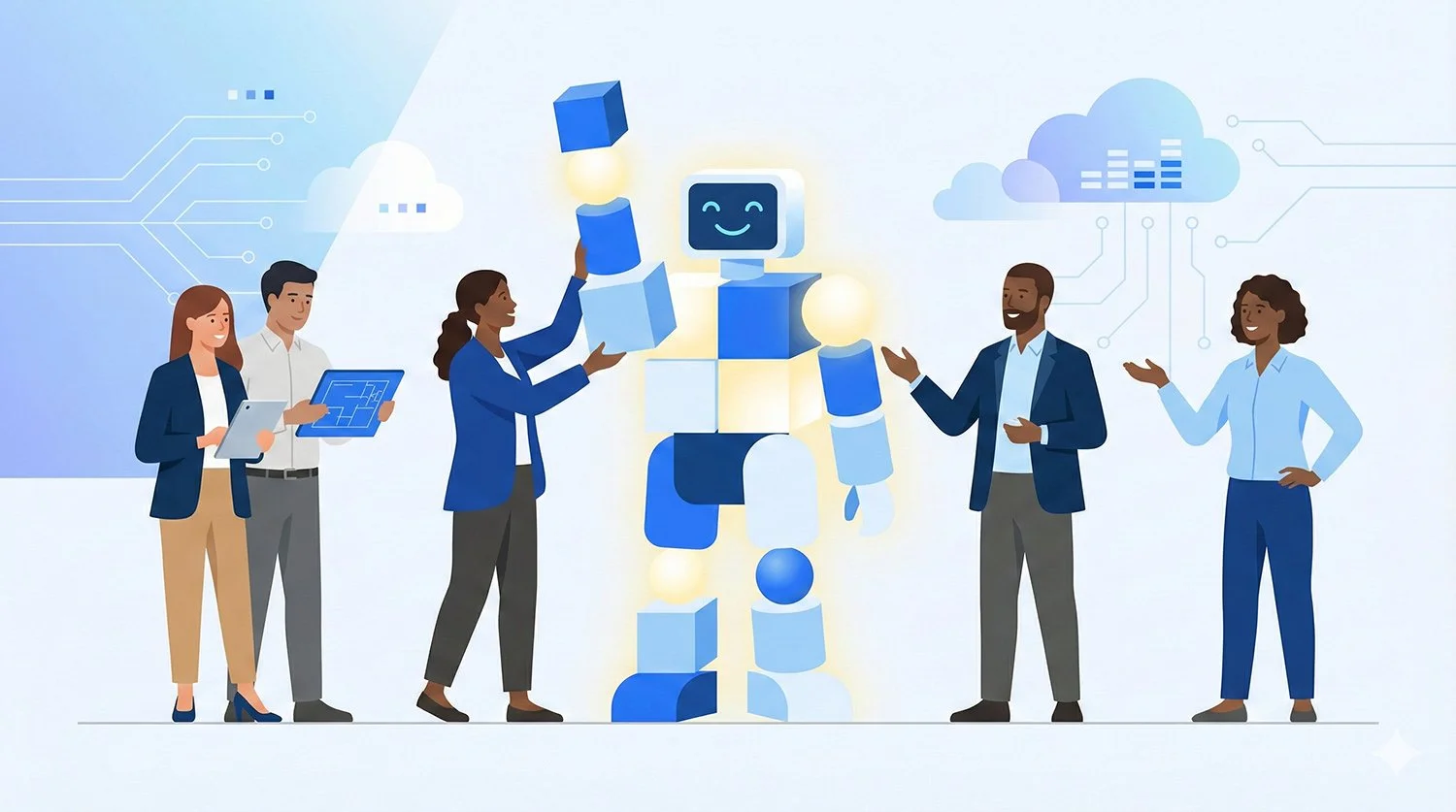
Agentic systems are influencing operations by forming collaborative "teams" with humans, optimizing areas like retail personalization and supply chains to cut costs and improve efficiency. Microsoft says its Discovery platform uses agents to accelerate R&D and cites a non-PFAS data-center coolant found in ~200 hours as an example. Broader societal effects include enhanced decision-making through data analysis, though shifts in web traffic—where agents bypass direct visits—challenge ad-based revenue models. Environmental concerns arise from increased computational demands.


















Challenges and Risks
Interconnected agents heighten issues like hallucinations, biases and propagation of errors in multi-step processes. Ethical risks include diminished human oversight, privacy vulnerabilities and accountability gaps, necessitating transparency and safeguards. The web lacks a widely adopted, native micropayments layer (despite efforts like W3C’s Payment Request API and Interledger’s Web Monetization), complicating creator monetization as agents reduce direct visits. Analysts stress governance, audits and mechanisms like emergency controls to mitigate these.



























Future Trends
Gartner forecasts agents will handle ~15% of day-to-day work decisions by 2028, feature in 40% of enterprise apps by 2026, and over 40% of projects will be scrapped by 2027. Trends include self-improving agents, multi-agent systems and integration with physical AI, though high costs and risks contribute to project challenges. Emphasis on ethical frameworks and hybrid human-AI models is expected to guide adoption, potentially fostering competitive marketplaces via micro-transactions.































 TheDayAfterAI News
We are a leading AI-focused digital news platform, combining AI-generated reporting with human editorial oversight. By aggregating and synthesizing the latest developments in AI — spanning innovation, technology, ethics, policy and business — we deliver timely, accurate and thought-provoking content.