
Six Leading AI Platforms Forecast Rocket Lab (RKLB) for December 22-26, 2025
Disclaimer: This article is for informational and educational purposes only. The predictions and analyses presented herein were generated by AI systems and should not be construed as financial advice, investment recommendations, or solicitations to buy or sell any securities. Stock prices are inherently unpredictable, and all investments carry risk of loss. Past performance does not guarantee future results. Readers should consult qualified financial advisors before making any investment decisions. TheDayAfterAI News and its contributors do not accept liability for any losses arising from reliance on this content.
In this experiment, TheDayAfterAI News challenged six of the most popular AI chatbots to predict the stock price movement of Rocket Lab USA (NASDAQ: RKLB) over a five-day trading window from December 22 to December 26, 2025. This holiday-shortened week featured significant catalysts, including an $816 million Space Development Agency contract announced on December 19, 2025, which sent the stock surging to new all-time highs.
Each AI platform was given identical prompts requesting analysis of price action, technical indicators, fundamental catalysts, market sentiment, and macroeconomic factors. The goal: determine which AI could most accurately forecast stock price direction and provide the most useful analysis for investors.










The AI Contestants
We tested six widely-used AI chatbots, representing the current state-of-the-art in conversational AI technology:
ChatGPT (OpenAI)
Claude (Anthropic)
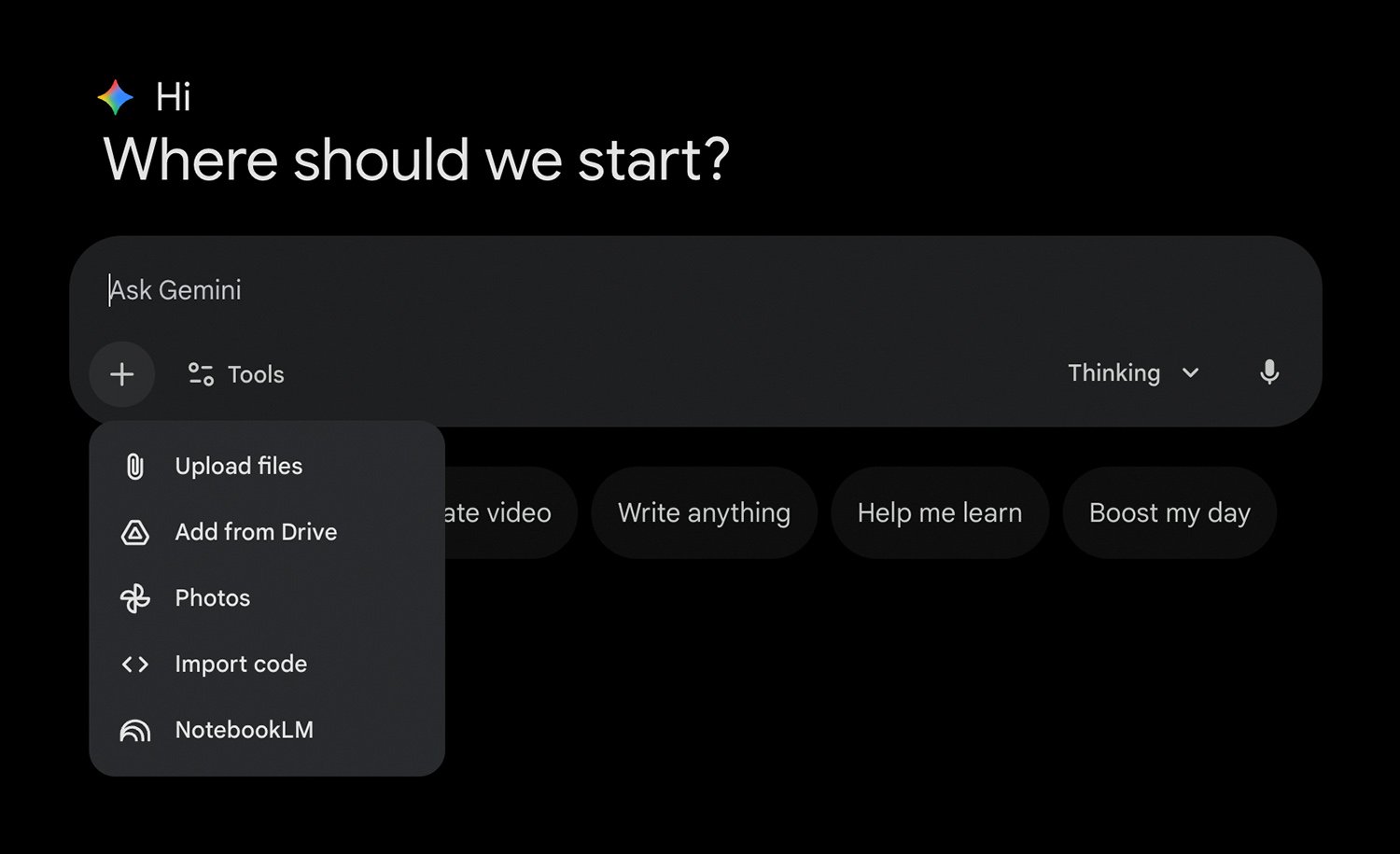
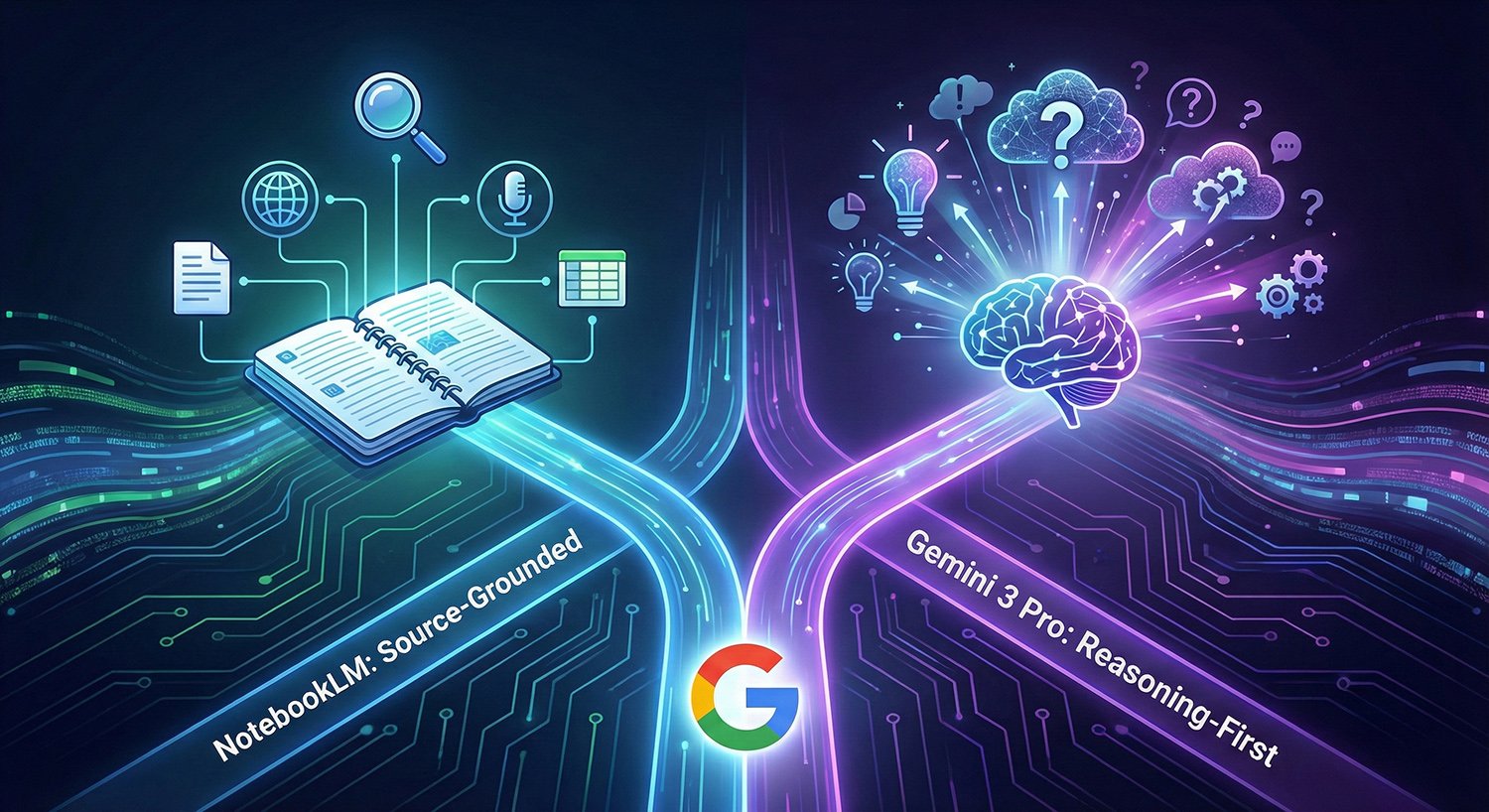
Gemini (Google)
Grok (xAI)
Copilot (Microsoft)
Perplexity (Perplexity AI)



















Market Context: The RKLB Catalyst
Rocket Lab closed at $70.52 on December 19, 2025, following a dramatic 17.69% single-day surge. The rally was triggered by the announcement of an $816 million prime contract from the U.S. Space Development Agency (SDA) to design and manufacture 18 satellites for the Tracking Layer Tranche 3 program. This represented Rocket Lab's largest single contract to date and pushed its total SDA contract value to over $1.3 billion.
The analysis period presented unique challenges: a holiday-shortened trading week with early market close on December 24 (Christmas Eve) and full closure on December 25 (Christmas Day), resulting in only 3.5 effective trading days with reduced liquidity and potential for amplified price swings.





















Head-to-Head: Prediction Comparison
The following table summarises each AI's key predictions for the December 22-26, 2025 trading period:
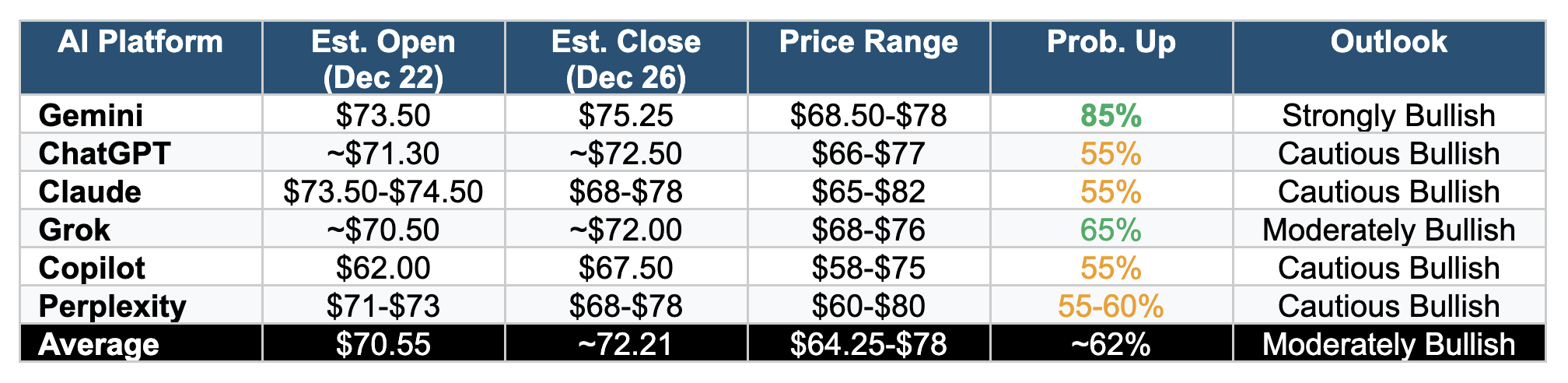
Note: Price estimates are based on each AI's analysis conducted on or before December 21, 2025. RKLB closed at $70.52 on December 19, 2025.

















Key Findings
Consensus on Direction, Divergence on Magnitude: All six AI platforms predicted RKLB would likely finish the week higher than its December 19 close of $70.52. However, confidence levels varied dramatically. Gemini stood out as the most bullish with an 85% probability of price increase, while ChatGPT, Claude, Copilot, and Perplexity clustered around a more conservative 55-60% range. Grok fell in the middle at 65%.
Opening Price Estimates Reveal Model Differences: The expected Monday opening price showed the greatest divergence among the AI predictions. Gemini and Claude expected a gap-up to $73.50-$74.50, reflecting the after-hours momentum following the SDA contract news. Copilot was notably more conservative, predicting an opening around $62—a significant gap down from Friday's close. This suggests Copilot may have used different baseline data or weighted profit-taking risk more heavily.
Risk Assessment Approaches: The AI platforms demonstrated different approaches to risk communication. Claude provided the widest estimated price range ($65-$82), acknowledging greater uncertainty. Perplexity and ChatGPT also offered wider "fat-tail" scenarios ($62-$84 and $60-$80 respectively). In contrast, Grok provided the tightest range ($68-$76), suggesting higher confidence in a narrower outcome band.
Common Analytical Themes: Despite their different conclusions, all AI platforms identified similar key factors:
The $816M SDA contract as the primary bullish catalyst
Overbought technical conditions (RSI > 70) following the 30%+ rally
Holiday liquidity risks amplifying potential volatility
Short squeeze potential with ~10% short interest
Profit-taking risk after the sharp run-up

























Gemini: The Bull
Gemini delivered the most optimistic forecast with 85% confidence in a price increase. Its analysis emphasised the "game changer" nature of the SDA contract and predicted a Monday gap-up open at $73.50, eventually settling at $75.25 by Friday. Gemini provided detailed day-by-day predictions and specifically highlighted the "Blue Sky" breakout scenario with no historical resistance above current levels. The analysis also warned about the "rubber band" effect of mean reversion after the initial hype settles.

















ChatGPT: The Measured Analyst
ChatGPT took a more measured approach, assigning only 55% probability to a price increase. Its analysis was notable for explicitly framing predictions as "probability-based estimates, not guarantees." ChatGPT highlighted the $74 level as a critical inflection point, with failure at this resistance potentially triggering a pullback to $67-$64. The platform also provided wider "fat-tail" risk ranges ($62-$84), acknowledging the potential for extreme outcomes.














Claude: The Comprehensive Researcher
Claude produced the most detailed analysis, including specific data points on short interest (10.77% of float), options positioning (put/call ratio of 0.73), and institutional activity. The platform offered probability-weighted scenario analysis with 30% bullish ($76-$82), 45% base case ($68-$76), and 25% bearish ($60-$68) outcomes. Claude's 55% probability of increase was accompanied by the widest price range estimate, reflecting acknowledgment of uncertainty.















Grok: The Technical Trader
Grok's analysis was heavily weighted toward technical indicators, providing specific values for RSI (70.35), MACD (+3.24), and Stochastic (78.16). The platform showed 65% confidence in a price increase—positioned between Gemini's bullishness and the more cautious majority. Grok's analysis included a helpful summary table showing bullish versus bearish signals across multiple factor categories, and correctly noted the holiday market closure schedule.











Copilot: The Conservative Voice
Copilot's predictions stood out as the most conservative, with an opening estimate of $62 and central target of $66—both significantly below the other platforms. While still predicting 55% probability of a net increase, Copilot appeared to weight profit-taking and mean-reversion risks more heavily than its peers. The platform provided practical day-by-day estimates and offered to create probability distribution charts for further analysis.


















Perplexity: The Source-Heavy Researcher
Perplexity's analysis was distinguished by extensive source citations, referencing 20 different data sources from Stock Analysis to Fintel to Yahoo Finance. The platform predicted 55-60% probability of a higher close, with expected ranges of $74-$80 (high) and $60-$64 (low). Perplexity particularly emphasised the interplay between high implied volatility (~90%), heavy options activity, and thin holiday liquidity as key risk factors.







Conclusion
This experiment reveals both the capabilities and limitations of using AI chatbots for stock analysis. While all six platforms successfully identified key catalysts, technical conditions, and risk factors, their price predictions varied considerably. Gemini emerged as the most bullish with 85% confidence, while the majority consensus clustered around 55-65% probability of a weekly gain.
The true test of these predictions will come when markets close on December 26, 2025. TheDayAfterAI News will publish a follow-up analysis comparing actual market performance against each AI's forecasts, providing valuable insights into the predictive accuracy of today's leading AI platforms.
License This Article
 TheDayAfterAI News
We are a leading AI-focused digital news platform, combining AI-generated reporting with human editorial oversight. By aggregating and synthesizing the latest developments in AI — spanning innovation, technology, ethics, policy and business — we deliver timely, accurate and thought-provoking content.